Solving a Toxic Mystery: Lead-Adulterated Spices in Georgia
In 2019, Georgia faced a childhood lead poisoning crisis. A MICS survey revealed that 41% of children ages 2-7 in the country had blood lead levels at or above 5 μg/dL (the level at which the CDC recommends intervention). This was a staggering discovery. Even small doses of lead in children can slow development and cause learning disabilities, among other dangerous health effects.
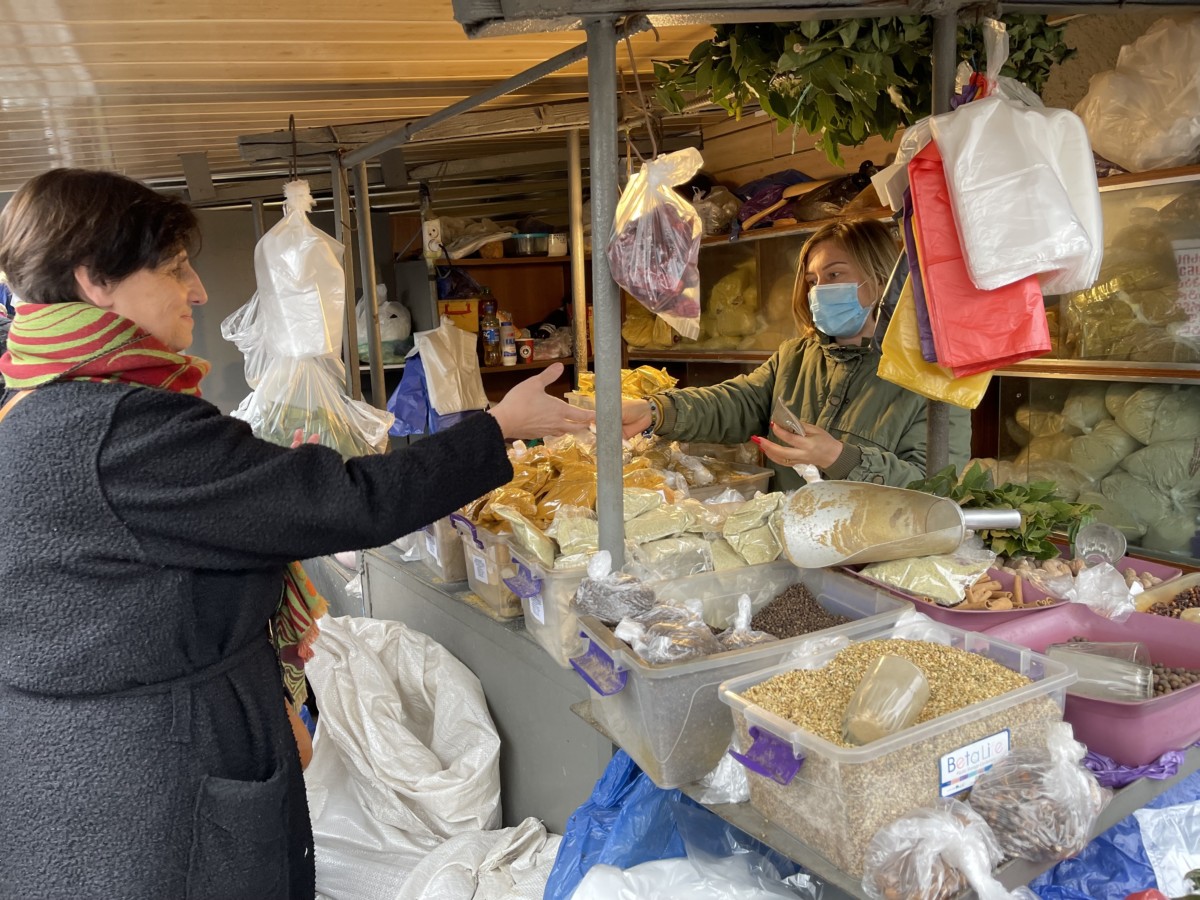
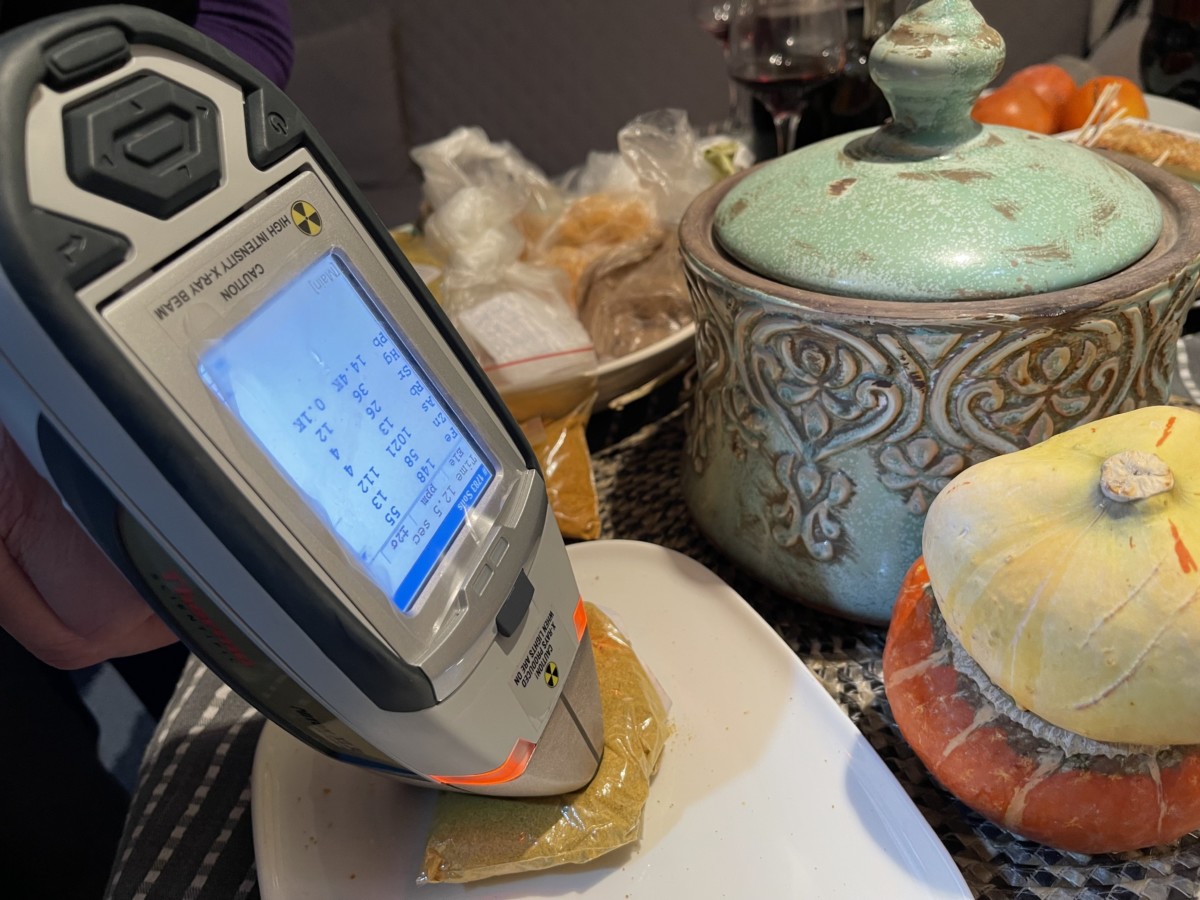
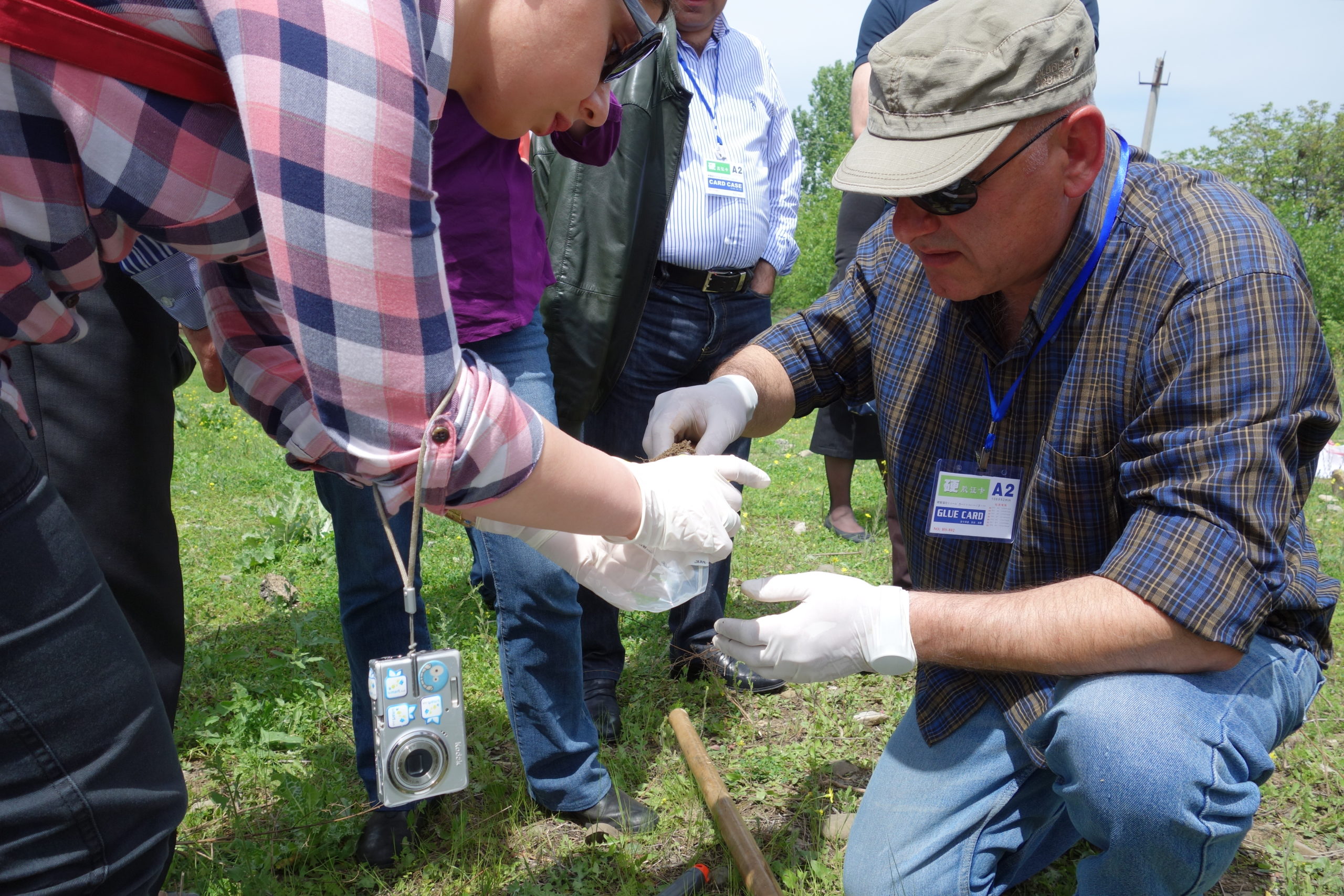
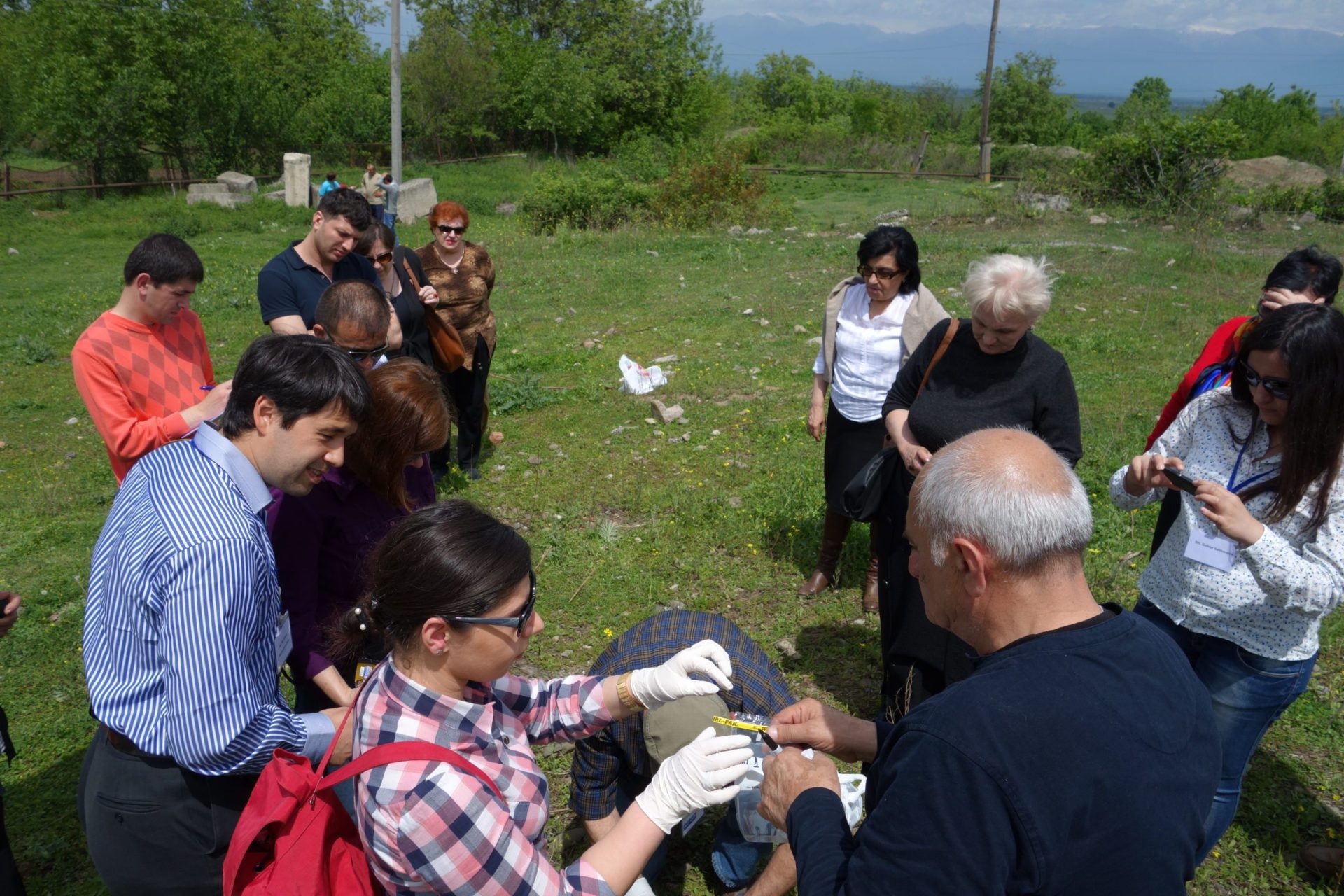
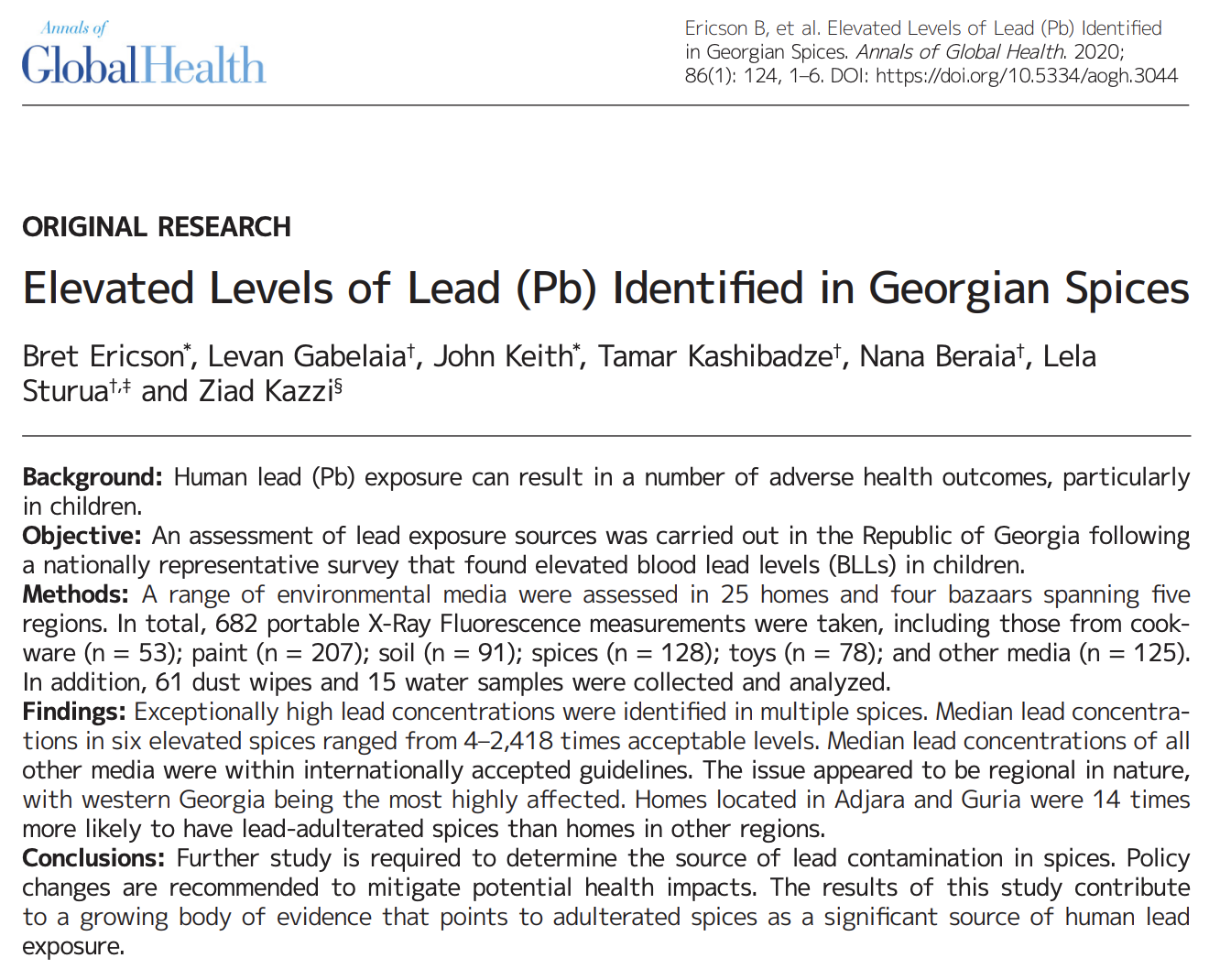
The Georgian government worked with Pure Earth to better understand the source of the widespread lead poisoning. Pure Earth, the US CDC, and NCDC conducted a study of 25 Georgian homes and markets in 4 regions (Adjara, Guria, Imereti and Shida Kartli). The home-based assessments included analysis of soil, dust, paint, water, spices, toys, and cookware. The source of exposure was identified — spices. In 2020, the Pure Earth Georgia team interviewed spices farmers and wholesale retailers and collected data on soil conditions, chemical use, and production processes. After analyzing 77 spice businesses and 264 products in collaboration with local government, Pure Earth researchers found that most of the lead in spices came from processing by large spice importers and wholesale retailers, where lead chromate was added to spices to enhance the color.
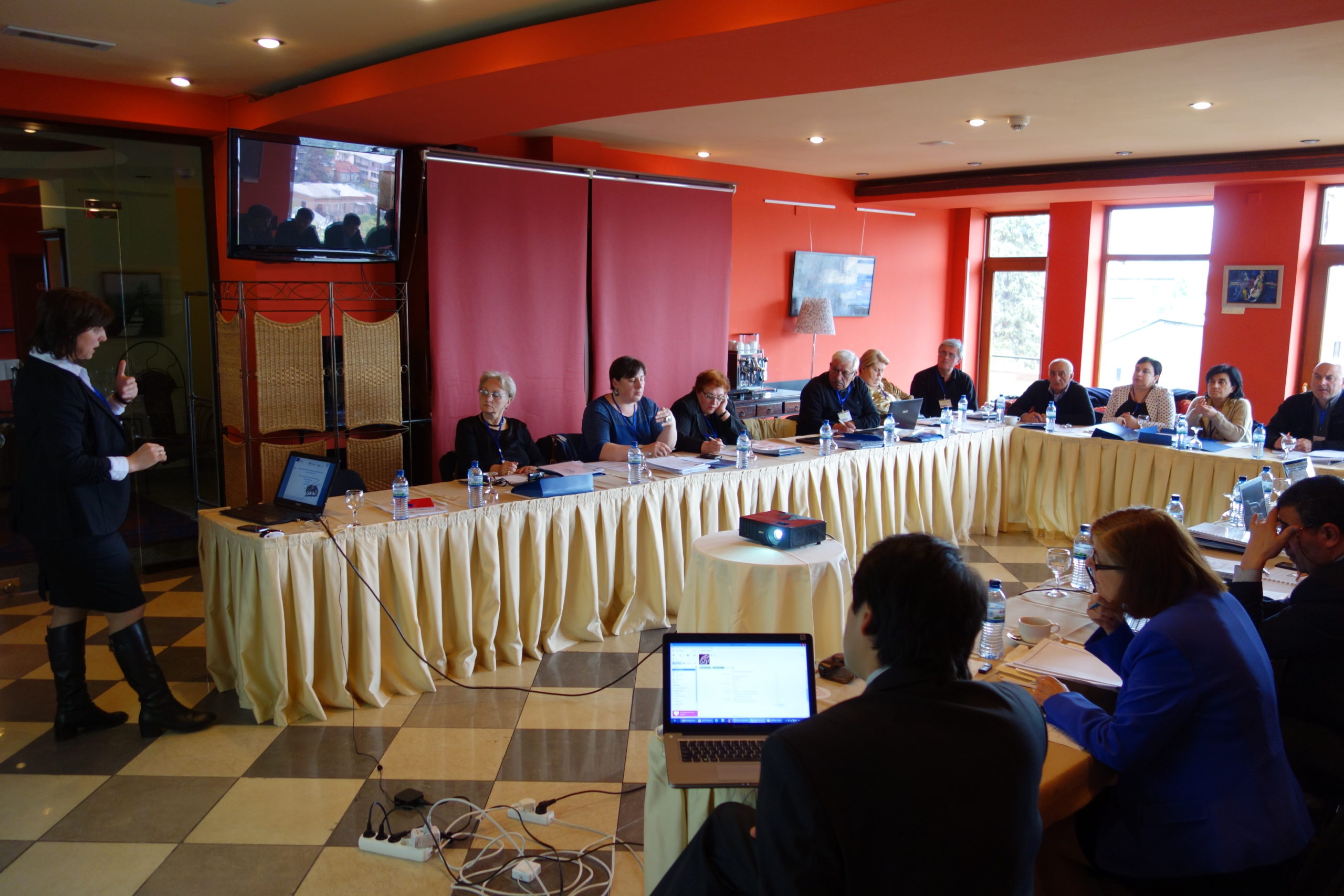
Thanks to an effective collaboration, headed by the Georgian government involving research institutions, UNICEF, Pure Earth and others, in two years, the source of the problem was identified and stopped. A major source of lead exposure was lead chromate added to enhance the color of spices. Pure Earth helped to trace the lead adulteration to a few major spice suppliers. The government quickly put a stop to these operations, cleaning up the spice supply chain throughout the country.
In an effort to measure the impact of the lead in spices intervention, Pure Earth researchers conducted a pilot study on assessed changes in blood lead levels (BLL) among 2–7-year-old children in Poti, Georgia between 2018 and 2023. Poti, a port city in the Samegrelo-Zemo Svaneti region, was selected for the pilot study because the 2018 MICS survey found that Samegrelo-Zemo Svaneti had one of the highest BLLs in the country, with an average of 7.0 μg/dL. Poti is a pilot study for a broader, regionally representative study in Guria. Blood samples from 63 children were analyzed, and environmental samples—including dust, soil, paint, spices, sugar, and salt—were collected from 50 households. The average BLL decreased significantly from 7.5 μg/dL (2018) to 2.05 μg/dL (2023). Despite this decline, 20.6 % of children had BLLs above the U.S. reference level of 3.5 μg/dL, highlighting continued exposure risks. The study demonstrates significant progress in reducing lead exposure in children likely attributable to recent public health initiatives. However, persistent environmental lead sources, particularly in dust and soil necessitate sustained efforts to mitigate exposure. Further nationwide studies are essential to monitor trends, identify hotspots and inform targeted interventions.
Learn more: