Bangladesh: Protecting Every Child’s Potential
Project Overview
Closed
Country
Bangladesh
Pollutant(s)
Lead
Date
2020-2024
Partner(s)
UNICEF, Global Alliance on Health and Pollution
Pathway
Ingestion, Inhalation
Source
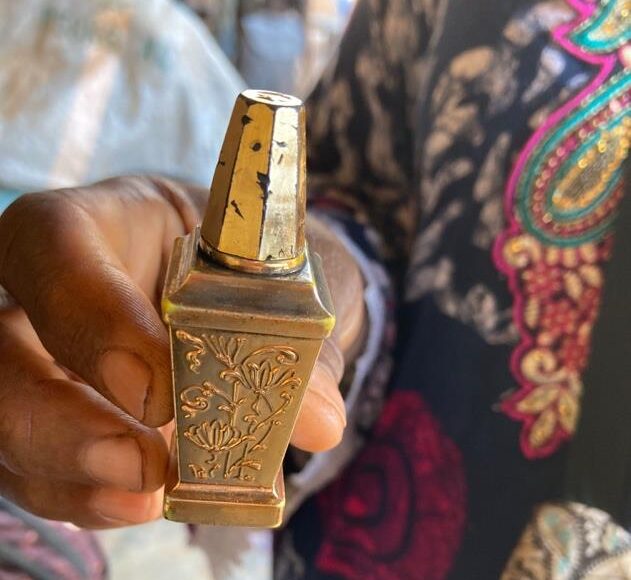
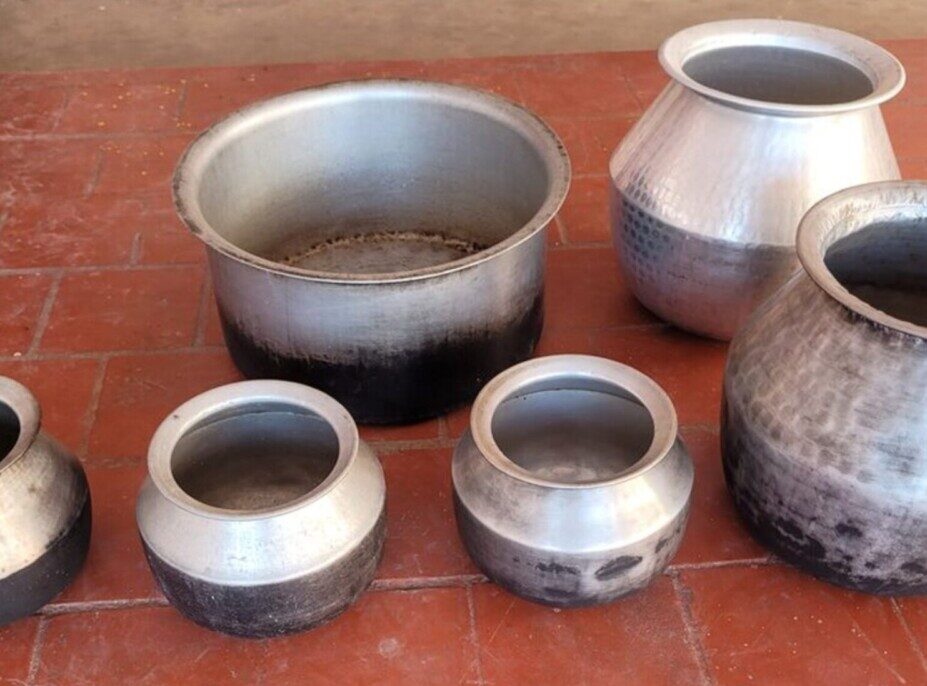
Informal ULAB processing, spices, paints, cosmetics, metal and ceramic cookware
Pure Earth’s work will build on successful projects carried out by Pure Earth around the world and will further develop existing relations with government, NGOs, and the private sector in Bangladesh to develop resources to reduce lead exposure from substandard ULAB recycling and adulterated spices.
Bangladesh, a previously agrarian economy, has rapidly grown to one based more on diversified services and manufacturing. While this has allowed the country to move up the income scale, it has also created new challenges around pollution control and environmental contamination. Lead has emerged as a particularly salient threat to the country’s children.
The illegal and substandard recycling of used lead acid batteries (ULABs) has been identified as a source of significant levels of environmental lead pollution and is suspected of being a contributor to high blood lead levels among the population in Bangladesh. The demand for ULABs in Bangladesh has steeply risen in the last decade, especially in the transportation sector (cars and e-rickshaws), telecommunications, and for power storage in solar energy collection systems or in backup systems where there is unreliable grid electricity service.
Pure Earth will work in Bangladesh to:
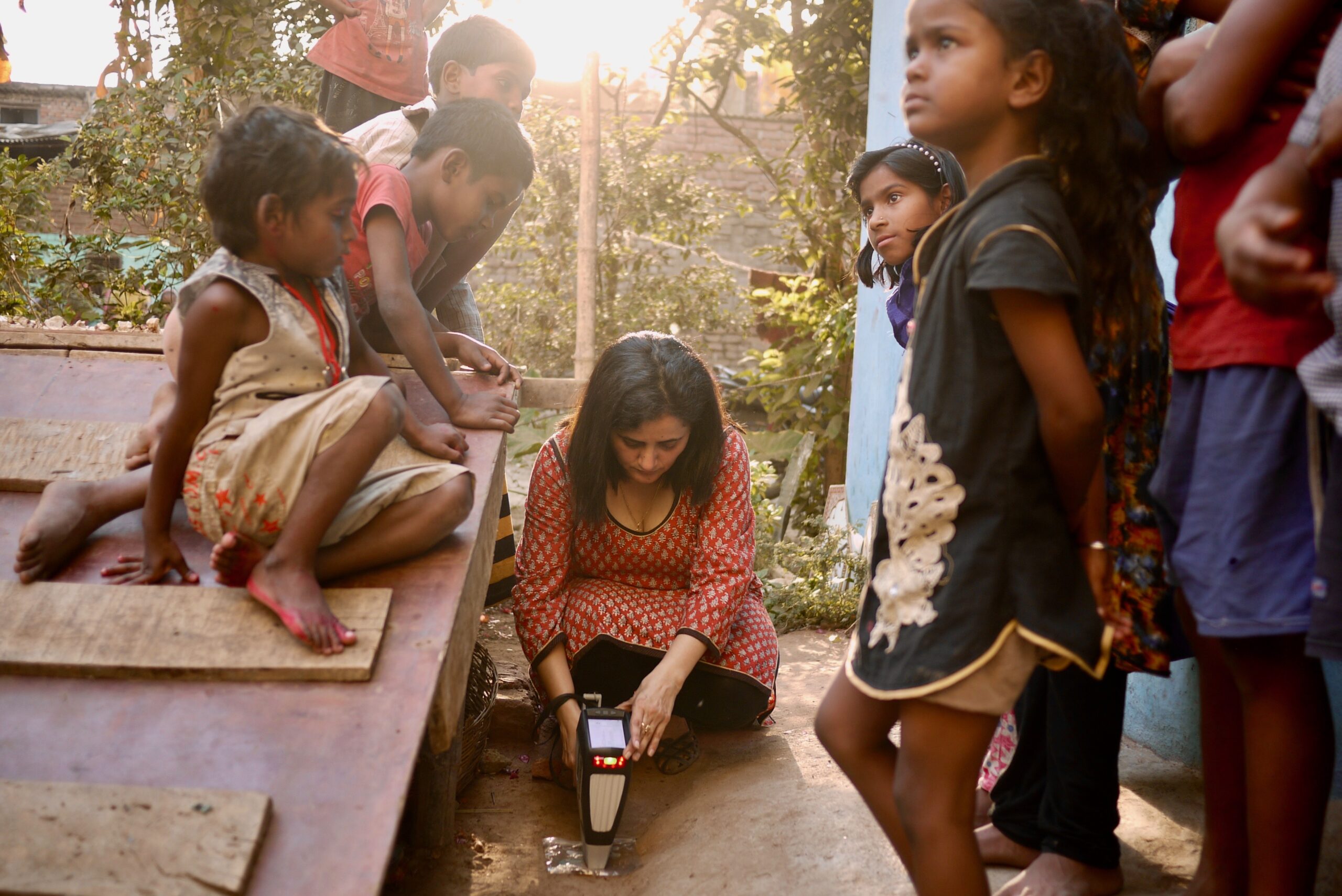
- identify and assess sites and products contaminated with lead;
- educate communities about the dangers of lead and how to protect themselves;
- conduct remediation projects in contaminated communities to reduce or eliminate sources of lead exposures;
- train government representatives and other stakeholders to identify, assess, and mitigate lead contamination;
- provide technical guidance to lead acid battery recyclers and other industry representatives to ensure environmentally sound practices; and
- provide policy recommendations to provincial and national governments to protect workers and community members from lead exposures.
The PECP partnership seeks to mobilize international action and work collaboratively with local and national governments, businesses, United Nations agencies, academia, and civil society to combat childhood lead poisoning. The partners are grounded in a fundamental belief that every child has a right to health and well-being and all children should have the chance to achieve their full potential.
Last Updated:
11/26/25