In 2024, Pure Earth advanced efforts to elevate awareness of lead poisoning and drive government response through our Global Lead Program. The program measures progress across five key outcomes and related indicators. This blog post is the second in a series highlighting our 2024 results and achievements, focused on Outcome 2: New Data and Evidence on Prevalence, Severity, and Distribution of Lead Exposure.
______
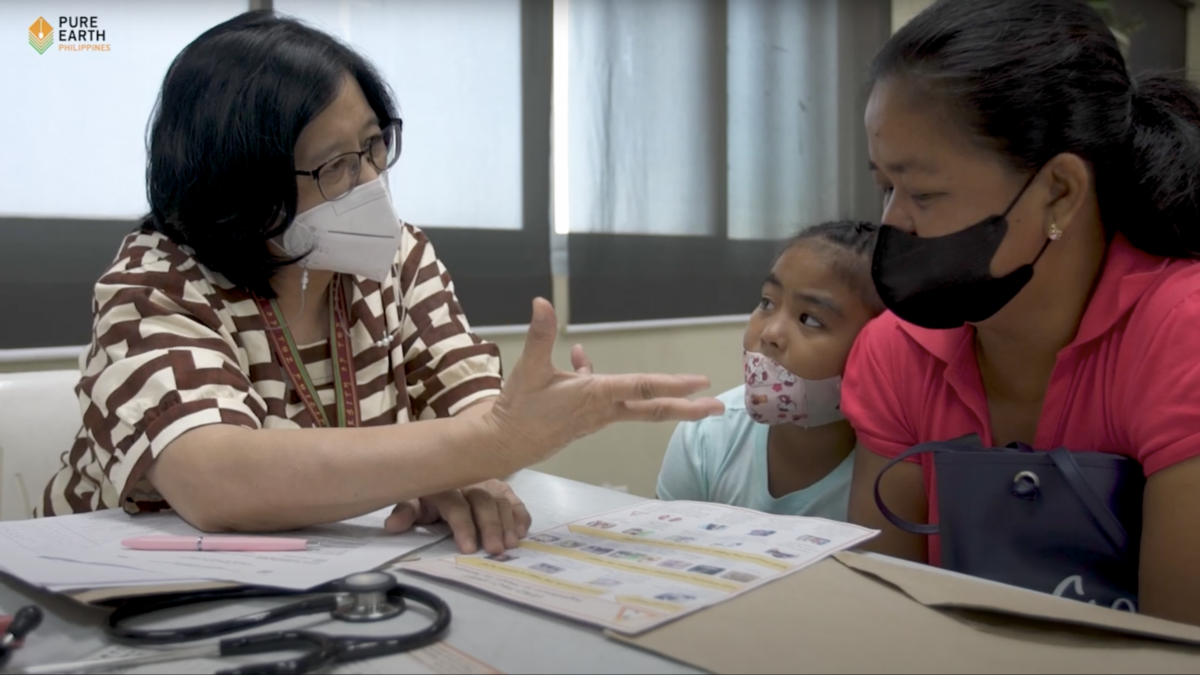
Last September in Valenzuela City, Philippines, families of 29 children with disabilities gathered in the public library. They were greeted by city officials and Pure Earth staff, who led an orientation session explaining the risks of lead exposure—including learning disabilities and reduced IQ.
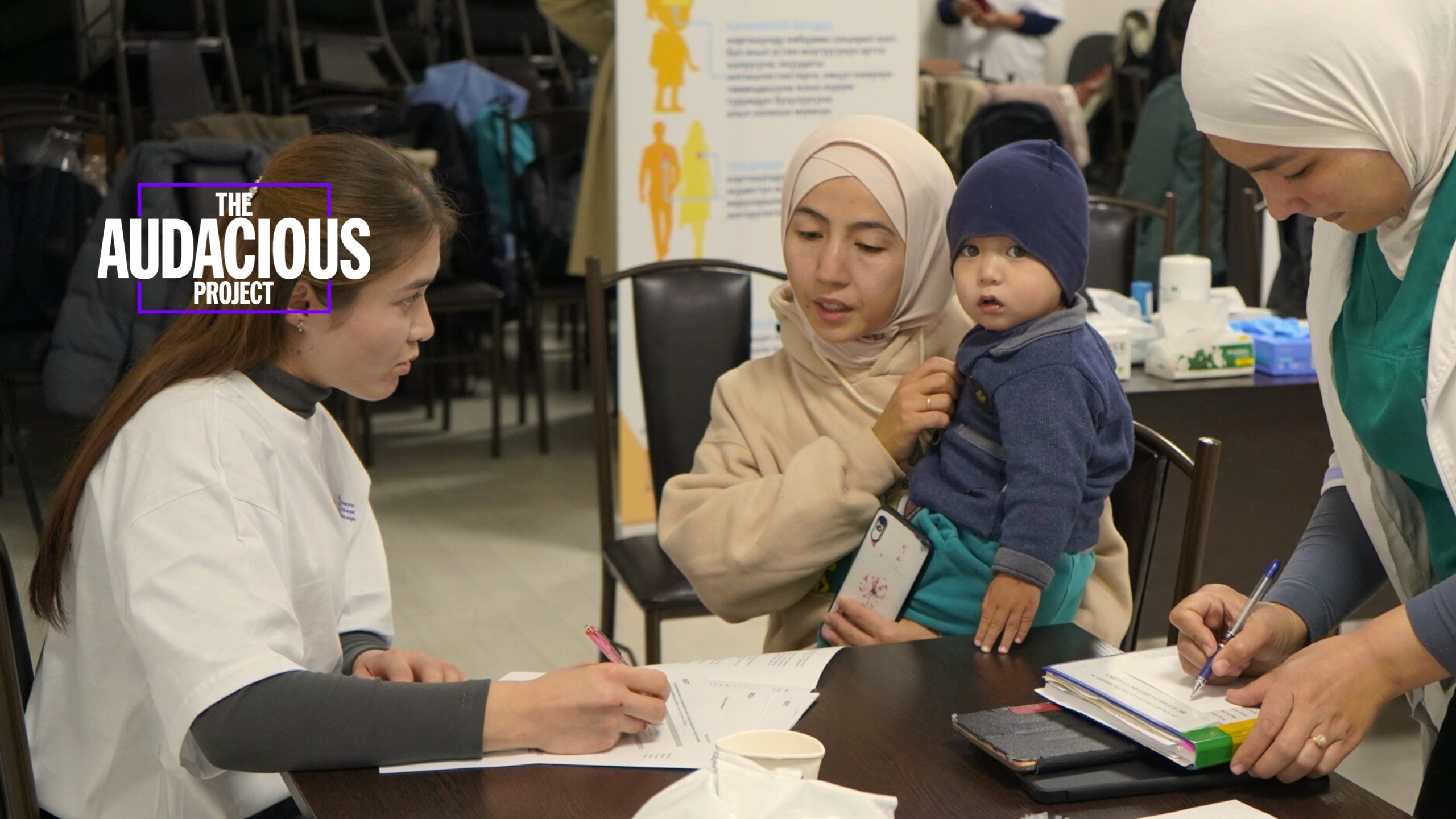
“It was during the orientation that I understood the effect of lead to children,” said one mother, holding her participating toddler on her hip. “They said that it’s bad on the physical and on the mental state of the child.”
Throughout the day, families had the opportunity to consult with doctors and discuss individual risk levels. Then, Valenzuela City medical technicians took a finger prick blood test from each participant, cheerfully comforting each child as they wrapped small, brightly-colored bandages. The blood samples were tested for lead as part of the country’s first city-led Blood Lead Level (BLL) screening program, brought about through the joint efforts of the City Health Office, Special Education Center, Disability Affairs Office and the Office of City Councilor Lopez. Participants received results the same day, and doctors met with each family to explain their BLL measurement and offer advice about how to mitigate further exposure. The City Government of Valenzuela used the results to drive policy change.

On September 19, 2024, as a result of our ongoing collaboration with Valenzuela City, 29 children with disabilities had their Blood Lead Levels (BLLs) tested. This was the first city-led BLL screening and first screening for a particular sector, children with disabilities, in the Philippines.
Valenzuela’s program included just 29 of the 2,575 BLL tests we helped administer across 5 countries last year. BLL screening is essential to understand the scope and severity of lead exposure and develop responsive interventions.
Signs of Progress in Georgia, Mexico, India and Kyrgyzstan
Pure Earth’s BLL screening assessment in Poti City and Guria Region, Georgia was particularly revealing. The project aimed to compare the range of BLLs measured in 2023 and 2024 to a national survey from 2018, which found that 40% of children aged 2-7 years had a BLL of more than 5 µg/dL, the national action level. In both cities, the 2024 screening showed a considerable decrease in the prevalence of children with high BLLs. Remarkably, the average BLL was around a fifth of the cities’ average in 2018.
The marked improvement in BLLs in Georgia may be related to the reduction of lead concentration in spices, which was observed in both cities. These findings reflect effective policy interventions and public health measures. However, an incidence of 12.9% above the US blood lead reference value (3.5 µg/dL), together with elevated environmental lead concentrations, demonstrate that there’s still much to be done.
In Mexico, Pure Earth works with artists in Morelos, Puebla and Mexico City who are exposed to lead in pottery glazes. Today, tens of thousands of artisanal potters continue to manufacture pottery using leaded glazes. Many are indigenous, and rely on the manufacturing of this pottery for their livelihoods, unaware that lead is toxic.
To monitor occupational exposure, we administered 88 BLL tests of artisanal potters and their families. The screening found an average BLL of 14.38 µg/dL, which is more than quadruple the US blood lead reference value and indicates serious occupational risk. Pure Earth is addressing Mexican occupational exposure through our Lead-Free Pottery Program, which provides workshops for artisanal potters interested in transitioning to lead-free techniques. Additionally, we administered 165 non-occupational BLL tests in Mexico to support research on links between preeclampsia and BLLs.
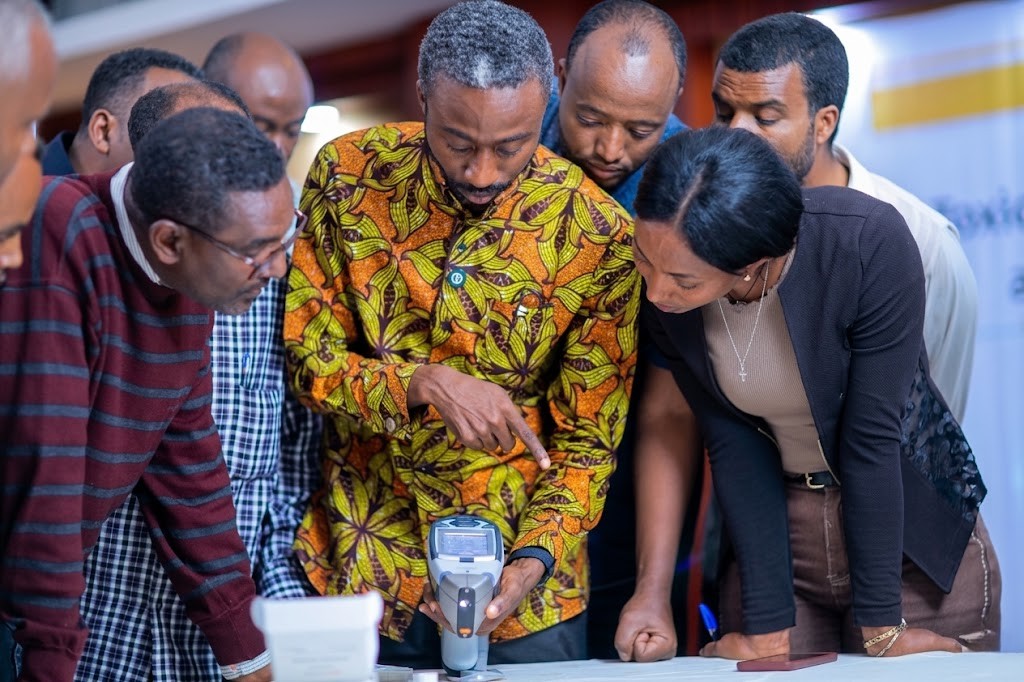
In Kyrgyzstan, Pure Earth provided specialists with 6 portable test kits and training in the use of modern Leadcare 2 equipment, which yields BLL results within three minutes. This allowed Kyrgyzstan to carry out its first ever national BLL screening program, testing 1,160 preschool aged children in 21 communities. Pure Earth also tested 692 children and 77 pregnant women in Tamil Nadu, India. Findings from both surveys are pending.

Specialists from the National Institute of Public Health under the Ministry of Health of the Kyrgyz Republic tested 1,200 children aged 1 to 6 years.
Next Steps for BLL Screening
As part of the Strengthening Health Systems to Reduce Lead Exposure project, ministries of health in Colombia, India, Indonesia, Kyrgyzstan, Maharashtra (India), and Peru will implement national programs to identify, monitor and reduce lead exposure. For instance, the Ministry of Health of Indonesia has already kicked off its Blood Lead Surveillance Pilot Program, which will test 1,618 children in 12 selected cities. Additionally, Peru’s Ministry of Health signed an agreement with Pure Earth and Vital Strategies to strengthen surveillance of lead-exposed children. Data from this milestone project will help us identify global patterns of lead exposure and respond with targeted action.

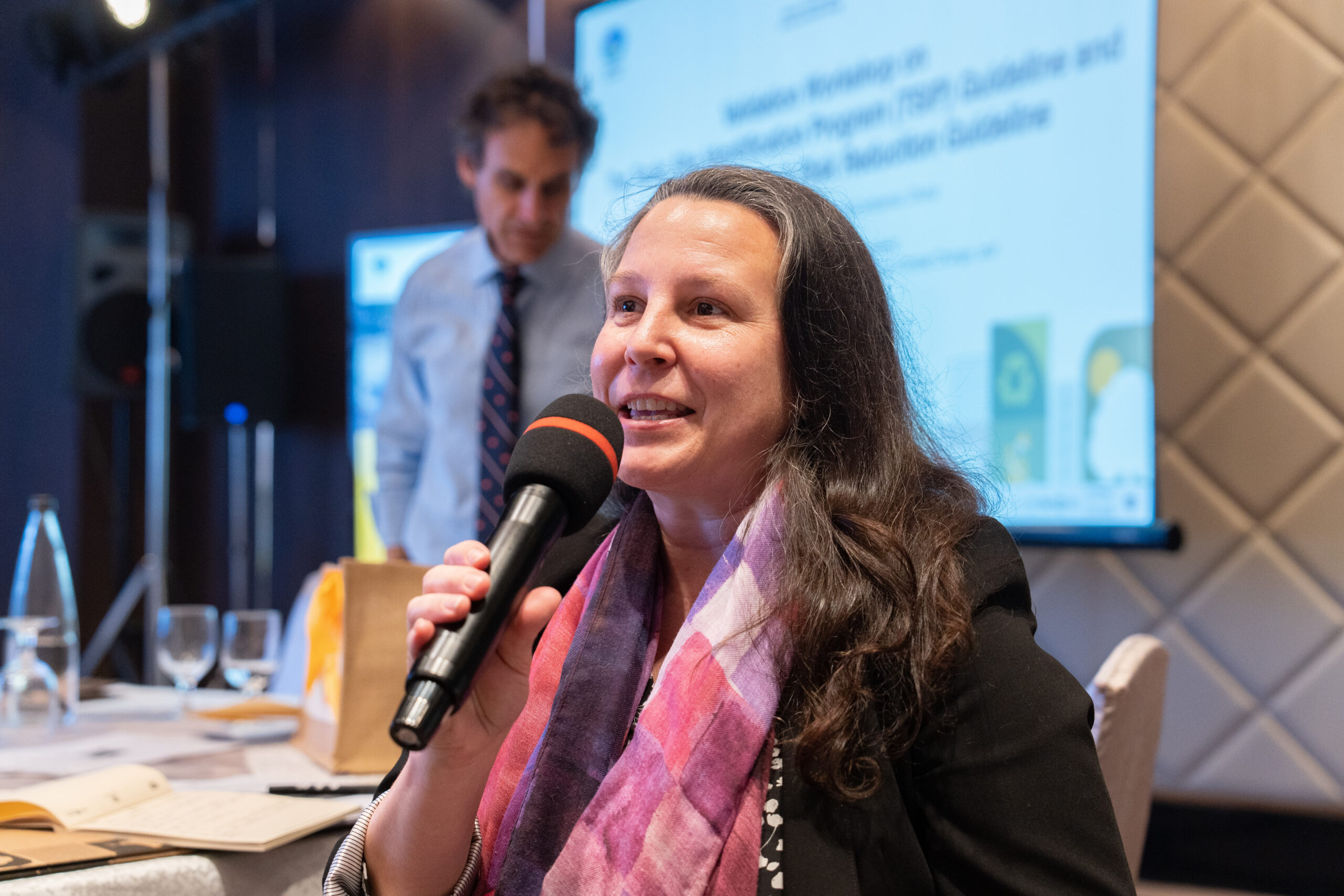
Indonesia kicked off its Blood Lead Surveillance project on December 13, 2024 in Jakarta.

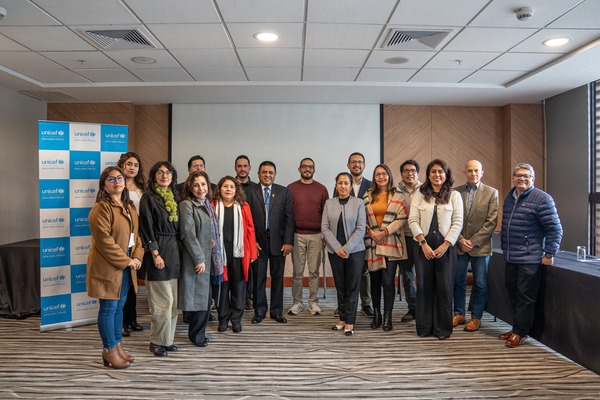
In Peru, the Ministry of Health signed an agreement with Pure Earth and Vital Strategies to strengthen surveillance and care for lead-exposed children under five years old.
Learn more about Pure Earth’s 2024 Global Lead Program Results and Accomplishments: