Why We Prioritize Lead Poisoning
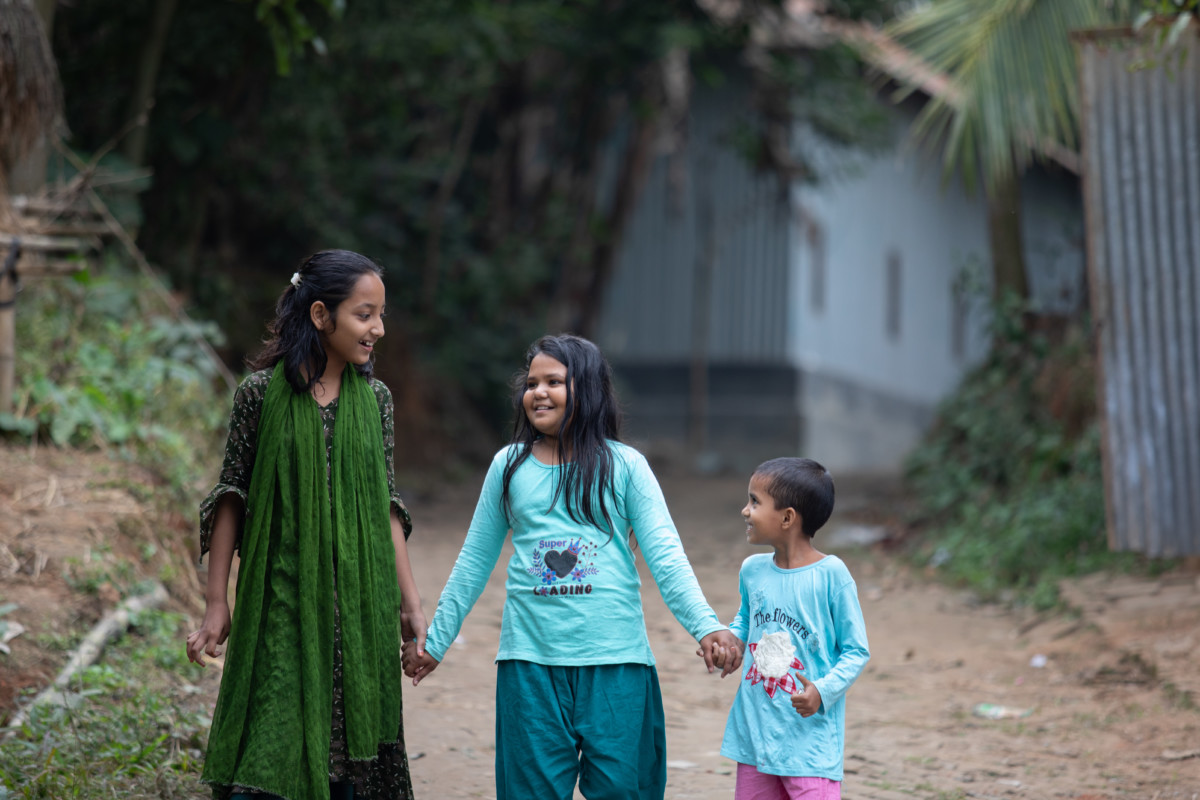
Lead exposure is a significant public health challenge in LMICs, where it disproportionately affects vulnerable populations, particularly children. In these regions, lead contamination is often linked to poorly regulated industrial activities, and the widespread use of lead in consumer goods such as foods, spices, cosmetics, toys, cookware and paints. Lead exposure is responsible for an estimated 3.5 million deaths each year. More than one billion children are believed to have elevated blood lead levels, damaging brain development, limiting learning and educational attainment, reducing earnings, and increasing the risk of lifelong illness and death. This has broad economic impacts, with lead poisoning estimated to have an economic cost of $6 trillion annually. Stealing the potential of one child is a tragedy; doing it to a billion children sabotages the trajectory of entire nations and robs a generation of its intellectual capital.
We prioritize lead poisoning not only because its toll is immense, but also because it is solvable today, with the tools we already have. Preventing lead poisoning does not require new technologies or the reordering of global economies. It just requires our will to act. And the benefits are enormous. By preventing lead exposure, our work improves health, educational outcomes, and economic development. Children can reach their full cognitive and emotional potential, and societies are better equipped to solve the next set of challenges they face.
How We Prioritize and Select Geographies
Pure Earth’s framework for prioritizing where to fight lead poisoning centers on protecting children first, since lead’s harm begins before birth and lasts a lifetime. It’s also guided by the public health principle known as the “prevention paradox,” which observes that more total harm often comes from the many people facing moderate risk than from the few with severe risk. For lead, that means we generally prioritize the hundreds of millions of children with low-to-moderate exposure, who likely represent a larger share of preventable harm than the smaller number with very high lead levels. Thus, we weight scale and prevalence over severity, without ignoring the most severe cases. Our framework is transparent about its trade-offs and limitations, and it will keep evolving as new evidence comes in. Check out the full framework below:
Global Lead Program
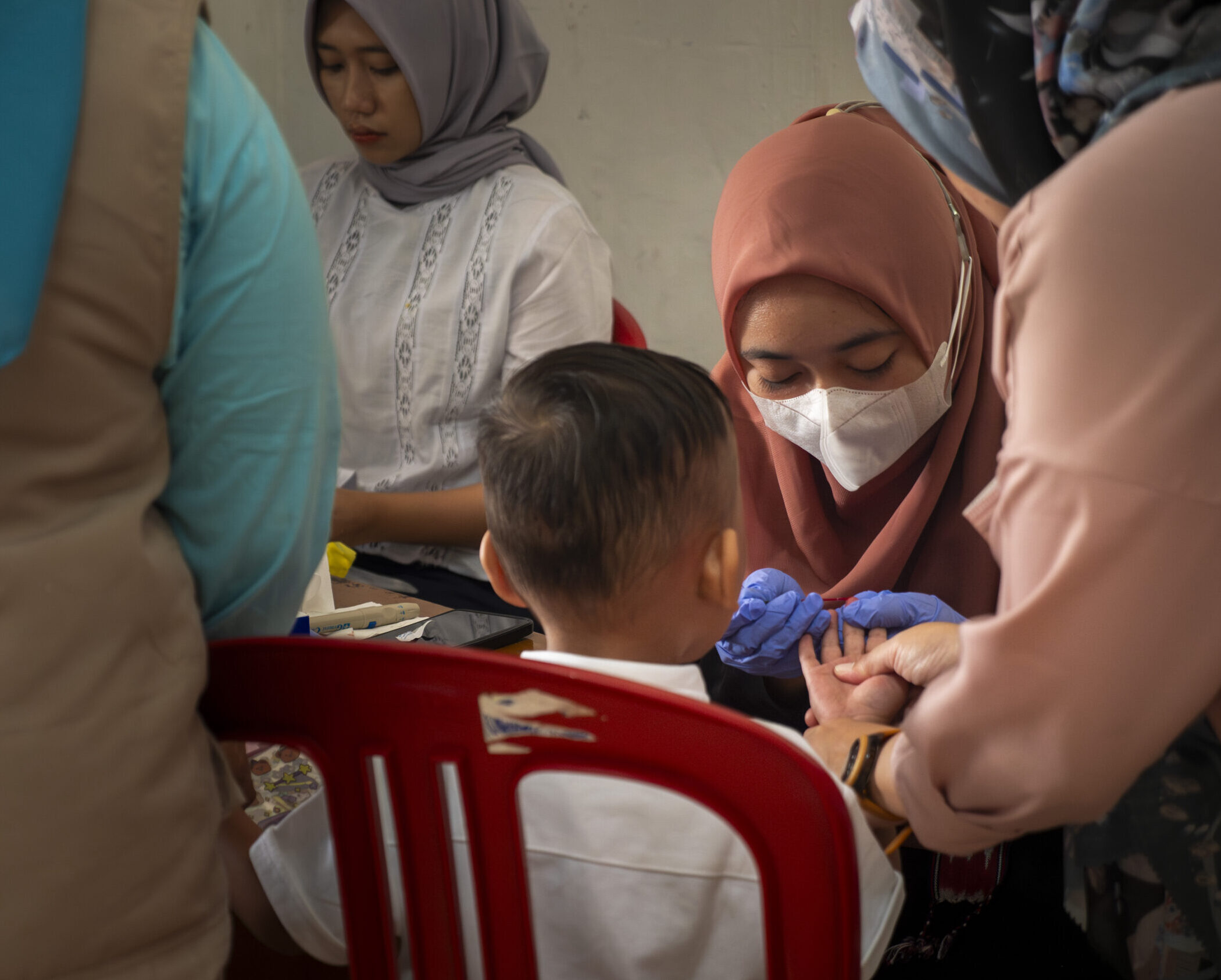
Pure Earth’s Global Lead Program aims to prevent and reduce lead poisoning in low- and middle-income countries by removing lead contamination sources and/or by reducing human exposure to them. We achieve this through pragmatic interventions that generate data and knowledge, improve regulatory frameworks, remediate lead hazards, improve the environmental performance of industry, facilitate the adoption of lead substitutes in production processes (e.g., pottery glaze), and increase resources to address lead pollution.
Global Mercury Program
Pure Earth’s Global Mercury Program strategy focuses on decreasing mercury emissions to the environment from the main source of pollution- artisanal and small-scale gold mining (ASGM)—and reducing human exposures with an emphasis on the most severely affected populations, namely miners and surrounding communities. This is achieved by training legal artisanal and small-scale gold miners on mercury-free mining techniques, restoring degraded mining sites, engaging the jewelry industry, and promoting the recovery and responsible management of mercury from contaminated artisanal gold mining tailings.