Click Below for the Full Report
Key Findings
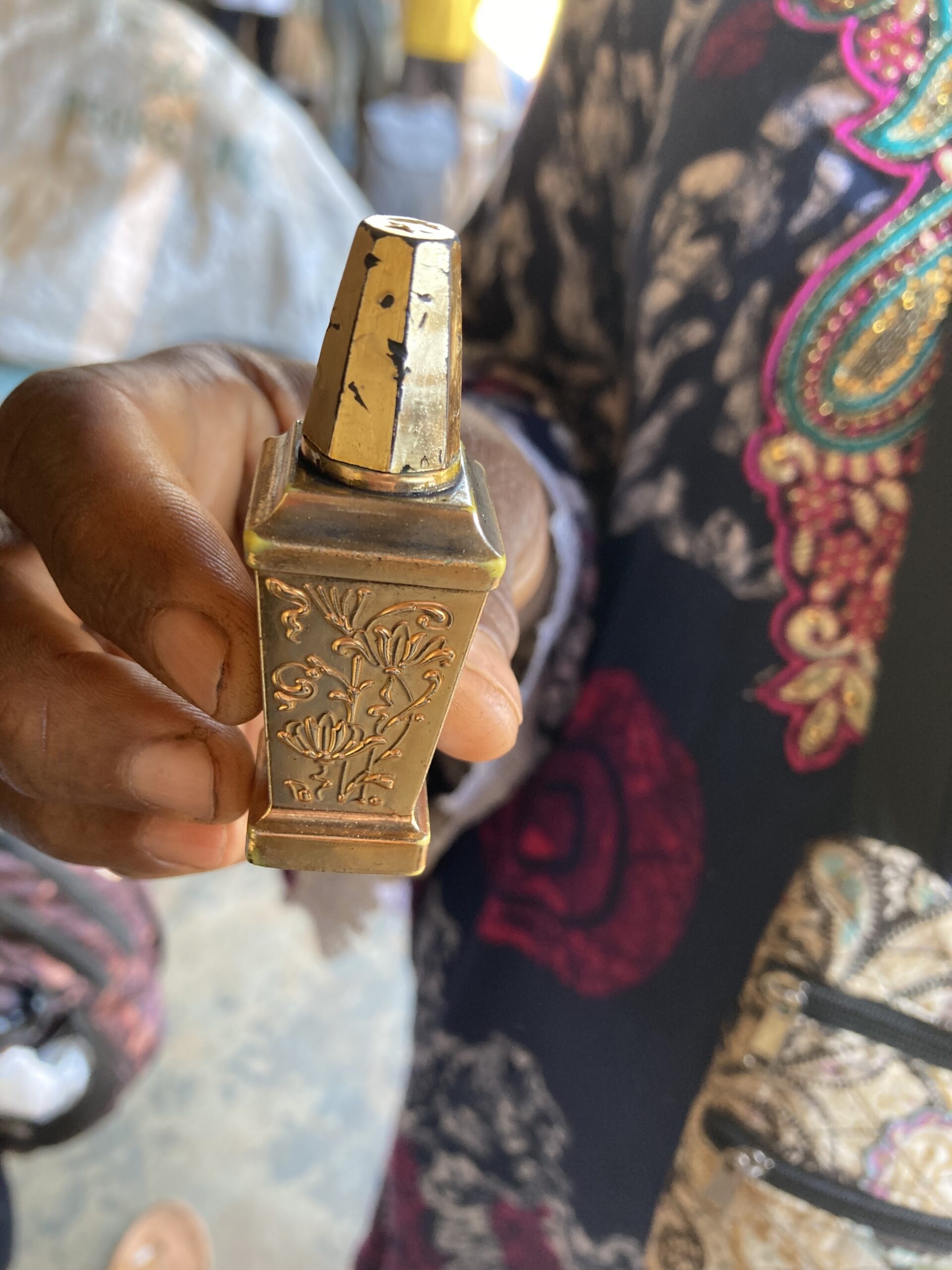
- Traditional eyeliners like kohl, kajal, and surma have been found to contain lead. That lead can migrate into the body of the user, resulting in lead poisoning. This has been documented in high and lower-income countries.
- We bought 56 kohl, kajal, and surma eyeliner samples from mostly online retailers in the US and found dangerously high lead levels. Over half (29/56) of the samples were above the FDA threshold of 10 ppm, many (9/56) of the samples had lead concentrations above 100,000 ppm and three samples had lead concentrations over 350,000 ppm. While the results are alarming, given the limitations of this small study, we can’t yet say how big the problem is without further research.
- We found dangerously high lead levels in products labeled “lead-free,” showing that these labels cannot always be trusted. The highest lead concentration recorded, 380,000 ppm or 38% lead, was found in a product described as ‘lead-free’ from TikTok Shop. Even consumers actively seeking safer, lead-free options could be at risk. More research is needed to determine whether this mislabeling is widespread.
- Lead-contaminated eyeliners above the FDA limit are getting through current US regulations and enforcement mechanisms. More scrutiny on the regulation of lead in cosmetics is needed both domestically and globally.
- We view this study as indicative of an ongoing problem that could be significant, but without a larger sample size from additional sellers, we can’t yet determine the magnitude.
Report Summary
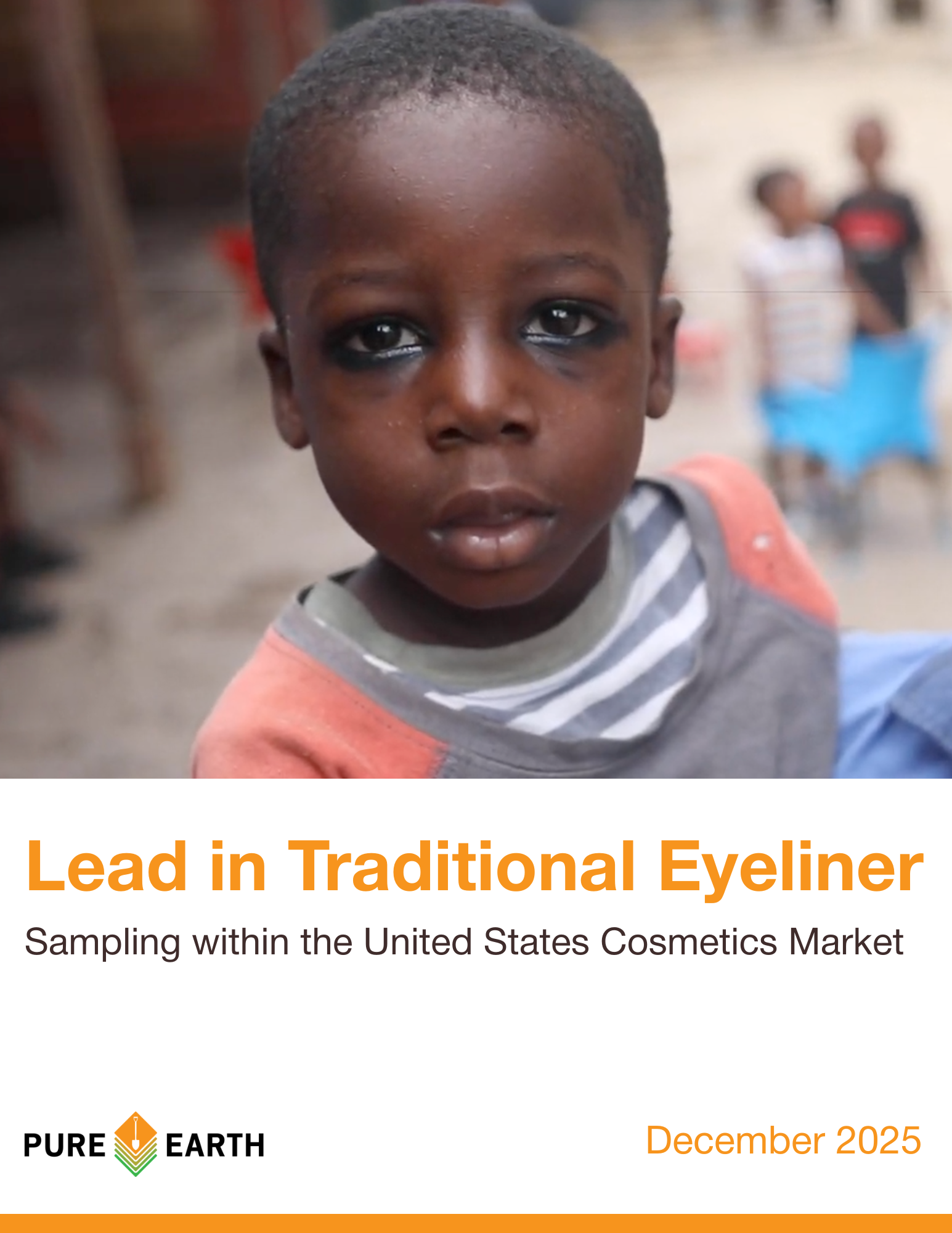
Traditional eyeliners such as kohl, surma and kajal are well-documented sources of lead poisoning, particularly among people from Asia, North and West Africa, and the Middle East. With social media and global online marketplaces expanding product visibility, traditional eyeliners are now popular in the US. These products are regulated by the US Food and Drug Administration (FDA), which bans them as illegal color additives. Additionally, the FDA is responsible for enforcing a maximum lead concentration of 10 parts per million (ppm) in externally applied cosmetic products.
Although kohl, kajal and surma are prohibited for sale in the United States, they can still be found online and on the shelves of local stores. We collected a small scoping sample of 56 eyeliners labeled as “kohl,” “surma” and “kajal” purchased online and in stores around New York City, including powder and cream formulations and products specifically labeled as being lead-free. Products were selected by convenience sampling and some products were purchased in duplicate. We measured their lead concentrations using an analytical technique called Inductively Coupled Plasma Mass Spectrometry (ICP-MS).
Over half (29/56) of the samples were above the FDA threshold of 10 ppm, many (9/56) of the samples had lead concentrations above 100,000 ppm and three samples had lead concentrations over 350,000 ppm. These results suggest that the FDA’s lead in cosmetics regulations are not being adequately enforced. In the U.S., lead-contaminated eyeliners present a risk of lead exposure, which has potentially severe impacts on neurological and cardiovascular health. Concerningly, lead concentrations of up to 380,000 ppm were recorded in products labeled as ‘lead-free.’ Five of the 17 products labeled ‘lead-free’ had lead concentrations higher than 100,000 ppm, and 7 were above 1,000 ppm. Products with lead concentrations above 100,000 ppm were purchased from TikTok Shop, Amazon, Etsy and Ebay. In our sample, cream products (all < 100 ppm) had significantly lower lead concentrations than powder products (P < 0.0001), but further research is needed to verify this observation across the US market.
In the News: Consumer Reports Covers Our Findings
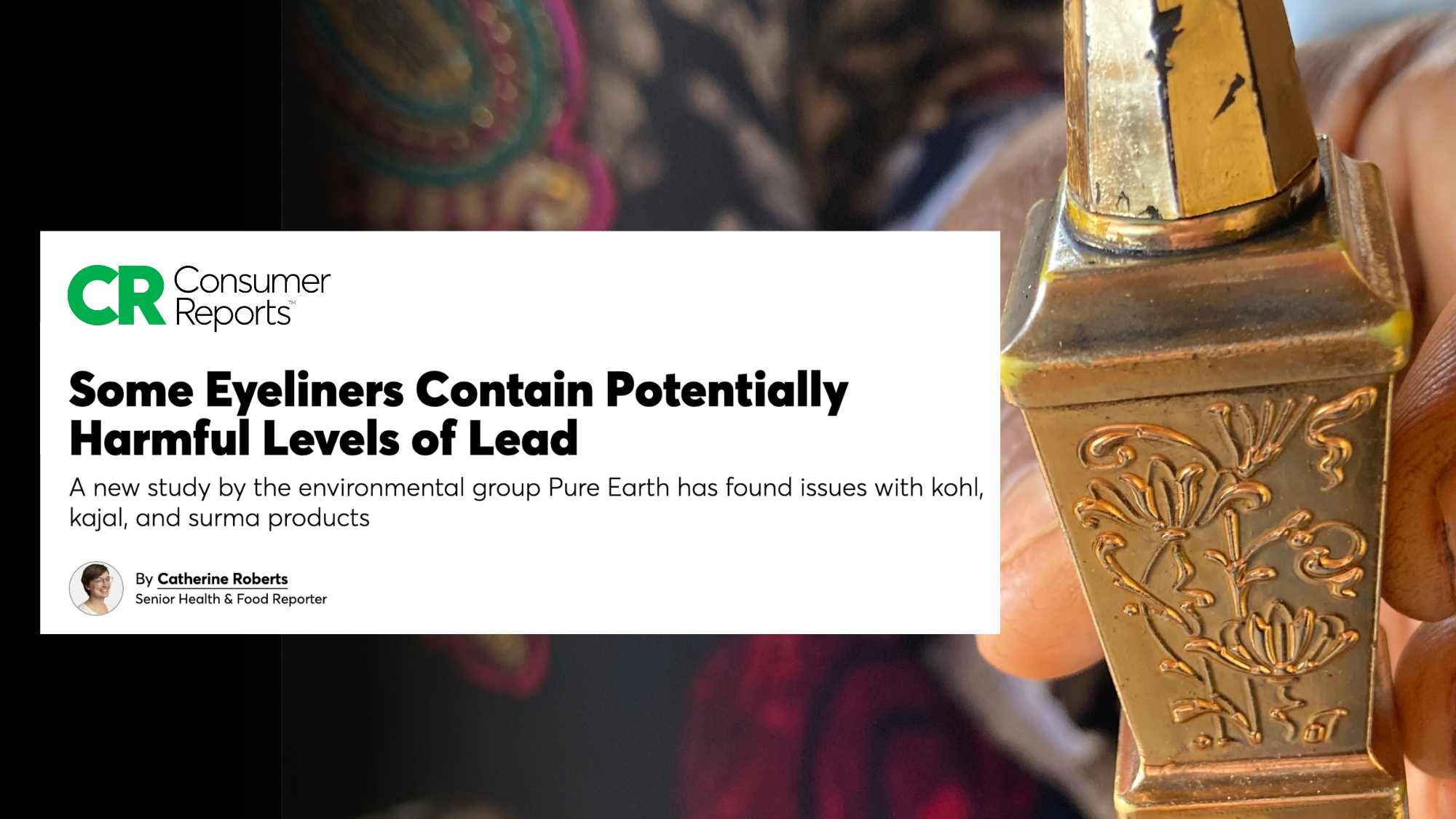
Consumer Reports highlighted the key findings of Lead in Traditional Eyeliner: Sampling within the United States Cosmetics Market in an article emphasizing how consumers can protect themselves from exposure to lead. They also launched a petition calling on the FDA to monitor the marketplace and enforce regulations to keep dangerous beauty and personal care products containing lead off the market.
“While our study is not representative of the entire U.S. market, it clearly shows that eyeliners with dangerous levels of lead are being sold in the U.S., including products labeled ‘lead-free’ and products marketed for use on children,” says Chris Kinally, Ph.D., Pure Earth researcher and one of the study’s authors.
Help Fund Our Program to Stop Lead-Contaminated Eyeliner in Ghana
Lead-contaminated traditional eyeliners pose a serious health risk worldwide. In Ghana’s Northern Region, home-based assessments following blood lead testing identified eyeliner as a major contributor to lead exposure.
Pure Earth is tackling this problem by reducing the supply of leaded cosmetics, raising awareness, and strengthening enforcement—work recognized by the Happier Lives Institute as the most cost-effective wellbeing intervention they have evaluated to date.
With support from Coefficient Giving, Pure Earth is currently conducting an initial supply-chain analysis and assessing Ghana’s regulatory landscape for cosmetics. These early steps are essential for designing effective, scalable interventions. Additional funding is needed to implement on-the-ground actions that can reduce exposure and protect children’s health.
In the video below, Pure Earth’s Africa Program Director, Rev. Dr. Esmond Quansah, explains how expanded support will allow Pure Earth to reach more communities and reduce the daily use of lead-contaminated eyeliner.
“Ending Lead-Contaminated Cosmetics in Ghana for Healthier Futures builds on Pure Earth’s experience removing lead from other consumer products like spices. These interventions are cost-effective, can be implemented quickly, and have the potential to protect thousands of children,” says Carol Sumkin, Pure Earth V.P. of Development. “The lessons learned in Ghana can be applied and scaled in other countries.”
Through December 31, 2025, every dollar donated will be matched up to $40,000, doubling your impact. Donate today to help prevent lead exposure from contaminated cosmetics and protect children’s health.