Women’s Health and Pollution
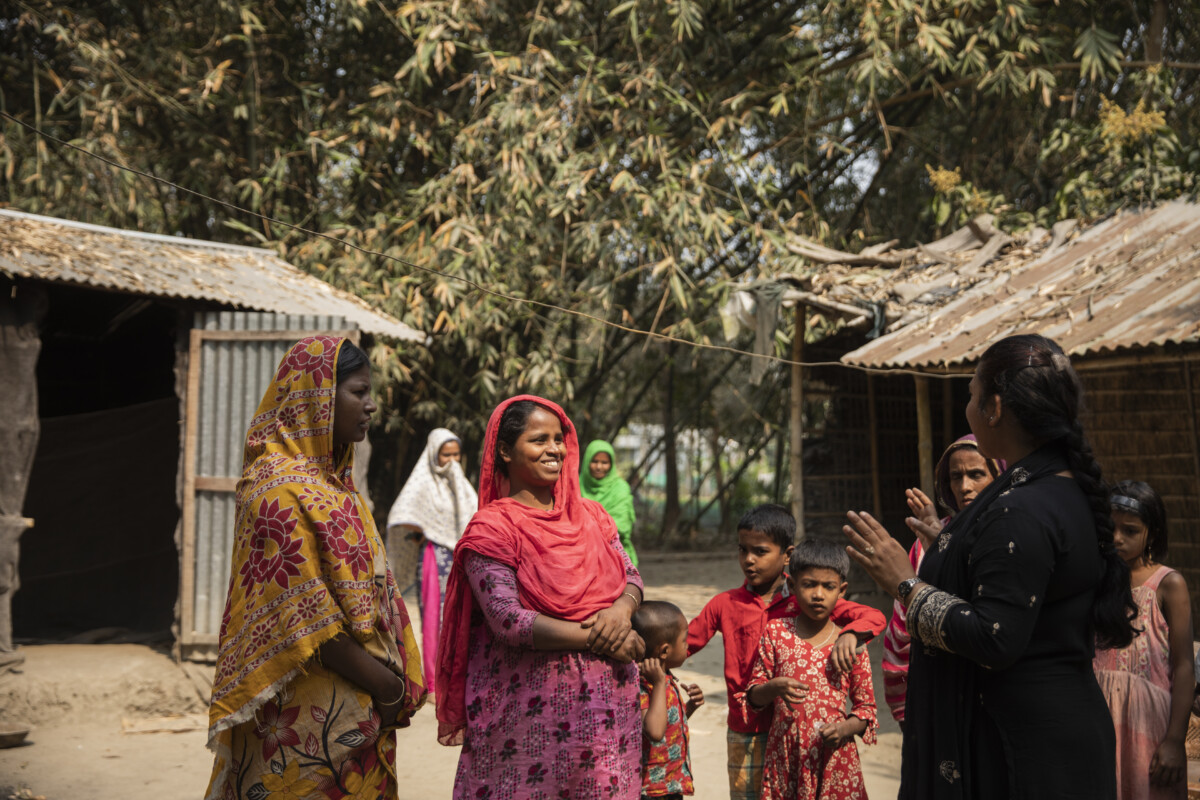
Pollution is a women’s health issue. Toxic pollution poses a unique threat to women’s health because of the reproductive impacts and likelihood of exposure to various toxic substances at the workplace and at home. Exposures to dangerous chemicals have a multigenerational impact on women and families.
Pollution has a different impact on women because of traditional gender roles, societal restrictions, a lack of opportunities, and poverty. Our research in the Lancet Planetary Health found that in 2019, 3.92 million women died from pollution. An estimated 350,000 women died from lead pollution alone.
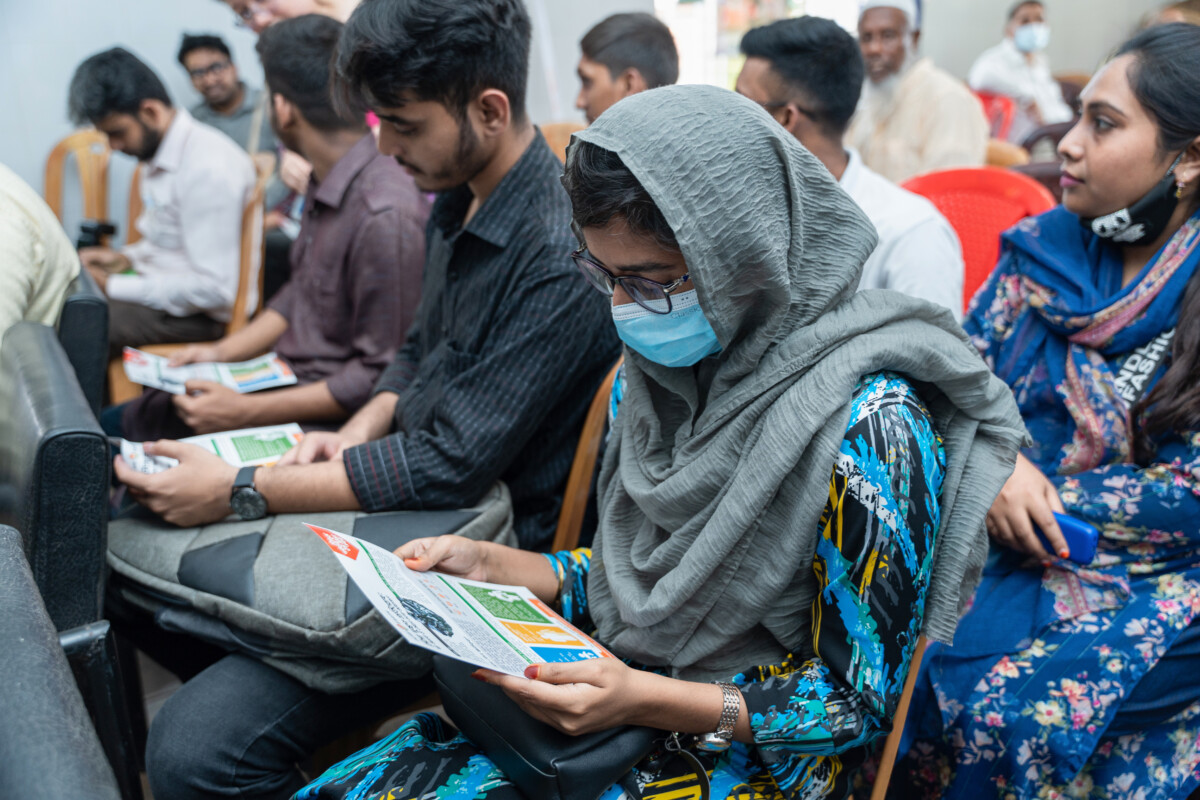
Pure Earth promotes blood lead level testing so women can understand their exposure, and advocate to integrate routine testing into antenatal care.
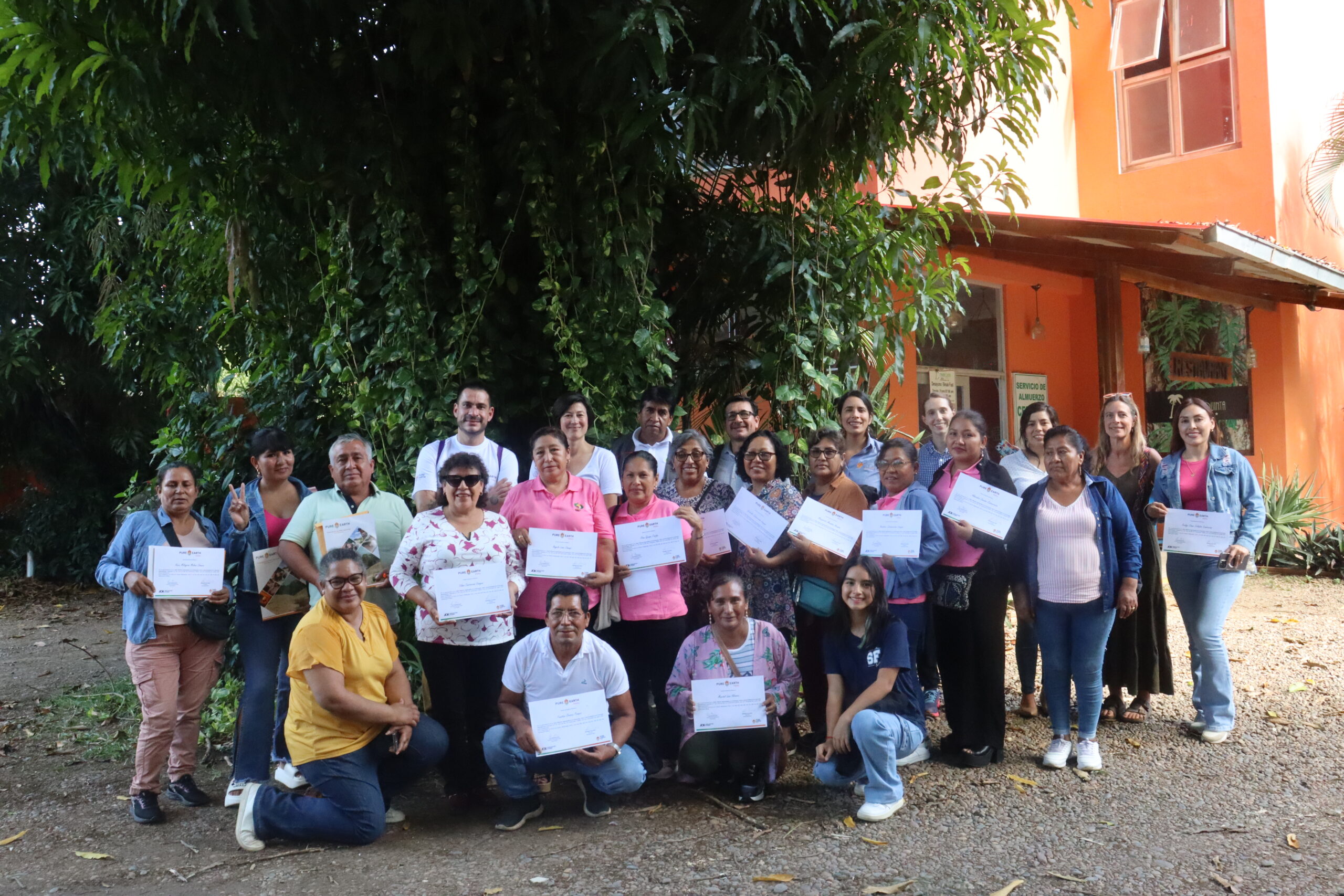
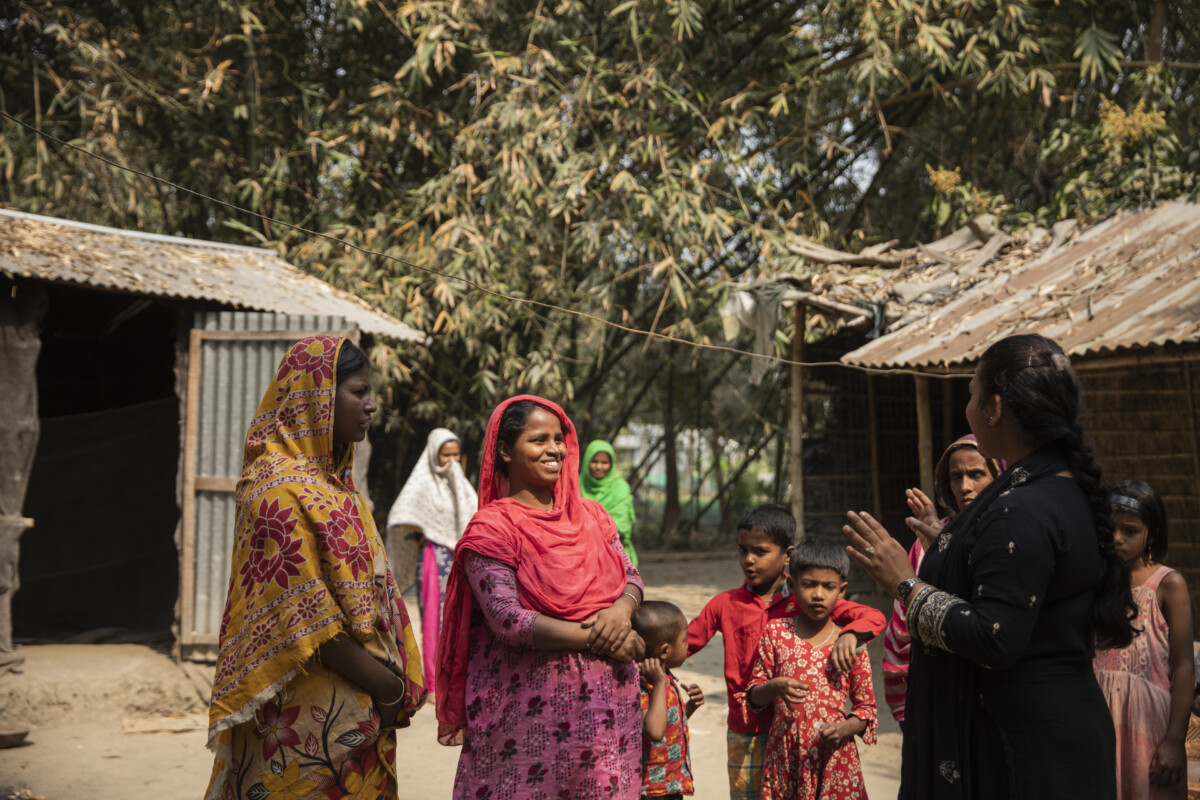

Support Pure Earth’s Work to Protect Women and Girls
Pure Earth is committed to making women’s health a cornerstone of our global expansion in lead exposure prevention. We are seeking funding to institutionalize this programming, ensuring women and girls receive appropriate interventions and education tailored to their unique risks.
By targeting pregnant and nursing mothers and women of reproductive age, including adolescents, we can improve outcomes for maternal health, as well as have an impact on future generations.
There are several ways that Pure Earth can enhance the 5-phase approach and add to the research addressing women’s health, including:
- Policy advocacy to integrate lead testing into prenatal care
- Research specific to women’s health
- Routine BLL testing on pregnant women with follow-ups to identify exposure sources
- Training & education programs on lead exposure for health workers
- Interventions to remove sources of exposure affecting women’s health
Watch These Videos
Explore Pure Earth's Impact on Women's Health

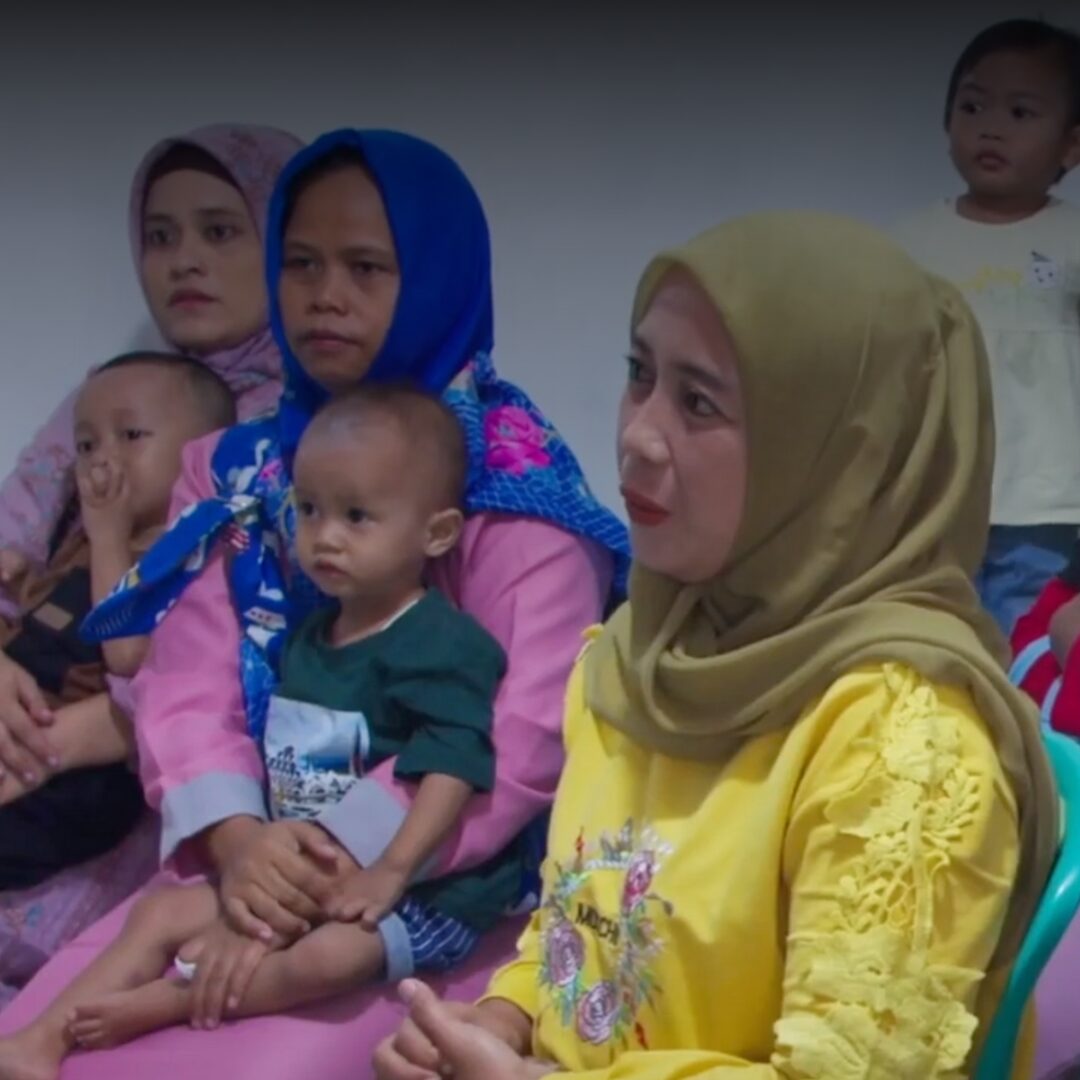
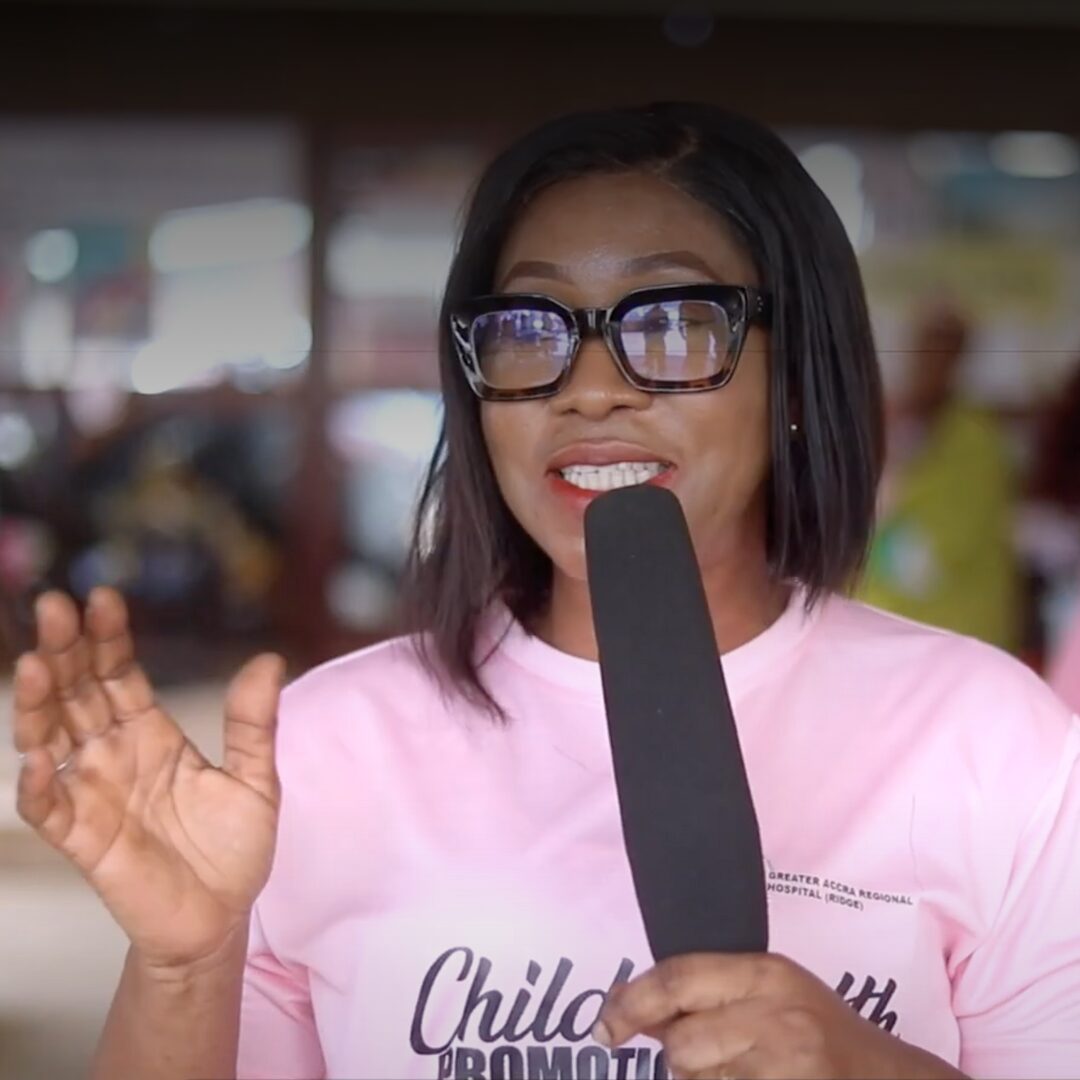
Toxic Pollution’s Impact on Women’s Health and Maternal Health
Toxic pollution causes immense harm to humans, especially to women and children, threatening maternal and child health. It can exacerbate other health concerns, trigger illness throughout the lifespan and can impact generations. But women in communities lead in adopting change. When women are included in advocacy, research, and interventions, polluted communities often experience positive, lasting improvement.
Exposures to dangerous chemicals have a multigenerational impact on women, families and entire communities. Toxicants such as lead and mercury can cause damage to fetuses in utero, including birth defects and neurological damage, and result in lower IQs. These chemicals can also be transmitted to infants via breast milk. Toxic exposures have been linked to pre-term birth, and infant mortality. New research has shown that exposure to toxic pollution in utero can also impact the future reproductive and genetic health of a developing fetus.
Learn More: Women’s Environmental Health Resources
Pure Earth Fact Sheets and Case Studies
- Fact Sheet: Reducing the Threat of Toxic Pollution to Women and Girls in Low- and Middle-Income Countries
- Why Women Hold The Key To Fighting Pollution
- Women and the Fight Against Pollution
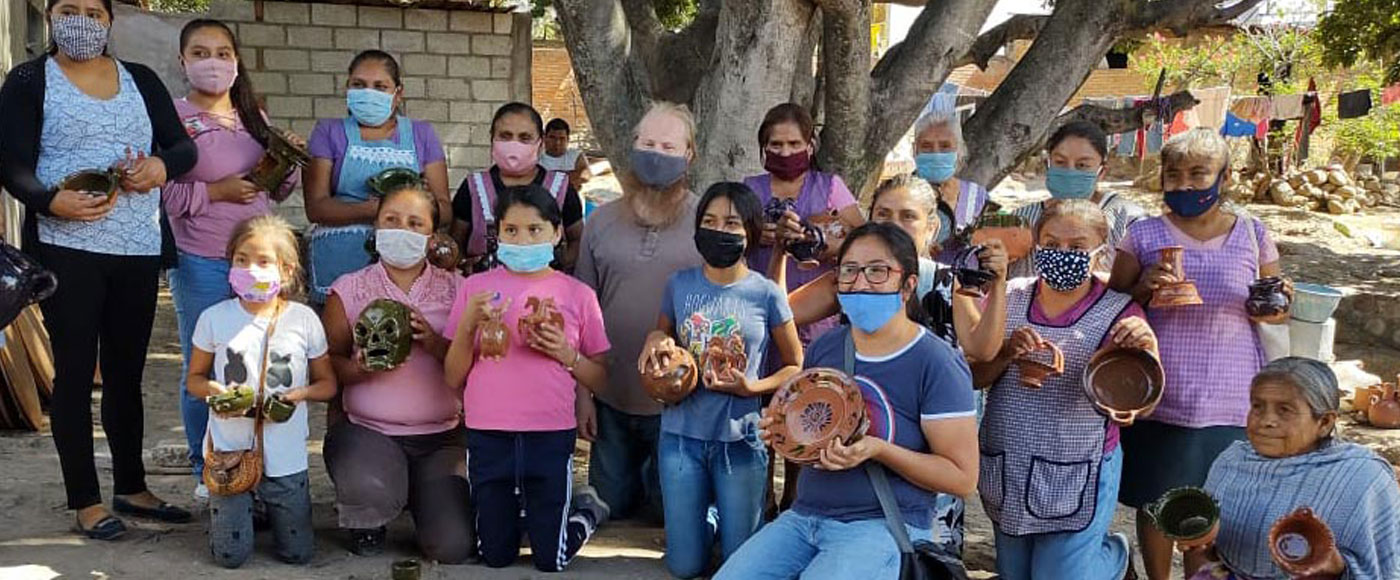
- Mexico: Success Stories from the Circle of Women
- Indonesia: Meet Our All-Female Team of Pollution Investigators
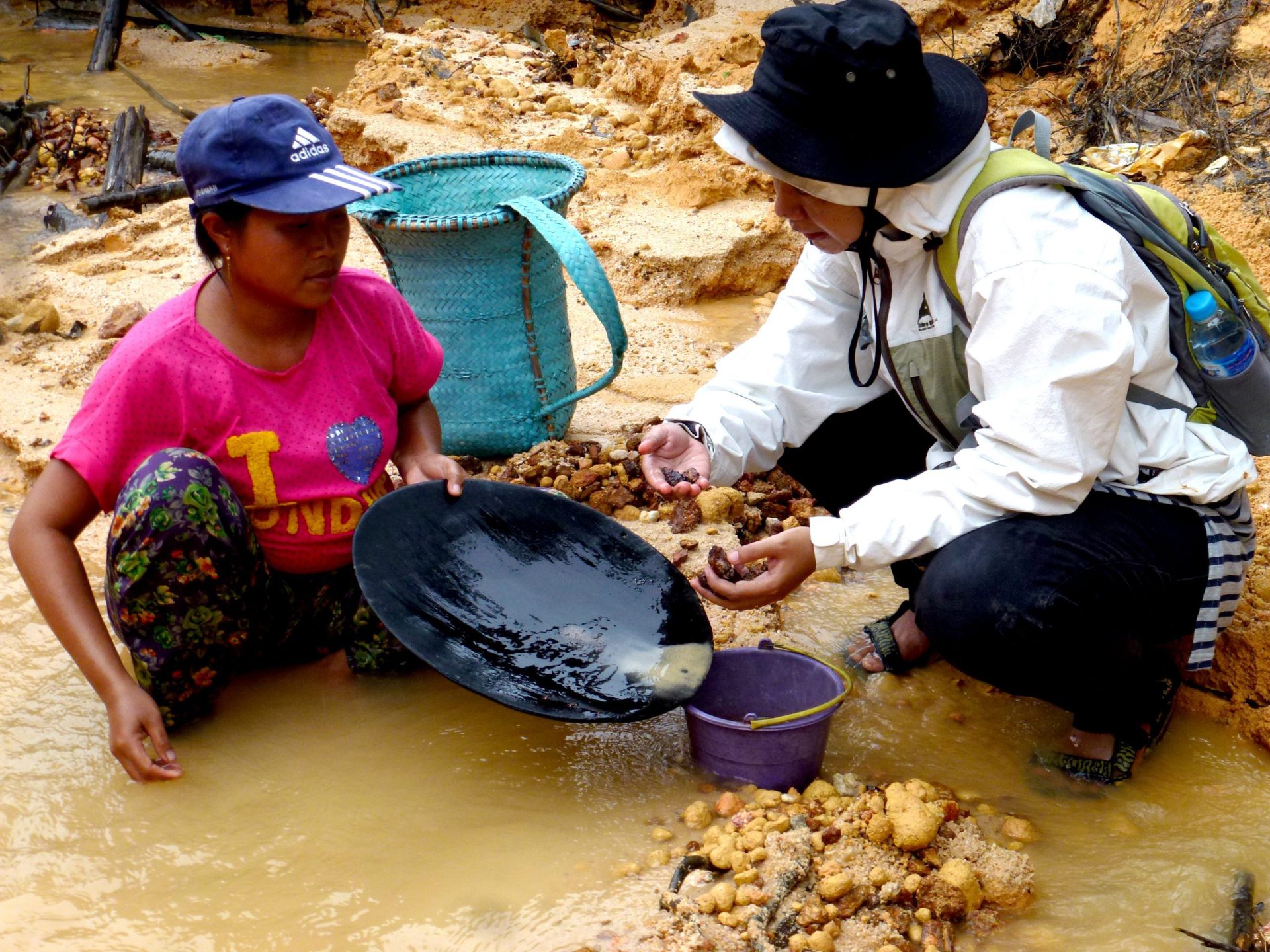
- Empowering Women Gold Miners in Indonesia
Research
- Heightened susceptibility: A review of how pregnancy and chemical exposures influence maternal health, Varshavksy et al. Reproductive Toxicology, March 2020
- Global estimated pollution-attributable deaths (millions) by type of pollution and sex, The Lancet Planetary Health, 2019
- Exposure to persistent organic pollutants: impact on women’s health, Banrida Wahlang. Reviews on Environmental Health, August 2018
- Mercury Pollution and Artisanal Gold Mining in Alto Cauca, Colombia: Woman’s Perception of Health and Environmental Impacts, Vélez-Torres et al. The Journal of Environment and Development, September 2018
- Women, Health and the Environment, Bonnie Kettel. Women, Medicine, Ethics and the Law, 2017
- Mercury Exposure in pregnancy: a review, Solan et al. Journal of Perinatal Medicine, November 2014
- How Environmental Toxins Harm Women’s Reproductive Health, Cari Nierenberg. LiveScience, September 2013
- Heavy metals (lead, cadmium and mercury) in maternal, cord blood and placenta of healthy women, Al-Saleh et al. International Journal of Hygiene and Environmental Health, March 2011
- Maternal Low-Level Lead Exposure and Fetal Growth, Zhu et al. Environmental Health Perspectives, June 2010
- Fetal Lead Exposure at Each Stage of Pregnancy as a Predictor of Infant Mental Development, Hu et al. Environmental Health Perspectives, November 2006
- Are Women More Vulnerable to Environmental Pollution?, Maureen Butter. Journal of Human Ecology, November 2006
Pure Earth’s Force of Nature Awards: Highlighting Female Leaders Advocating for Environmental Health
On International Women’s Day and everyday, Pure Earth honors female leaders who are pioneering the fight against pollution, and brings awareness to pollution’s impacts on women and maternal health. Pure Earth’s Force of Nature awards recognize the strength and achievements of our honorees as well as countless women the world over working every day to solve pollution, protect their families and communities, and advocate on behalf of the most vulnerable.
Women's Environmental Health Webinars and Events

Toxic Exposures and Women’s Health: Emerging Research and Global Solutions
March 13, 2025
In honor of International Women’s Day 2025, join us for an enlightening webinar on the critical issue of pollution’s impact on women’s health. Leading researchers from Columbia University, Universidad Iberoamericana, and the Clean Label Project will present new data on the impacts of heavy metal exposure on pregnant and breastfeeding women.
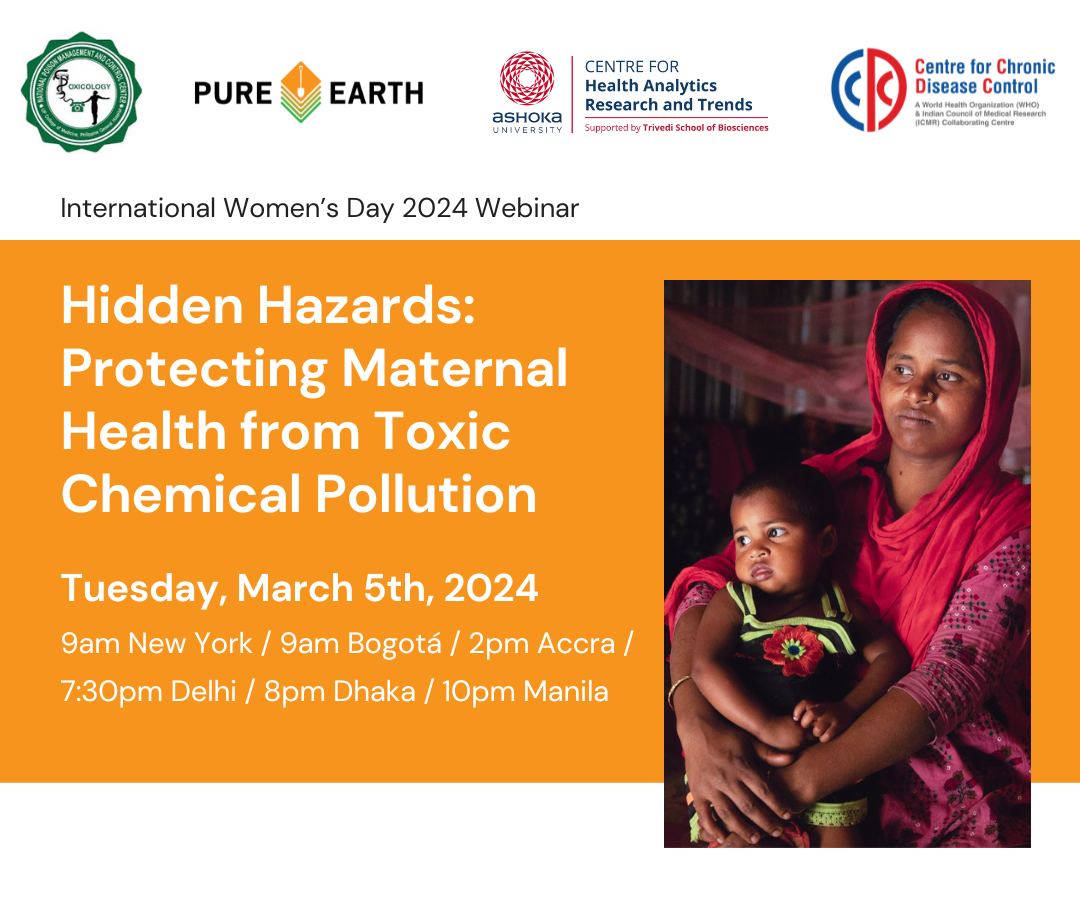
Hidden Hazards: Protecting Maternal Health from Toxic Chemical Pollution
March 5, 2024
In celebration of International Women’s Day 2024, join us for an insightful panel discussion that delves into the intersection of heavy metal pollution and maternal health in low- and middle-income countries followed by an audience Q&A.
Watch a recording of the event here.