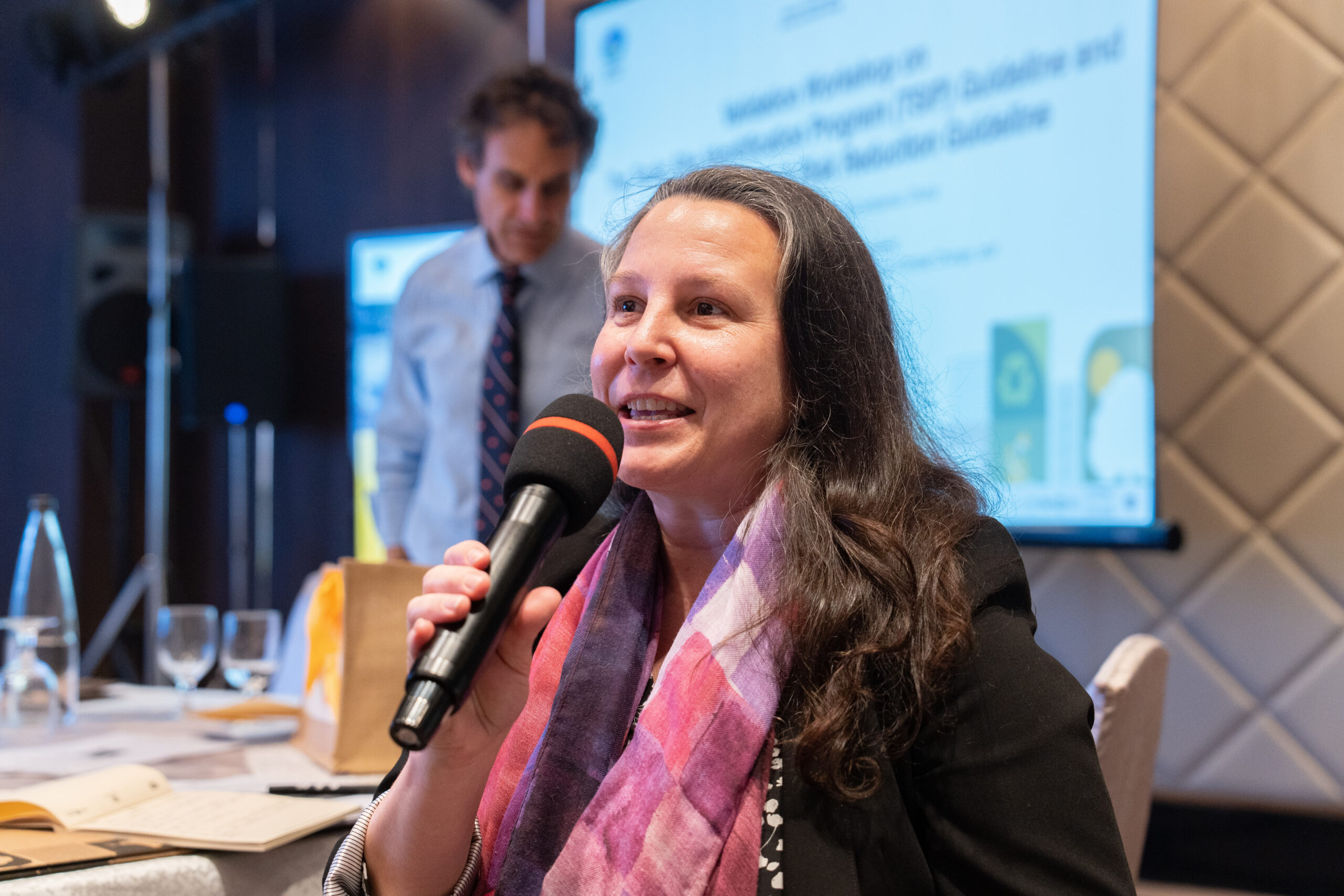
Fariha glows with joy as she receives the Lead Champion Award from Pure Earth Bangladesh. The recognition marks more than just personal courage—it represents a real turning point in Bangladesh’s fight against one of its most pressing environmental crises. Her sister attends Lakkhankhola Hafizia Qawmi Madrasha in Narayanganj, where over 1,000 students faced daily exposure to lead oxide fumes from an adjacent informal battery recycling factory. Until recently, the toxic fumes burned students’ noses and mouths, caused breathing difficulties, and triggered coughing severe enough to induce vomiting.
When Fariha documented these conditions and contacted Pure Earth Bangladesh, she initiated a chain of actions—joined by school students, parents, community members, and the Head Teacher—that ultimately led to closing the factory and protecting her sister’s entire school community. Her success reflects a broader transformation across Bangladesh, where young people are driving progress against lead poisoning through strategic activism that helps catalyze government attention and measurable health improvements.

A Silent Epidemic Meets a Growing Youth Movement
The numbers behind Fariha’s activism reveal both the urgency of Bangladesh’s lead crisis and the potential impact of the youth movement helping to raise its salience in local and national conversations. Research shows that ~36 million children—around 60 percent of all children in Bangladesh—have lead exposure levels that exceed international safety standards. This quiet epidemic is estimated to cost the country 6-9% of its GDP annually, with economic losses estimated at $28.6 billion as lead poisoning causes irreversible brain damage, long-term cardiovascular problems, kidney damage, stunted growth, lifelong learning disabilities, and more.
Bangladesh’s electric vehicle revolution created an unintended consequence. The country now has over 4 million EZ-bikes and e-rickshaws serving 112 million people daily, creating unprecedented demand for lead-acid batteries. An estimated 80% of battery recycling occurs through informal facilities lacking basic safety and environmental controls, where workers break down batteries and melt lead in open air, spreading toxic fumes across entire communities and contaminating the soil, air, and water sources.
Youth-Led Strategy Emerges
Pure Earth formed a Youth Advocacy Forum to engage young activists in mitigating lead pollution. This forum includes young volunteers from over twenty youth groups, including BYEI, VBD Dhaka District South, YouthNet and many others.
BYEI organized a national youth olympiad across districts reaching more than 500 young people with raising awareness on lead pollution issues.
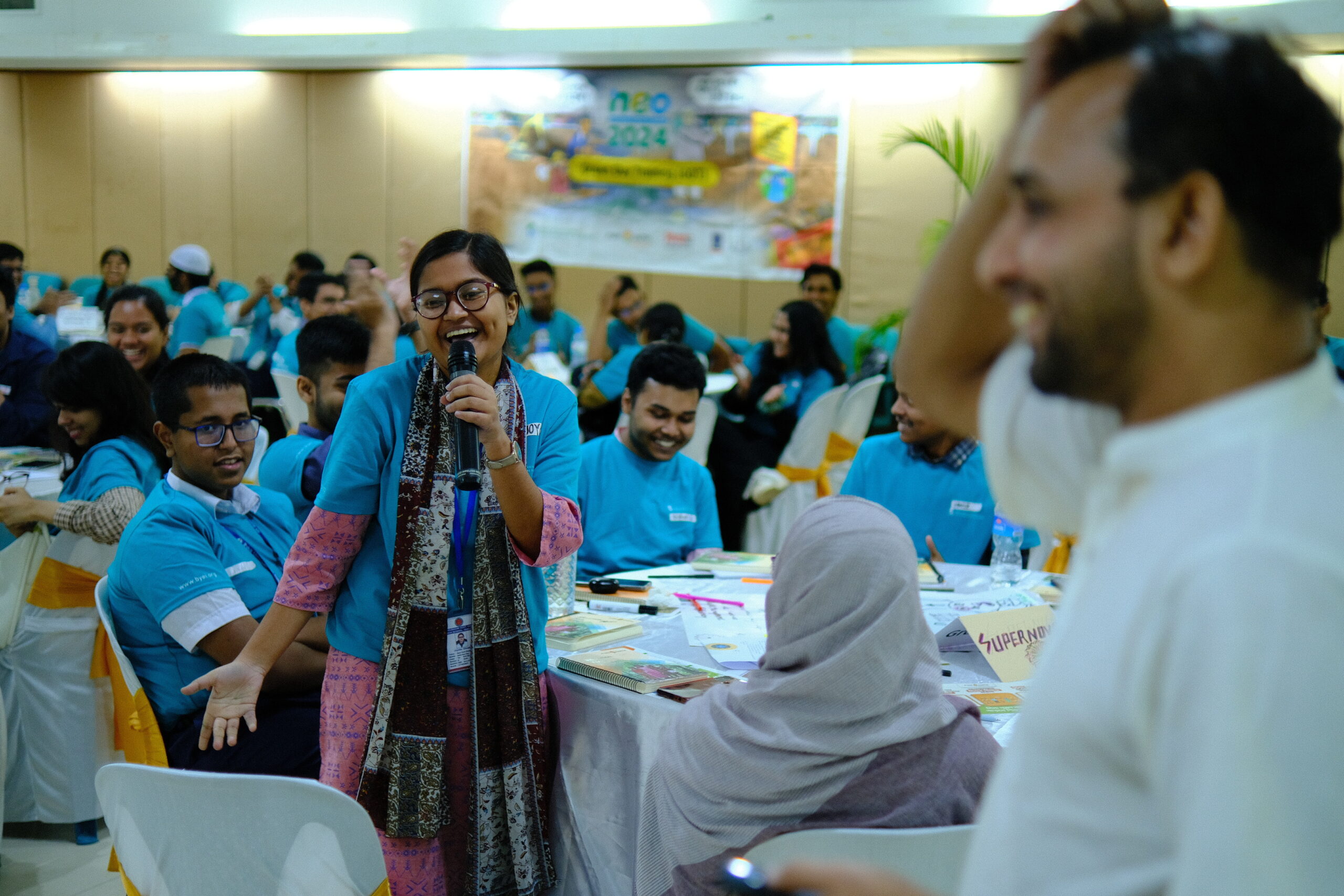
Volunteers for Bangladesh shared their knowledge learned from the lead workshop in the urban slums; distributed leaflets on lead and its impact on children to make the community and children safe.
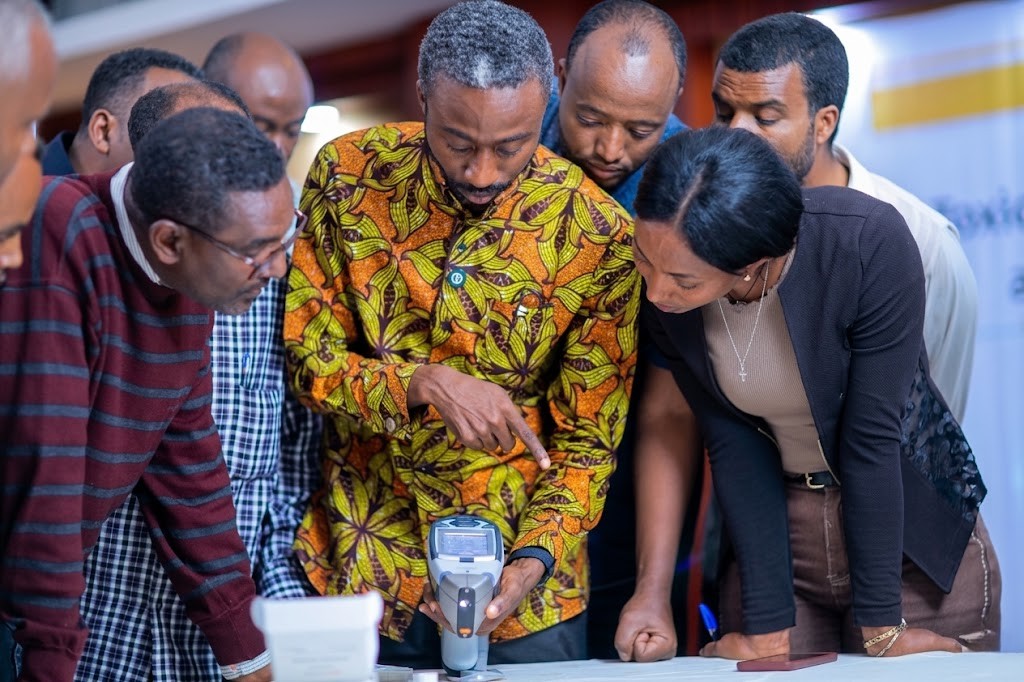
YouthNet Global, a youth-led environmental justice network, partnered with Pure Earth Bangladesh to connect 50 youth leaders from over 20 educational institutions with workshops on understanding impact of lead pollution and its solutions, documentation training, direct government reporting channels, and digital advocacy tools. This approach combines individual courage with institutional support: young people document specific health impacts, Pure Earth provides technical expertise for formal complaints, and coordinated campaigns maintain enforcement pressure.
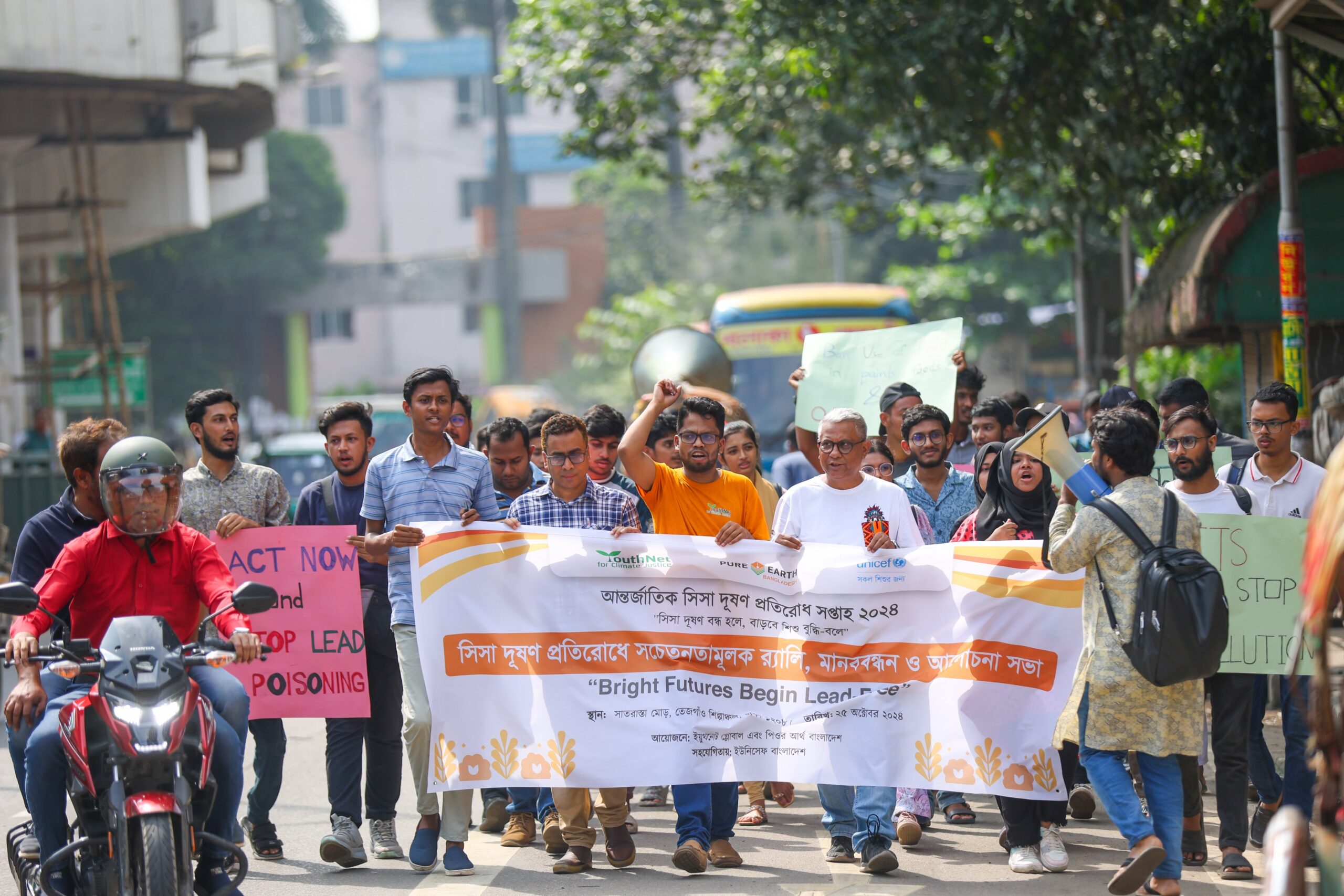
These youth advocates are also engaging local administrations, the Department of Environment, and DGHS to strengthen the efforts.
The strategy works because it creates a sustainable cycle. Grassroots movements provide community-level documentation, Pure Earth offers technical support and government coordination, and enforcement agencies respond with meaningful action that reinforces government mandates.
Measurable Victories Across the Country
The results have been immediate and substantial. Over the past six months, nearly 50 illegal lead smelting factories have been shut down across Dhaka and other regions. When YouthNet Global leaders reported two illegal lead facilities operating in Tangail’s Sal forest, their complaint led to government demolition of both operations within weeks.
One of the movement’s most significant victories came in Fulbaria, Narsingdi, where YouthNet stood with residents fighting a Chinese-owned battery recycling plant. Their collective resistance led to a Supreme Court order permanently closing the facility.
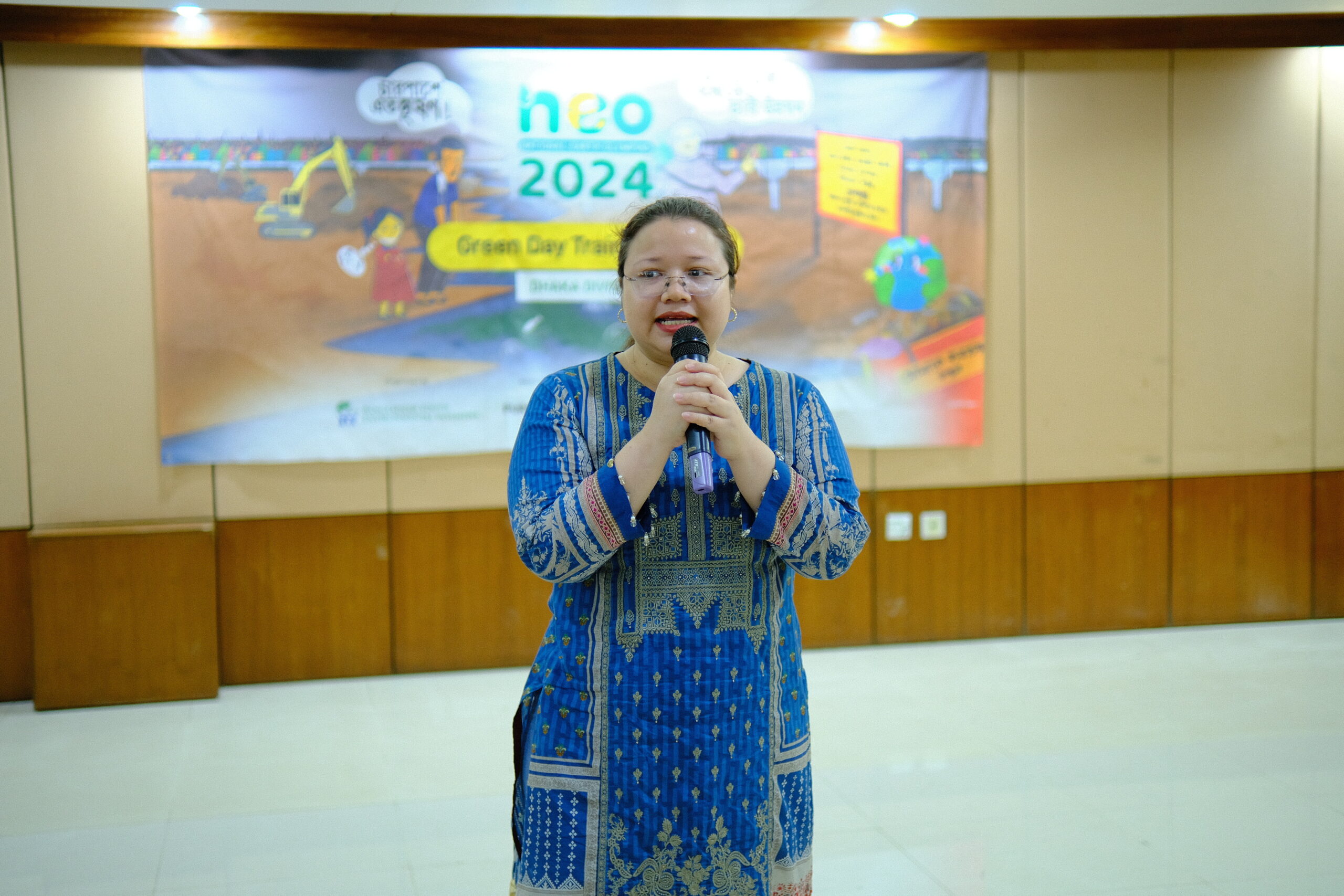
“This is a powerful example of youth activism driving real change,” said Mitali Das, Bangladesh Director for Pure Earth. “The collaboration between young activists, environmental organizations, and government agencies represents a new model for tackling environmental crises in Bangladesh.”
From Grassroots Action to Policy Reform
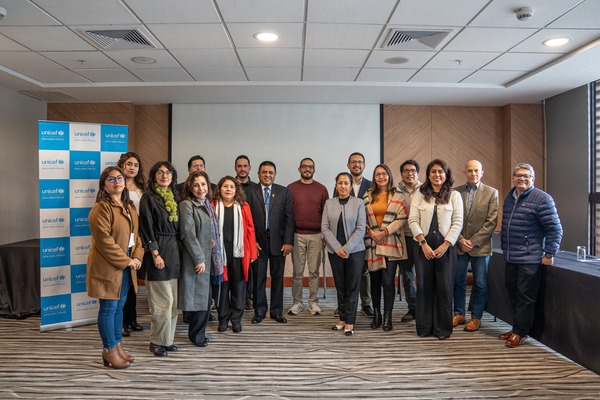
The Ministry of Environment, Forest and Climate Change has approved a comprehensive action plan developed through collaboration between youth advocates and Pure Earth Bangladesh. The framework includes systematic documentation training, direct reporting channels, and community mobilization strategies spanning 64 districts with UNICEF support. Through campaigns like #LeadFreeBangladesh and #SolveLeadPollution, the movement harnesses social media and data storytelling to build national awareness while connecting with international resources.
The movement has gained global attention through reporting in over 150 outlets worldwide, amplifying local voices and increasing pressure for sustained action. More importantly, it validates the approach for young people considering environmental activism against seemingly overwhelming challenges.
Expanding the Vision
YouthNet Global’s agenda now includes universal blood lead screening for affected children, stronger regulations for formal battery recycling industries, visa restrictions on foreign nationals engaged in environmental crimes, and legal protection for environmental defenders facing retaliation.
“As we confront the silent threat of lead pollution, we are fighting for the health and future of our children,” declared Rahman at a recent rally in Rangpur. “We young people are demanding a lead-free Bangladesh.”
The impact is already visible in daily life. Students at Lakshankhola Hafeziya Qawmi Madrasa no longer need masks during classes. Children in Tangail can play safely in forests cleared of toxic waste. Each success creates precedent for expanding enforcement while building confidence that strategic advocacy produces tangible results protecting millions of children.
A Model for Global Environmental Justice
Bangladesh’s youth-led movement offers lessons for environmental activism worldwide by demonstrating how communities can tackle overwhelming problems through coordination between grassroots organizing and policy advocacy. The approach succeeds because it combines individual documentation with institutional support, connects local evidence with government enforcement capacity, and maintains sustained pressure through strategic campaigns.
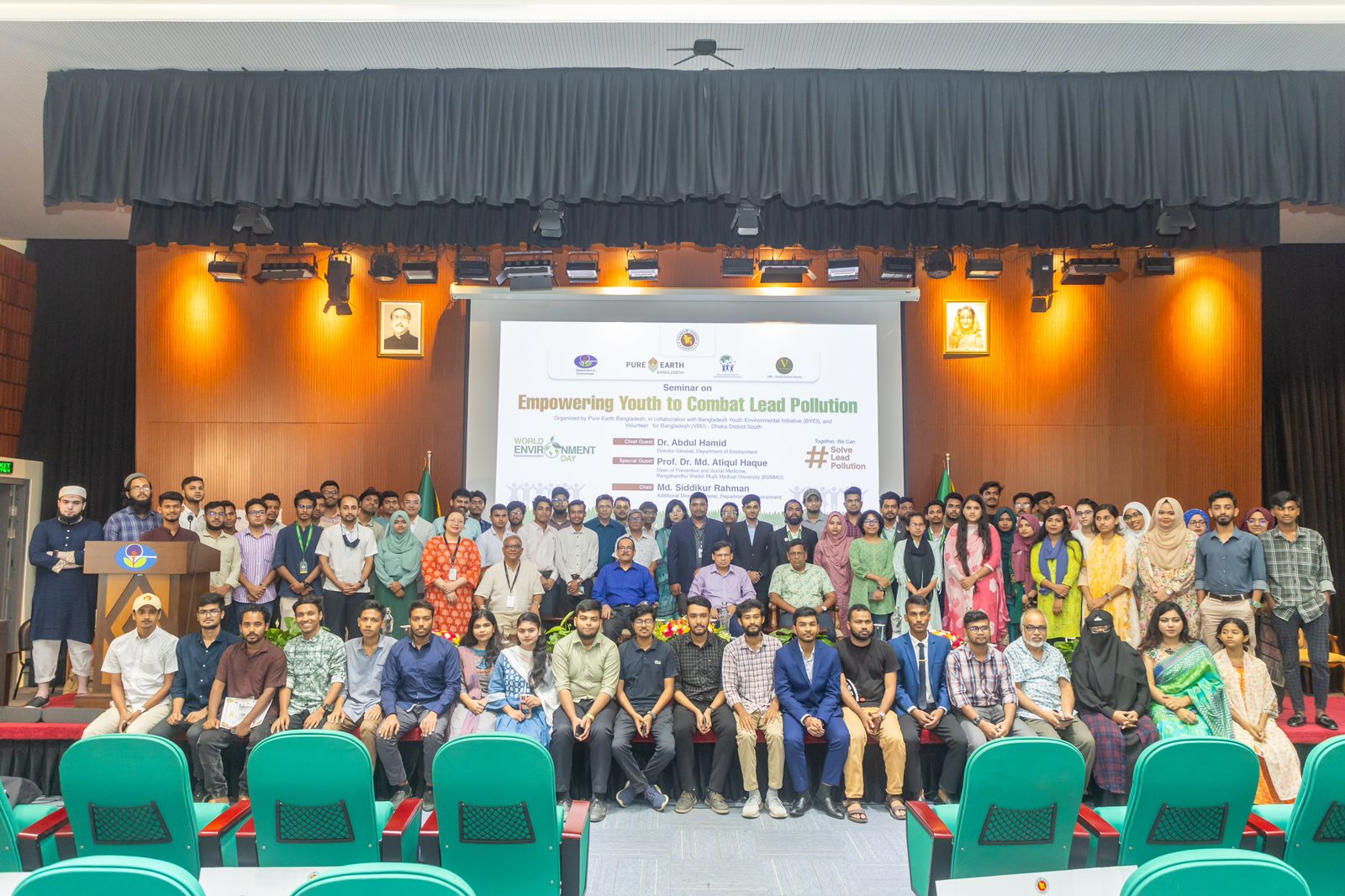
When young people like Fariha document violations, when organizations provide systematic support, and when government agencies respond with enforcement, the result is transformative change that saves lives and protects entire generations. Their success proves that strategic community organizing can overcome even the most entrenched environmental challenges—one factory closure, one policy victory, one protected child at a time.
Learn more about Pure Earth Bangladesh: https://www.pureearth.org/bangladesh/