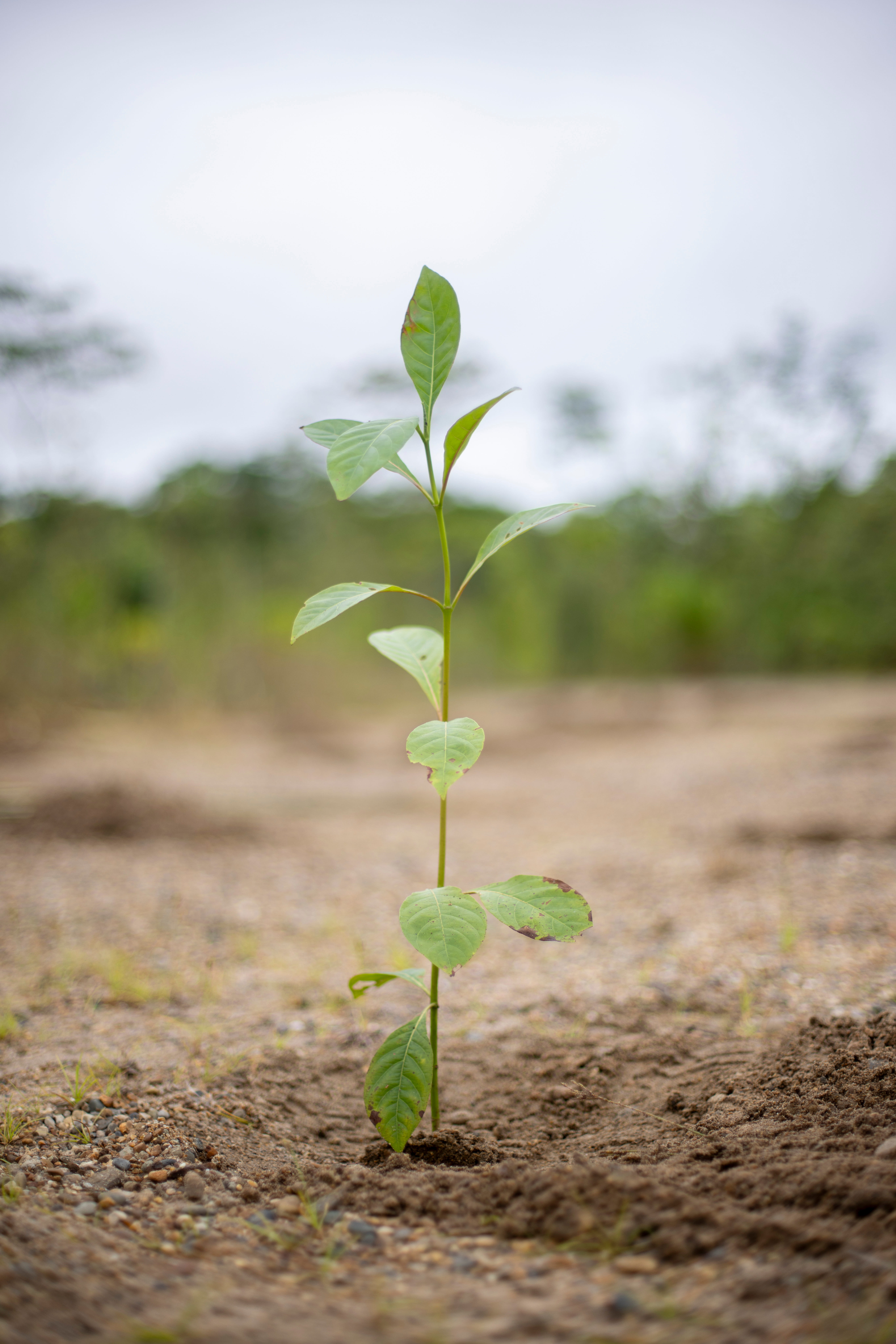
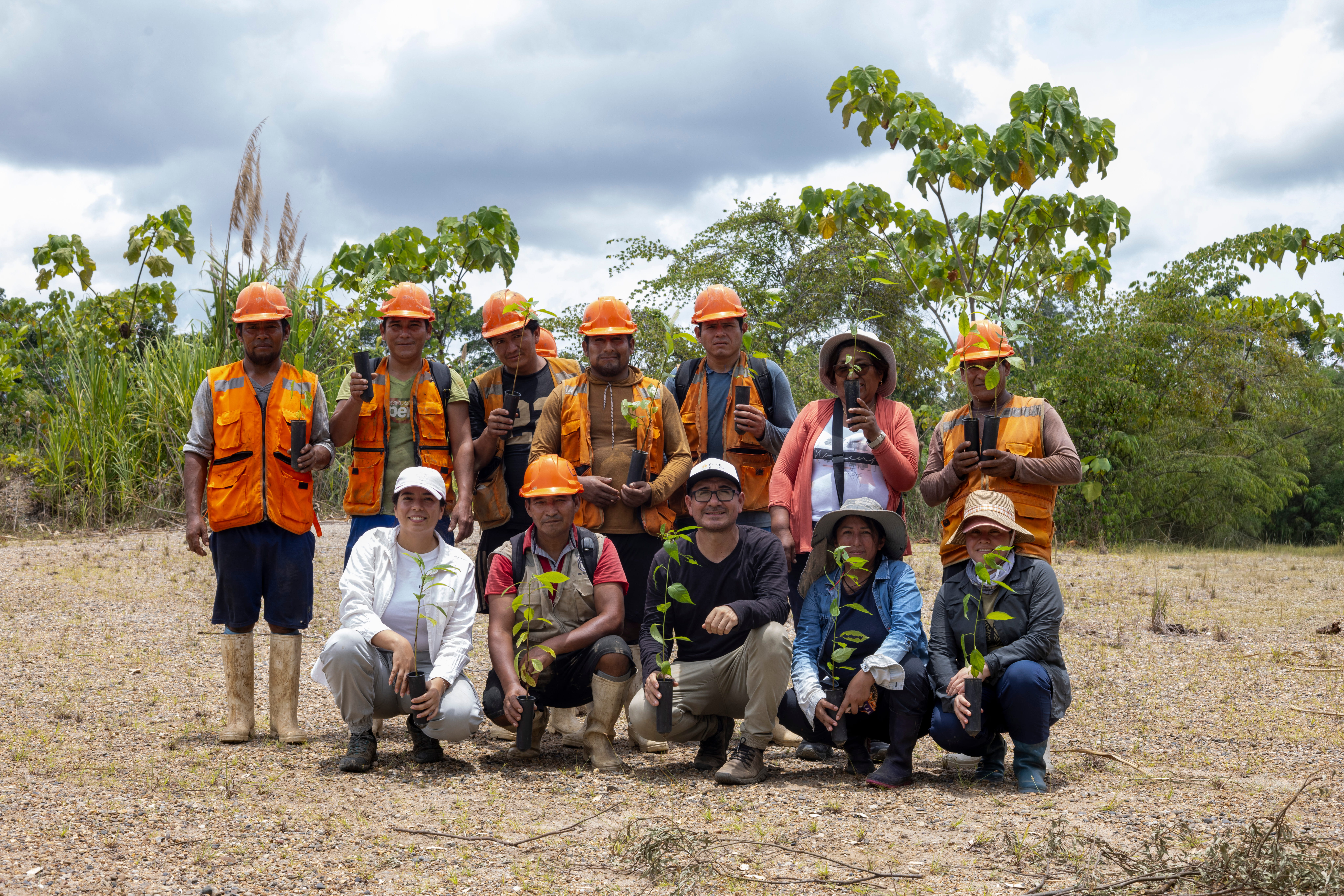
In the Inambari district, the Saltur VI mining concession, led by Ms. Victoria Condori, initiated a reforestation process on one intervened hectare as part of its mine closure efforts and its commitment to responsible and mercury-free mining.
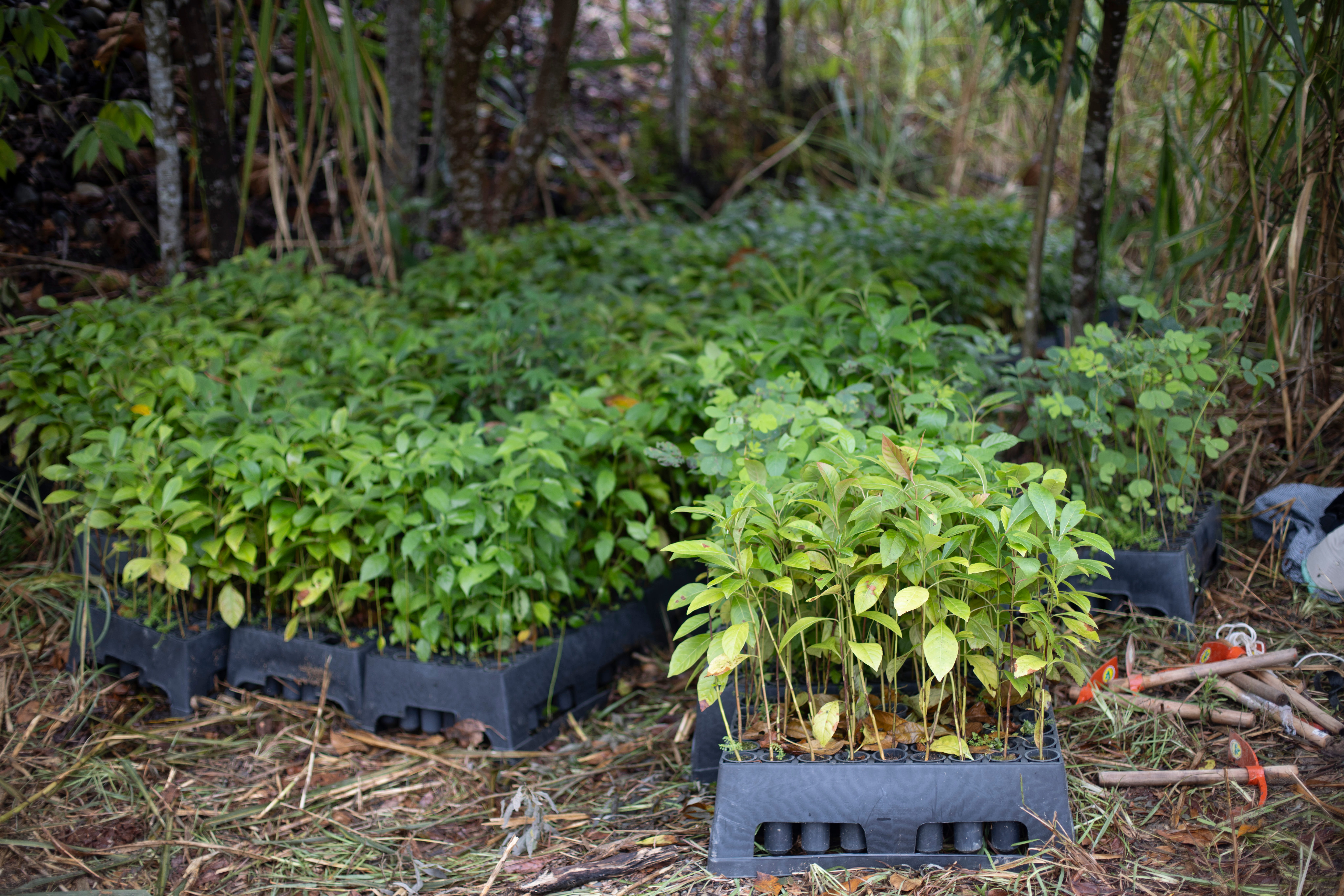
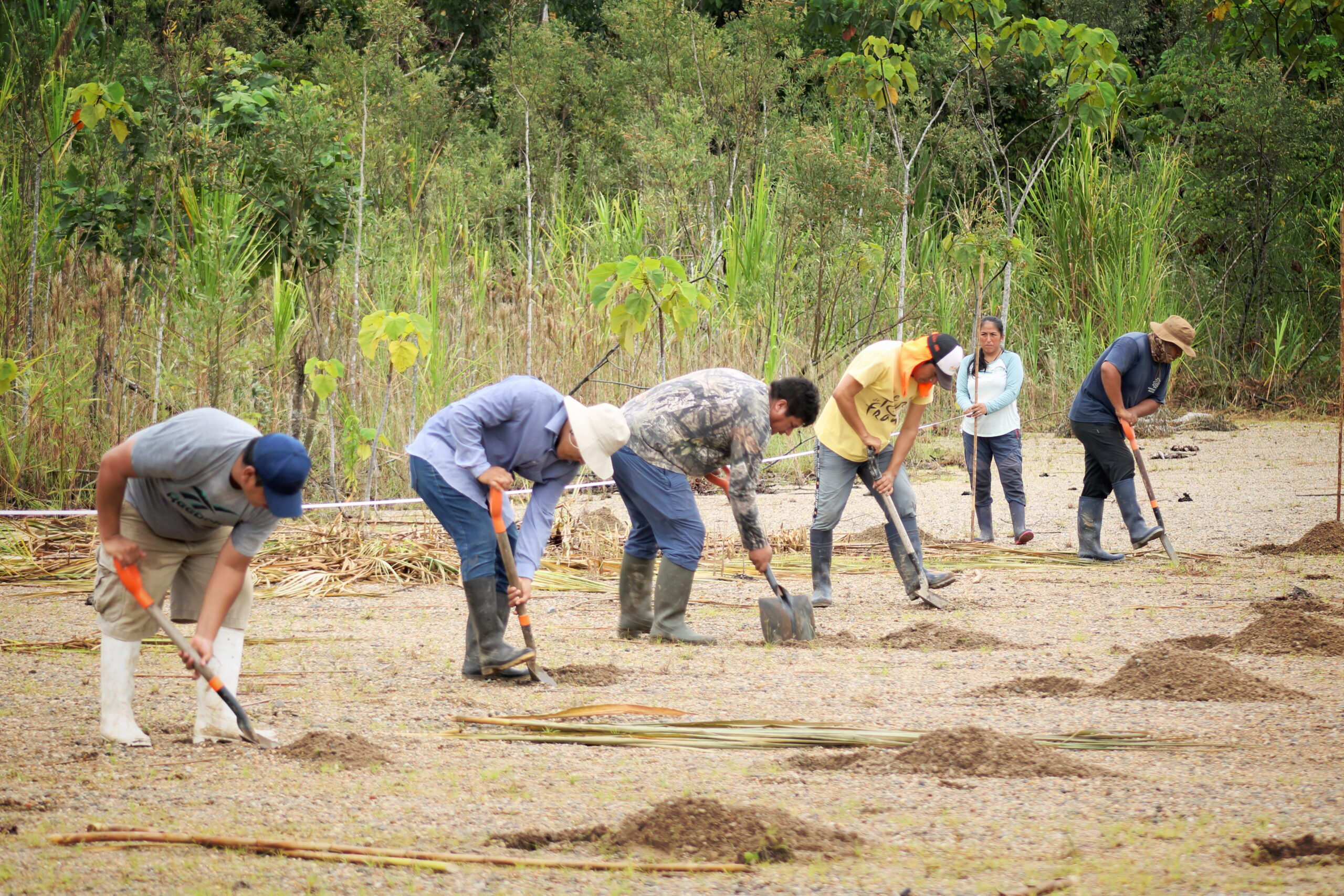
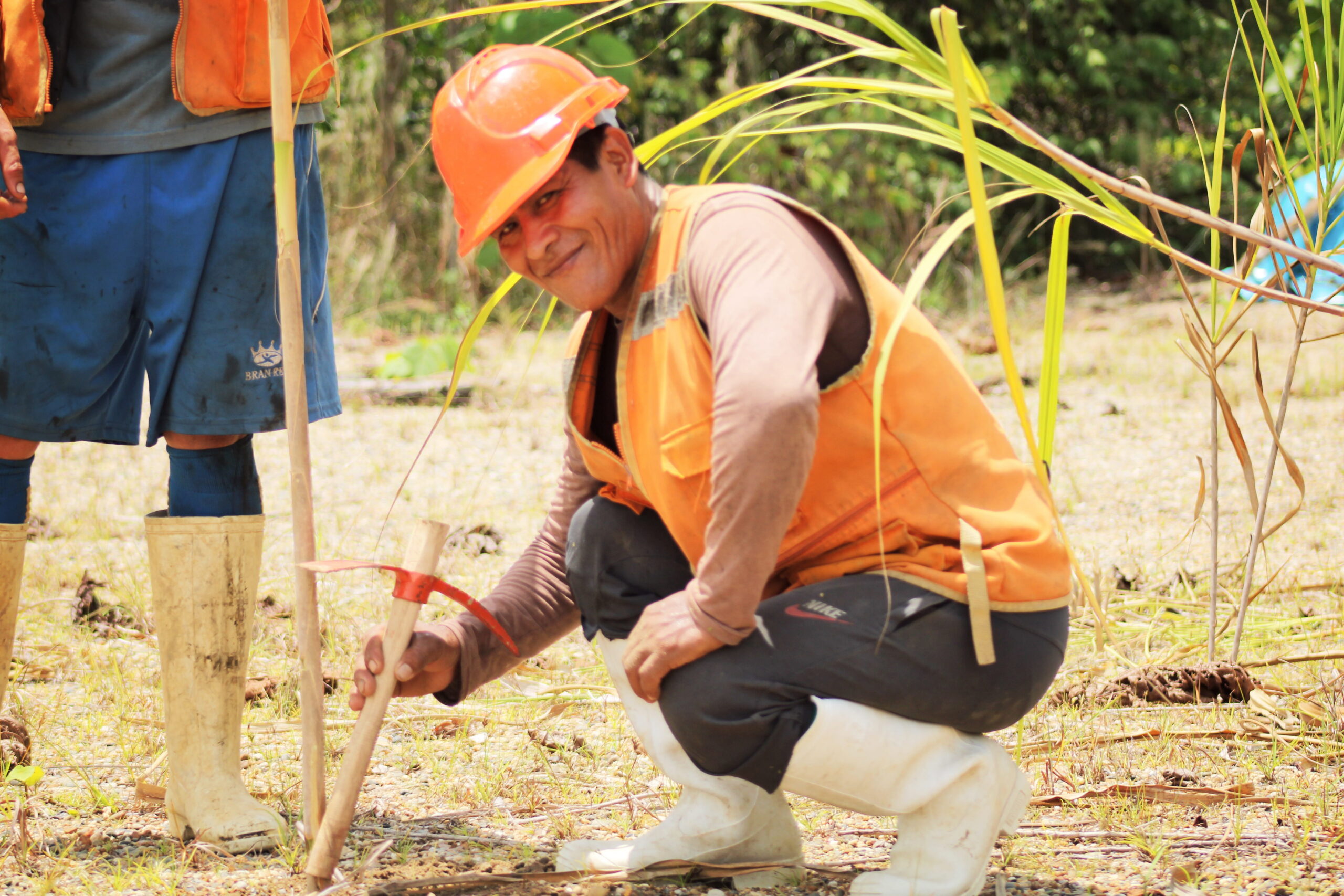
Saltur VI’s activities included the installation of 1,800 plants, technically selected according to soil characteristics and combining fast- and slow-growing species. This action is part of the project “Sustainable Livelihoods, Restored Environments,” funded by the jewelry company Brilliant Earth and implemented by Pure Earth Peru.
Under this project, the hectare reforested in Saltur VI brings the total to fifteen hectares already implemented by miners with the technical support of Pure Earth Peru in the region. In addition, the project will add two more hectares in formal concessions that are part of the Women in ASGM Network (Red de Mujeres MAPE) of Madre de Dios, thereby expanding demonstration sites in the territory.
These pilot reforestations aim to enable the concessions themselves to learn the process and, in the future, implement it autonomously as part of their good practices and mine closure efforts.
A Planned Process
The reforestation in Saltur VI was the result of approximately one year of prior work: soil assessments, seed and plant collection, production of organic fertilizers, among other activities.
The selection of species was carried out based on previous studies conducted by the Amazon Scientific Innovation Center (CINCIA), a strategic partner of Pure Earth Peru, which considered the type of soil and the conditions of the intervened area.
“First, an assessment of landscape conditions is conducted to determine which types of plants will be used for reforestation in each location; it is not a matter of simply going and planting any species,” explained Kathia Galindo, a member of the technical team in charge of the reforestation.
The process includes fast-growing species that provide shade and initial protection, allowing slow-growing species to develop under better conditions. In addition, fruit-bearing species are incorporated to provide food for local fauna.
Biochar was also used—a key amendment to improve the quality of impacted soils—along with leguminous cover crops that help fix nitrogen, prevent erosion, and generate biomass.
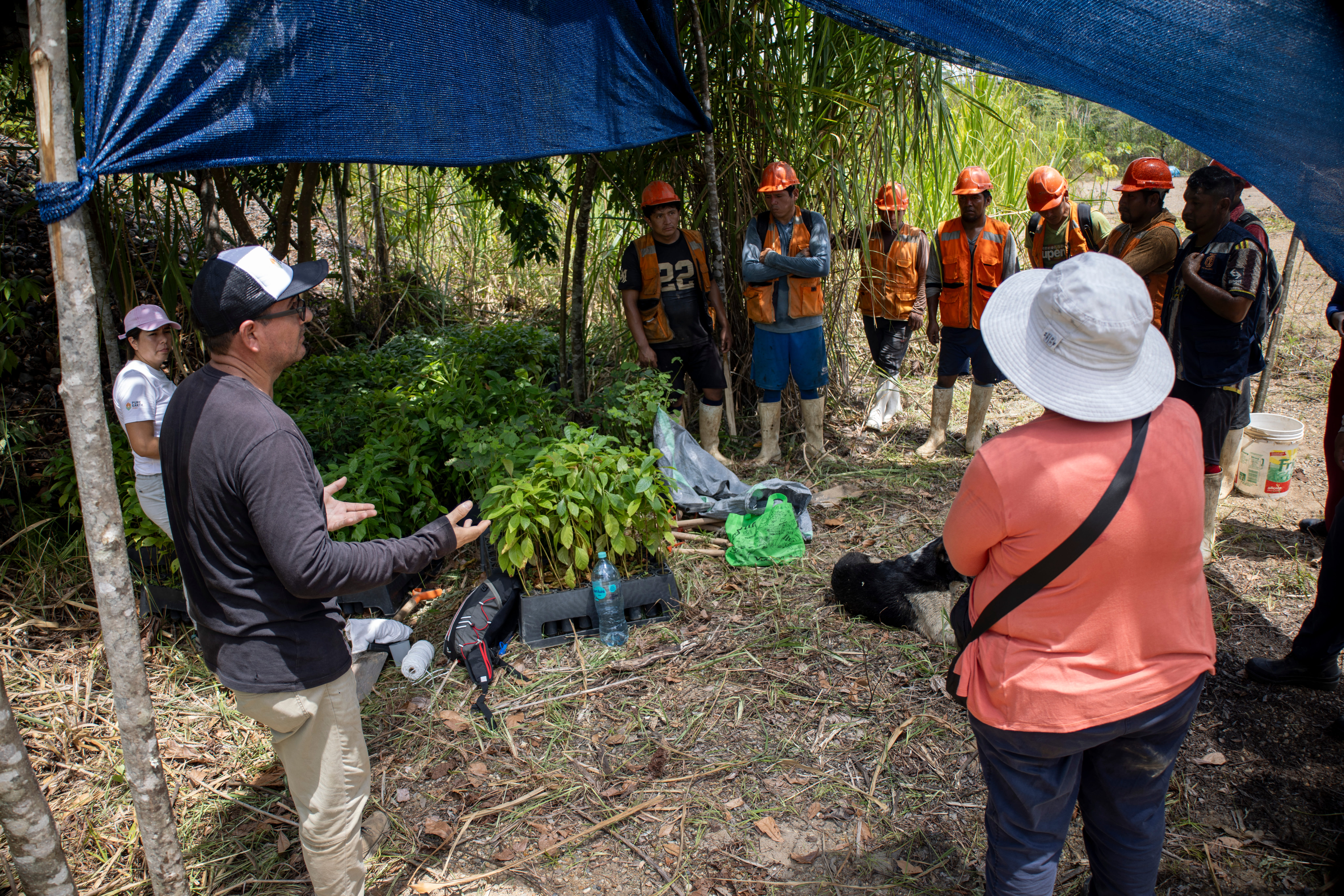
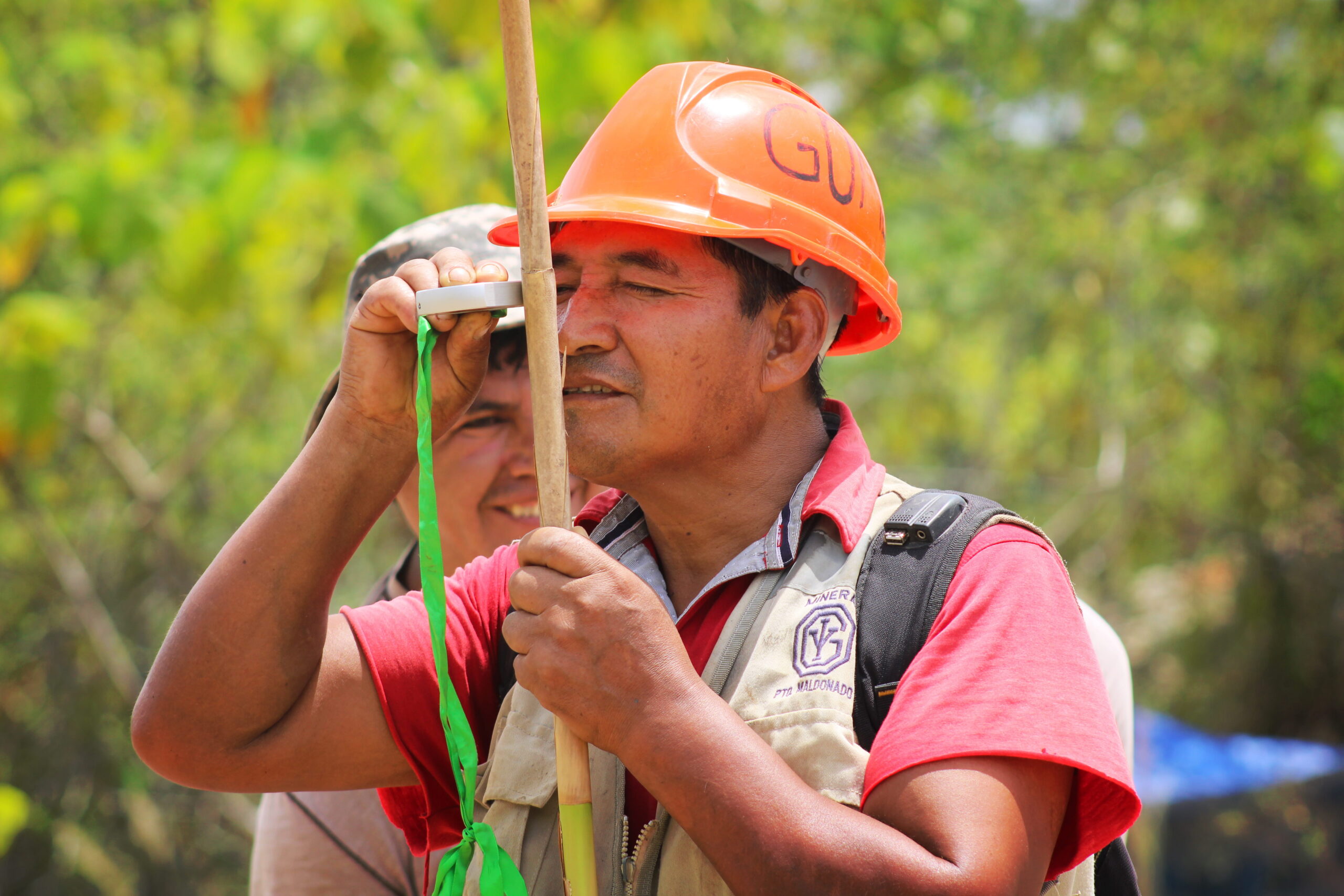
Prior to the start of planting, the technical team from Pure Earth Peru provided training to the concession’s workers on mine closure and reforestation, aimed at strengthening their knowledge about the importance of mine closure, as well as planning, land preparation, species selection, and maintenance, so that they can progressively incorporate these actions into their mining management practices.
Now that the plantation has been established, Pure Earth Peru will continue supporting the concession holder through periodic technical monitoring visits aimed at evaluating plant growth, reinforcing capacities, and ensuring the continuity of the process over time.
Importance of Reforestation
One of the first impacts of reforestation can be observed in the soil. “We applied an enriched substrate to provide nutrients for the future plantation; the next change is in ground cover, moving from bare soil to a planted area,” noted Sofía López, Project Assistant for Pure Earth Peru in Madre de Dios.
In areas impacted by mining activity—known as “patches”—tree planting also contributes to creating corridors that facilitate wildlife movement.
“There are many open spaces that need to be filled with plants so that wildlife left isolated can move across. This is like a bridge connecting to another forest”, explained Mael Apaza, who oversees field implementation. According to him, species such as monkeys depend on tree cover to move and maintain the genetic diversity of their populations.
In addition to contributing to landscape and biodiversity recovery, reforestation could also play a relevant role in the environmental dynamics of mercury.
On this matter, France Cabanillas, Regional Coordinator of Pure Earth Peru in Madre de Dios, explains: “Scientific studies have shown that Amazonian forests can capture atmospheric mercury in the tree canopy and fix it in the soil, reducing its dispersion in the environment. While there are still no specific studies on the direct impact of reforestation in mining areas, this evidence suggests that forests could play an important role in preventing the spread of this contaminant.”

Responsible Mining: Technical Support and Local Commitment
“In Madre de Dios, there is responsible mining that wants to do things right, that wants to stop using mercury and reforest. What needs to be done is to provide technical support and make known that these good practices exist”, stated France Cabanillas.
For Ms. Victoria Condori, this process represents learning and a long-term investment. “For me, this is a beginning. My plan is to continue. I won’t be able to restore it 100% to how I found it, but nature is wonderful, and if I help it, it will be better—not for me, but for those who come after us,” she affirmed.
The concession’s workers also highlight the value of the initiative. “Reforestation is very important because in a few years we will see this green, and it will greatly benefit all of us who live here,” commented Asencio Gómez, a worker at Saltur VI. His colleague, Abelino Quispe, added: “Without trees there is no life. In other regions they are already doing a lot of reforestation; we want to follow that path.”
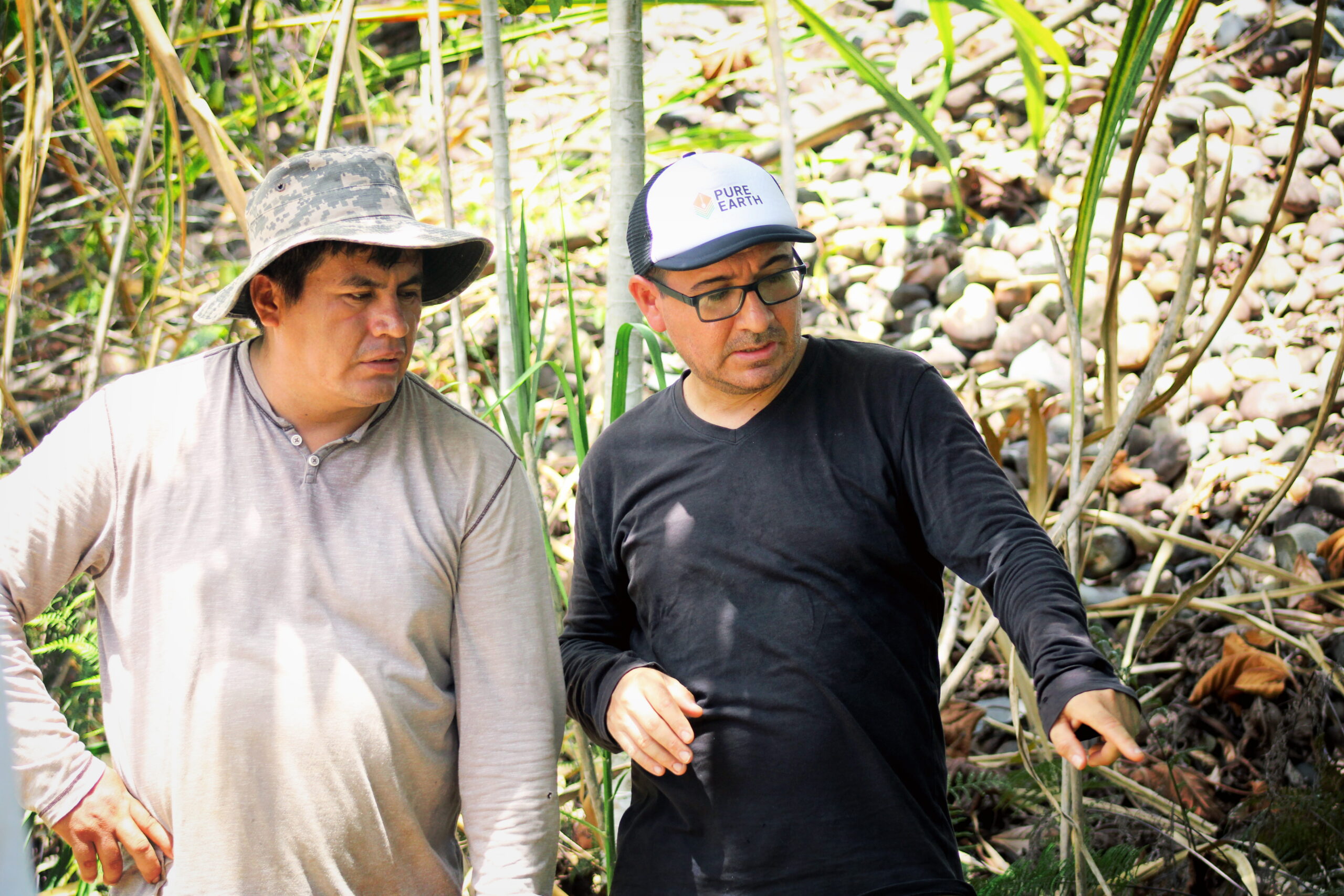
In a context where mining activity is central to the regional economy, these pilot experiences seek to demonstrate that it is possible to reconcile formal production, reduced mercury use, and progressive improvements in intervened areas.
The experience at Saltur VI marks another step within a broader process that Pure Earth Peru has been promoting in Madre de Dios to consolidate replicable models of responsible mining in the Peruvian Amazon.