Lara Crampe, Program Director for Asia, visited Bangladesh from 23–29 January 2026 for an intensive eight-day mission focused on advancing Pure Earth’s lead pollution prevention and remediation initiatives in the country.
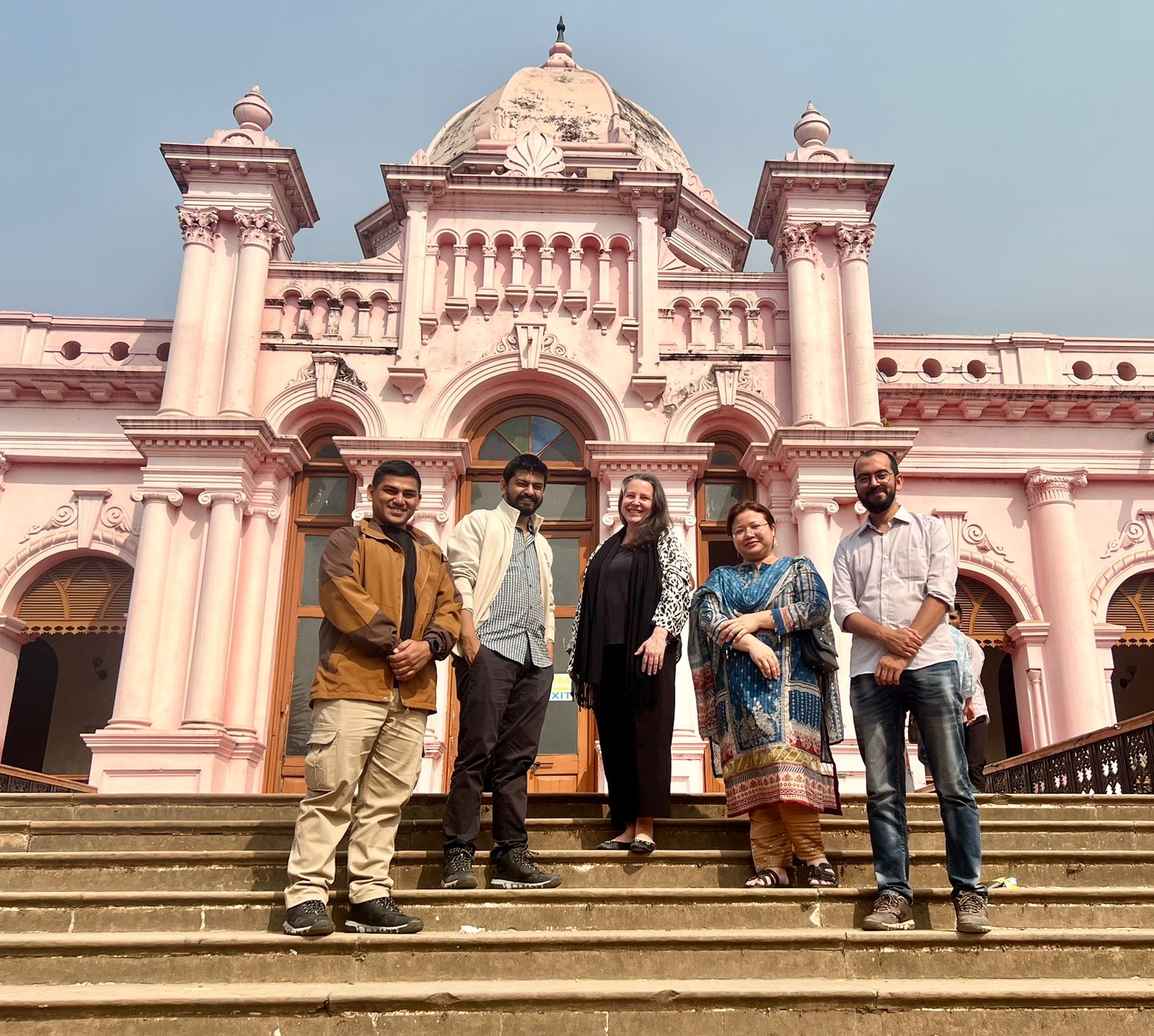
During her visit, Lara engaged in a series of high-level meetings, technical briefings, and stakeholder consultations to review ongoing project activities and discuss strategic priorities for the coming phases of work. The mission provided an opportunity to strengthen coordination with government counterparts, reinforce partnerships, and align future interventions with national priorities on lead pollution management. It also provided a valuable opportunity for the Pure Earth Bangladesh team to work closely with Lara and benefit from her guidance and input, especially as the team continues to grow and strengthen its efforts. We also went sightseeing, which helped us experience Bangladesh’s rich culture and heritage and learn more about the people and surroundings. Accompanied by the Pure Earth Bangladesh team, including Country Director Mitali Das, Program Manager Aftab Uz Zaman Khan, and Communications Manager Soadekin Rishan, Lara met with representatives from relevant government agencies, partner organizations, and key stakeholders. Discussions focused on progress under current initiatives, implementation challenges, and pathways to scale up evidence-based solutions to address lead contamination in Bangladesh. A further priority of the mission was to explore pathways for broader collaboration with key stakeholders, thereby reinforcing a coordinated, systems-driven approach to lead pollution prevention in Bangladesh.
Attending the Validation Workshop on the (TSIP) Guideline and Lead Remediation & Risk Reduction Guideline
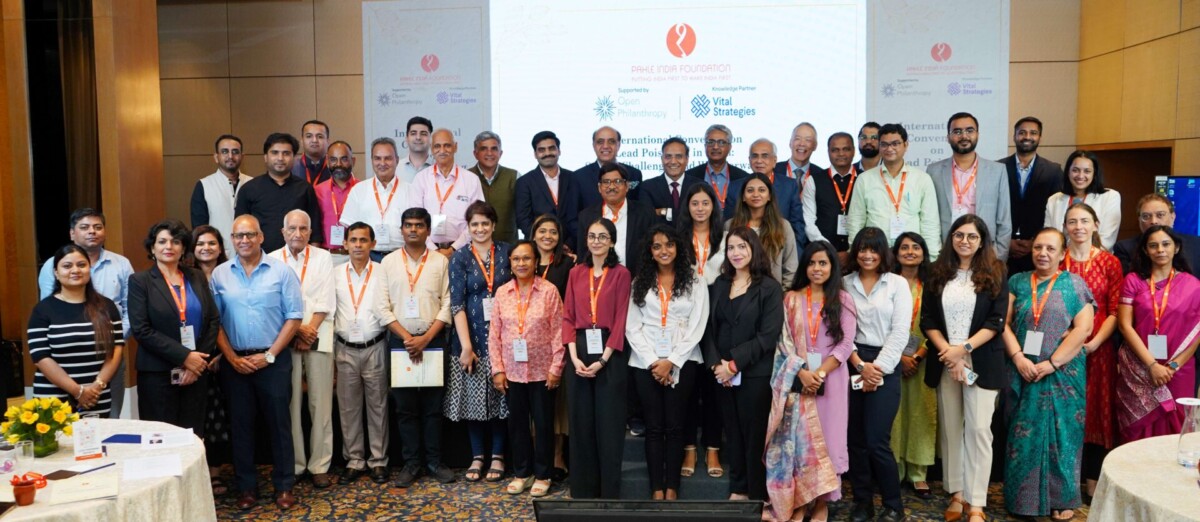
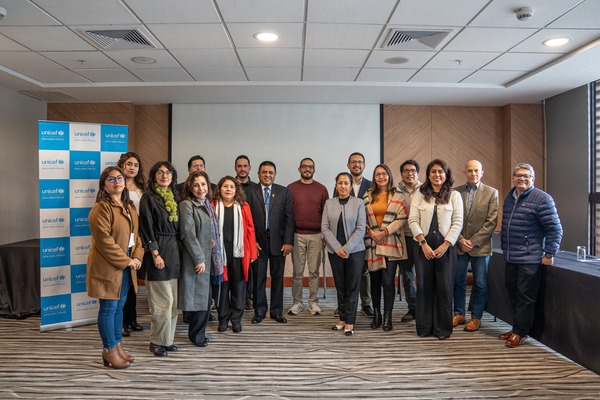
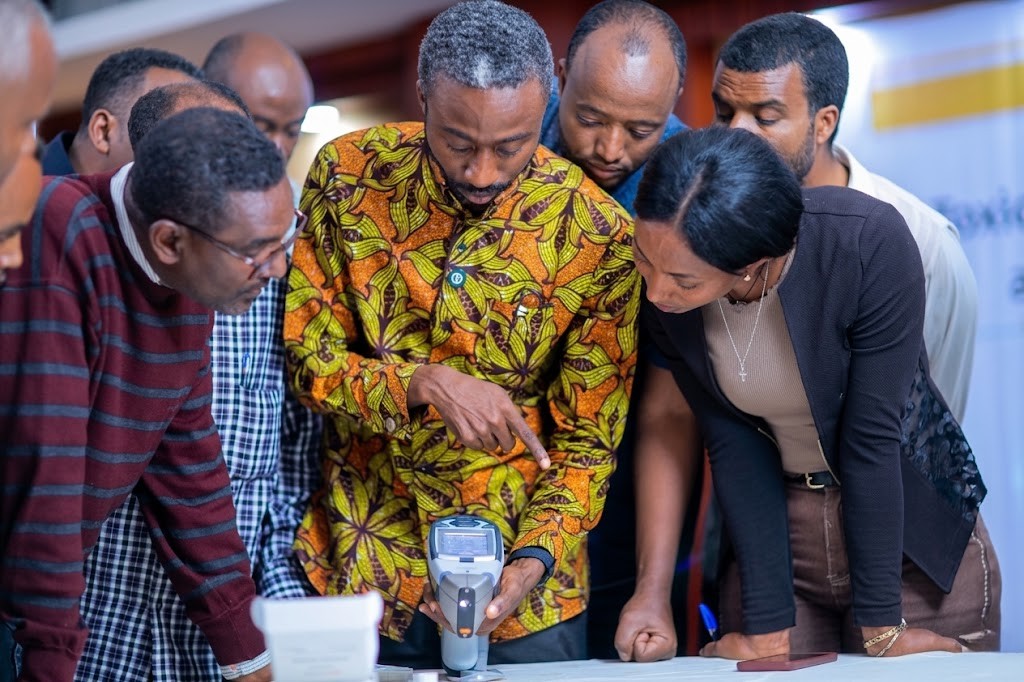
One of the key purposes that Lara’s trip was designed to accomplish was her valuable presence at the Validation Workshop on (TSIP) Guideline and Lead Remediation & Risk Reduction Guideline, a high-level session chaired by the senior-most official from the MoEFCC and attended by relevant DoE officials alongside representatives from media, academia, and Pure Earth Bangladesh’s longstanding partners like UNICEF, ESDO, and icddr,b, as well as Accumulator Battery Manufacturers & Exporters Association of Bangladesh (ABMEAB). Lara attended the workshop as a special guest at the last turning point before the two national guidelines were officially adopted and institutionalized to dictate how the country identifies, prioritizes, and remediates lead-contaminated sites in the coming days.

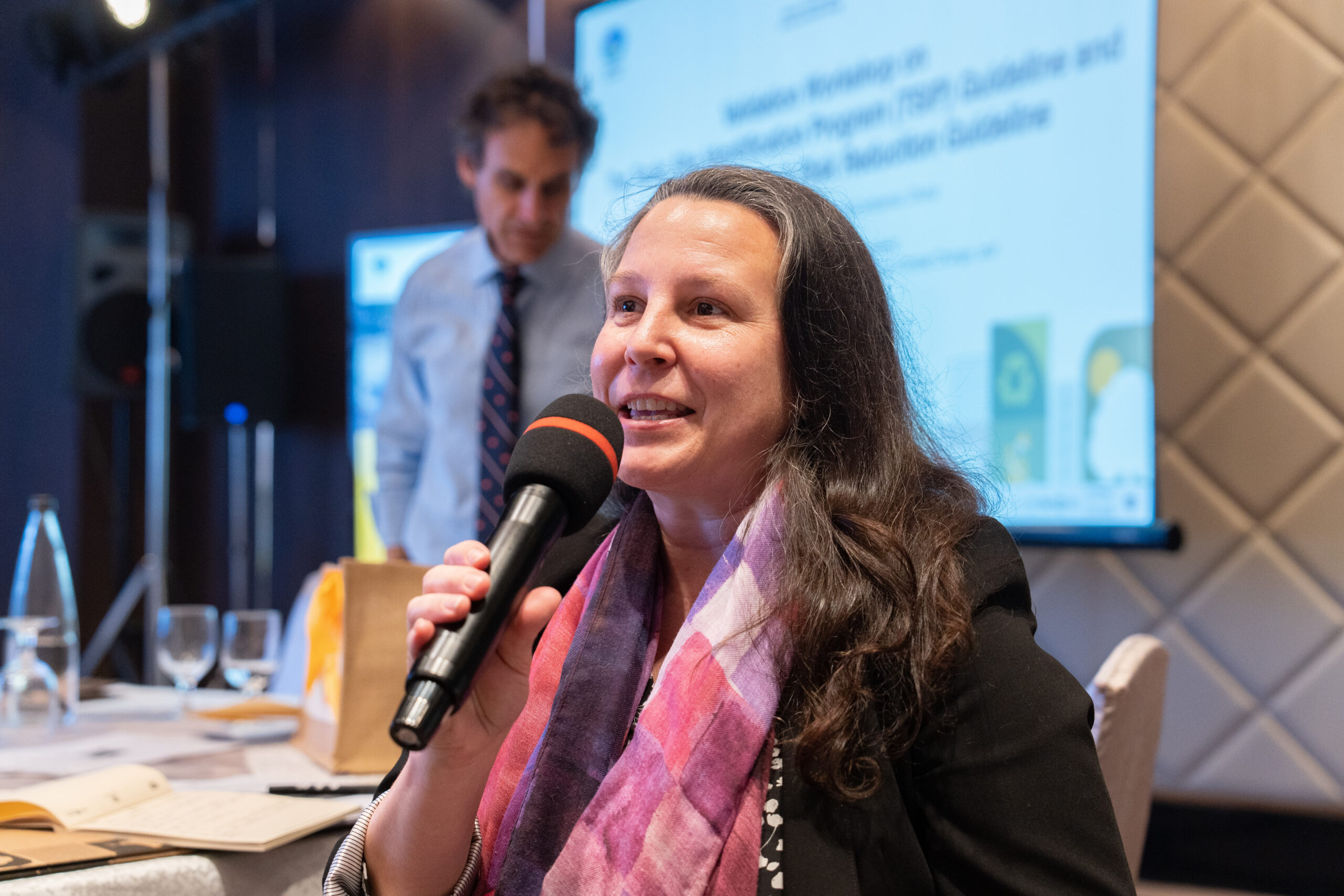
“Bangladesh has demonstrated leadership in addressing lead pollution through high-level commitment, site remediations, the Strategy for Lead-Free Bangladesh, and strong partnerships with local and global stakeholders. I am here today to congratulate the government for protecting children from lead exposure and to reaffirm Pure Earth’s commitment to support these efforts with equipment, systems, and technical assistance tailored to your needs.”
Lara shared at the session, citing the importance of sustained capacity building and institutional ownership in addressing lead contamination at scale.
Meeting with the New Incumbent ADG of DoE at the Third PSC Meeting
Following the successful Validation Workshop, Lara joined the Pure Earth Bangladesh team at the third meeting of the Project Steering Committee (PSC) of the FFEM-supported project. The meeting was chaired by the Additional Director General of the Department of Environment (DoE) and attended by senior officials representing relevant technical wings of the Department. Ms. Diane Ménard, Project Manager from the FFEM Secretariat, also participated in the session.
During the meeting, Pure Earth presented progress updates on key decisions from the second PSC meeting and outlined the proposed 2026 Activity Plan. Discussions focused on several strategic priorities, including: Development of national soil standards for lead; technical assistance to support the introduction of an Extended Producer Responsibility (EPR) framework for used lead-acid batteries (ULAB); Integration of the Toxic Sites Identification Program (TSIP) database portal into the DoE’s official website, training of trainers (ToT) program on the two newly validated national guidelines; and continued community awareness and strategic communication initiatives to sustain public and stakeholder engagement. During the session, Lara addressed the committee,
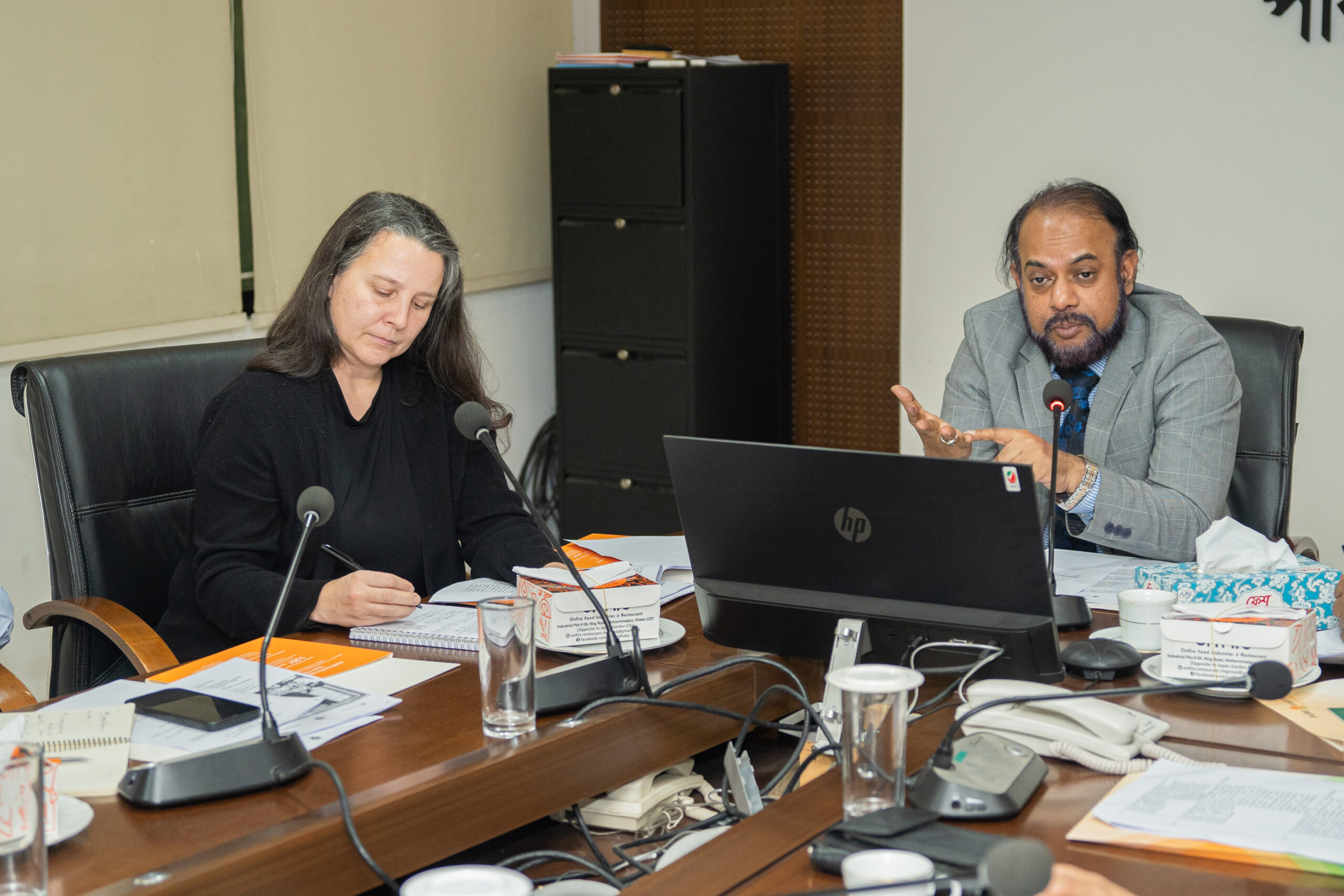
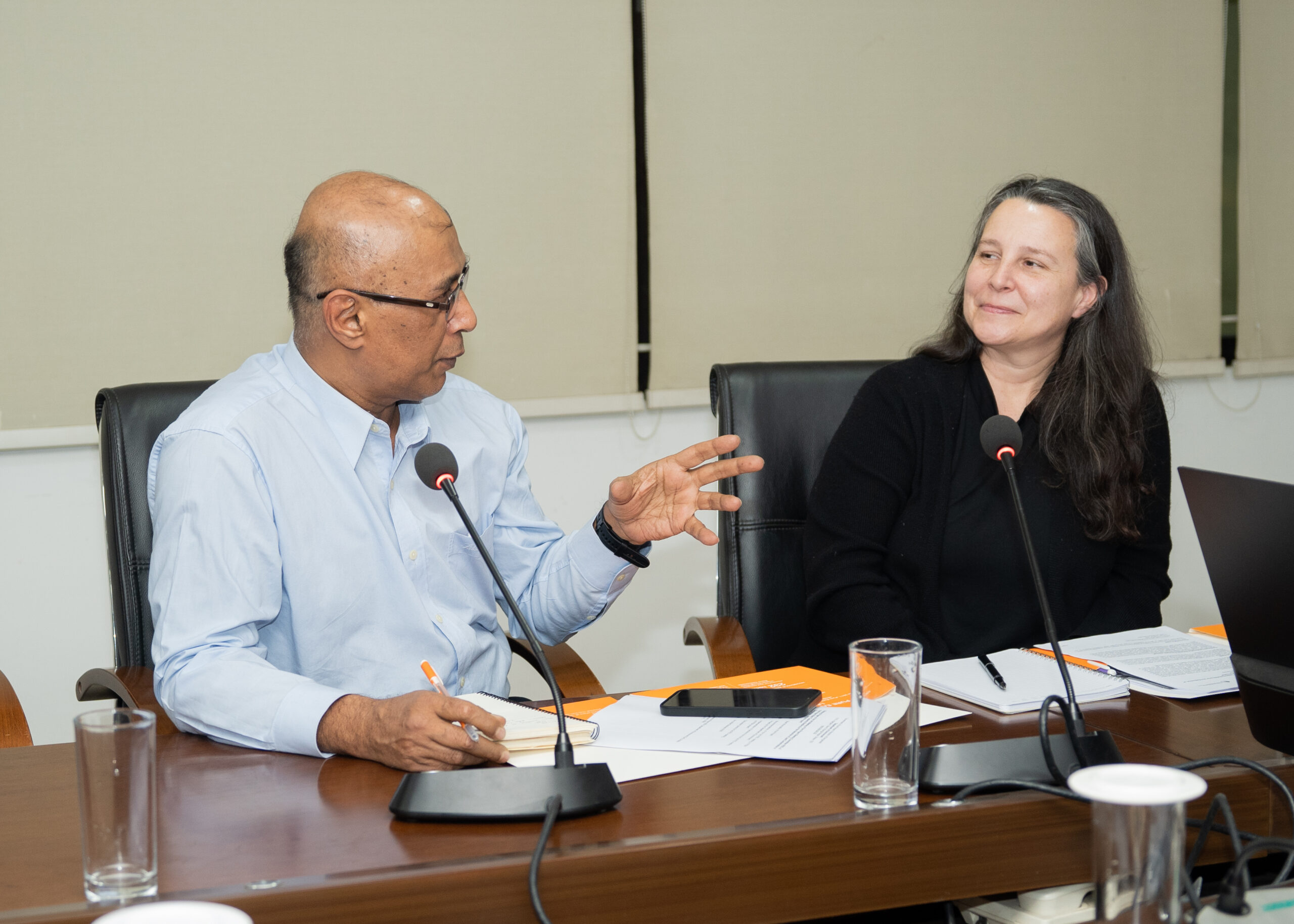
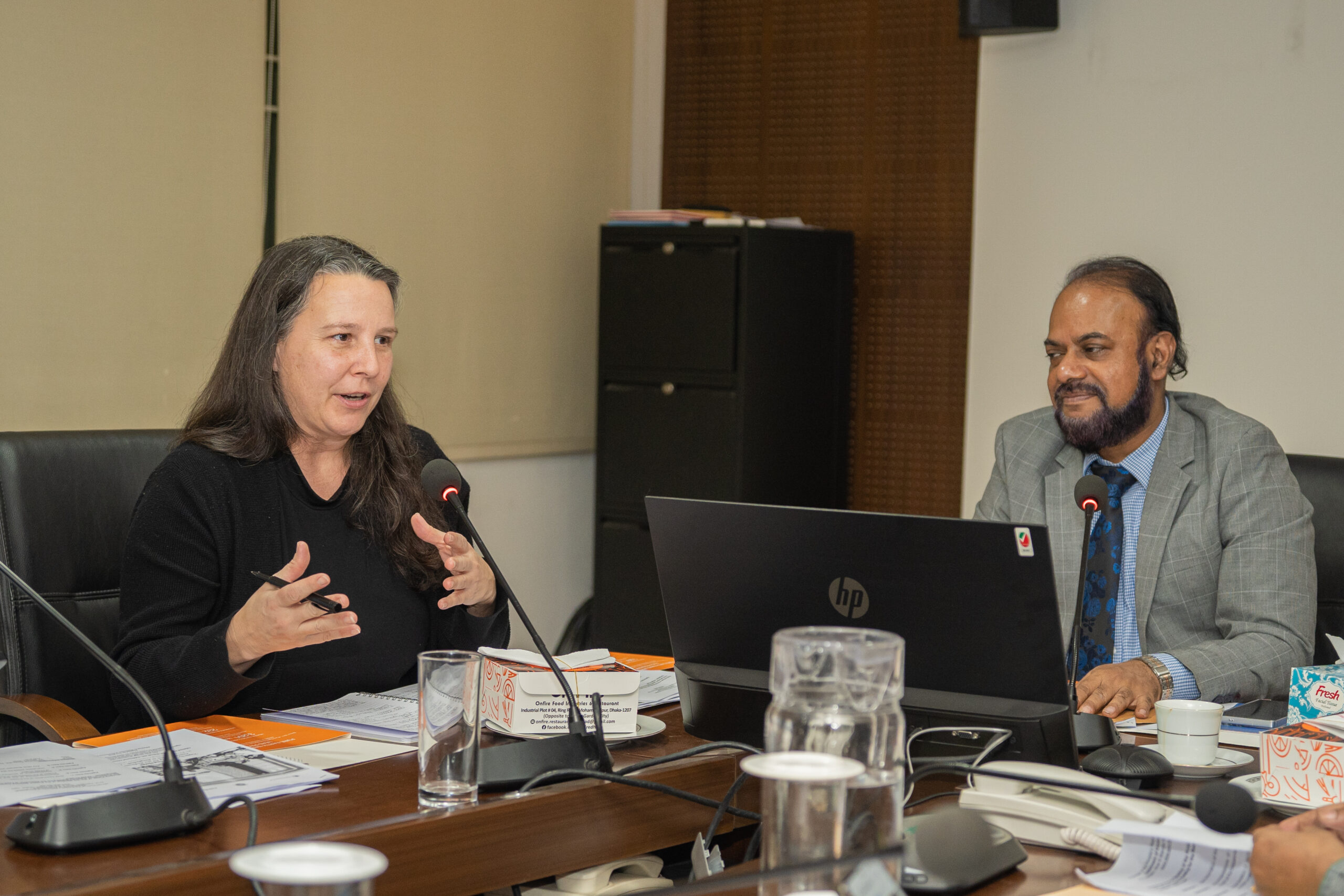
“I have been working on lead pollution across Asia for more than a decade, and it is truly encouraging to see such strong commitment and ownership from the government. There is a clear understanding of both the urgency of the issue and the challenges involved. We are now at a stage where we don’t work in parallel anymore, but rather support government counterparts in addressing lead pollution in ways that fit within existing national systems. The institutional dedication we see here gives us confidence to further invest and support you in actionable ways. We remain ready to provide targeted support, whether technical expertise, resources, equipment, or strategic guidance, in any area where it can accelerate implementation and deliver measurable impact.”
Meeting with Key Development Partners: UNICEF Bangladesh, ESDO, and icddr,b
Throughout the next few days, Lara and the Pure Earth Bangladesh team met with the organization’s long-standing development and implementation partners here in Bangladesh- UNICEF Bangladesh, Environment and Social Development Organization (ESDO), and icddr,b, whose support has been central to advancing Pure Earth’s response to lead pollution. From site remediation and blood lead level (BLL) analysis to institutional strengthening and community awareness, these partnerships have ensured that technical interventions are backed by credible evidence and coordinated efforts.
Strengthening Coordination with UNICEF
At the UNICEF Country Office in Dhaka, Lara met with Dr. Priscilla Wobil, Health Specialist and Team Lead for Environmental Health and Climate Change in Health, and Dr. Hasnain Ahmed, Health Officer (Environmental Health, Climate Change & Public Health).
Over the past year, UNICEF and Pure Earth have worked closely across multiple platforms, including the Working Group that developed the National Strategy for a Lead-Free Bangladesh, technical engagement and support in the Multiple Indicator Cluster Survey (MICS), and joint observance of key advocacy milestones such as World Environment Day and International Lead Poisoning Prevention Week (ILPPW) 2025. These collaborative efforts have helped amplify youth engagement and elevated lead pollution within national public health discourse.
The discussion with UNICEF focused on Pure Earth’s 2026 workplan and explored areas for further collaboration in the policy arena, on the ground, and beyond to strengthen community awareness, build resilience, and further institutionalize lead prevention efforts within existing health and environmental systems.
Expanding Technical Collaboration with ESDO
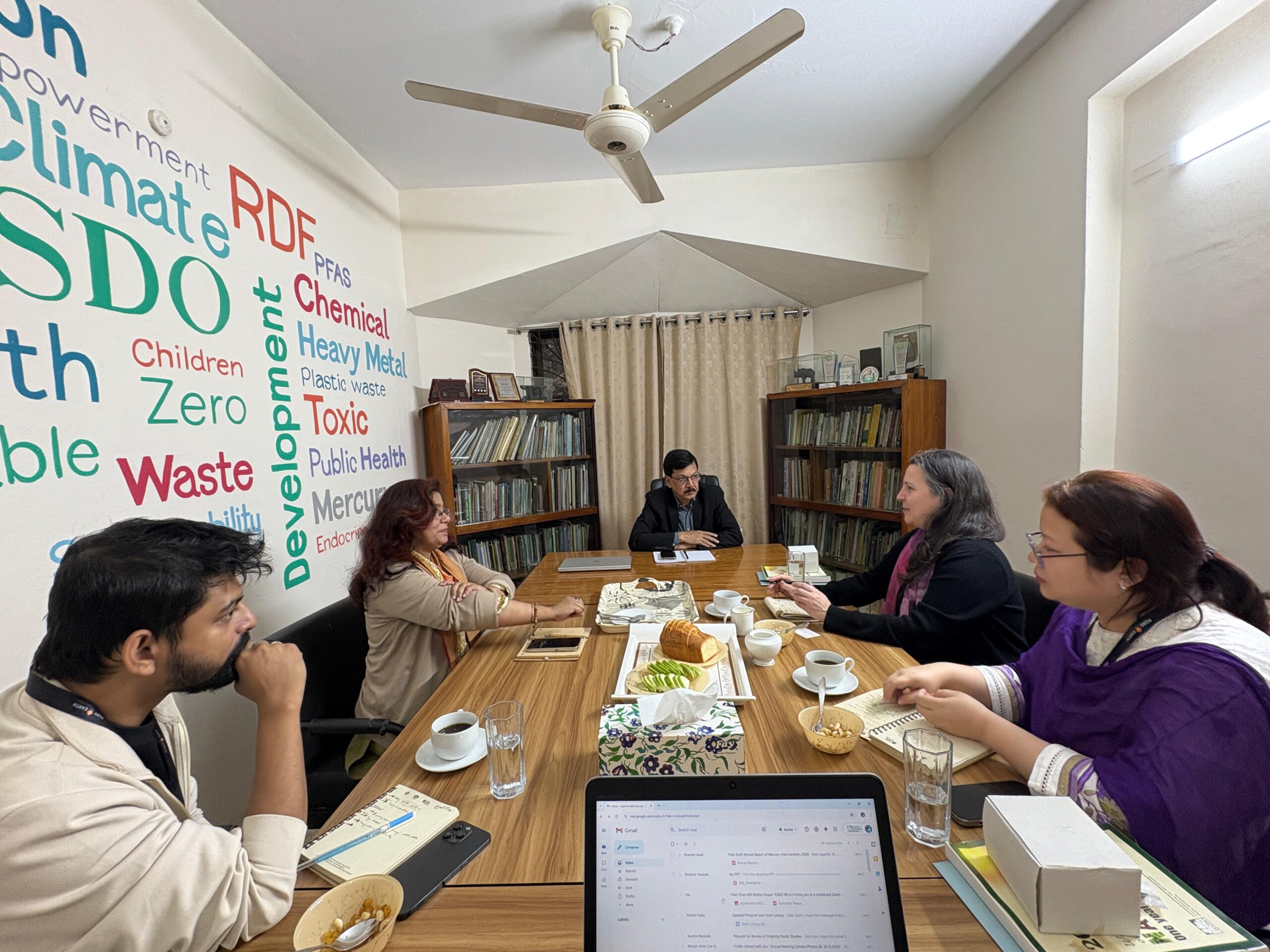
Lara also met with Dr. Shahriar Hossain, Secretary General, and Siddika Sultana, CEO of ESDO. As members of the same national Working Group under the auspices of the Ministry of Environment, Forest and Climate Change (MoEFCC), ESDO and Pure Earth have provided technical support to the development of the National Strategy for a Lead-Free Bangladesh alongside UNICEF Bangladesh.
The discussion underscored the importance of integrating environmental monitoring with food safety and public health interventions to reduce cumulative exposure risks.
Deepening Research and Implementation Linkages with icddr,b
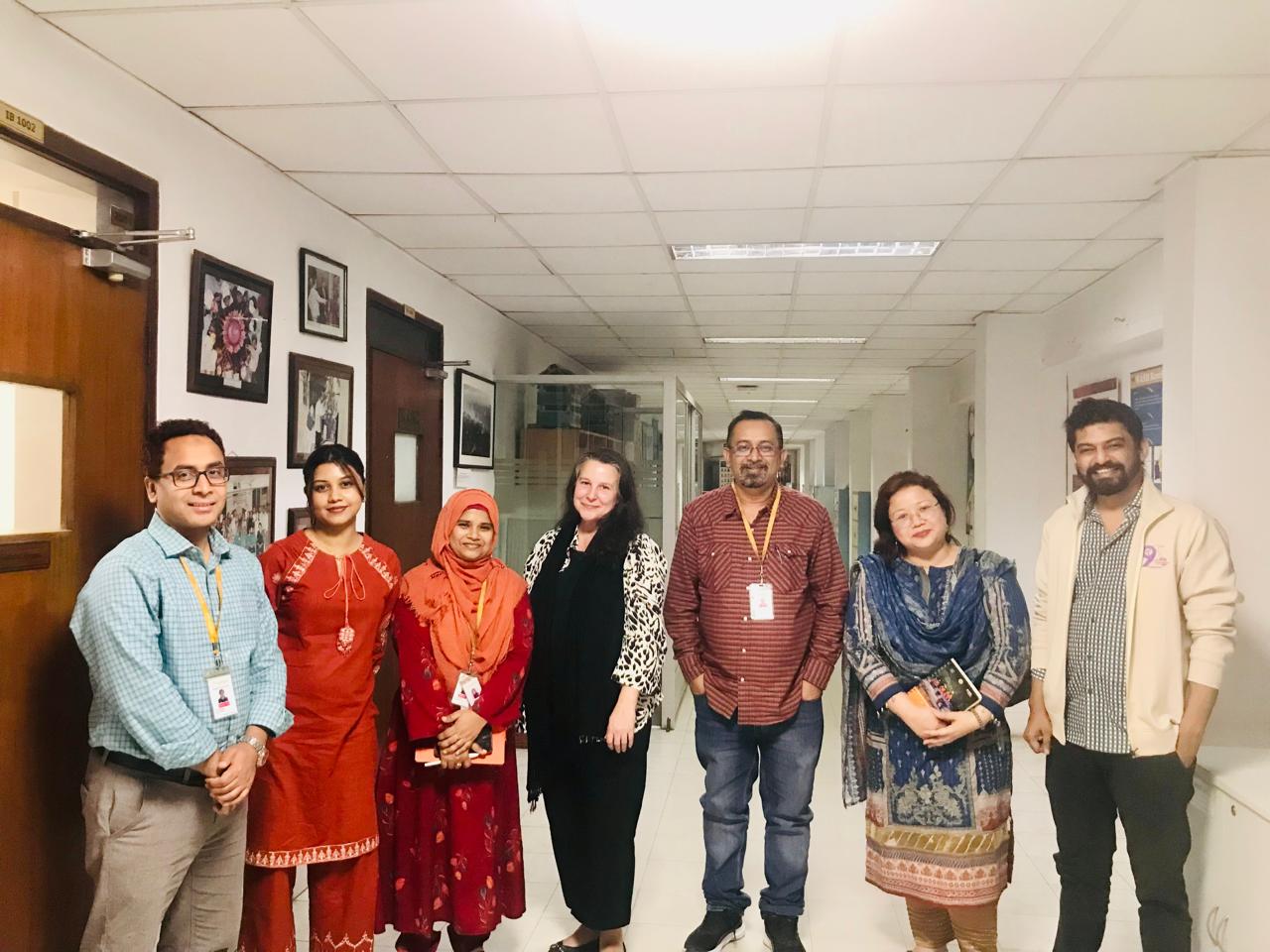
On her last day in Dhaka, Lara had consultations with Dr. Md. Mahbubur Rahman, Project Coordinator (Environmental Health and WASH), and Dr. Jesmin Sultana, Assistant Scientist (Environmental Health and WASH) at icddr,b.
As Pure Earth’s technical implementation partner in several initiatives, icddr,b has played a critical role in blood lead level testing and laboratory analysis of other samples across remediation projects. Their scientific expertise has ensured that Pure Earth’s source-specific interventions are founded on rigorous data and evidence.
The meeting explored opportunities to jointly address the broader issue of heavy metal contamination, particularly the presence of lead and other toxic metals in commonly consumed food items such as rice. It also discussed the 2026 workplan and potential areas where icddr,b’s technical expertise could be further integrated- from expanded surveillance and exposure assessment to strengthened research collaboration to support national policy reform.
Continuing the Collective Efforts to Protect Children from Lead Exposure
Lara’s January visit to Bangladesh came at a pivotal point in Pure Earth’s mission in the country, in the sense that she was present as we witnessed the government recognize and take ownership of two crucial national guidelines, shifting the national response from an individual project-based approach towards a more systems-driven framework embedded within governance structures. Her presence during this time informed the senior leadership’s understanding of contextual challenges in project execution in Bangladesh, strengthened confidence among government counterparts, and signaled sustained technical and strategic support in the days to come.
Reflecting on the visit, Lara shared with us, “My visit to Bangladesh left me deeply impressed by the MoEFCC’s leadership in advancing the toxic sites remediation toolkit and its unwavering commitment to reducing children’s exposure to lead. Participating in the PSC meeting and seeing DoE officials engage in solution-oriented discussions on next steps made it pretty clear that meaningful change is underway. We are indeed proud to partner with such dedicated leaders, and I look forward to continuing our collaboration to protect every child in Bangladesh from lead exposure!”