KLIK DI SINI untuk membaca artikel dalam Bahasa Indonesia.

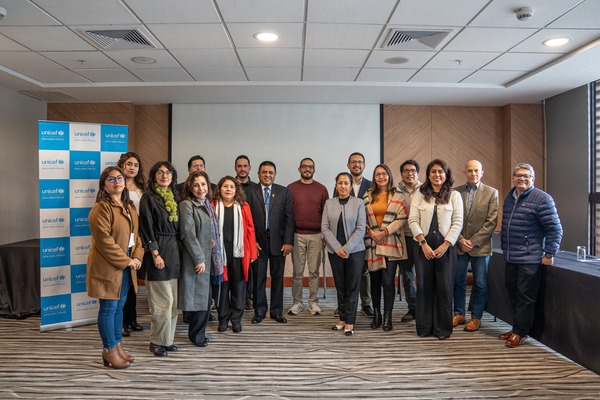
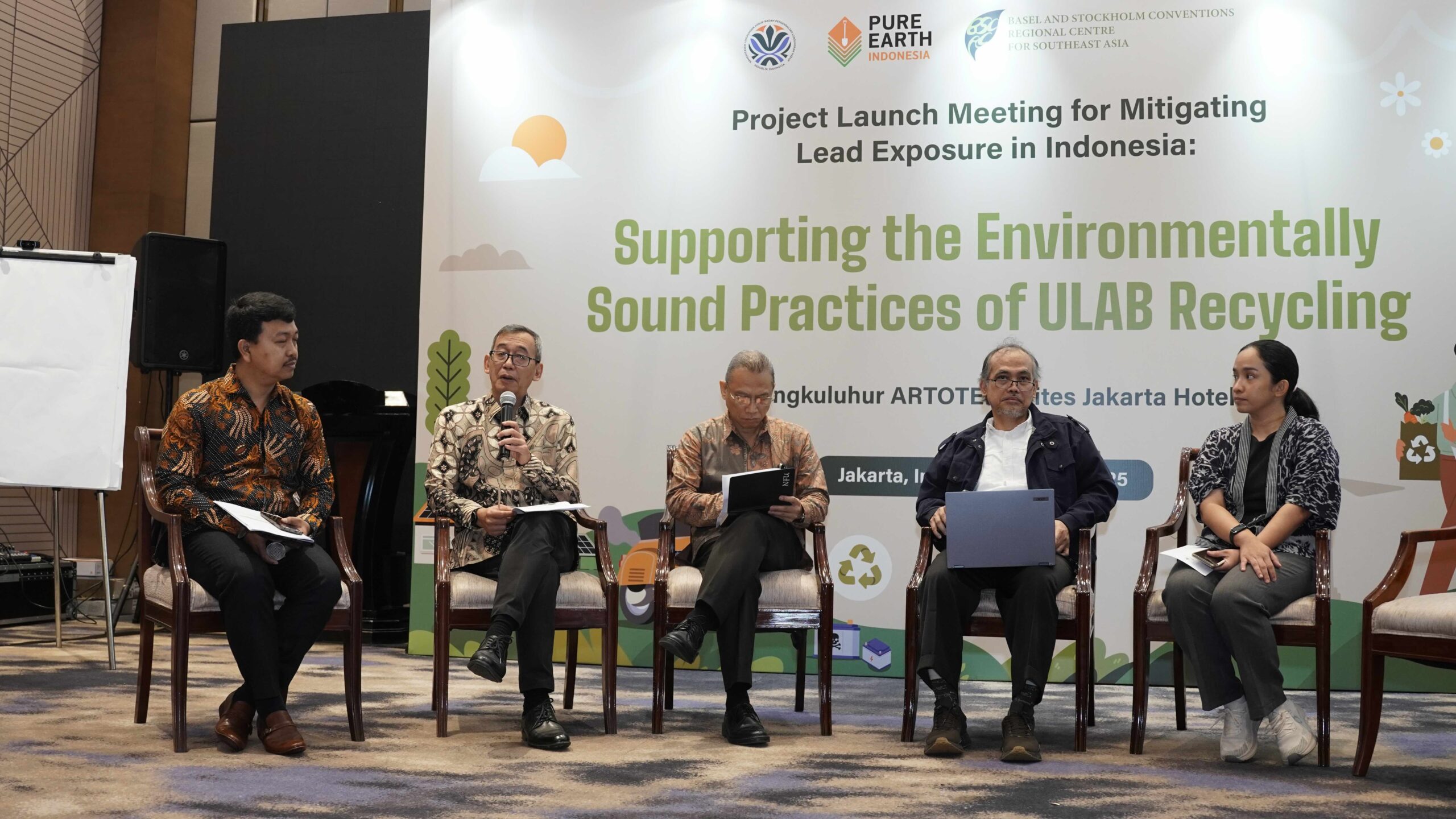
“The main issue in used lead-acid battery/ULAB management in Indonesia is the widespread practice of illegal ULAB smelting.” With that statement, Ir. Achmad Gunawan Widjaksono, MAS., Director of Hazardous and Non-Hazardous Waste Management, Ministry of Environment, opened the launch event of the “Mitigating Lead Exposure in Indonesia: Supporting the Environmentally Sound Practices of ULAB Recycling” project in Jakarta, June 23, 2025.
In Indonesia, more than 575,000 tons of ULABs are generated every year. Unfortunately, most of them are recycled in informal facilities that lack emission controls, waste management systems, or worker protections. These processes are often carried out in residential areas, contaminating the air, soil, and water, and putting nearby communities, especially children, at high risk of lead exposure.
A 2023 blood lead level (BLL) study conducted by the Occupational and Environmental Health Research Center (OEHRC) – Indonesia Medical Education and Research Institute (IMERI), Faculty of Medicine of the University of Indonesia (FKUI), in collaboration with Pure Earth, on children aged 12–59 months living in communities exposed to ULAB smelting in Java found that nearly 90% of children had BLLs exceeding the WHO reference level of 5µg/dL.
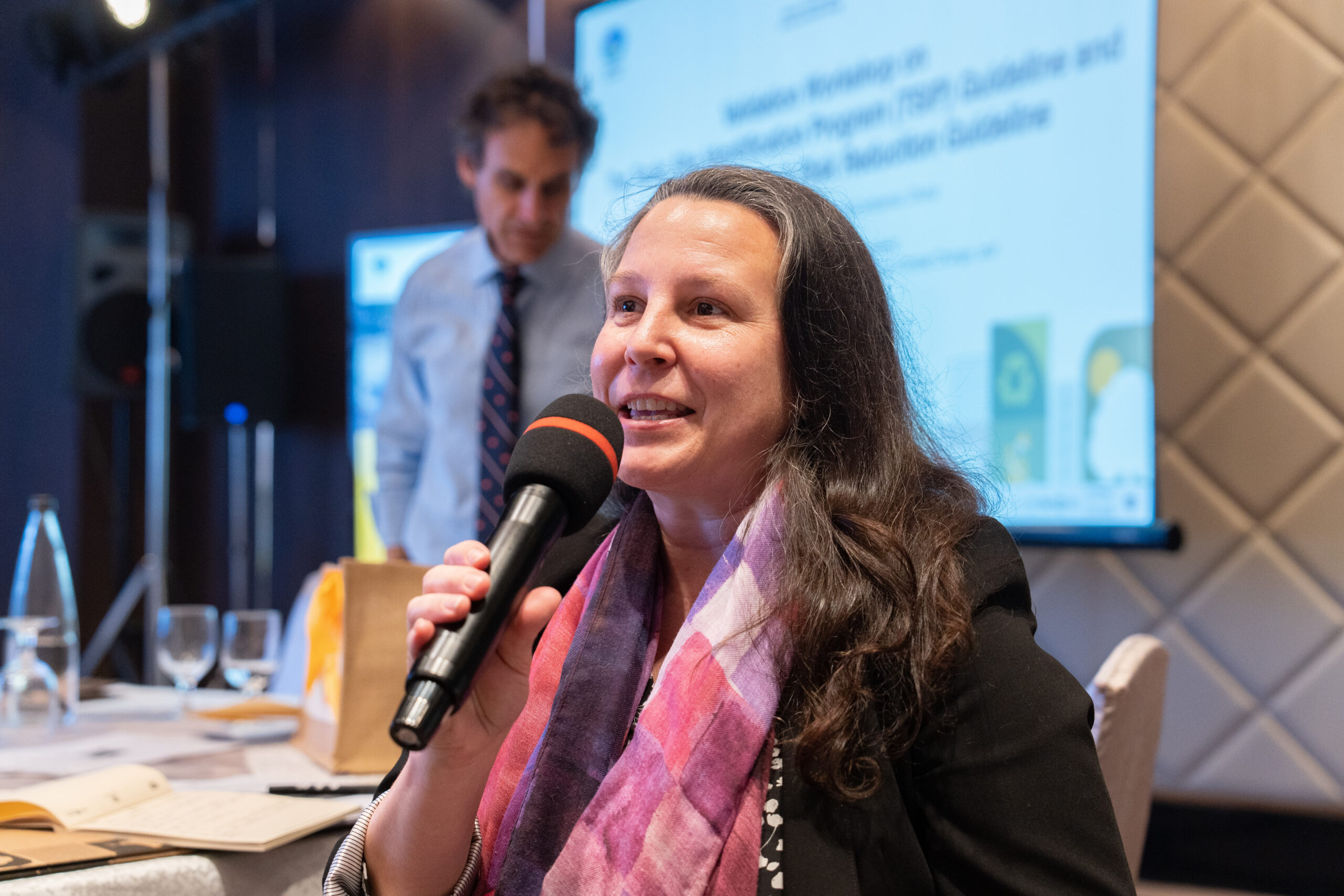
“Even at low levels, lead exposure can cause serious health impacts,” stressed Dr. Dewi Yunia Fitriani, Sp. Ok., Head of OEHRC IMERI FKUI, in her presentation. These impacts include neurological disorders, developmental delays in children, and other chronic health problems.
The Gap Between Regulation and Implementation
The government has actually issued various legal instruments regulating hazardous waste management, including ULABs. Licensing, reporting, and digital evaluation systems are also available, alongside technical assistance for local governments in managing specific hazardous waste.
However, there remains a wide gap between policy and practice. Challenges include a lack of awareness and knowledge of regulations, limited technical capacity, and inadequate enforcement systems.
On the industry side, licensing and navigating official systems are often seen as burdensome, particularly for small-scale smelters who wish to operate legally. At the same time, there has been insufficient action against operators who deliberately misuse the Online Single Submission (OSS) system to obtain illegitimate permits, such as by falsifying data or manipulating the system.
Building Synergy to Bridge the Gap
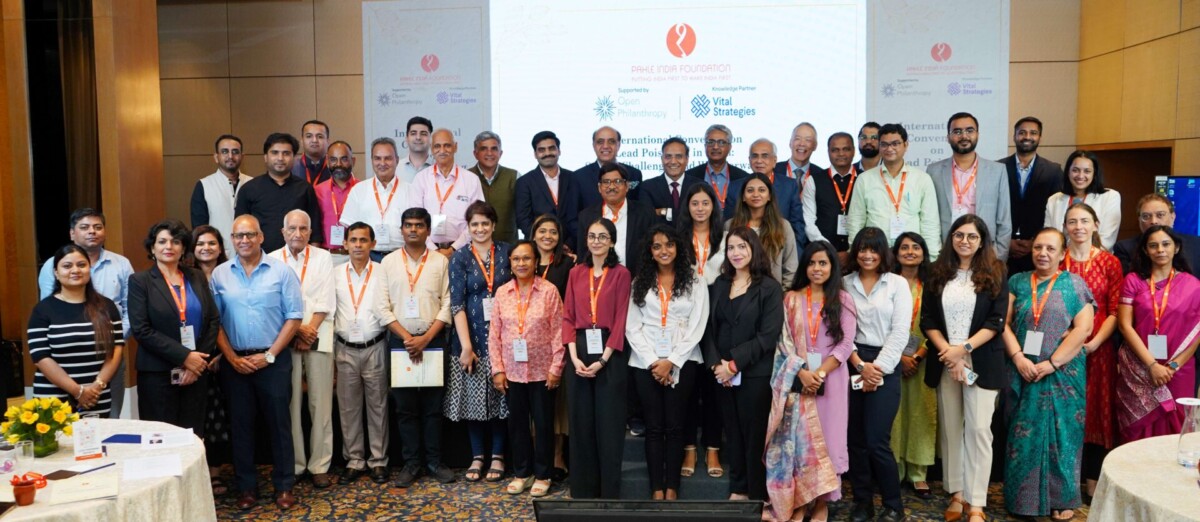
Given the complexity of ULAB management, solutions require involvement from multiple stakeholders. At the launch event, in addition to cross-ministry representatives, industry associations, development partners, and academics also participated to share data, experiences, and perspectives on the issue of ULAB recycling in Indonesia.

“This issue is actually quite broad and difficult for a single party to handle. That is why, together with Pure Earth Indonesia and the Ministry of Environment, we are trying to identify the gaps where support is most needed. With existing regulations and instruments, we must synergize to reduce unlicensed ULAB recycling practices,” explained Anton Purnomo, Director of the Basel and Stockholm Convention Regional Centre for Southeast Asia (BSCRC-SEA).
The data, experiences, and perspectives shared by participants at the launch serve as valuable input for the project, which will run until 2027. The project’s main objectives include mapping the ULAB ecosystem, establishing baseline estimates of ULAB volumes to support recommendations and policy briefs, producing regulatory guidelines and capacity-building for local governments and battery producers, providing technical support for government and formal industry in enforcing regulations and occupational risk oversight, conducting community education in lead-affected areas, and supporting the adoption of the latest Basel Convention Technical Guidelines.
“Through this project, we are working with the government, partners, industry, and stakeholders to strengthen policies, build local capacity, raise public awareness, and align national practices with the new Basel Convention Technical Guidelines. All of this is to ensure responsible ULAB recycling practices that protect both the environment and the health of current and future generations,” emphasized Nickolaus Hariojati, Program Manager of Pure Earth Indonesia.
Learn more about this project here.