Ghana: Protecting Every Child’s Potential
Project Overview
Closed
Country
Ghana
Pollutant(s)
Lead
Partner(s)
UNICEF, Global Alliance on Health and Pollution
Core Activities
Advocacy & Awareness, Institutional Strengthening, Source Analysis, Source-Specific Intervention
Exposure to lead is a public health concern in Ghana. The populations most vulnerable to the effects of lead include pregnant women and children, for whom it can have devastating implications. Scientists have suggested a blood lead level guideline of 2 µg/dL for health professionals. However, studies have revealed disturbing rates of blood lead levels above 5 µg/dL among children in Ghana exposed to lead. Lead pollution can result in medical expenditures, failure in school, low productivity and economic output, as well as increases in disability-adjusted life years (DALYs).
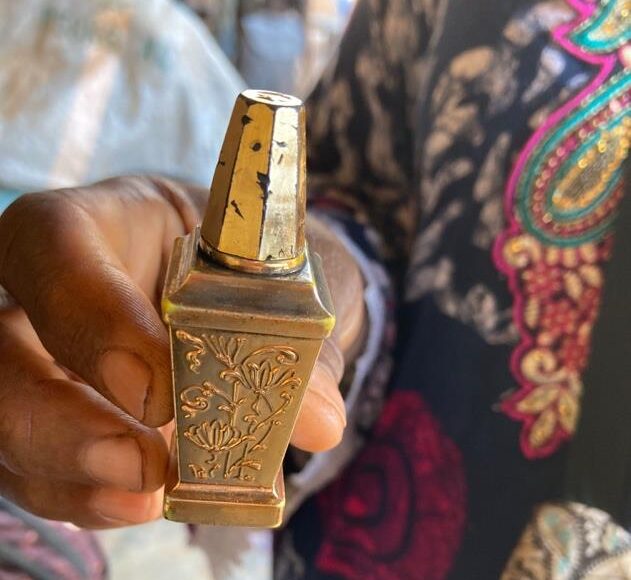
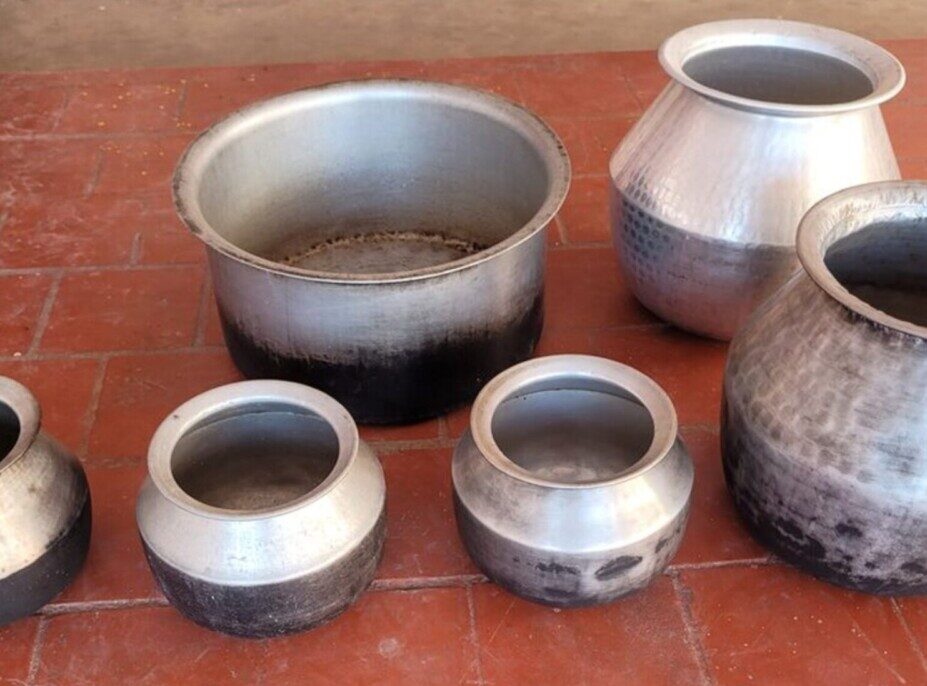
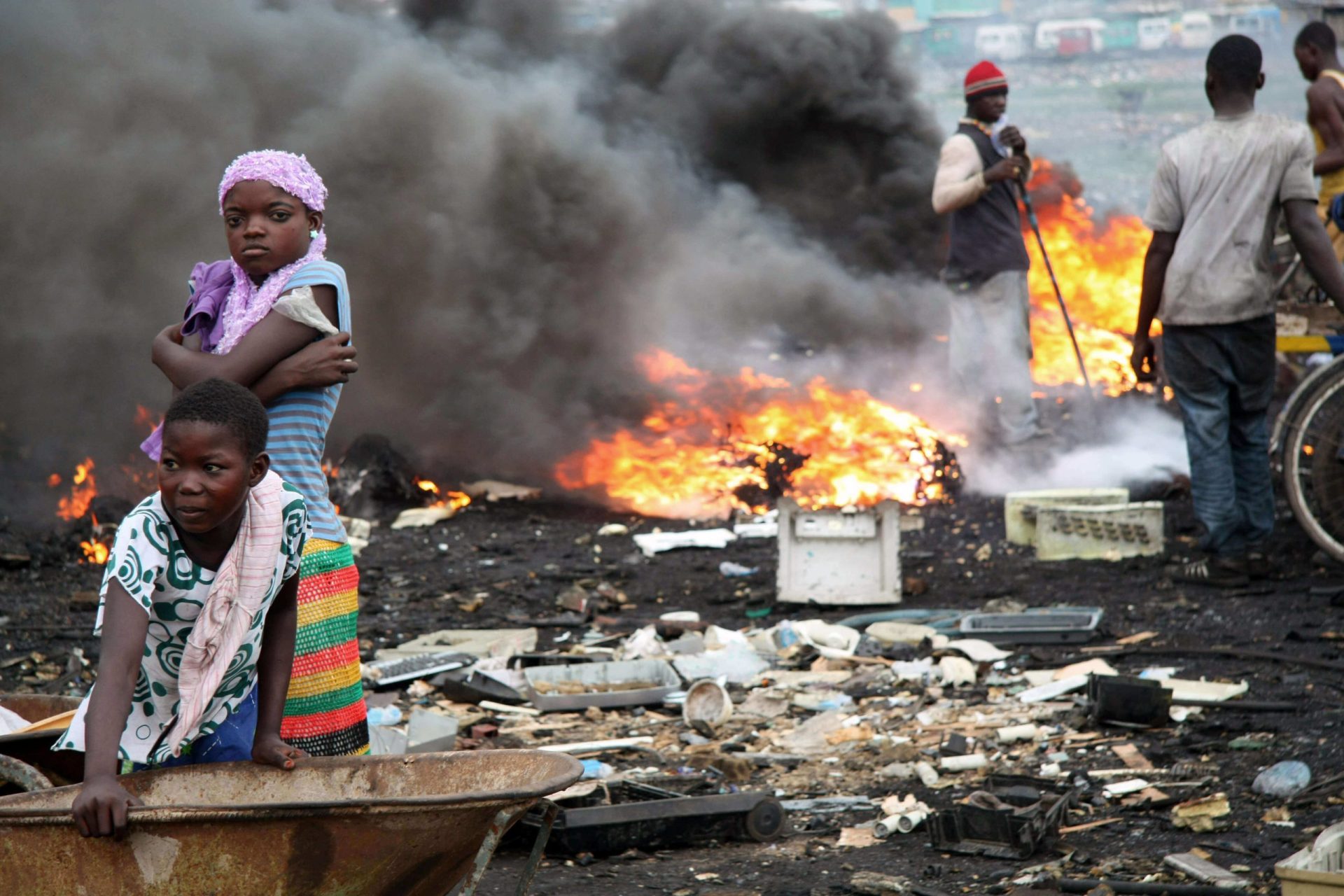
Sources of lead exposure in Ghana include residual contamination from leaded petrol (phased out in 2004), paints, pesticides, and the informal or substandard recycling of used lead acid batteries (ULABs). Lead sources in Ghana are categorized to be either industrial or product‑based, and both have the potential to impact individuals and contaminate the environment when released in uncontrolled settings. Industrial-based pollution from lead include lead smelting, recycling ULABs, mining activities, pesticide use in agriculture, and exposure to legacy leaded petrol. Lead in paints, toys and cookware are examples of product-based sources of exposure. Other potential sources include exposure from lead pipes and groundwater. A number of contaminated sites (137) have been identified and assessed in Ghana by Pure Earth, and studies have been ongoing to assess their impacts on human health. The main contaminants at these sites were lead and mercury, with the mining, recycling, and agricultural industries accounting for most of the sources of lead exposure. This and other findings have led to various interventions by stakeholders to address lead pollution in Ghana.
Pure Earth will work in Ghana to:
- identify and assess sites and products contaminated with lead;
- educate communities about the dangers of lead and how to protect themselves;
- conduct remediation projects in contaminated communities to reduce or eliminate sources of lead exposures;
- train government representatives and other stakeholders to identify, assess, and mitigate lead contamination;
- provide technical guidance to lead acid battery recyclers and other industry representatives to ensure environmentally sound practices; and
- provide policy recommendations to provincial and national governments to protect workers and community members from lead exposures.
Last Updated:
11/26/25