



Skip to Content

Solve pollution. Save lives.
Protect the planet.

Impact Report
2026

January 2025-July 2026

Download the Impact Report PDF

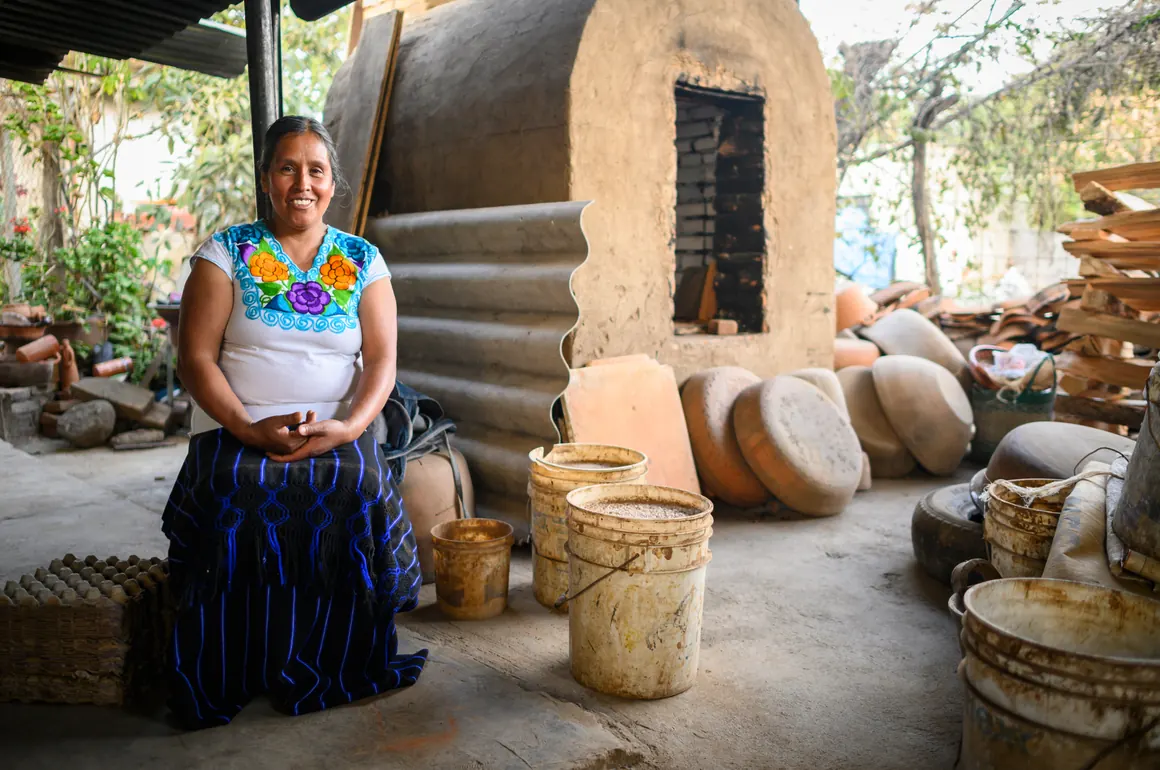
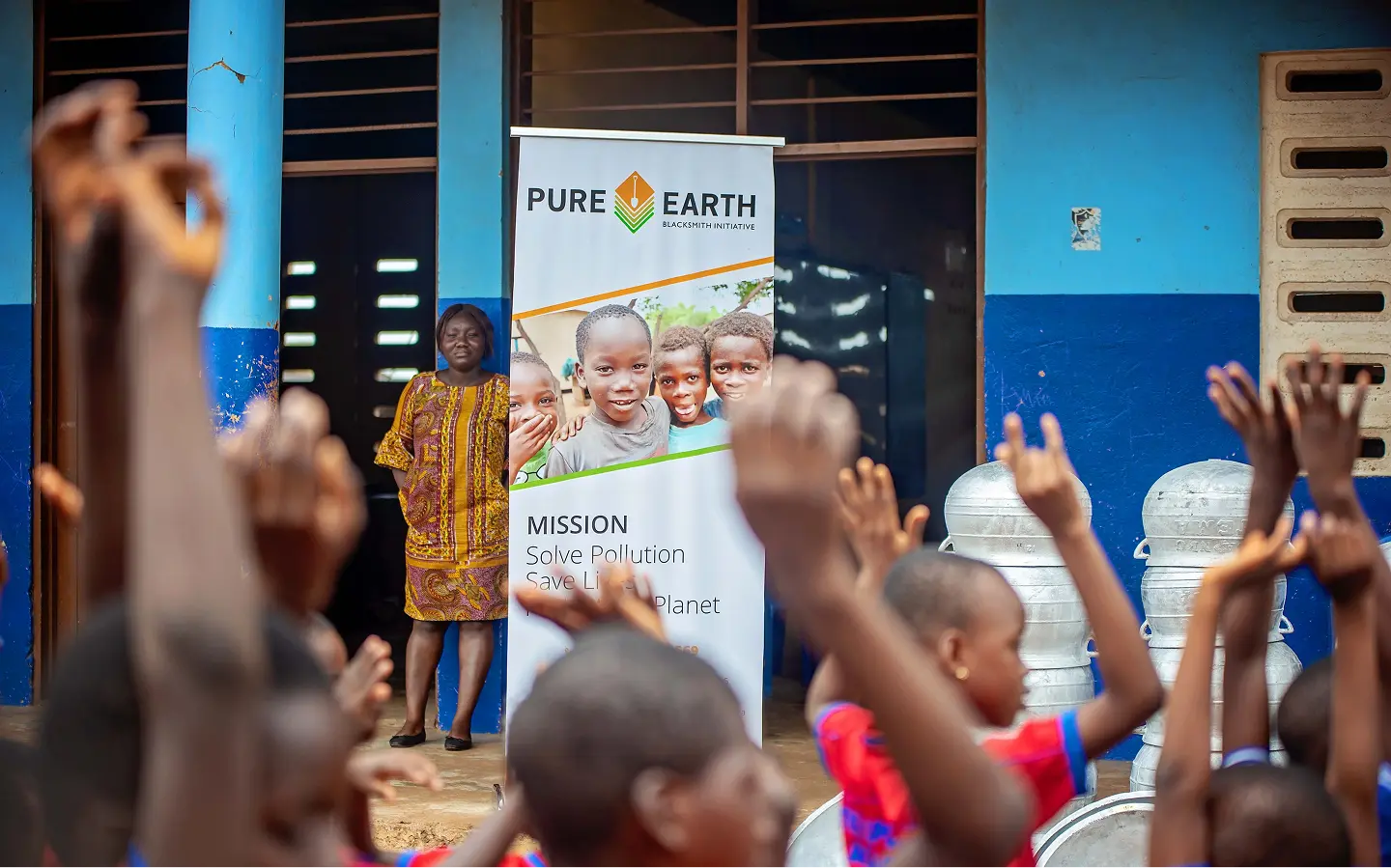
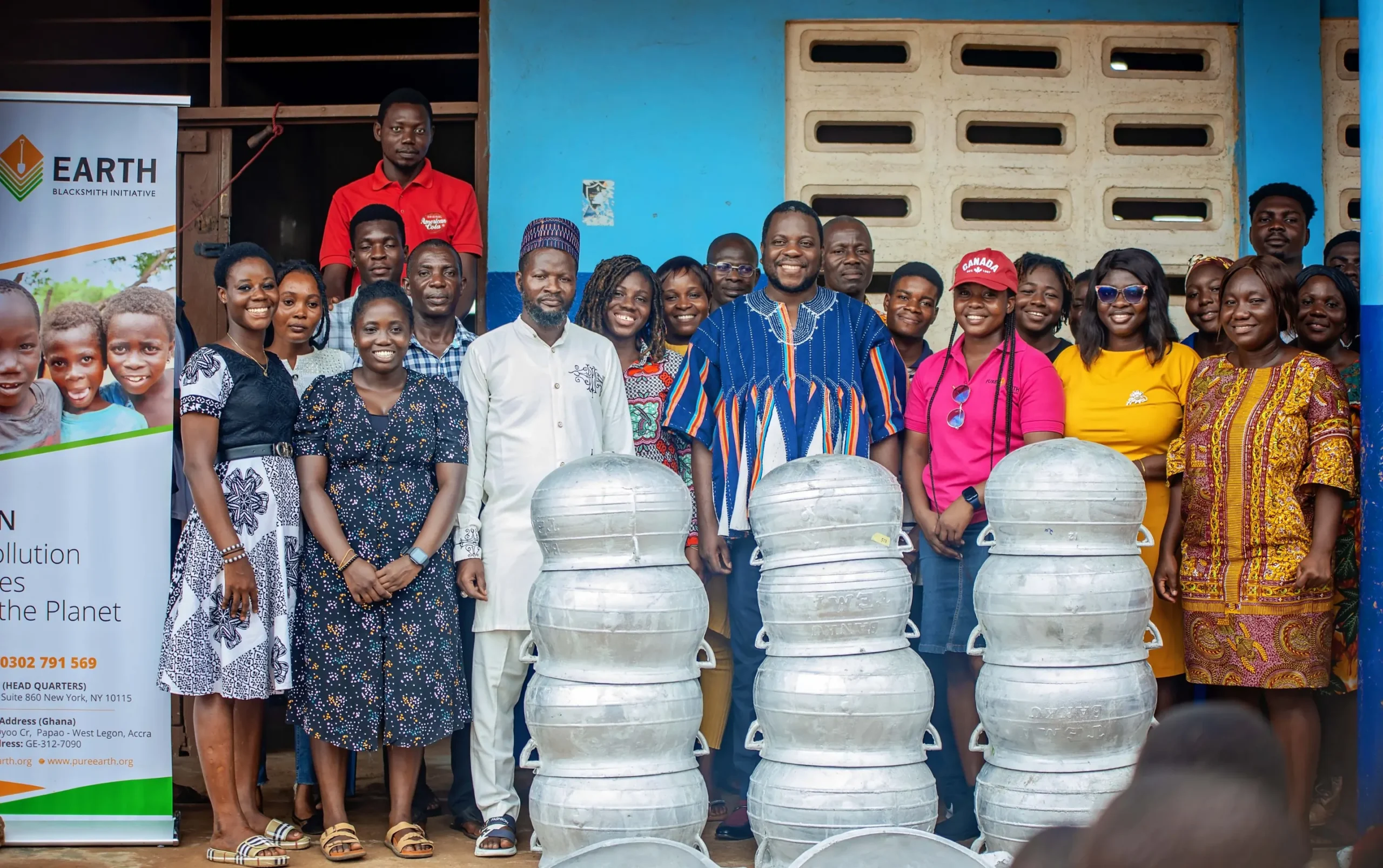
Pure Earth’s Ghana team stands with cookware during a community outreach event.

Executive Summary

Richard Reithinger

Richard Reithinger

Vice President, Programs

It is estimated that more than 1 billion children, roughly one in three worldwide, carry blood lead levels above 5 µg/dL, the threshold at which the World Health Organization requires public health action. More than 90% of these affected children live in low- and middle-income countries.

Lead exposure is responsible for an estimated 3.5 million cardiovascular deaths each year, more than HIV, malaria and traffic deaths combined. A World Bank analysis found that in 2019, children under five years old worldwide lost an estimated 765 million IQ points from lead exposure; moreover, lead poisoning is thought to account for 20% of the education gap between high- and low-income countries.

1 billion+

children carry blood lead levels above 5 μg/dL.

3.5 million

cardiovascular deaths each year: more than HIV, malaria and traffic deaths combined.

765 million

estimated IQ points lost by lead exposure in children under five in 2019.

The response to this crisis must be country-owned. The most durable gains come from governments that build their own capacity to measure lead exposure, regulate its sources, and enforce laws that protect children and families.

That shift is already underway in the eleven countries profiled here, and we are committed to accelerating it. Governments that previously turned to Pure Earth for guidance on lead poisoning prevention and mitigation began acting independently. They collected baseline data to understand the scale and sources of the problem, passed and enforced standards, and built institutions with the potential to protect entire populations at risk.

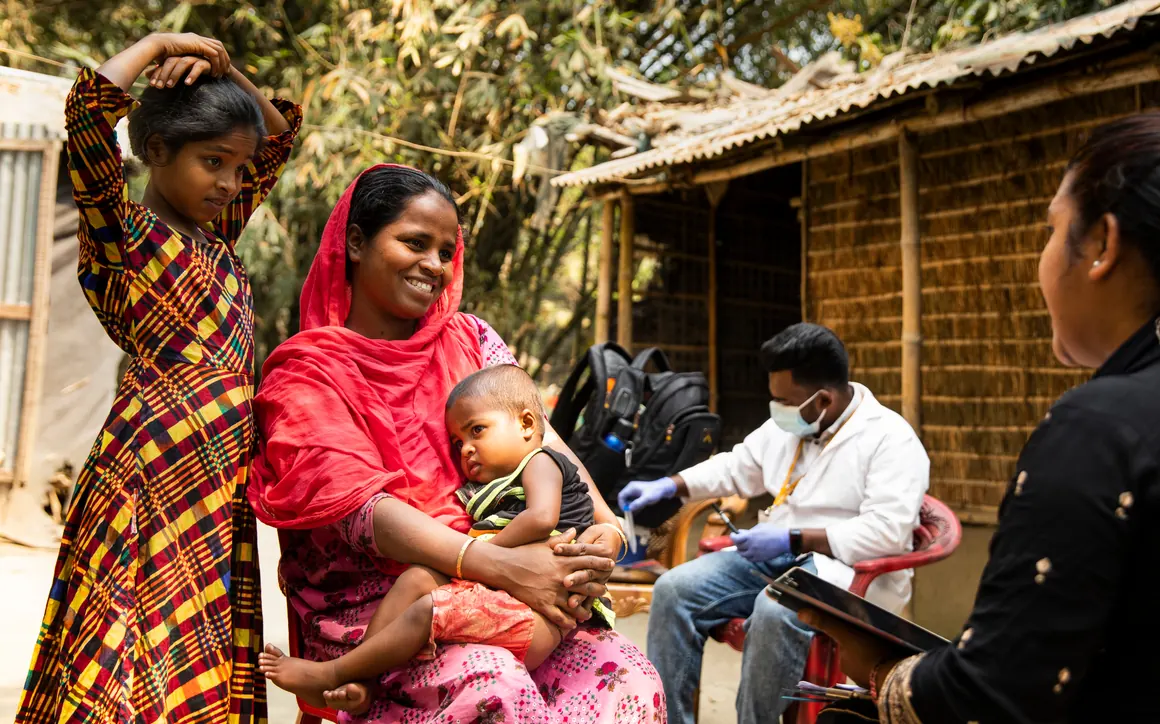
A health worker tests a child’s blood lead level during a community education session in Bangladesh.

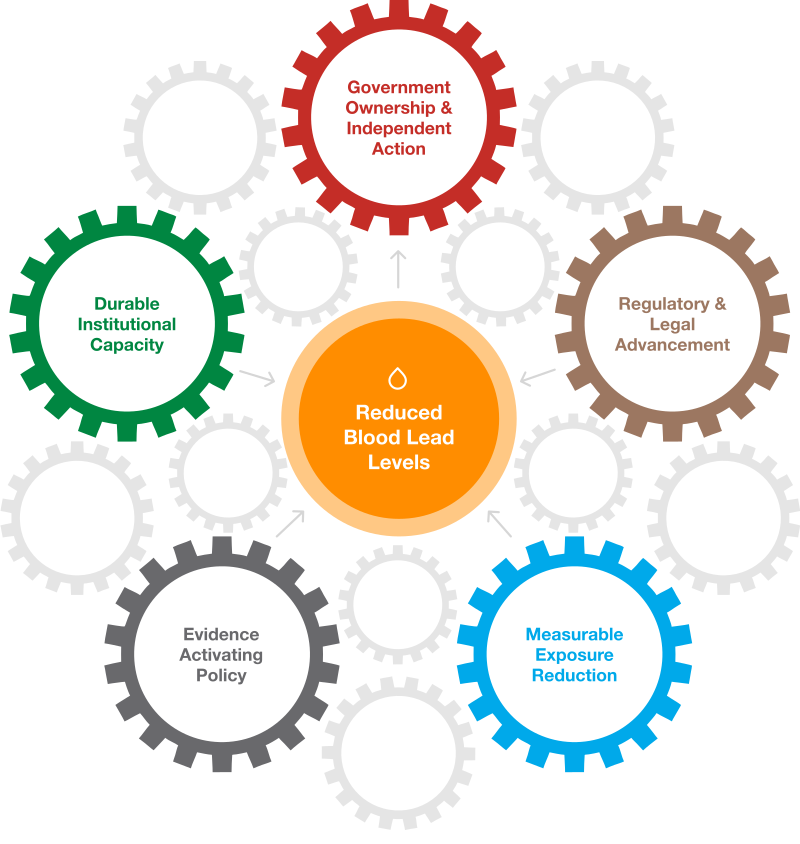
The path to a lead-free future runs through government-led, durable solutions, and five signals of systemic change show that path taking shape.

Five Signals of Systemic Change in National Lead Responses

Diagram of five gears turning around a central gear labelled Reduced Blood Lead Levels. The five gears are: Government Ownership and Independent Action, Regulatory and Legal Advancement, Measurable Exposure Reduction, Evidence Activating Policy, and Durable Institutional Capacity.

Why Reduced Blood Lead Levels Are the Ultimate Goal

Every signal of systemic change in this report points to one goal: reducing lead in children’s blood. Blood lead levels (BLLs) are the truest indicator of harm we have. They show us where exposure is happening, how severe it is, and who is most affected. That is why reduced BLLs sit at the center of this framework: it’s the outcome every gear in this report is turning toward. BLL surveillance data can take years to show reductions, so we track five indicators that move first: the conditions that need to be in place before blood lead levels fall. Here’s where that shift is happening, and how.

A child plays on a newly remediated playground in Labanchora, Bangladesh, where cleanup cut soil lead levels by more than 99%.

The Five Signals in Action

  • Government Ownership and Independent Action

    Pure Earth’s investments in government capacity are delivering results, with partner countries advancing toward self-sufficiency.

    In the past year, Valenzuela City in the Philippines has made it standard practice, through local law and funding, for municipal doctors and nurses to test children with disabilities for lead poisoning and trace their exposure to its sources. Similar momentum has taken root at the national level in Bangladesh where the Department of Environment established its own steering committee that shut down more than 57 illegal used battery recycling facilities over the past two years. In 2026, Bangladesh’s Cabinet and Prime Minister approved its “National Strategy for a Lead-Free Bangladesh and Multi-Year Action Plan (2026-2035)” following an interministerial consultation that incorporated technical inputs from key stakeholders. In Ethiopia, Pure Earth supported the development of the country’s first National Roadmap for Lead Poisoning Prevention, establishing a goal of reducing childhood blood lead levels by 60% by 2030. Across these countries, the pattern is the same: governments are translating external support to drive their own responses to end lead poisoning. Indonesia’s government initiated a national lead action plan and, for the first time, allocated a domestic budget for supervising blood lead level surveillance. Similarly, Brazil’s Ministry of Environment launched the drafting of 2025-2030 national strategy for lead following catalytic support from Pure Earth.

  • Regulatory and Legal Advancement

    In partnership with government, Pure Earth is helping set the standards and pass regulations that will protect millions of adults and children from lead poisoning.

    For the first time, Ghana has set a legal limit on lead in the cookware families use every day. This milestone rests on BLL surveys and home-based assessments that mapped out how widespread the problem is and where the lead is coming from. Mexico is establishing new rules that will set legal limits on lead in consumer products, a regulatory step that could protect millions of people. The Philippines enacted its first city-level lead poisoning prevention ordinance. In Tamil Nadu, India, a state home to 81 million people, the Bureau of Indian Standards issued an amendment to its cookware standards in 2026 requiring certification for aluminum cookware and prompting regulators and manufacturers to bring uncertified producers into compliance with safer, lead-free production practices. A year ago, these achievements were only conversations. Today, they are codified commitments with the potential to protect not hundreds of people, but every family in a country that cooks with aluminum pots.

  • Measurable Exposure Reduction

    Pure Earth’s programming is making communities safer for thousands of people today, and for the generations that follow.

    Nowhere is this starker than Labanchora, Bangladesh, where children once went to school on some of the most contaminated soil we’ve measured: 98,476 ppm, meaning 1 kg of soil contained roughly 100 g of lead. After a Pure Earth-led clean-up, lead concentrations in the soil were reduced by 99%, and 700 people no longer live and learn on poisoned ground. A similar story is unfolding in Ghana, where a smelter site that was poisoning the surrounding community has been cleaned up. In Indonesia, the local government in Tegal Regency has begun to fund its own remediation work, building off the prior support from Pure Earth. Work looks different in Mexico, where lead can be in the ceramic pottery that food is cooked in. With support from Pure Earth, dozens of businesses have now committed to lead-free production of pottery, with potters trained in lead-free glazing techniques. Ultimately, what starts as hundreds of people protected becomes the evidence base for national policy that can scale impact on entire populations.

  • Evidence Activating Policy

    Pure Earth’s investment in evidence generation is directly shaping government decisions and budget commitments.

    A Pure Earth-led analysis of lead-contaminated kale traced the lead not to the soil but to airborne emissions from a nearby smelter: a finding that has potential implications for food safety policy across low- and middle-income countries. In Indonesia, BLL data from more than 1,600 children strengthened the evidence base for Indonesia’s government to develop the National Action Plan for a Lead-Free Indonesia. In Peru, findings on contaminated cookware were embedded in national lead prevention strategies and are now included in the Public Prosecutor’s Office’s agenda.

  • Durable Institutional Capacity

    Pure Earth is helping build the institutions that will carry this work forward long after any single project ends.

    Pure Earth helped establish at least seven permanent national bodies, including a permanent national technical working group. Across several countries, Pure Earth has strengthened countries’ ability in lead testing and surveillance. For example, in Kyrgyzstan we established the country’s first heavy metals reference laboratory. Similarly, in Ghana, Ethiopia, and India, Pure Earth donated portable X-ray fluorescence (XRF) analyzers to national and state-level government ministries, training staff and enabling them to test environmental and other samples for lead contamination.

  • In closing, I invite you to read the more detailed country reports that follow as evidence of a movement taking root. The challenge ahead is still large, but the momentum behind it is more powerful, durable, and government-owned. Let’s build on this progress together. Join us.

  • Signature of Richard Reithinger

    Richard Reithinger
    Vice President, Programs

A schoolgirl smiles in Pesarean Village, Indonesia, where the Tegal Regency government now funds its own cleanup of lead-contaminated land.

Building Durable, Government-Led Systems to Fight Lead Poisoning

A High-Level Overview on National and Local Progress

Across the countries where Pure Earth works, national and local governments are turning commitments into laws, building the systems, standards, and budgets to prevent lead exposure and poisoning at scale.

Where Government Commitments Stand in 2026

Tracking national strategies, regulations, and standards to prevent lead exposure in countries where Pure Earth works.

  • To be developed
  • In development
  • Adopted
  • Implemented
Government commitments to prevent lead exposure, by country
Country Commitment Type Government Commitment Status
Bangladesh
  • National Strategy
National Strategy for a Lead-Free Bangladesh and Multi-Year Action Plan (2026-2035), led by the Ministry of Environment, Forest and Climate Change, formalized through a tri-partite Memorandum of Understanding establishing a government-owned framework. Adopted
Brazil
  • National Strategy
  • National Regulatory Standard
National Strategy for Joint Actions to Combat Lead Contamination 2025-2030, launched at the ministerial level by the Ministry of Environment and Climate Change. Brazil enacted Law No. 15,441/2026, establishing a maximum lead concentration of 90 ppm for most paints and surface coatings. Adopted
Ethiopia
  • National Roadmap
The National Roadmap for Lead Exposure and Poisoning Prevention establishes an ambitious national goal of reducing childhood blood lead levels by 60% by 2030, providing a clear framework for coordinated action, policy implementation, and long-term prevention efforts. Adopted
Ghana
  • National Regulatory Standard
Ghana Standards Authority formally published the new lead standard for aluminum cookware and through support from Pure Earth is planning a post development implementation of the standards. Implementation
India
  • Institutional Body,
    Sub-national standard
Bihar's State Food and Safety Department approved formation of an Intergovernmental Panel for Lead; the Bureau of Indian Standards (BIS) is formally engaged on cookware manufacturing standards in Tamil Nadu. Adopted
Indonesia
  • National Strategy
  • Government Financing
National Action Plan for Lead-Free Indonesia, a binding multi-agency framework under development by the Coordinating Ministry for Human Development and Culture; Tegal Regency is independently financing its own remediation budget line. In development
Kyrgyzstan
  • National Strategy
A lead surveillance indicator was written into the National Development Program 2030, making lead monitoring a government commitment with an implicit budget obligation. Adopted
Mexico
  • National Regulatory Standard
Federal Commission for Protection Against Health Risks drafted two binding environmental health standards, including a BLL action threshold for non-occupational populations. In addition, the Ministry of Health, the Senate, and the Congress adopted formal measures to advance a bill aimed at banning lead oxide in products intended for human consumption. In development
Philippines
  • Sub-national Law
Valenzuela City enacted the Lead Exposure Prevention and Child Protection Ordinance of 2025, the country's first city-level law institutionalizing BLL screening and enforcement, co-funded from the city's own budget. Adopted

Why This Matters

Of the nine governments above, six have already moved from intention of their commitment to adoption of strategies, policies, and regulations to limit and minimize the effects of lead exposure and poisoning. This is a binding sign that governments are acting on this issue with their own laws, budgets, and institutions. This solidifies the trajectory Pure Earth has seen succeed before in the Republic of Georgia. This report focuses on the programmatic activities Pure Earth is directly engaged in and does not capture all global progress on lead pollution and risk mitigation supported by other partners. For a fuller picture, visit the Partnership for a Lead-Free Future website. If your country’s work with Pure Earth is not represented here, contact [email protected] to be included in future updates.

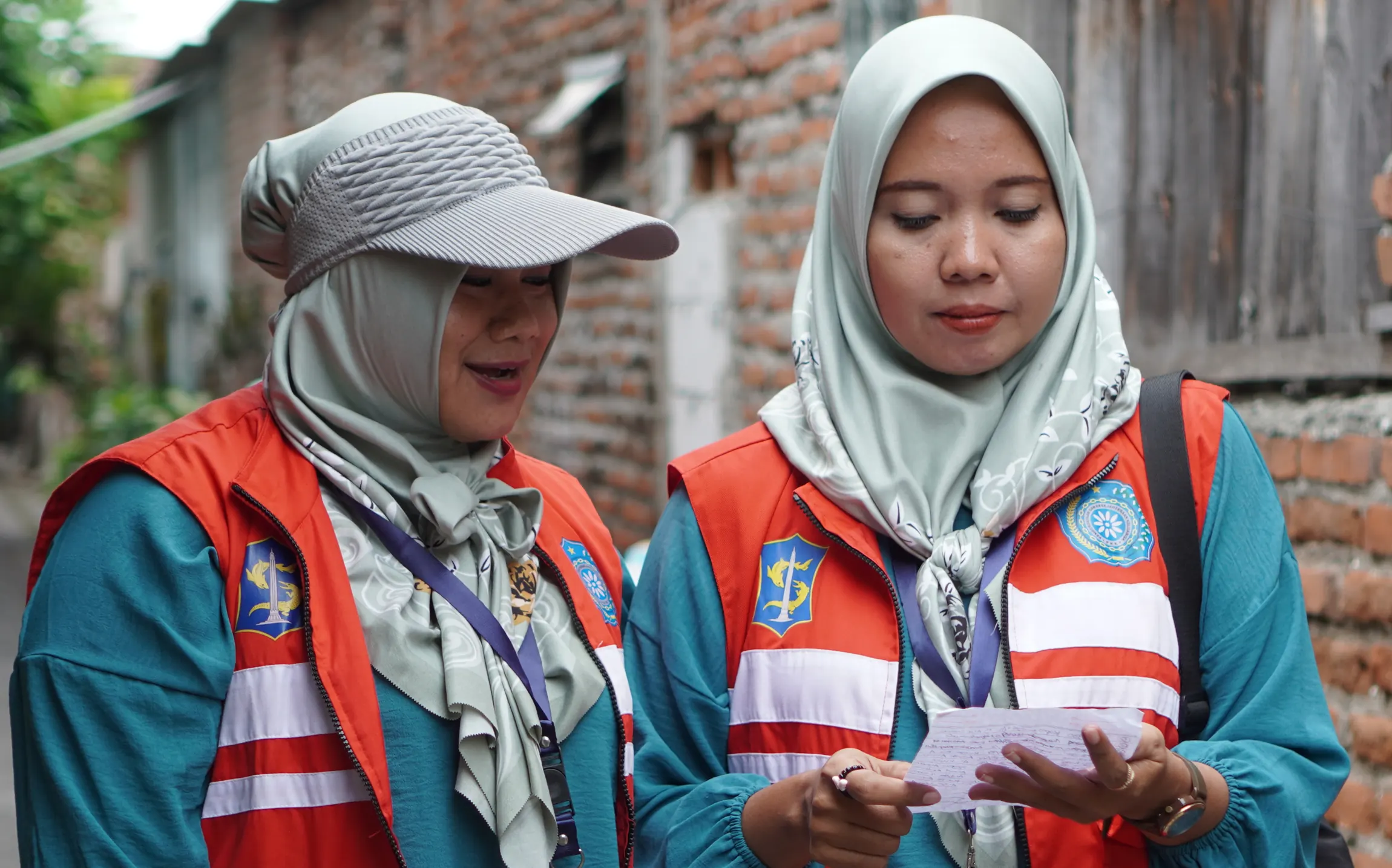
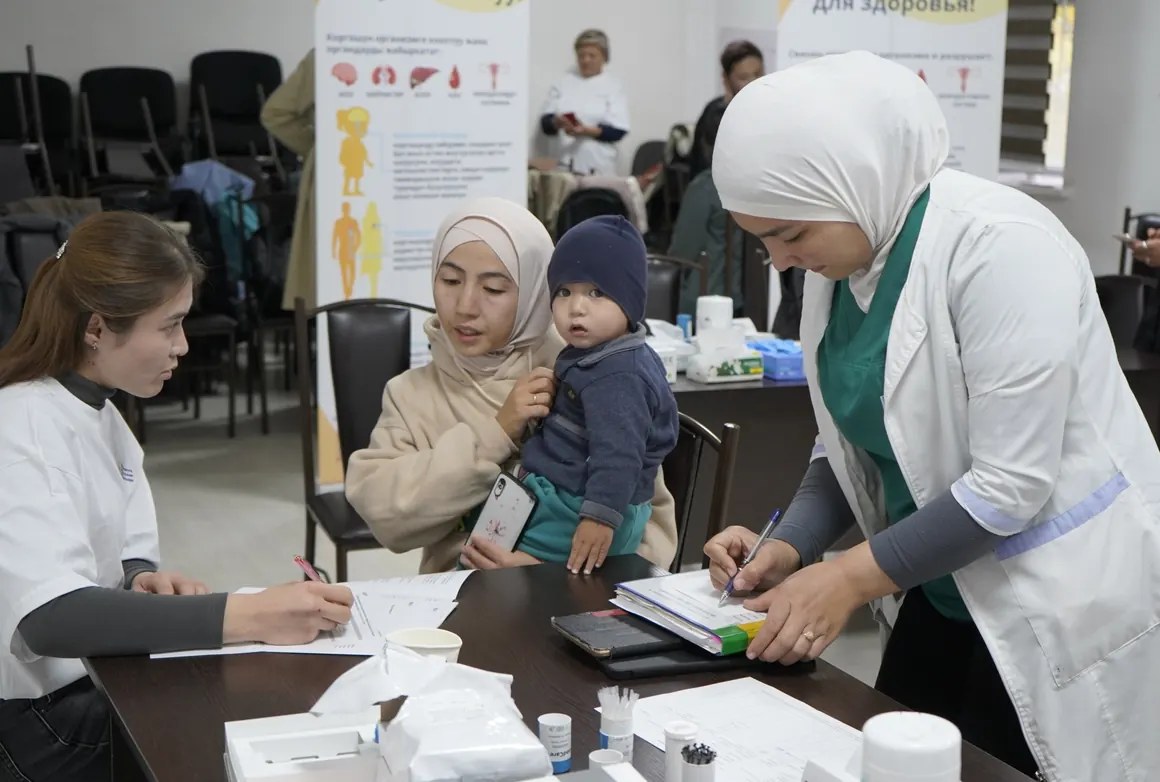
Community health workers in Indonesia train to test children’s blood lead levels.

Bangladesh

175.7 million

people1

$2,597

GDP per capita1

Bangladesh has one of the largest numbers of lead-poisoned children of any country in the world. Between 2025–2026, its government became the first across Pure Earth’s program portfolio to scale independent enforcement action.
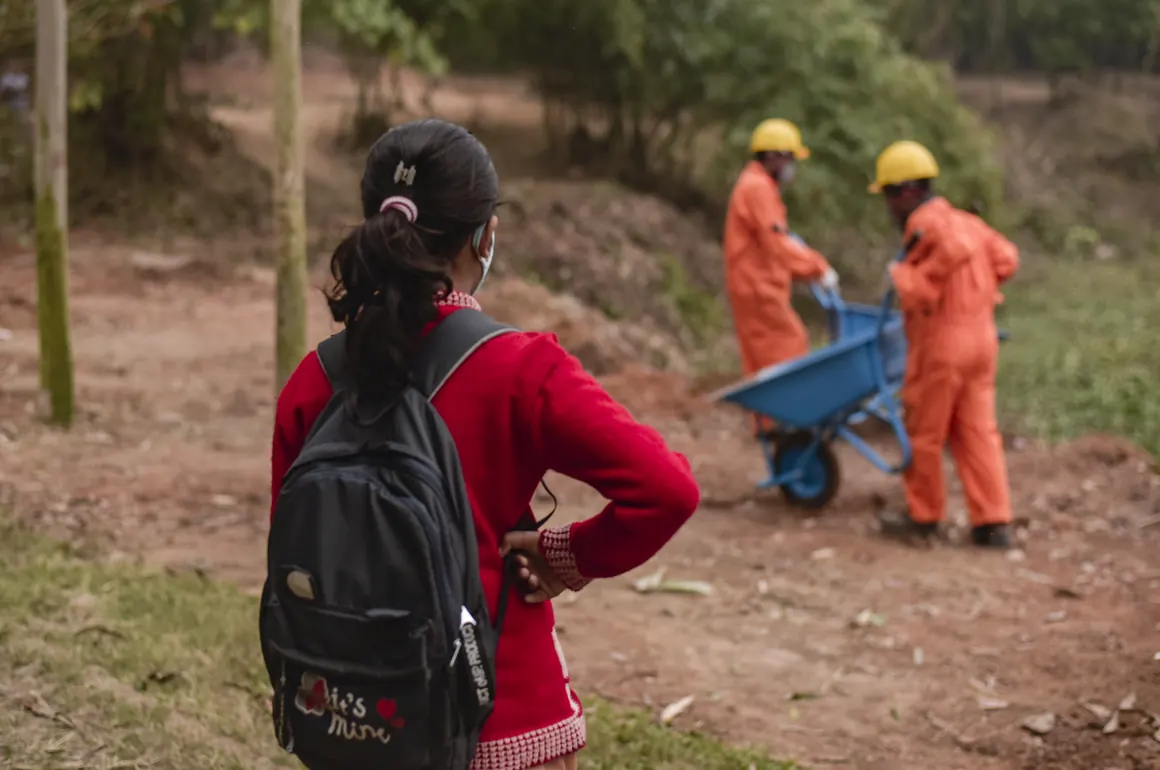
A girl watches a cleanup crew remove lead- contaminated soil in Labanchora, Bangladesh.

38.3%

Percent of children 1-4 years with blood lead levels (BLL) ≥ 5 μg/dL*

5.2 μg/dL

Estimated mean BLL of children 1-4 years*

3.6%

Estimated associated cost of lead-related IQ loss in children younger than 5 years, as a share of GDP ***

91,948

Estimated annual deaths from lead **

$17.7 billion

Estimated associated costs of cardiovascular deaths from lead ***

2.2 million

Estimated annual disability-adjusted life years (DALYs) lost to lead **

*BBS and UNICEF MICS (2025) **IHME Global Burden of Disease (2023) ***World Bank (2019)

National Lead Response

  • Developed/exists
  • Under development
  • Does not exist

Regulatory & Policy Frameworks

  • National lead strategic plan Developed/exists
  • Lead banned in paint Under development
  • Occupational safety standards include lead Developed/exists
  • Policies on max allowable contamination levels Under development

Measurement & Awareness Raising

  • National representative baseline BLL survey Developed/exists
  • National total diet study Does not exist
  • Routine monitoring of BLLs in high-risk populations Under development
  • Routine monitoring of environmental samples Does not exist
  • Lead in national health information system Under development
  • Lead in national environmental information system Does not exist
  • Public awareness campaigns Developed/exists

Response Infrastructure & Capacity

  • National lead technical working group Developed/exists
  • Laboratories for blood lead testing Developed/exists
  • Laboratories for environmental testing Developed/exists
  • Poison control center Does not exist
  • Clinical lead poisoning management guidelines Under development
  • Epidemiological guidelines for lead exposure Developed/exists
  • Budgetary allocation for lead activities Under development

National lead response indicators reflect the existence of structures and frameworks but are not an assessment of their efficacy or adequacy.

Bangladesh’s Progress On The
Five Signals Of Systemic Change
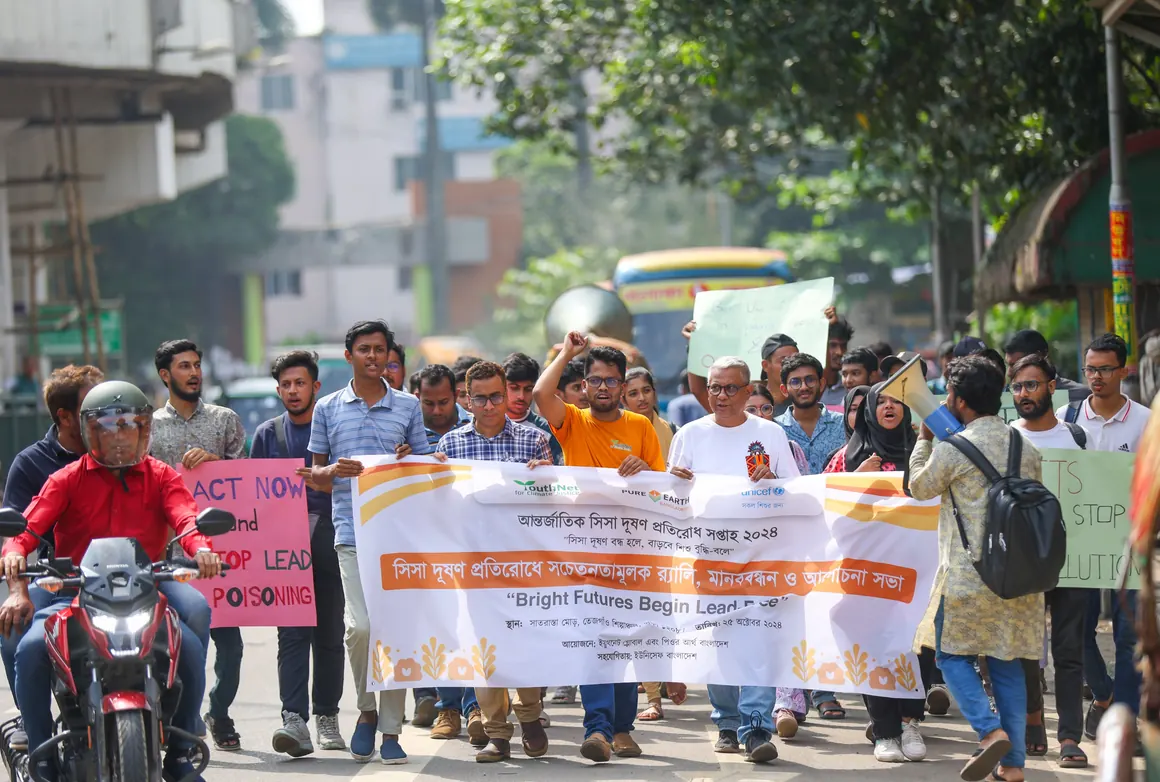
Community members in Bangladesh rally to raise awareness about the dangers of lead poisoning.

SIGNAL SPOTLIGHT

Government Ownership and Independent Action

Bangladesh has started building the architecture needed to measure and act on lead for the long term. The Ministry of Environment, Forest and Climate Change (MoEFCC) leads a multi-stakeholder steering committee comprising a total of 35 ministries, departments, UN agencies, and NGO stakeholders to address lead pollution. In addition, a National Strategy for a Lead-Free Bangladesh and Multi-Year Action Plan, running through 2035, locks in that mandate. Government ownership is most visible in terms of enforcement. Between January 2024 and May 2026, the Department of Environment conducted enforcement actions at 57 informal used lead-acid battery recycling facilities, shutting down illegal operations, filing cases against 77 factories, initiating legal action against eight factory owners, and imposing approximately 5.79 million Bangladeshi Taka, or nearly $47,000, in fines.

Regulatory and Legal Advancement

Bangladesh is starting to write the rules that will govern its lead response for the next decade. To formalize the National Strategy for a Lead-Free Bangladesh and Multi-Year Action Plan (2026–2035) institutionally, Pure Earth, MoEFCC, and the Department of Environment signed a tri-party MoU establishing a formal cooperation framework for managing lead pollution and transitioning the informal battery sector to the formal economy.

Measurable Exposure Reduction

The most striking result in early 2026 came from a site in Labanchora where children had been going to school and living in a residential establishment. Soil lead in the primary smelter zone measured a median of 98,476 ppm before remediation, which is a level so toxic it is difficult to contextualize. After remediation across 1.2 hectares, that figure dropped by more than 99%. Hazardous waste was stabilized and removed under the Department of Environment’s supervision, with post-remediation XRF readings confirming results. The 700 people, including children, who live and go to school on that land are no longer on one of the most contaminated sites Pure Earth has ever documented.

Evidence Activating Policy

The decision to prioritize Labanchora was informed by data. Initial BLL testing of 202 people found that 90.6% exceeded the CDC’s 3.5 µg/dL action threshold, providing the scientific basis for both soil cleanup and community mobilization. In addition, environmental assessments found metal cookware in community homes averaging 640 ppm lead concentration, with individual samples reaching 1,343 ppm, identifying ongoing exposure sources that soil clean-up alone cannot address and flagging a clear target for future interventions addressing cookware as a source of lead exposure. In 2026, post-cleanup BLL testing will produce the first before-and-after health impact data from the site, building the case for scaling this model nationally. Building on field experience from four remediation projects, MoEFCC and the Department of Environment, together with Pure Earth Bangladesh developed Bangladesh’s first Toxic Sites Identification Protocol and Investigation, Remediation, and Risk Reduction Guidelines for informal used lead- acid battery recycling sites in 2025 to improve site assessment, monitoring, and cleanup.

Durable Institutional Capacity

Before 2025, Bangladesh had no formal governance architecture for lead poisoning prevention. By the end of the year, it had two interlocking structures that will outlast any single project or funder. The tri-partite MoU and the MoEFCC Steering Committee together constitute a framework for accountability and coordination that belongs to the government, not to Pure Earth or other partners. A Pure Earth environmental expert seconded into the Ministry of Environment is building technical capacity from the inside, transferring knowledge in a way that stays when the secondee eventually leaves. The national strategy will create a decade-long accountability framework that commits Bangladesh to action through 2035, long after the current phase of support ends.

1 World Bank, World Development Indicators, 2025.


Brazil

212.8 million

people1

$10,713

GDP per capita1

Brazil is one of Pure Earth’s newest country offices, and the institutional architecture built in year one sets a model for how quickly this work can take root.

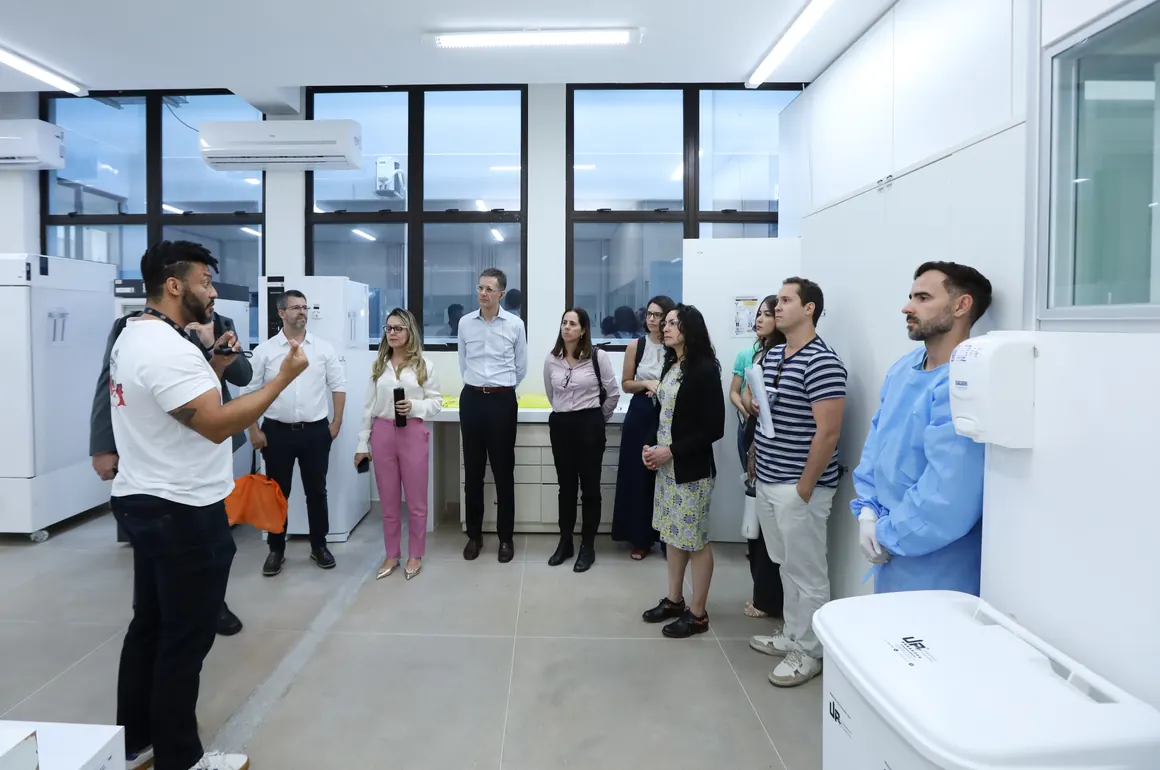
An official walks Pure Earth and government partners through a public health laboratory in Brazil

7.2%

Percent of children 0-19 years with blood lead levels (BLL) ≥ 5 μg/dL**

2.6 μg/dL

Estimated mean BLL of children 0–19 years **

1.9%

Estimated associated cost of lead-related IQ loss in children younger than 5 years, as a share of GDP ***

51,279

Estimated annual deaths from lead **

$83.2 billion

Estimated associated costs of cardiovascular deaths from lead ***

1.1 million

Estimated annual disability-adjusted life years (DALYs) lost to lead exposure **

**IHME Global Burden of Disease (2023) ***World Bank (2019). These estimates do not represent findings from epidemiological surveillance studies conducted in Brazil.

National Lead Response

  • Developed/exists
  • Under development
  • Does not exist

Regulatory & Policy Frameworks

  • National lead strategic plan Under development
  • Lead banned in paint Developed/exists
  • Occupational safety standards include lead Developed/exists
  • Policies on max allowable contamination levels Developed/exists

Measurement & Awareness Raising

  • National representative baseline BLL survey Under development
  • National total diet study Developed/exists
  • Routine monitoring of BLLs in high-risk populations Does not exist
  • Routine monitoring of environmental samples Does not exist
  • Lead in national health information system Developed/exists
  • Lead in national environmental information system Developed/exists
  • Public awareness campaigns Does not exist

Response Infrastructure & Capacity

  • National lead technical working group Developed/exists
  • Laboratories for blood lead testing Developed/exists
  • Laboratories for environmental testing Developed/exists
  • Poison control center Developed/exists
  • Clinical lead poisoning management guidelines Under development
  • Epidemiological guidelines for lead exposure Under development
  • Budgetary allocation for lead activities Does not exist

National lead response indicators reflect the existence of structures and frameworks but are not an assessment of their efficacy or adequacy.

Brazil’s Progress On The Five Signals Of Systemic Change

Government Ownership and Independent Action

Brazil launched the drafting process for its National Strategy for Joint Action to Address Lead Contamination in 2025, highlighting growing signals of government commitment and ownership. A Permanent Lead Technical Working Group now operates within the National Chemical Safety Commission (CONASQ) while the National Action Plan is undergoing successive rounds of feedback and drafting in 2026.

Regulatory and Legal Advancement

This year, Brazil’s lead poisoning prevention agenda advanced key policy milestones. CONASQ agreed to host a Permanent Lead Technical Working Group which held its first meeting to review the proposed National Action Plan in December 2025 with more than 30 stakeholders from government, academia, and civil society. In June 2026, Brazil established a maximum lead concentration of 90 ppm for most paints and surface coatings.

Measurable Exposure Reduction

Brazil took an important step toward implementing national biomonitoring for lead by including lead testing in the 2026 National Health Survey. The survey tested blood lead levels in a subsample of 15,000–20,000 participants aged 35 and older. The Ministry of Health also published a national epidemiological analysis of lead poisonings covering 2015–2024. However, Brazil does not yet have a nationally representative childhood BLL baseline, and nationwide exposure reduction has not yet been measured.

SIGNAL SPOTLIGHT

Durable Institutional Capacity

Brazil’s lead agenda is now embedded in standing institutions rather than dependent on any single champion or initiative. CONASQ’s Lead Technical Working Group is a permanent structure with a recurring mandate. In addition, a 90-ppm paint limit was codified in law, giving it a durability that a voluntary industry standard lacks.

1 World Bank, World Development Indicators, 2025.


Colombia

53.4 million

people1

$8,561

GDP per capita1

Colombia’s progress towards instituting blood lead surveillance is still at an early stage, but 2025–2026 marked a turning point: strategic planning took shape, government ownership strengthened, and lead exposure advanced as a policy priority.

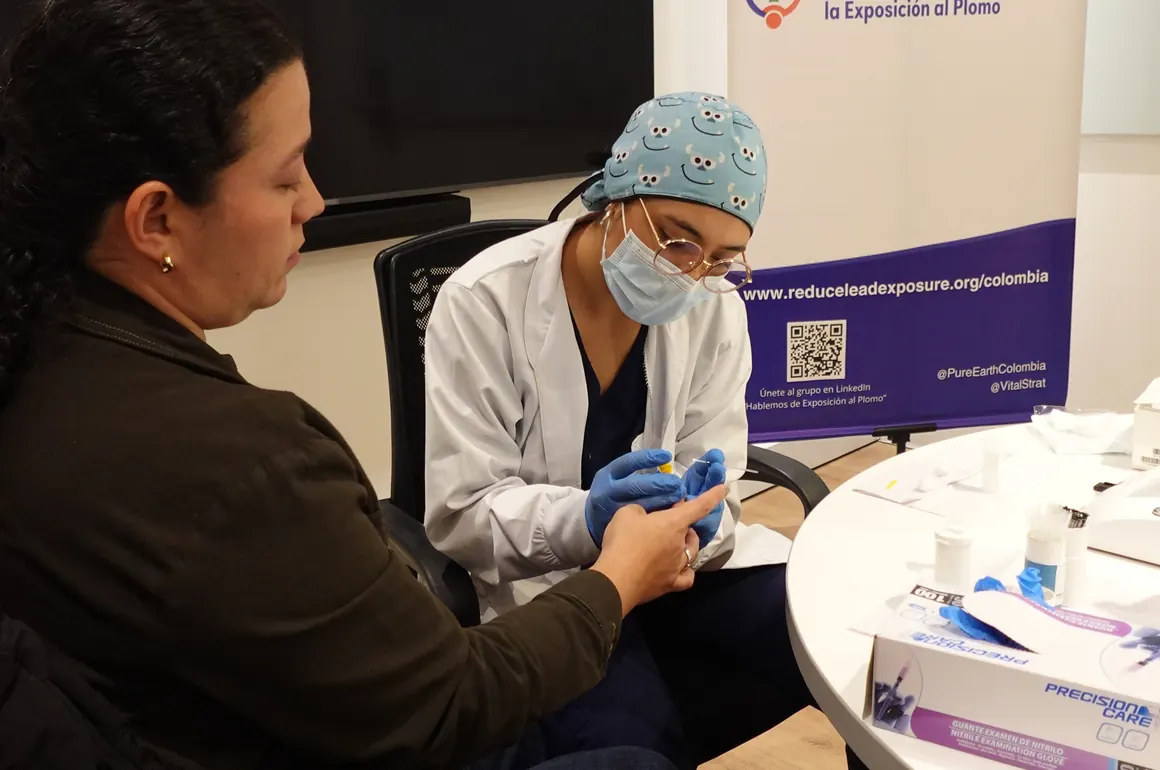
Colombian health workers build skills to screen children for lead exposure.

8.3%

Estimated percent of children 0–19 years with blood lead levels (BLL) > 5 µg/dL**

3.0 μg/dL

Estimated mean BLL of children 0–19 years **

1.5%

Estimated associated cost of lead-related IQ loss in children younger than 5 years, as a share of GDP***

14,318

Estimated annual deaths from lead **

$10 billion

Estimated associated costs of cardiovascular deaths from lead ***

253,600

Estimated annual disability-adjusted life years (DALYs) lost to lead **

**IHME Global Burden of Disease (2023) ***World Bank (2019). The estimates above are modeled estimates and do not correspond to findings from epidemiological surveillance studies conducted in Colombia.

National Lead Response

  • Developed/exists
  • Under development
  • Does not exist

Regulatory & Policy Frameworks

  • National lead strategic plan Does not exist
  • Lead banned in paint Developed/exists
  • Occupational safety standards include lead Developed/exists
  • Policies on max allowable contamination levels Developed/exists

Measurement & Awareness Raising

  • National representative baseline BLL survey Does not exist
  • National total diet study Does not exist
  • Routine monitoring of BLLs in high-risk populations Does not exist
  • Routine monitoring of environmental samples Does not exist
  • Lead in national health information system Does not exist
  • Lead in national environmental information system Does not exist
  • Public awareness campaigns Under development

Response Infrastructure & Capacity

  • National lead technical working group Does not exist
  • Laboratories for blood lead testing Developed/exists
  • Laboratories for environmental testing Developed/exists
  • Poison control center Does not exist
  • Clinical lead poisoning management guidelines Under development
  • Epidemiological guidelines for lead exposure Under development
  • Budgetary allocation for lead activities Does not exist

National lead response indicators reflect the existence of structures and frameworks but are not an assessment of their efficacy or adequacy.

Colombia’s Progress On The Five Signals Of Systemic Change

Government Ownership and Independent Action

After making significant national progress addressing mercury contamination, government ownership is beginning to emerge as national and subnational institutions engage more actively on childhood lead exposure. Ongoing engagement with the National Planning Department (DNP) and PAHO, together with collaboration with local health authorities, is helping position lead exposure within broader environmental and public health policy discussions.

Regulatory and Legal Advancement

Pure Earth and Vital Strategies developed a national childhood lead exposure prevention capacity assessment, informed by engagement with national and local health stakeholders. The assessment identified existing regulatory and institutional foundations for lead exposure prevention, while highlighting gaps in enforcement and coordination. It provides a roadmap for strengthening implementation and coordination across responsible institutions.

Measurable Exposure Reduction

Colombia is laying the groundwork for expanded BLL surveillance through capacity-building and implementation efforts with local health authorities, while continuing to build engagement with national health institutions. These efforts are helping establish the capacity needed to identify high-risk populations and inform future targeted exposure-reduction actions. Additionally, Colombia is working with the Pasto Chamber of Commerce to identify and reduce occupational lead exposure risks among automotive repair and recycling workers.

SIGNAL SPOTLIGHT

Evidence Activating Policy

A market assessment, conducted with support from Coefficient Giving, found that 21% of sampled aluminum cookware exceeded the recommended 100 ppm lead reference levels. In addition, the market assessment identified informal distribution channels as the highest-risk pathway. This evidence is being used to engage national and local authorities around regulatory gaps and supply-chain risks.

Durable Institutional Capacity

Collaboration with the National Planning Department, PAHO, subnational health authorities, the Pasto Chamber of Commerce, and a newly signed MoU with the National Business Association of Colombia is helping move lead exposure from a technical issue to a shared public health and development priority. These efforts are strengthening multisectoral coordination, informing policy dialogue, and establishing the conditions needed to sustain surveillance, prevention, and future policy and regulatory action to protect vulnerable populations at the national and territorial level.

1 World Bank, World Development Indicators, 2025.


Ethiopia

135.5 million

people1

$933

GDP per capita1

Pure Earth’s newest country office, Ethiopia, focused on building the institutional foundations for national action in year one.

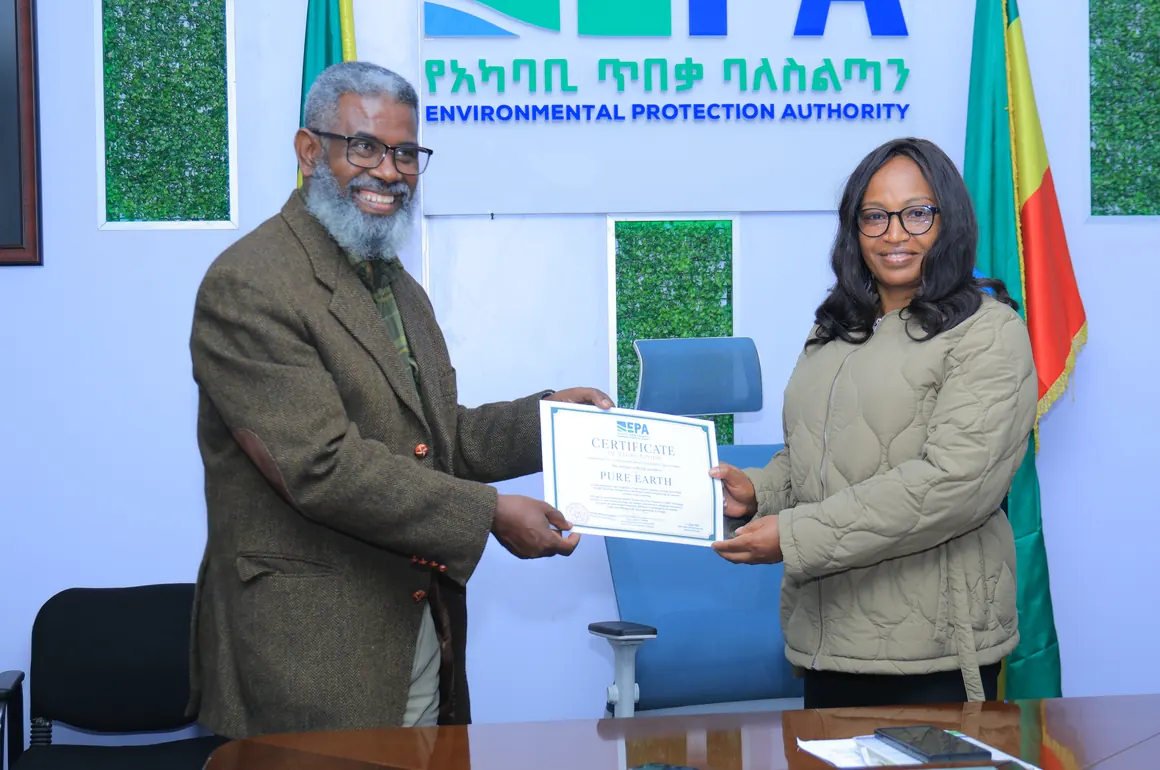
Ethiopia’s Environmental Protection Authority formally certifies Pure Earth as a partner in the national fight against lead poisoning.

36%

Estimated percent of children 0–19 years with blood lead levels (BLL) > 5 µg/dL**

4.6 μg/dL

Estimated mean BLL of children 0–19 years **

6.9%

Estimated associated cost of lead-related IQ loss in children younger than 5 years, as a share of GDP***

13,789

Estimated annual deaths from lead **

$1.4 billion

Estimated associated costs of cardiovascular deaths from lead ***

337,277

Estimated annual disability-adjusted life years (DALYs) lost to lead exposure **

**IHME Global Burden of Disease (2023) ***World Bank (2019). These estimates do not represent findings from epidemiological surveillance studies conducted in Ethiopia.

National Lead Response

  • Developed/exists
  • Under development
  • Does not exist

Regulatory & Policy Frameworks

  • National lead strategic plan Under development
  • Lead banned in paint Developed/exists
  • Occupational safety standards include lead Developed/exists
  • Policies on max allowable contamination levels Does not exist

Measurement & Awareness Raising

  • National representative baseline BLL survey Under development
  • National total diet study Does not exist
  • Routine monitoring of BLLs in high-risk populations Does not exist
  • Routine monitoring of environmental samples Does not exist
  • Lead in national health information system Does not exist
  • Lead in national environmental information system Does not exist
  • Public awareness campaigns Under development

Response Infrastructure & Capacity

  • National lead technical working group Developed/exists
  • Laboratories for blood lead testing Does not exist
  • Laboratories for environmental testing Developed/exists
  • Poison control center Under development
  • Clinical lead poisoning management guidelines Under development
  • Epidemiological guidelines for lead exposure Does not exist
  • Budgetary allocation for lead activities Does not exist

National lead response indicators reflect the existence of structures and frameworks but are not an assessment of their efficacy or adequacy.

Ethiopia’s Progress On The Five Signals Of Systemic Change

Government Ownership and Independent Action

Ethiopia made significant strides in strengthening national ownership and institutional leadership in 2025–2026. A major milestone was the re-establishment of the National Lead Coordinating Committee (NLCC), Ethiopia’s primary multi-sectoral coordination mechanism for lead poisoning prevention. The NLCC now operates through a strengthened three-tier governance structure, supported by five thematic subcommittees, laying the groundwork for more coordinated and accountable implementation. Further reinforcing national ownership, Pure Earth and the Ethiopian Environmental Health Association signed a two-year MoU in May 2026 to strengthen national efforts to prevent lead poisoning. The partnership seeks to enhance local research capacity, generate evidence to inform policy and practice, and strengthen professional engagement in environmental health.

Regulatory and Legal Advancement

Progress was made toward strengthening the policy and regulatory environment for lead poisoning prevention. During the Second National Lead Poisoning Prevention Day, the Environmental Protection Agency (EPA) and Pure Earth signed an MoU, establishing a framework for coordinated action on lead exposure assessment, prevention, and response. In parallel, a national technical workshop was convened to initiate the development of the first health-based guidelines on lead poisoning and hazardous chemical management.

Measurable Exposure Reduction

Pure Earth, in partnership with the EPA, scoped 32 potential toxic hotspots and prioritized 15 for further study under its Toxic Site Identification Program (TSIP). The site investigation work will be guided by a detailed sampling and testing plan, outlining XRF-based field measurement protocols, quality assurance procedures, health and safety protocols, and potential laboratory arrangements. TSIP site investigation at the 15 sites is set to begin after the rainy season in 2026, with sites prioritized for detailed investigations and remediation based on XRF testing results. The TSIP site investigations will be completed in conjunction with community and market assessments, with some TSIP sites located within or adjacent to selected communities.

Durable Institutional Capacity

Pure Earth worked closely with national stakeholders to support the development of the country’s first-ever comprehensive National Roadmap for Lead Exposure and Poisoning Prevention. This landmark roadmap establishes an ambitious national goal of reducing childhood blood lead levels by 60% by 2030, providing a clear framework for coordinated action, policy implementation, and long-term prevention efforts. To further reinforce institutional capacity, Pure Earth donated the first portable XRF analyzer to the EPA, and trained EPA staff on how to use it, strengthening their ability to detect, measure, and monitor lead concentrations.

1 World Bank, World Development Indicators, 2025.


Ghana

35.1 million

people1

$3,257

GDP per capita1

Ghana delivered results across all five signals of systemic change in 2025-2026, including significant regulatory progress to limit lead in cookware, making it one of the strongest country-level impact stories in the portfolio.

Pure Earth’s Ghana team raises community awareness about lead exposure and how families can protect their children.

27.8%

Estimated percent of children 0–19 years with blood lead levels (BLL) > 5 µg/dL**

4.1 μg/dL

Estimated mean BLL of children 0–19 years **

4.5%

Estimated associated cost of lead-related IQ loss in children younger than 5 years, as a share of GDP***

5,474

Estimated annual deaths from lead **

$1.8 billion

Estimated associated costs of cardiovascular deaths from lead ***

142,526

Estimated annual disability-adjusted life years (DALYs) lost to lead **

**IHME Global Burden of Disease (2023) ***World Bank (2019). These estimates do not represent findings from epidemiological surveillance studies conducted in Ghana.

National Lead Response

  • Developed/exists
  • Under development
  • Does not exist

Regulatory & Policy Frameworks

  • National lead strategic plan Developed/exists
  • Lead banned in paint Under development
  • Occupational safety standards include lead Does not exist
  • Policies on max allowable contamination levels Developed/exists

Measurement & Awareness Raising

  • National representative baseline BLL survey Under development
  • National total diet study Does not exist
  • Routine monitoring of BLLs in high-risk populations Does not exist
  • Routine monitoring of environmental samples Does not exist
  • Lead in national health information system Developed/exists
  • Lead in national environmental information system Developed/exists
  • Public awareness campaigns Developed/exists

Response Infrastructure & Capacity

  • National lead technical working group Developed/exists
  • Laboratories for blood lead testing Developed/exists
  • Laboratories for environmental testing Developed/exists
  • Poison control center Developed/exists
  • Clinical lead poisoning management guidelines Developed/exists
  • Epidemiological guidelines for lead exposure Does not exist
  • Budgetary allocation for lead activities Does not exist

National lead response indicators reflect the existence of structures and frameworks but are not an assessment of their efficacy or adequacy.

Ghana’s Progress On The
Five Signals Of Systemic Change

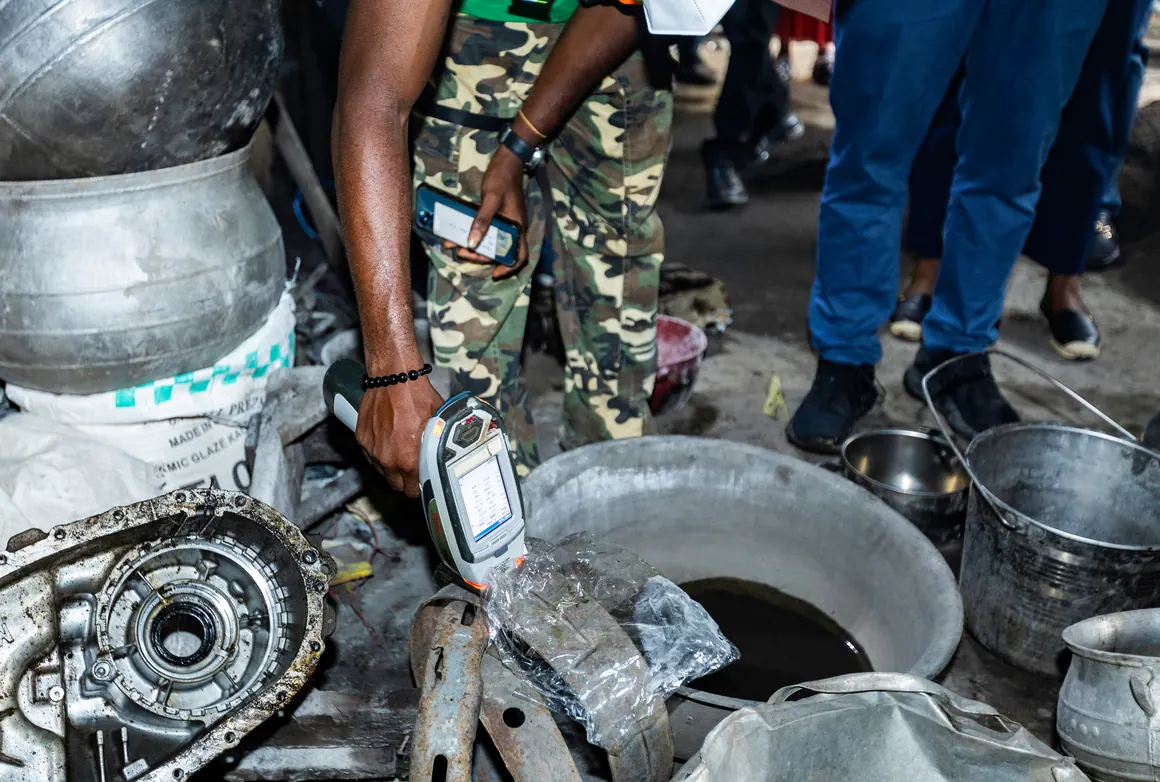
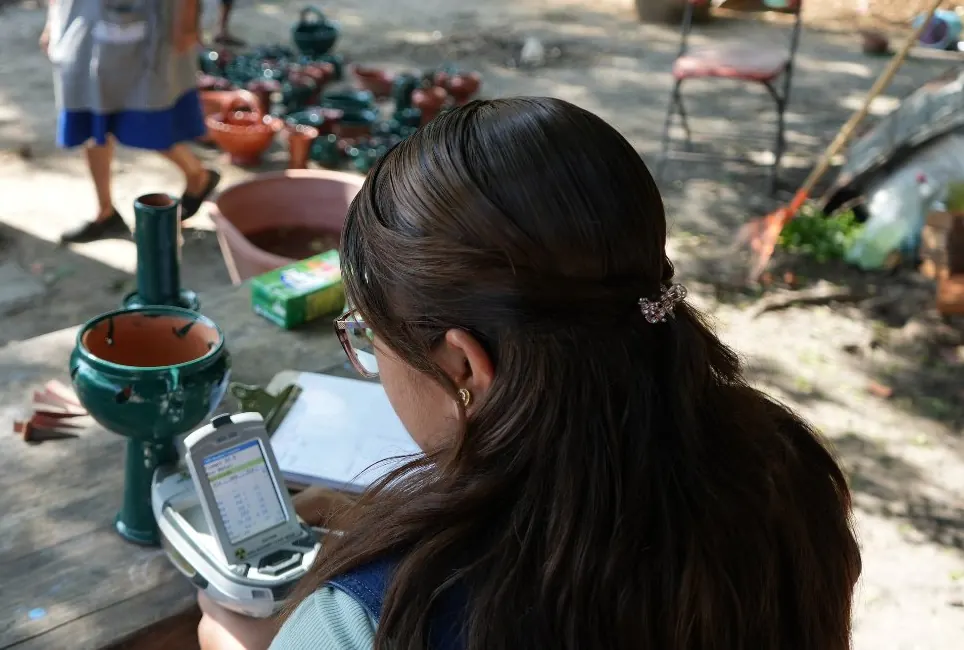
A researcher in Ghana tests metal cookware for lead with an XRF analyzer.

Government Ownership and Independent Action

An MoU between the Environmental Protection Authority (EPA) and Pure Earth strengthened the capacity for lead poisoning prevention by establishing a National Lead Technical Working Group, which is mandated to develop a national Lead Poisoning Prevention Roadmap, as well as a governance and coordination framework and budget to guide its implementation.

SIGNAL SPOTLIGHT

Regulatory and Legal Advancement

Ghana made important progress in strengthening the policy and regulatory environment for lead poisoning prevention. Through collaboration between Pure Earth and the Ghana Standards Authority, new standards limiting lead concentration in cookware have been approved and published, awaiting their nation-wide implementation; these standards were informed by evidence generated by Pure Earth in studies that tested lead contamination in cookware found in households and markets, as well as comprehensive assessments of the cookware supply chain.

Measurable Exposure Reduction

Pure Earth Ghana, in collaboration with the Ghana Health Service, Oxford University and the Center for Global Development, is implementing a randomized controlled trial (RCT) to evaluate the feasibility and effectiveness of replacing lead-contaminated cookware and/or eyeliner to reduce lead exposure among children aged under 5 years in Northern Ghana. The replacement of contaminated cookware and eyeliners in RCT households with lead-free alternatives has been completed, and follow-up BLL data collection will determine if this replacement led to a significant change in BLLs in children enrolled in the trial. At the same time, Pure Earth is continuing to work with the Ghana Standards Authority to better understand the market dynamics of lead contaminated aluminum cookware and cosmetics through a market assessment and a supply chain analysis.

Evidence Activating Policy

In partnership with the EPA, Pure Earth is conducting initial site screenings of 15 toxic sites. When completed, the results will be used to prioritize sites for further investigation and, potentially, remediation. Ghana is conducting a lead mass balance study to characterize and quantify the flow of lead throughout used lead-acid battery recycling operations, from their import, export, collection, and movement through recycling and final product and waste streams. The results will provide evidence to better understand potential pathways of lead release into the environment and support the development and implementation of appropriate policies and management guidelines for the used lead-acid battery sector in Ghana. Ten community and market assessments will be conducted to generate data on potential sources of population lead exposure and assist in targeting high-risk communities with source-specific interventions.

Durable Institutional Capacity

As part of its commitment to building durable institutional capacity, Pure Earth donated an XRF to the EPA. The donation, and subsequent training, is intended to strengthen EPA’s technical capacity to detect and monitor lead and other heavy metals in environmental samples and consumer products, and to undertake regulatory inspections, enforce environmental standards and generate the scientific evidence needed to inform policy. Pure Earth is in the process of supporting the Ghana Standards Authority with repairing an Inductively Coupled Plasma Mass Spectrometer, a high-precision, quantitative laboratory instrument capable of detecting extremely low levels of lead. This investment will enhance Ghana’s ability to conduct high-quality analysis of environmental samples and consumer products and generate scientific evidence to inform policy decision-making.

1 World Bank, World Development Indicators, 2025.


India

1.46 billion

people1

$2,702

GDP per capita1

In 2025-2026, India moved from generating evidence to acting on it, with research reaching sufficient scale to begin driving regulatory and government action at both state and national levels.

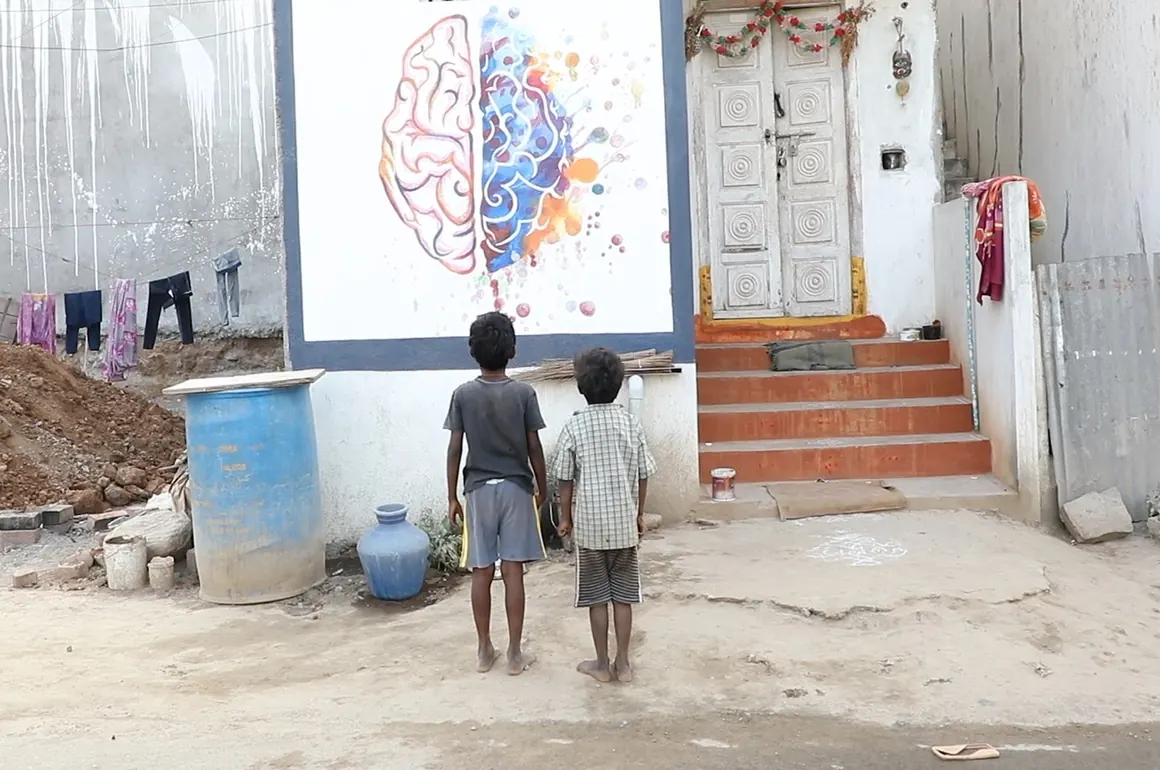
Children in India look at a mural showing how lead harms the developing brain.

46.8%

Estimated percent of children 0–19 years with blood lead levels (BLL) > 5 µg/dL**

5.3 μg/dL

Estimated mean BLL of children 0–19 years **

3.3%

Estimated associated cost of lead-related IQ loss in children younger than 5 years, as a share of GDP***

652,830

Estimated annual deaths from lead **

$166.3 billion

Estimated associated costs of cardiovascular deaths from lead ***

16.1 million

Estimated annual disability-adjusted life years (DALYs) lost to lead **

**IHME Global Burden of Disease (2023) ***World Bank (2019). These estimates do not represent findings from epidemiological surveillance studies conducted in India.

National Lead Response

  • Developed/exists
  • Under development
  • Does not exist

Regulatory & Policy Frameworks

  • National lead strategic plan Under development
  • Lead banned in paint Developed/exists
  • Occupational safety standards include lead Under development
  • Policies on max allowable contamination levels Developed/exists

Measurement & Awareness Raising

  • National representative baseline BLL survey Does not exist
  • National total diet study Under development
  • Routine monitoring of BLLs in high-risk populations Does not exist
  • Routine monitoring of environmental samples Does not exist
  • Lead in national health information system Under development
  • Lead in national environmental information system Under development
  • Public awareness campaigns Under development

Response Infrastructure & Capacity

  • National lead technical working group Under development
  • Laboratories for blood lead testing Developed/exists
  • Laboratories for environmental testing Developed/exists
  • Poison control center Under development
  • Clinical lead poisoning management guidelines Under development
  • Epidemiological guidelines for lead exposure Under development
  • Budgetary allocation for lead activities Under development

National lead response indicators reflect the existence of structures and frameworks but are not an assessment of their efficacy or adequacy.

India’s Progress On The
Five Signals Of Systemic Change

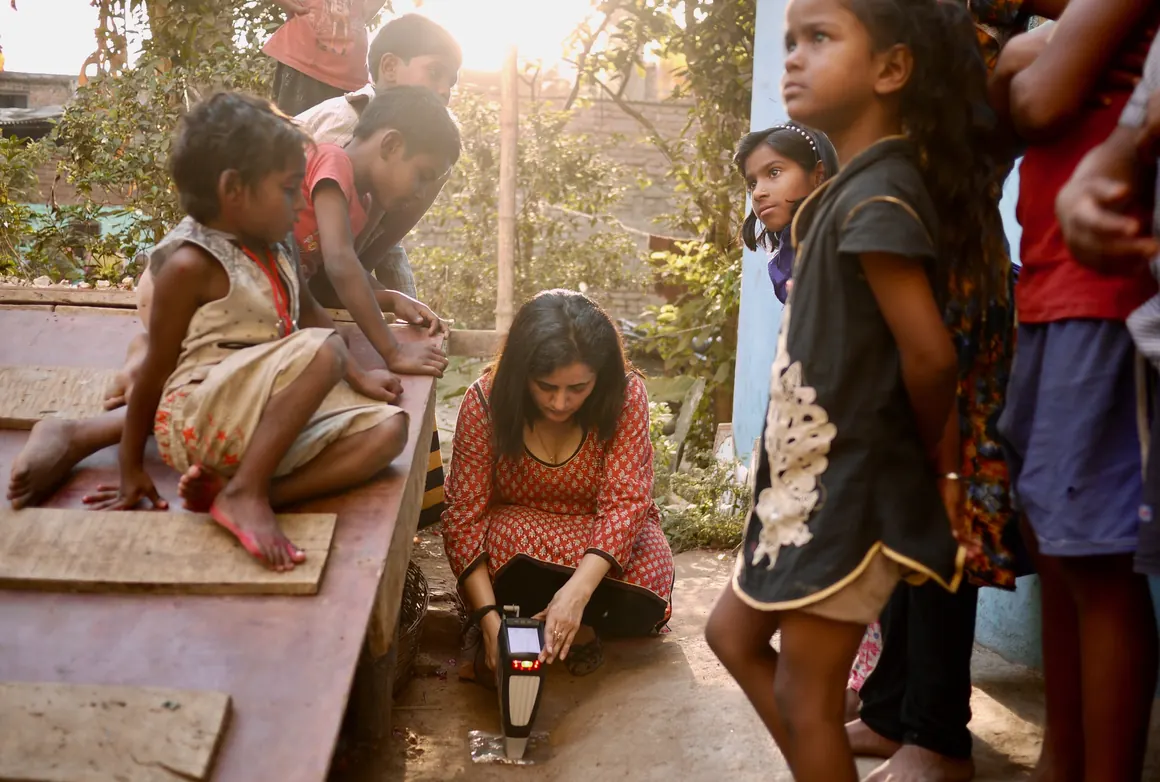
A Pure Earth team member analyzes soil for lead in Karmalichak, India.

Government Ownership and Independent Action

The clearest sign that India’s government is taking ownership of the lead crisis is the breadth of institutions now moving independently. Bihar’s State Food and Safety Department approved pilot interventions addressing lead adulteration in turmeric across three districts, including Gaya, Patna, and Samastipur. Those pilots are to include supply chain mapping, enforcement drives, consumer awareness and behavior change, and strengthening routine inspection capacity. At the national level, the National Center for Disease Control’s National Biomonitoring Program on Chemical Toxicants (NBPCT) convened a consultative workshop that brought together participants from government ministries, medical colleges, and NGOs. The Food Safety and Standards Authority of India hosted a national consultation on lead adulteration in turmeric, with food safety commissioners and senior officers from nine states. The Maharashtra Public Health Department independently used the International Lead Poisoning Prevention Week platform to release locally contextualized lead poisoning communication materials, reaching 28,000 Instagram followers and 348,000 Facebook followers. A state public health department creating and distributing its own lead awareness materials is exactly what government ownership looks like in practice.

Regulatory and Legal Advancement

Tamil Nadu’s regulatory pipeline could eventually reach every kitchen in the state which is home to 81 million people. Pure Earth’s work mapping Tamil Nadu’s cookware supply chain, under supervision of the Bureau of Indian Standards (BIS), gave credible insights into the status of cookware quality and certification across informal manufacturers. A 2026 amendment mandating certification for aluminum utensils under the Quality Control Order has now given further impetus to take the evidence forward and support the registration of informal manufacturers moving them to lead-safe manufacturing practices.

SIGNAL SPOTLIGHT

Evidence Activating Policy

In 2026, a childhood lead exposure survey in Tamil Nadu established that 39% of children under six years of age and 20% of pregnant women had BLLs exceeding 5 µg/dL; these results were disseminated at a formal government workshop. In addition, a cookware manufacturer assessment found 89% of 117 aluminum cookware producers across 20 districts of Tamil Nadu lacked BIS certification; moreover, some informal manufacturers are using lead-contaminated scrap metal and in some cases adding lead dioxide to the aluminum during the manufacturing process to lower aluminum’s melting temperature. This creates a specific, actionable evidence base for BIS regulatory engagement and industry education, as well as a research opportunity to identify alternatives to lead dioxide.

Durable Institutional Capacity

In July 2025, Pure Earth supported the incorporation of an independent entity, Pure Earth Lead Pvt Ltd, to support its India operations through technical and programmatic expertise. In Maharashtra, two LeadCare II analyzers and 40 test kits donated to government partners expanded India’s independent surveillance capacity, putting the tools for lead testing directly into government hands. Also in Maharashtra, a BLL survey of 1,400 children and a home-based assessment of 146 households with children reporting high blood lead levels have been completed, contributing to the evidence base to mobilize state and government action.

1 World Bank, World Development Indicators, 2025.


Indonesia

285.7 million

people1

$5,060

GDP per capita1

Indonesia moved from evidence collection to a national action plan, under the leadership of the government of Indonesia.

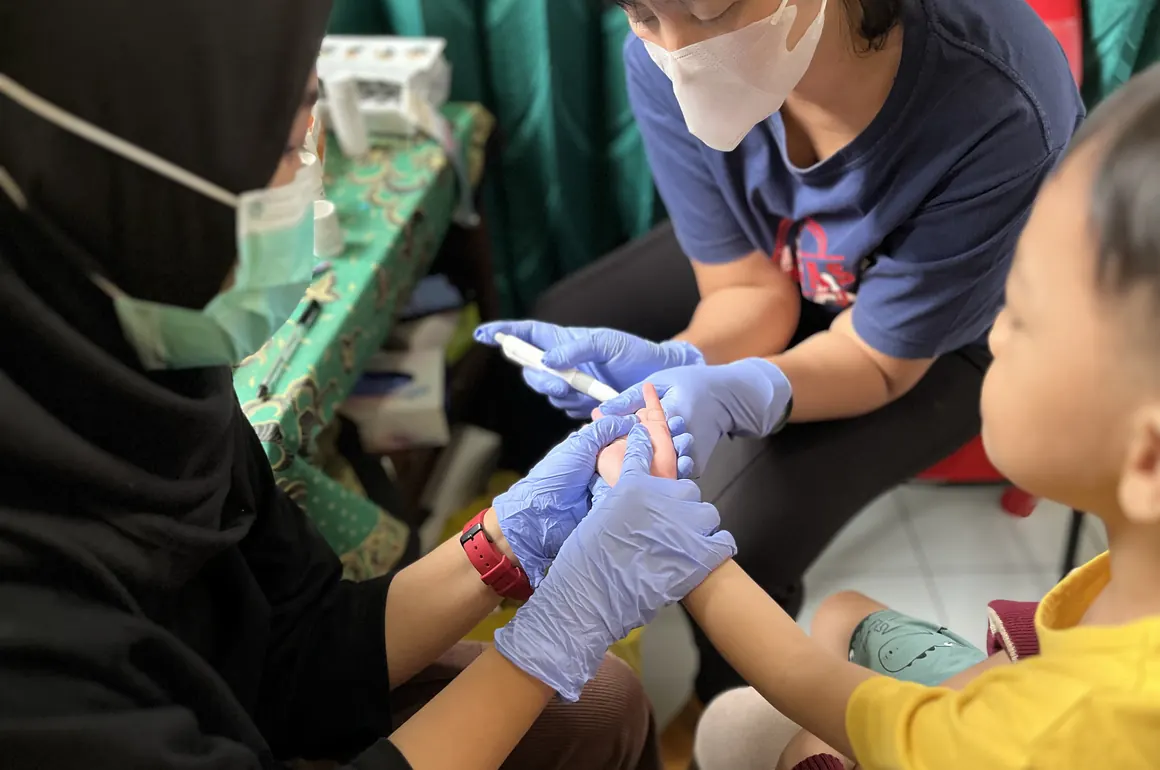
A health worker tests a child’s blood lead level in Indonesia.

25.2%

Estimated percent of children 0–19 years with blood lead levels (BLL) > 5 µg/dL**

3.9 μg/dL

Estimated mean BLL of children 0–19 years **

2.1%

Estimated associated cost of lead-related IQ loss in children younger than 5 years, as a share of GDP***

108,471

Estimated annual deaths from lead **

$70.4 billion

Estimated associated costs of cardiovascular deaths from lead ***

3.1 million

Estimated annual disability-adjusted life years (DALYs) lost to lead **

**IHME Global Burden of Disease (2023) ***World Bank (2019). These estimates do not represent findings from epidemiological surveillance studies conducted in Indonesia.

National Lead Response

  • Developed/exists
  • Under development
  • Does not exist

Regulatory & Policy Frameworks

  • National lead strategic plan Under development
  • Lead banned in paint Under development
  • Occupational safety standards include lead Developed/exists
  • Policies on max allowable contamination levels Developed/exists

Measurement & Awareness Raising

  • National representative baseline BLL survey Under development
  • National total diet study Developed/exists
  • Routine monitoring of BLLs in high-risk populations Does not exist
  • Routine monitoring of environmental samples Under development
  • Lead in national health information system Does not exist
  • Lead in national environmental information system Under development
  • Public awareness campaigns Developed/exists

Response Infrastructure & Capacity

  • National lead technical working group Under development
  • Laboratories for blood lead testing Under development
  • Laboratories for environmental testing Under development
  • Poison control center Under development
  • Clinical lead poisoning management guidelines Developed/exists
  • Epidemiological guidelines for lead exposure Developed/exists
  • Budgetary allocation for lead activities Developed/exists

National lead response indicators reflect the existence of structures and frameworks but are not an assessment of their efficacy or adequacy.

Indonesia’s Progress On The Five Signals Of Systemic Change

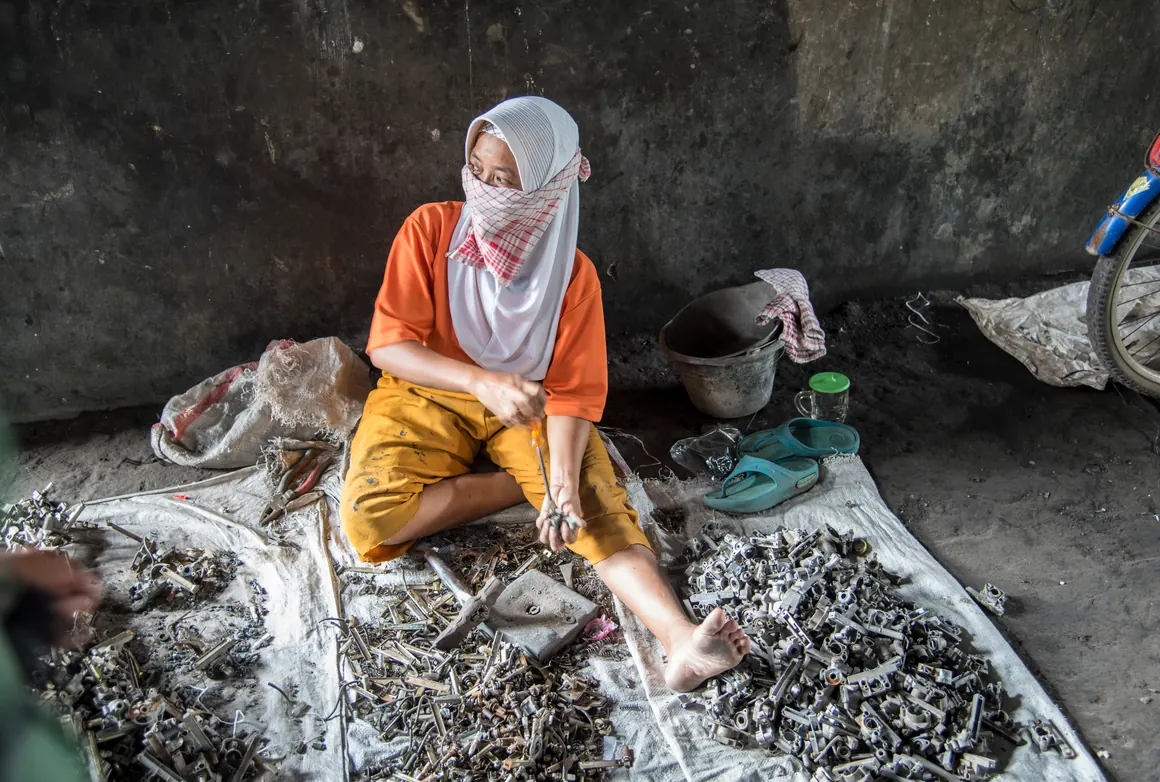
A woman extracts lead from used batteries in Pesarean, Indonesia.

Government Ownership and Independent Action

The Ministry of Health confirmed state budget funding for supervising the BLL surveys across six provinces. The Coordinating Ministry for Human Development and Culture initiated the National Action Plan for Lead-Free Indonesia, with a Technical Working Group convening its first meeting in November 2025. The National Action Plan, currently in development, will create a binding multi- agency framework for lead exposure reduction.

Regulatory and Legal Advancement

Findings from BLL surveillance, home lead exposure source assessments, and toxic site investigations have been used as evidence to accelerate the development of a National Action Plan on lead exposure.

Measurable Exposure Reduction

The Government of Tegal Regency, Central Java province, independently allocated funds for continued remediation of lead-contaminated land in Pesarean Village, work that the Ministry of Environment and Forestry began in 2024 and based on the remediation plan supported by Pure Earth.

SIGNAL SPOTLIGHT

Evidence Activating Policy

Data Pure Earth and partners generated in Indonesia in 2025 helped identify sources of lead, providing the evidence for regulators to make policy recommendations for addressing those sources. BLL testing of 1,609 children across 12 locations found that 15% exceeded WHO threshold of ≥ 5 µg/dL, with rural children more affected than urban. Household assessments linked specific products to elevated BLLs: metal cookware exceeded reference levels in 71% of homes, and every twofold increase in soil lead concentration was associated with an 8% increase in children’s BLLs. These findings are now the quantitative foundation for the National Action Plan’s source control priorities. Sixteen used lead-acid battery recycling sites were investigated and added to the Toxic Sites Identification Program database. These sites are exposing an estimated 8,918 people to contamination with peak soil lead levels reaching 32,600 ppm.

Durable Institutional Capacity

Four LeadCare II analyzers and 39 test kits were donated to the government, along with training of local staff, enabling country-led BLL surveillance. The Ministry of Health and the National Research and Innovation Agency are now institutional partners in BLL surveillance, building internal technical capacity. The World Bank subsequently ran a 5,000-person BLL survey and reported results to the Deputy Minister of Health, signaling that Indonesia’s lead exposure data have reached a level of credibility and visibility that attracts major multilateral investment.

1 World Bank, World Development Indicators, 2025.


Kyrgyzstan

7.3 million

people1

$3,081

GDP per capita1

Kyrgyzstan’s 2025-2026 achievements are defined by firsts: first national blood lead level data, first reference laboratory, first lead indicator in a national development plan.

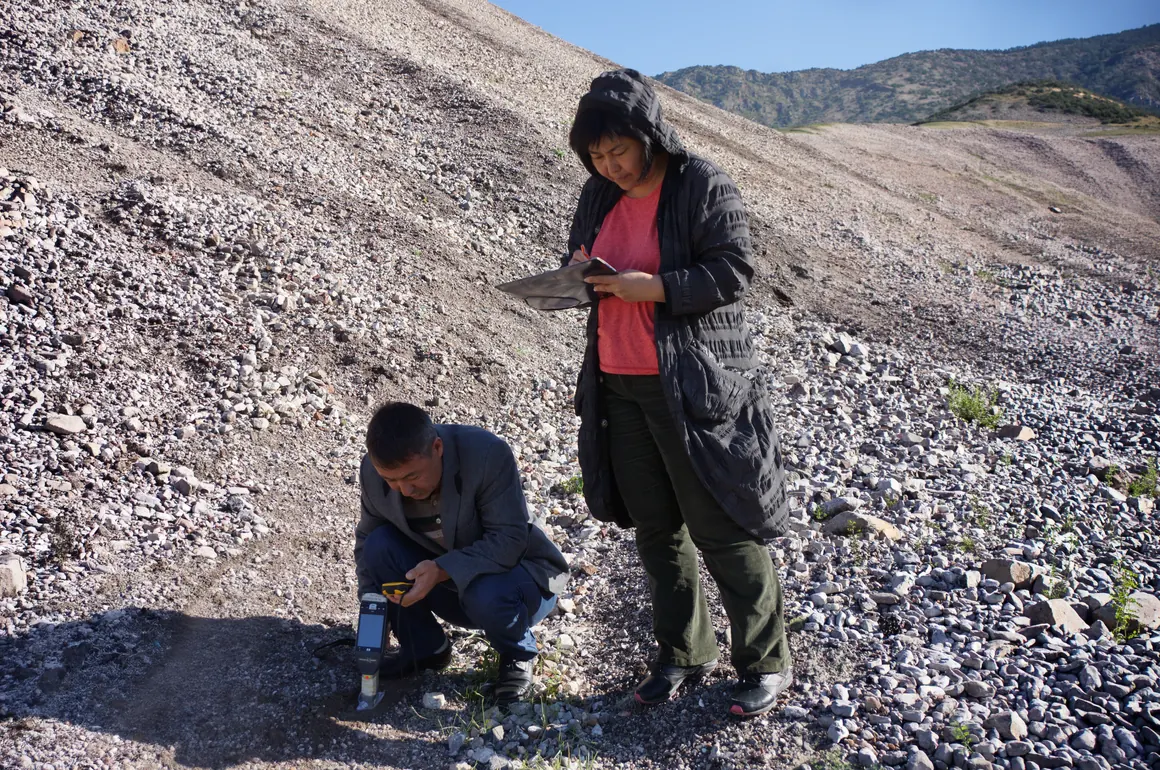
Pure Earth investigators in Kyrgyzstan test soil near a lead mining site using an XRF.

21.5%

Percent of children 1–6 years with blood lead levels (BLL) ≥ 5 µg/dL*

5.6 μg/dL

Estimated mean BLL of children 0–19 years **

4.0%

Estimated associated cost of lead-related IQ loss in children younger than 5 years, as a share of GDP***

3,645

Estimated annual deaths from lead **

$536 million

Estimated associated costs of cardiovascular deaths from lead ***

78,811

Estimated annual disability-adjusted life years (DALYs) lost to lead **

*Kyrgyzstan National Survey (2025) **IHME Global Burden of Disease (2023) ***World Bank (2019). These estimates do not represent findings from epidemiological surveillance studies conducted in Kyrgyzstan.

National Lead Response

  • Developed/exists
  • Under development
  • Does not exist

Regulatory & Policy Frameworks

  • National lead strategic plan Under development
  • Lead banned in paint Developed/exists
  • Occupational safety standards include lead Does not exist
  • Policies on max allowable contamination levels Under development

Measurement & Awareness Raising

  • National representative baseline BLL survey Developed/exists
  • National total diet study Does not exist
  • Routine monitoring of BLLs in high-risk populations Under development
  • Routine monitoring of environmental samples Under development
  • Lead in national health information system Under development
  • Lead in national environmental information system Under development
  • Public awareness campaigns Under development

Response Infrastructure & Capacity

  • National lead technical working group Under development
  • Laboratories for blood lead testing Developed/exists
  • Laboratories for environmental testing Under development
  • Poison control center Under development
  • Clinical lead poisoning management guidelines Does not exist
  • Epidemiological guidelines for lead exposure Under development
  • Budgetary allocation for lead activities Under development

National lead response indicators reflect the existence of structures and frameworks but are not an assessment of their efficacy or adequacy.

Kyrgyzstan’s Progress On The Five Signals Of Systemic Change

A health worker tests a child’s blood lead level in Kyrgyzstan. The country’s first national blood lead survey found that one in five children exceeded the WHO reference value.

Government Ownership and Independent Action

The Cabinet of Ministers invited Pure Earth’s implementing partner, Ekois, to participate in working group discussions of the country’s national health and development strategy (National Health Development Program 2030, Healthy Person – Prosperous Country), resulting in a lead monitoring indicator being written into the strategy. This means lead surveillance is now a government commitment with a named indicator and, implicitly, a budget obligation through 2030.

Regulatory and Legal Advancement

With the support of Pure Earth and the Ministry of Health, a National Clinical Guideline on the Diagnosis, Treatment, and Prevention of Lead Poisoning has been developed. Once officially approved, these clinical guidelines will become national standards of medical care and represent an important step toward the introduction of official clinical protocols for the management of lead poisoning.

SIGNAL SPOTLIGHT

Evidence Activating Policy

The 2025 BLL survey was the first nationally representative assessment of childhood lead exposure in the Kyrgyz Republic’s history. One in five children exceeded the WHO reference value. Among children living near known contaminated sites, only 8% of children had BLLs below 3.3 µg/dL. These findings informed the inclusion of a lead monitoring indicator in the country’s national health and development strategy. Household assessments also identified paint as one of the likely principal exposure sources, with only 34.6% of surveyed households having paint with lead concentrations within acceptable limits. Following the study’s presentation in early 2026, the Ministry of Health expanded its response from sector-specific to multisectoral, establishing an intersectoral working group to develop a National Program for the Prevention of Lead Exposure. The survey data now serve as the national baseline for measuring the success of future interventions.

Durable Institutional Capacity

Pure Earth supported the establishment of the first national reference laboratory for precise heavy metal analysis in the Kyrgyz Republic, equipped with an Inductively Coupled Plasma Mass Spectrometer. This represents a major long-term national achievement, and the laboratory meets a critical prerequisite for the sustainable operation of a routine national lead surveillance system.

1 World Bank, World Development Indicators, 2025.


Mexico

131.9 million

people1

$13,889

GDP per capita1

Mexico is Pure Earth’s longest-running country program, and 2025–2026 results reflect what sustained presence makes possible across multiple levers of policy and capacity building.

A potter in Mexico shapes clay by hand. Pure Earth trains artisans to switch to lead-free glazes and upgraded kilns.

15.8%

Estimated percent of children 1–4 years with blood lead levels (BLL) ≥ 5 µg/dL *

3.5 μg/dL

Estimated mean BLL of children 1–4 years **

2.8%

Estimated associated cost of lead-related IQ loss in children younger than 5 years, as a share of GDP***

52,733

Estimated annual deaths from lead ****

$56.1 billion

Estimated associated costs of cardiovascular deaths from lead *****

1 million

Estimated annual disability-adjusted life years (DALYs) lost to lead ****

*ENSANUT (2022-2024) **ENSANUT (2022) ***ENSANUT (2018-2019) ****IHME Global Burden of Disease *****(2023) World Bank (2026)

National Lead Response

  • Developed/exists
  • Under development
  • Does not exist

Regulatory & Policy Frameworks

  • National lead strategic plan Developed/exists
  • Lead banned in paint Does not exist
  • Occupational safety standards include lead Under development
  • Policies on max allowable contamination levels Under development

Measurement & Awareness Raising

  • National representative baseline BLL survey Developed/exists
  • National total diet study Does not exist
  • Routine monitoring of BLLs in high-risk populations Does not exist
  • Routine monitoring of environmental samples Does not exist
  • Lead in national health information system Under development
  • Lead in national environmental information system Under development
  • Public awareness campaigns Does not exist

Response Infrastructure & Capacity

  • National lead technical working group Developed/exists
  • Laboratories for blood lead testing Developed/exists
  • Laboratories for environmental testing Developed/exists
  • Poison control center Developed/exists
  • Clinical lead poisoning management guidelines Under development
  • Epidemiological guidelines for lead exposure Developed/exists
  • Budgetary allocation for lead activities Developed/exists

National lead response indicators reflect the existence of structures and frameworks but are not an assessment of their efficacy or adequacy.

Mexico’s Progress On The Five Signals Of Systemic Change

A Pure Earth team member tests pottery glaze for lead in Mexico.

SIGNAL SPOTLIGHT

Government Ownership and Independent Action

In 2025, the Federal Commission for Protection Against Health Risks, the highest regulatory authority at the federal level in Mexico, amended two long-standing environmental health standards that establish the mandatory health and information requirements that must appear on the labels of paints, inks, varnishes, lacquers, and enamels in Mexico. In 2026, the Ministry of Health, the Senate, and the House adopted formal measures to advance a bill aimed at banning lead oxide in products intended for human consumption. The government led this initiative with technical support from Pure Earth, demonstrating how deeply lead poisoning prevention has been integrated into Mexico’s regulatory framework.

Regulatory and Legal Advancement

Amendments to two standards currently under development represent Mexico’s most significant regulatory progress on lead in recent years. The two additional standards related to lead in consumer products will be introduced in late 2026: one will cap how much lead and cadmium can leach from glazed ceramic, clay, porcelain, and glass dishware, and specifies the required laboratory tests for each; another will broadly restrict lead compounds in paints, ceramics, toys, and other consumer products to prevent lead poisoning. Both aim to protect children and pottery-making communities from harmful exposure.

Measurable Exposure Reduction

Ninety-five businesses in Mexico City, including notable restaurants El Pendulo and El Fogoncito, renewed their commitments to use only lead-free pottery, representing a shift in commercial purchasing and product standards. Pure Earth trained 30 artisanal potters in lead-free techniques and upgraded six kilns across three communities in Puebla and Morelos, enabling their transition to lead-free pottery production.

Evidence Activating Policy

Regional BLL testing of artisanal potters showed an average BLL of 22.5 µg/dL, illustrating severe occupational risk. Environmental assessments conducted by Pure Earth found leaded glazed pottery measured an average of 276,310 ppm, thus strengthening the evidence base for both regulatory pottery standards and community-level interventions.

Durable Institutional Capacity

As part of a broader effort to help pottery-making communities transition to lead-free production, Pure Earth created CREA (Specialized Pottery Resource Center), an online resource where artisans can access tutorials on lead-free production. In addition, Pure Earth’s Circle of Women Potters Program continues in several communities, with lead poisoning prevention workshops for women potters focused on the health effects of lead, how to reformulate glazes to be lead-free, and how to construct higher temperature kilns.

1 World Bank, World Development Indicators, 2025.


Peru

34.6 million

people1

$9,684

GDP per capita1

Peru implemented a multi-institutional partnership framework in a single year, signing three formal agreements.

Pure Earth staff conduct LeadCare blood lead testing with Peru’s Ministry of Health.

80.9%

Estimated percent of children 0–19 years with blood lead levels (BLL) > 5 µg/dL **

7.0 μg/dL

Estimated mean BLL of children 0-19 years**

2.8%

Estimated associated cost of lead-related IQ loss in children younger than 5 years, as a share of GDP***

7,698

Estimated annual deaths from lead **

$7 billion

Estimated associated costs of cardiovascular deaths from lead ***

153,101

Estimated annual disability-adjusted life years (DALYs) lost to lead **

**IHME Global Burden of Disease (2023) ***World Bank (2019) These estimates do not represent findings from epidemiological surveillance studies conducted in Peru.

National Lead Response

  • Developed/exists
  • Under development
  • Does not exist

Regulatory & Policy Frameworks

  • National lead strategic plan Developed/exists
  • Lead banned in paint Under development
  • Occupational safety standards include lead Developed/exists
  • Policies on max allowable contamination levels Developed/exists

Measurement & Awareness Raising

  • National representative baseline BLL survey Does not exist
  • National total diet study Does not exist
  • Routine monitoring of BLLs in high-risk populations Under development
  • Routine monitoring of environmental samples Under development
  • Lead in national health information system Under development
  • Lead in national environmental information system Under development
  • Public awareness campaigns Under development

Response Infrastructure & Capacity

  • National lead technical working group Under development
  • Laboratories for blood lead testing Developed/exists
  • Laboratories for environmental testing Developed/exists
  • Poison control center Does not exist
  • Clinical lead poisoning management guidelines Developed/exists
  • Epidemiological guidelines for lead exposure Developed/exists
  • Budgetary allocation for lead activities Developed/exists

National lead response indicators reflect the existence of structures and frameworks but are not an assessment of their efficacy or adequacy.

Peru’s Progress On The Five Signals Of Systemic Change

Government Ownership and Independent Action

The Ministry of Health, through its Vice-Ministry of Public Health, signed an agreement with Pure Earth and Vital Strategies in March 2025 to strengthen lead surveillance and care for children. The agreement supports Peru’s national strategy for the comprehensive management of people exposed to heavy metals, with Peru’s National Center for Epidemiology, Disease Prevention and Control serving as the focal point. Separately, the Public Prosecutor’s Office signed a cooperation agreement with Pure Earth to strengthen the safety of consumer goods. Pure Earth will train prosecutors on heavy metal contamination and its public health effects and donate XRFs to enable prosecutors to detect and remove contaminated consumer goods from markets. By establishing a multipronged approach, Pure Earth Peru is linking public health efforts with the actions needed to ensure consumer safety.

Regulatory and Legal Advancement

Through an MoU, UNICEF Peru and Pure Earth are working jointly to elevate the lead agenda to the political level, linking source control to child protection and early childhood development.

Evidence Activating Policy

A Pure Earth-led market assessment found that 22% of 183 aluminum cookware samples exceeded recommended thresholds. These findings captured the attention of various departments within the Ministry of Health and Peru’s Public Prosecutor’s Office of Prevention and are actively informing engagement with national authorities on lead contamination and the need for regulation.

Pure Earth is strengthening the capacity of Peru’s National Center for Epidemiology, Disease Prevention and Control (CDC) to carry out its lead surveillance efforts. It has donated eight LeadCare II Analyzers, trained local staff, and provided the supplies needed to screen 2,500 children for lead contamination in eight high-risk municipalities and is assessing water and soil from parks and recreational areas across those same sites. A donated XRF, along with training, is also strengthening the CDC’s ability to complete home-based assessments, detecting lead- contaminated household items in the homes of children with high blood lead levels.

SIGNAL SPOTLIGHT

Durable Institutional Capacity

Pure Earth Peru is building and supporting complementary efforts throughout Peru’s Ministry of Health and Public Prosecutor’s Office.

With the Ministry of Health, Pure Earth Peru has strengthened partnerships between operational offices to fulfill specific surveillance, care, and environmental assessment mandates. With the Public Prosecutor’s Office, Pure Earth has brought lead contamination of consumer goods into the agenda for oversight. Partnering with UNICEF, Pure Earth has developed a strong reputation and the legitimacy needed to elevate the lead agenda to the necessary political level in Peru.

1 World Bank, World Development Indicators, 2025.


Philippines

116.8 million

people1

$4,171

GDP per capita1

The Philippines is one of the clearest examples in the entire portfolio of a government leading its own response, independently and sustainably.

Pure Earth’s consultant shares blood lead level test results with families in the Philippines.

35.3%

Estimated percent of children 0–19 years with blood lead levels (BLL) > 5 µg/dL **

4.6 μg/dL

Estimated mean BLL of children 0-19 years**

3.9%

Estimated associated cost of lead-related IQ loss in children younger than 5 years, as a share of GDP***

42,173

Estimated annual deaths from lead **

$21.4 billion

Estimated associated costs of cardiovascular deaths from lead ***

1 million

Estimated annual disability-adjusted life years (DALYs) lost to lead **

**IHME Global Burden of Disease (2023) ***World Bank (2019) These estimates do not represent findings from epidemiological surveillance studies conducted in the Philippines.

National Lead Response

  • Developed/exists
  • Under development
  • Does not exist

Regulatory & Policy Frameworks

  • National lead strategic plan Under development
  • Lead banned in paint Developed/exists
  • Occupational safety standards include lead Developed/exists
  • Policies on max allowable contamination levels Developed/exists

Measurement & Awareness Raising

  • National representative baseline BLL survey Under development
  • National total diet study Under development
  • Routine monitoring of BLLs in high-risk populations Under development
  • Routine monitoring of environmental samples Under development
  • Lead in national health information system Under development
  • Lead in national environmental information system Under development
  • Public awareness campaigns Developed/exists

Response Infrastructure & Capacity

  • National lead technical working group Developed/exists
  • Laboratories for blood lead testing Developed/exists
  • Laboratories for environmental testing Developed/exists
  • Poison control center Developed/exists
  • Clinical lead poisoning management guidelines Under development
  • Epidemiological guidelines for lead exposure Under development
  • Budgetary allocation for lead activities Under development

National lead response indicators reflect the existence of structures and frameworks but are not an assessment of their efficacy or adequacy.

The Philippines’ Progress On The Five Signals Of Systemic Change

SIGNAL SPOTLIGHT

Government Ownership and Independent Action

Valenzuela City not only passed the City’s Lead Exposure Prevention and Child Protection Ordinance in 2025, but it also mobilized its own physicians, nurses, medical technologists, and Barangay Health Workers, deployed them to screen 60 children with disabilities, and co-funded the program using equipment donated by Pure Earth. Pure Earth issued the city a formal commendation for the achievement, signaling institutional pride and political ownership. Momentum carried into 2026, with a Valenzuela City Congressman agreeing to file a resolution to celebrate International Lead Poisoning Prevention Week as a child protection mechanism nationwide.

Regulatory and Legal Advancement

Valenzuela City’s Lead Exposure Prevention and Child Protection Ordinance of 2025, enacted in September 2025, is the Philippines’ first city-level legislative action specifically targeting lead poisoning prevention. It institutionalizes blood lead level screening, strengthens local enforcement, and creates a legal obligation to continue the program. The Valenzuela Declaration, signed by 19 participants from 8 agencies in March, established the political foundation for the ordinance.

Evidence Activating Policy

BLL data from e-waste recyclers and their families in Tondo and San Andres, Manila, found 14% of children aged 1-6 years had BLLs at or above the WHO threshold for intervention (≥ 5 µg/dL). This established the first exposure data for this occupational community in the Philippines and is making the case for extending surveillance beyond Valenzuela City. Home and workplace assessments identified lead paint, metal cookware, ceramic food ware, and unsafe e-waste recycling practices as likely sources of exposure for these vulnerable populations, giving local governments specific, actionable targets.

Durable Institutional Capacity

A city-funded, ordinance-backed BLL surveillance program in Valenzuela is now a permanent city health function. This work has been presented to roughly 30 agencies through the Inter-Agency Committee on Environmental Health, featured at a Department of Health–World Health Organization public health forum, and shared in a Department of Environment and Natural Resources webinar that reached 150 participants across concerned sectors. Together, these signal the growing recognition of lead work, and of Pure Earth Philippines’ significant contributions to it. Philippines’ national institutional architecture around lead poisoning is becoming more coordinated. One Lead Care II analyzer donated to the Philippines is now Valenzuela City government property, used in a government-run program. The Food and Nutrition Research Institute has expressed openness to including BLL testing in the national nutrition survey and is exploring cost estimates to analyze close to 7,000 preserved blood samples that could establish a long-awaited national baseline.

1 World Bank, World Development Indicators, 2025.
Return to Content