
The Pure Earth Opportunity Fund supports strategic, short-term projects that advance our communal understanding of lead poisoning prevention, interventions, and policies.
This fund is a mechanism to quickly address emerging issues or urgent data gaps related to lead poisoning in low- and middle-income countries. This program is supported by the Bloomberg Philanthropies Lead Poisoning Prevention Initiative.

The 2026 Opportunity Fund Cohort
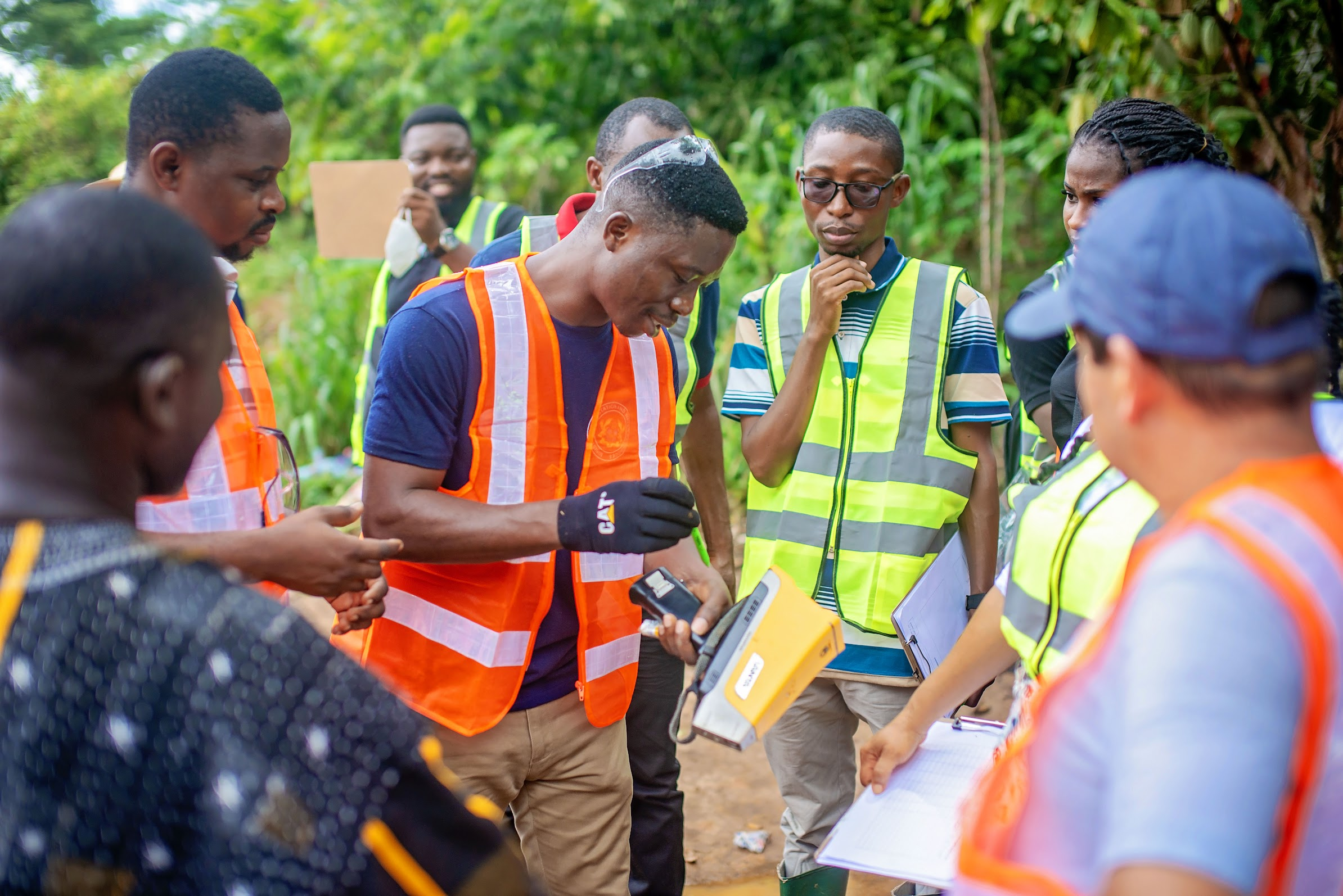
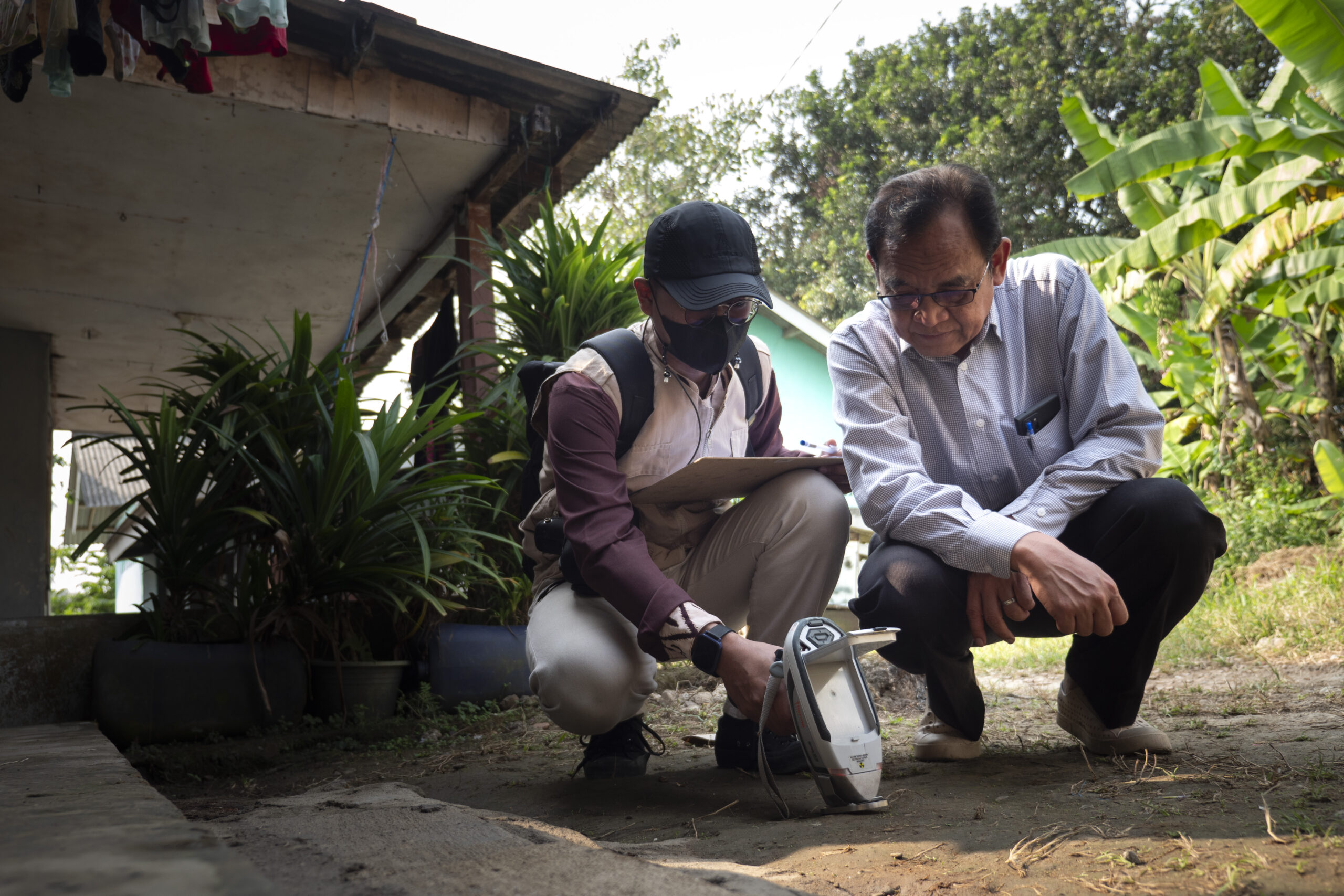
Out of 190 applicants, these eight organizations make up our inaugural 2026 cohort. Their projects span continents and approaches, from tracing lead in food to mapping contamination hotspots, but they share a common purpose: turning urgent questions into evidence that protects children and families. Over the next year, they’ll learn from one another as a cohort while contributing new evidence to the global community working to end lead poisoning.
Nature Conservation Management (NACOM), Bangladesh — Sampling fish and aquatic environments across Bangladesh’s eight divisions to build a national baseline of lead contamination, paired with community awareness and policy engagement to reduce dietary exposure.
National Center for Disease Control and Public Health (NCDC), Georgia — Investigating dietary lead exposure in households already enrolled in Georgia’s lead surveillance system, analyzing raw foods, prepared meals, and traditional cooking pans to identify sources and guide safer food practices.
Indian Institute of Public Health Shillong, India — Examining ongoing and chronic lead exposure in mothers and newborns in Meghalaya, linking blood and bone lead measurements with detailed surveys to identify exposure sources at the population level.
Shifa Foundation, Pakistan — Assessing and mapping household and environmental lead exposure sources affecting children and pregnant women in Rawalpindi District, while raising community awareness and convening a local working group for sustained coordination.
University of Nevada, Philippines — Conducting a Total Diet Study to identify dietary lead exposure sources, estimating intake across population groups and demonstrating the feasibility of a future full-scale study to inform food safety policy.
Global Development Incubator, Ghana — Mapping the West African used lead-acid battery recycling supply chain, tracing lead flows across the region and toward U.S. markets to identify points where policy and commercial action could reduce demand for unsafely recycled lead.
Women & Youth Development International, Liberia — Generating environmental contamination and lead pollution data across communities in Montserrado County, mapping hotspots tied to informal recycling and waste burning, building community capacity to monitor environmental pollution, and supporting the strengthening and implementation of Liberia’s National Lead Action Framework.
Cámara de Comercio de Pasto, Colombia — Identifying and reducing lead exposure in automotive workshops and informal recycling sites in southern Nariño, piloting practical mitigation measures and training workers in lead-safe practices.
Applying to the Opportunity Fund
Due to strong interest, the Pure Earth Opportunity Fund is not currently accepting applications. In the meantime, you may wish to explore similar funding through LEEP and Vital Strategies. We encourage applicants to apply only to the fund that best fits their proposed project or activity.
Pure Earth’s Fund focuses on providing technical assistance to governments to increase their capability to identify and assess lead exposure sources, identify priorities, and design and implement source-specific exposure mitigation programs (such as site cleanup programs), not including paint, as well as technical guidance.
LEEP’s Fund focuses on activities associated with reducing lead exposure from paint and lead chromates, as well as research to design, test, and evaluate practical and scalable solutions to reduce lead exposure from any source. (Contact: [email protected]).
Vital Strategies’ Fund is intended to promote creative public health responses to the complex challenges of addressing lead exposure. Priority will be given to proposals that advance public health systems engagement, build public health surveillance capacity or systems, and formulate policies that address key gaps in public health systems’ response to lead. (Contact: [email protected]).
About the Lead Poisoning Prevention Initiative
The Bloomberg Philanthropies Lead Poisoning Prevention Initiative was launched in 2025 to reduce lead poisoning in low- and middle-income countries (LMICs). Working with partner organizations, the Initiative aims to build upon existing efforts by collaborating with governmental agencies in countries in Africa , Asia and Latin America on this issue.
As an implementing partner of the Initiative, Pure Earth will assist governments in developing institutional capacity, programs, and policies to effectively and sustainably assess and mitigate the main sources of lead exposure. In addition to Pure Earth, implementing partners include the CDC Foundation, Lead Exposure Elimination Project, Resolve to Save Lives, Vital Strategies and the World Health Organization.
Pure Earth, and partners LEEP and Vital Strategies, are administering grants to further expand the impact of the initiative. Pure Earth’s fund will focus on activities associated with lead exposure source assessment and the research and implementation of mitigation activities.