

KLIK DI SINI untuk membaca artikel dalam Bahasa Indonesia.
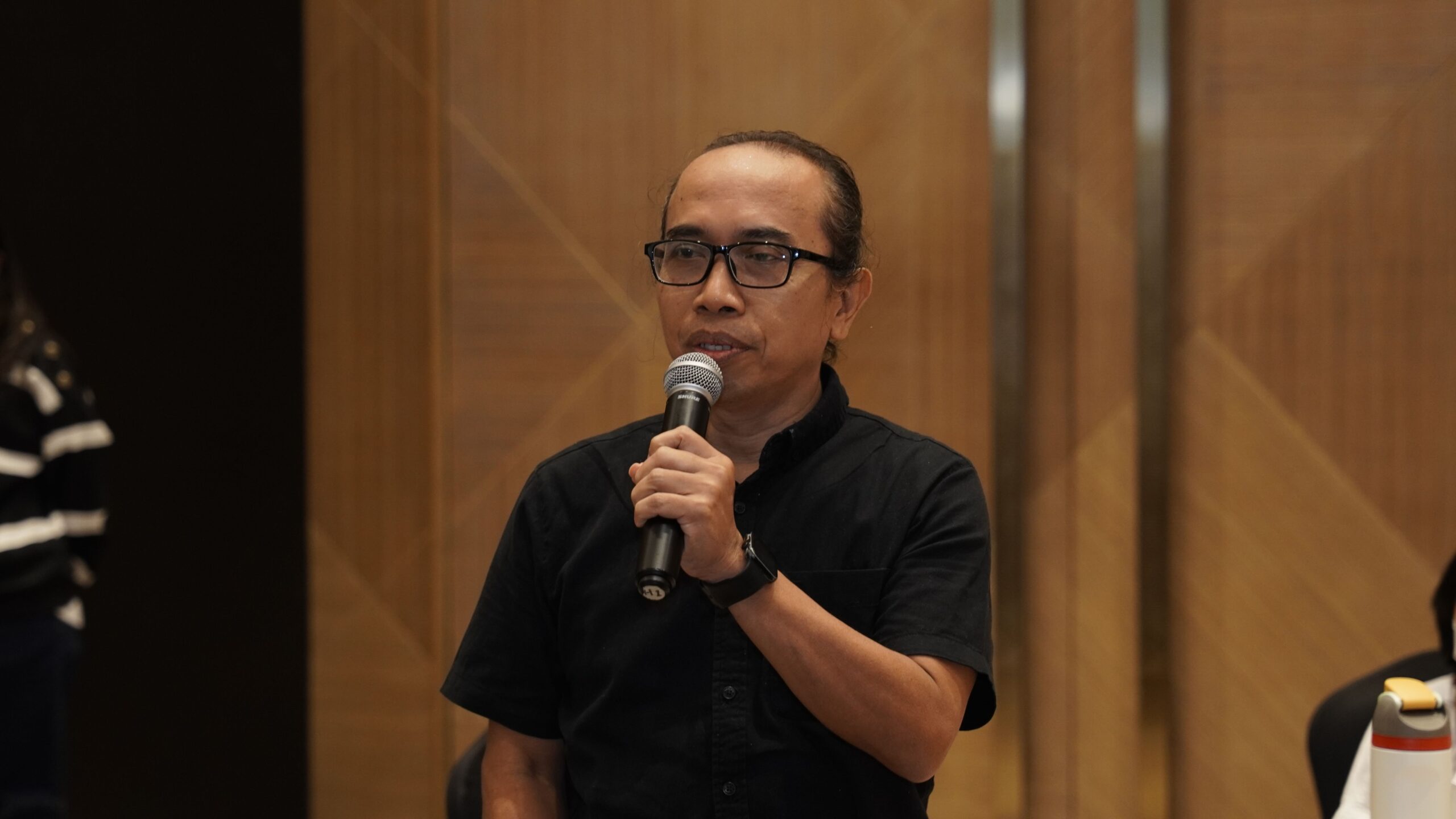
“If all parties—the government, businesses, and communities—consistently carry out their roles, duties, and responsibilities, there would be no environmental pollution issues,” said Ahmad Safrudin, Executive Director of the Committee for the Elimination of Leaded Gasoline (KPBB) and a prominent environmental activist in Indonesia.
According to the man widely known as Puput, many environmental problems stem from inconsistency. Staying true to one’s principles, he said, is key to addressing those issues. This commitment is what has kept Puput active for more than three decades in environmental advocacy, particularly on air and lead pollution.
Climbing Mountains, Finding Balance
Puput’s journey into environmental activism began with his passion for mountain climbing. In the early 1990s, while studying economics at the University of Indonesia (UI), he joined the university’s Mapala—a student organization focused on adventure, environmental conservation, education, and humanitarian work. Between 1978 and 1980, some of Mapala’s senior members were part of the “Group of Ten,” which later became the foundation of WALHI (the Indonesian Forum for the Environment). This history enabled close cultural and organizational interaction with WALHI.
Over time, Puput became an activist and later part of the leadership of this oldest and largest environmental advocacy NGO in Indonesia.
“Because UI’s Mapala interacted closely with WALHI, it was natural for some Mapala members to later become active in WALHI. UI’s Mapala also had an environmental curriculum, so beyond climbing mountains, we were involved in environmental activities. That’s what led me to environmental issues,” Puput recalled.
His involvement with WALHI strengthened his conviction. After graduating, he chose to continue his environmental activism at WALHI, even though he had briefly worked as a corporate secretary at a major company.
“Many people said I ‘jumped the fence’ because I studied economics but chose an environmental career. But after diving deeper, I saw similarities between environmental and economic issues. Environmental issues are about balance in nature, just as economics is about equilibrium or balance of resources.”
His journey was further reinforced when he received a scholarship in environmental science (IESD) in 2005–2006.
From Green Issues to Brown Issues, Toward Blue Skies
After more than five years as an activist and volunteer at WALHI, Puput was appointed Director of WALHI Jakarta in 1996. During this period, he saw the need to elevate an environmental issue that was relatively new and considered marginal within WALHI, yet closely linked to everyday life and urgently needed attention.
“In 1996, air pollution in Jakarta was severe. During WALHI’s national meeting in Pamulang, WALHI Jakarta presented the draft of the national strategy for air pollution control. Many WALHI chapters found this strange because WALHI traditionally focused on ‘green issues’ like forest conservation. Air pollution was considered a ‘brown issue.’ At the time, out of 23 regional WALHI chapters, only WALHI Jakarta worked on brown issues,” Puput explained.
Puput continued, “Strategy number one out of the 104 strategies presented at that meeting was eventually adopted into Program Langit Biru (the Blue Sky Program), launched by President Soeharto at the National Monument in October 1996. That first strategy focused on eliminating leaded gasoline. At the time, we took a pragmatic approach. Since air pollution is such a broad issue, we focused on that strategy by forming KPBB, which originated from several NGOs working on air pollution control.”
A Decade-Long Victory: Eliminating Lead from Gasoline
Although the strategy was adopted into a national program, advocacy to eliminate leaded gasoline was far from smooth. Puput noted that early advocacy benefited from momentum. At the 1992 Earth Summit in Rio de Janeiro, Brazil—attended by Indonesia—Jakarta was named one of the most polluted cities in the world, after Mexico City and Bangkok. This prompted the government to take action.
However, after the launch of the Blue Sky Program and as international pressure eased, the initial target to eliminate leaded gasoline by 1999 was not achieved.
In response, KPBB and its partner organizations intensified their advocacy efforts. Finally, in mid-2006, Indonesia became free of leaded gasoline—after a gradual phase-out starting in Greater Jakarta in 2001, followed by Cirebon in 2002, Bali and Batam in 2003.
Keys to Successful Advocacy Against Leaded Gasoline
Following this success, KPBB continued advocating on air pollution and other lead-related issues. Puput highlighted several lessons from the leaded gasoline campaign.
The first was science-based advocacy. Puput emphasized how data is essential ammunition for environmental advocacy. In the campaign against leaded gasoline, KPBB conducted research to collect relevant data, including air pollution levels in various cities, lead contamination, and children’s blood lead levels.
However, data alone is meaningless without analysis. “Data analysis is crucial for policy analysis,” Puput explained. “That’s how we identified what the government could actually do. In the case of air pollution, we had 104 strategies for controlling air pollution, and eventually one was selected and adopted by the government.”
He added that policy analysis must be translated into policy briefs that are easy for government officials to understand, so they can implement recommendations or take necessary actions.
The third strategy was consistently using every available platform. “We continuously carried out advocacy in various ways, such as sending letters to stakeholders and attending all kinds of meetings. Even in forums unrelated to air pollution, we would still talk about air pollution.” Puput gave the example of linking air pollution to declining economic growth when speaking at economic forums.
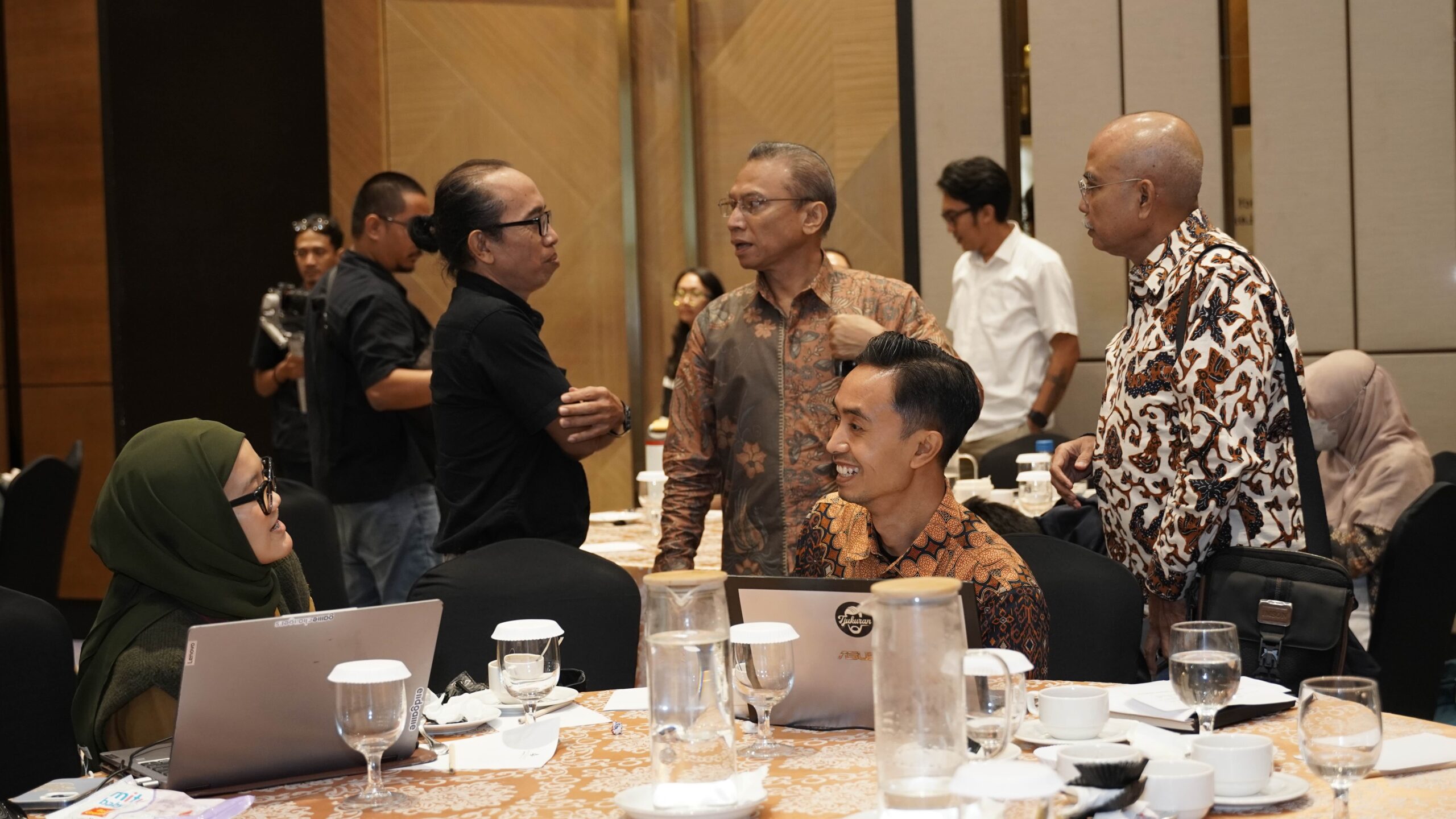
According to Puput, this consistency was crucial in building public awareness about how severe air pollution was and the need for concrete action. “Between 1999 and 2005, almost everyone eventually became aware of the issue of leaded gasoline and associated it with air pollution,” he added.
Maintaining consistency was not easy. The prolonged struggle drew criticism from many sides, including fellow environmentalists who dismissed it as a “stale issue.” However, confronting global corporations supplying tetraethyl lead (TEL)—an octane booster used in leaded gasoline—to Pertamina became a source of motivation, despite the intimidation involved and their ability to influence policy through bribery.
Puput pointed to an “invisible hand” behind delays in the leaded gasoline phase-out, which was supposed to be completed by January 1, 2003. This invisible hand was later proven. In March 2010, the UK’s Serious Fraud Office (SFO) uncovered internal emails from a TEL supplier discussing bribe requests to cancel the leaded gasoline phase-out schedule. The TEL supplier was found guilty in UK courts and also convicted in a court in Colorado, United States. These rulings were then used by KPBB and other civil society groups to push for follow-up action in Indonesia, leading the anti-corruption court to convict four officials and two TEL supplier agents.
If all advocacy strategies have been pursued but government responses remain slow, Puput believes a more confrontational approach is necessary—such as demonstrations and legal action, as in the bribery case above.
“We were not hesitant to organize demonstrations, protests, and file lawsuits, pushing legal processes firmly and fairly. We repeatedly sued the government. Sometimes, it’s only after being sued that the government pays attention,” Puput stressed.
Current Challenges in Environmental Advocacy
Puput argues that these advocacy strategies remain relevant today. However, socio-political dynamics present unique challenges for environmental advocacy.
The campaign to eliminate leaded gasoline took place during the late New Order era and early Reformasi period, when the spirit of change was strong. “Back then, officials were afraid of being seen as anti-reform,” Puput said. As a result, issues raised during that period were more easily noticed and addressed by the government. “Today, we are far from that era. Many decisions are transactional and money-driven.”
The media landscape has also changed. “In the past, even small actions would get media coverage. Now, unless an issue goes viral, it’s often ignored. Yet for environmental advocacy—like lead pollution—media support is crucial.”
Reviving Collaboration, Seizing Momentum
Despite these challenges, Puput remains optimistic. One key step, he believes, is reviving national collaboration among NGOs.
“Civil society used to be united under the reform momentum. Now, organizations often work separately, sometimes even undermining each other. At the very least, if we lack funding, we can still network and support one another.”
According to Puput, building national networks is especially important for addressing brown issues such as air pollution and lead exposure. He envisions a national forum or intensive workshop held over a certain period to develop shared strategies, gather data, pressure the government, and design concrete actions.
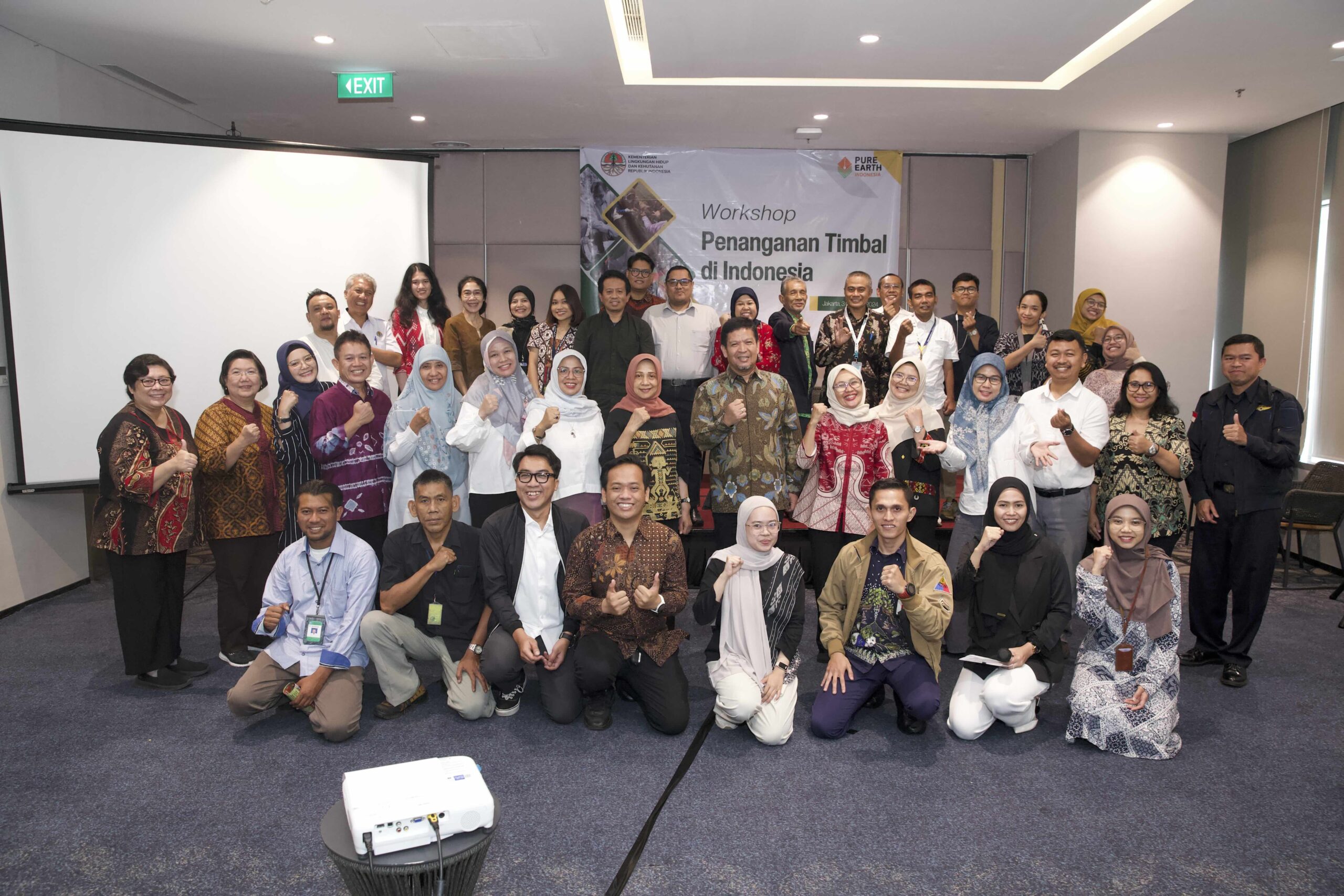
Systemic change, he said, will only emerge from a shared mission—not from isolated projects. “Projects are ammunition to support an organization’s mission, not the mission itself.”
In terms of building public awareness, Puput believes advocacy requires new approaches in the social media era—quick responses and sensitivity to momentum. “It’s a bit of a gamble—if it goes viral, great; if not, so be it,” he said. Still, he remains confident that change is possible, as long as there is long-term commitment from younger generations.
Advocacy is Consistency in Principles
After more than three decades working on environmental issues, Puput believes that any challenge no matter how great, or how fast times change can be faced by remaining consistent and faithful to one’s principles.
For governments and officials, consistency means carrying out their core duties and functions sincerely and responsibly, free from transactional motives. For businesses, consistency means operating according to business plans and complying with existing regulations. For individuals, consistency means acting in line with what one believes is right.
If someone believes in an environmentally friendly lifestyle, Puput said, then “Just do it!”—do it without being tempted by excessive living or showing off.
Puput acknowledges that being an environmental activist does not guarantee the life stability many people aspire to, and in some cases can even be dangerous. However, he believes there are still many young people who care deeply about the environment and who will continue to stay true to their principles.