During International Lead Poisoning Prevention Week (ILPPW) 2025, Pure Earth teams and partners across Africa, Asia, and Latin America mobilized governments, health institutions, youth groups, and the private sector around a clear message: there is no safe level of lead exposure, and action is urgently needed. From high-level policy dialogues to community rallies and city-level interventions, this year’s activities demonstrated the growing momentum behind evidence-based solutions to end lead poisoning worldwide.
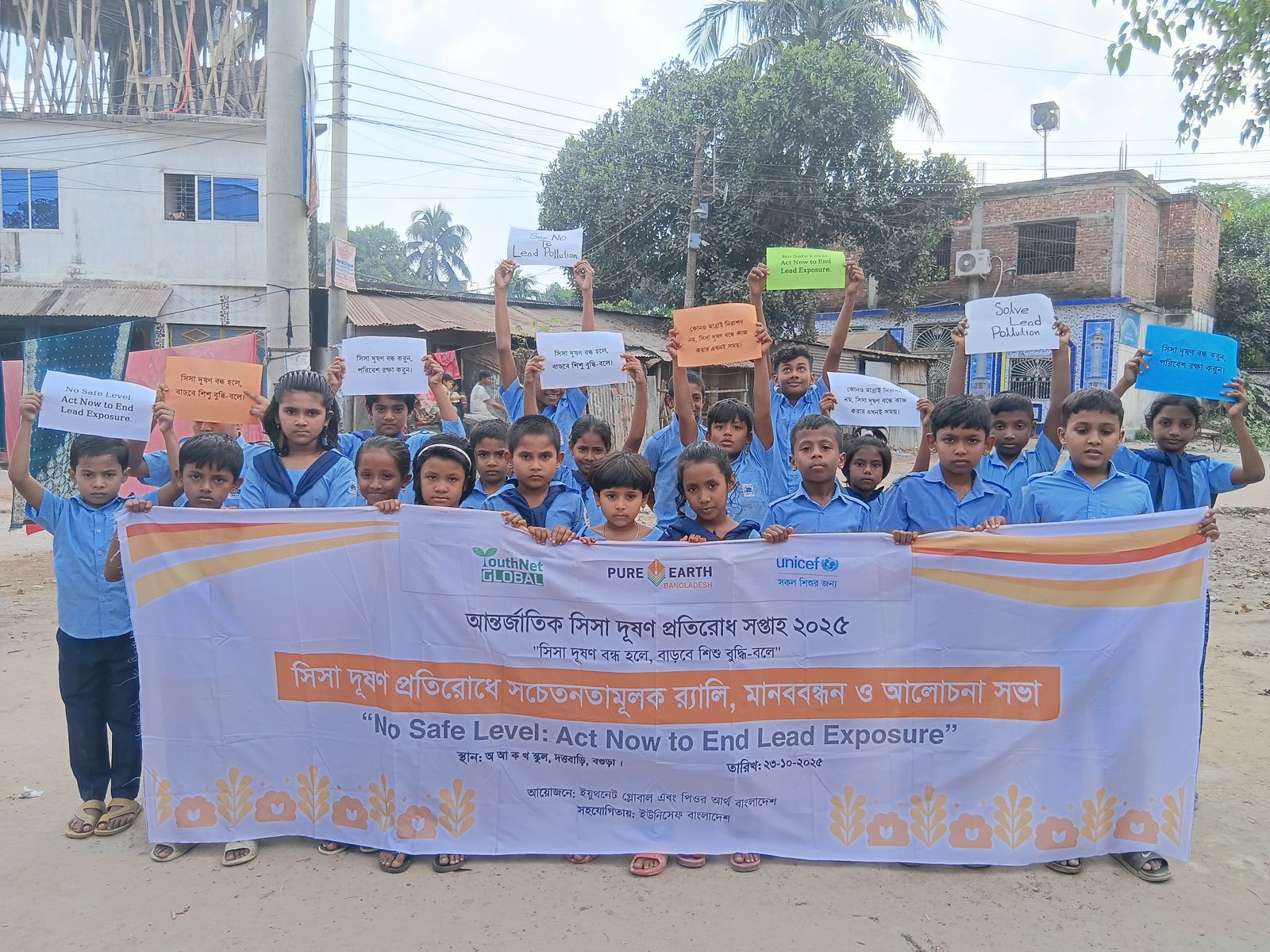
Children at an ILPPW rally organized by Pure Earth Bangladesh, UNICEF Bangladesh and YouthNet Global.
A Coordinated Global Campaign
At the global level, Pure Earth coordinated a week-long social media campaign under the World Health Organization’s (WHO) 2025 theme No safe level: act now to end lead exposure. The campaign was structured around Pure Earth’s five-phase approach to lead poisoning prevention. Country offices adapted and localized the campaign using shared templates, while HQ amplified posts across channels. Collectively, HQ ILPPW posts reached nearly 14,000 impressions, generated more than 550 engagements, and drove over 100 link clicks, reflecting strong audience interest in practical, solutions-focused messaging.
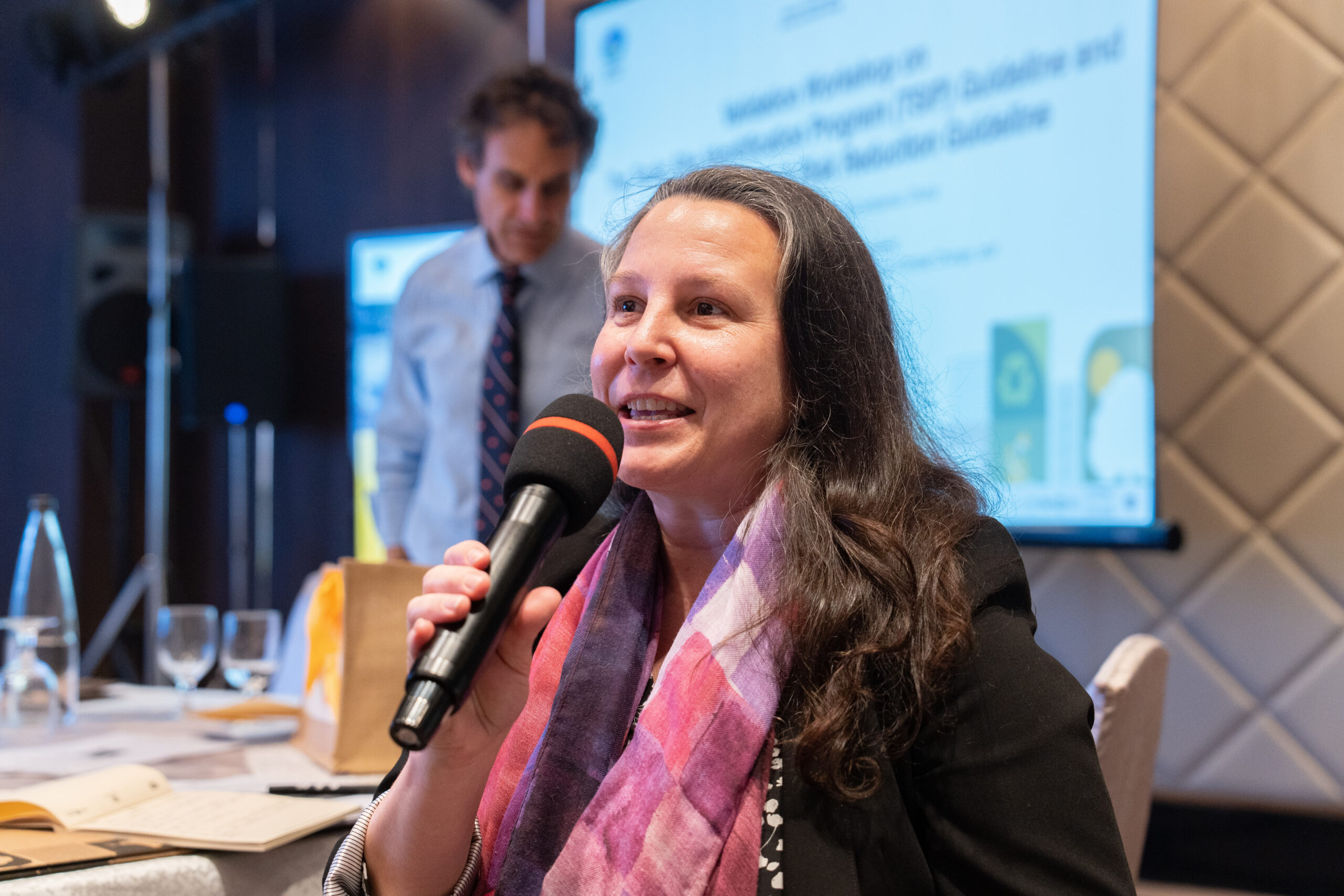
Pure Earth Ghana marked ILPPW with a national briefing involving the Ministry of Health and the Environmental Protection Agency (EPA), underscoring growing government engagement on lead exposure risks from consumer products and informal recycling. The event brought together key stakeholders, reaffirming Ghana’s national commitment to raising awareness and calling for urgent action toward a lead-free future. Additional awareness activities continued beyond the official campaign window, reflecting sustained national attention. Coverage of the event was featured in the Ghanaian Times and MyJoyOnline.
Attendees at an International Lead Poisoning Prevention Week briefing in Ghana hosted by the Ministry of Health, the Environmental Protection Agency (EPA), and Pure Earth Ghana.
India (Maharashtra)
While Diwali celebrations limited the feasibility of convening a state-level webinar during International Lead Poisoning Prevention Week (ILPPW), sustained engagement with state stakeholders continued through alternative channels. Notably, the Public Health Department of Maharashtra leveraged ILPPW 2025 to amplify public awareness on lead exposure by releasing a series of locally contextualized communication collaterals in the regional language across its official social media platforms. These posts reached a substantial audience, with the department’s Instagram account engaging over 28,000 followers and its Facebook page reaching more than 348,000 followers—significantly expanding the visibility of lead poisoning prevention messaging at the state level.
A social graphic published by Pure Earth in India during ILPPW explains that a nutritious diet rich in iron, calcium, and vitamin C helps reduce the impact of lead exposure.
Indonesia
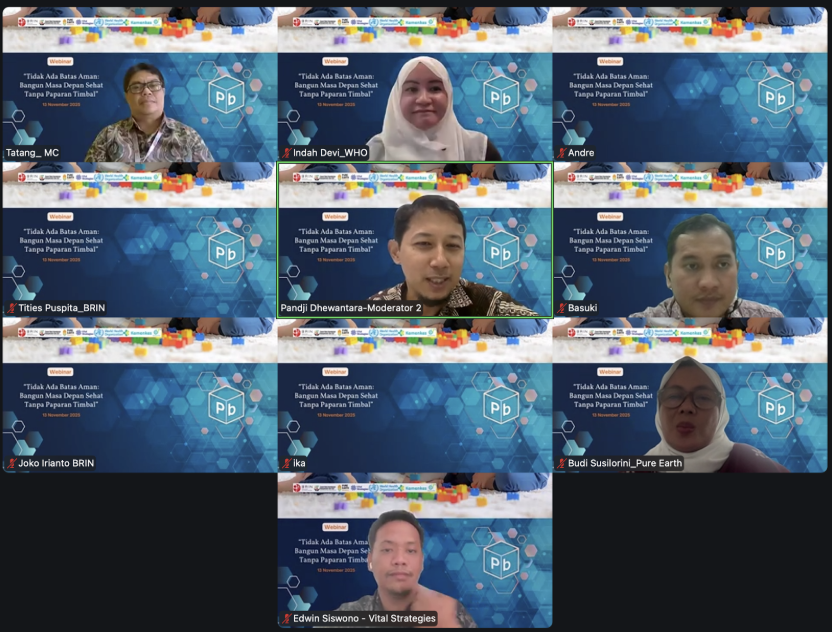
In conjunction with National Health Day, Pure Earth Indonesia co-hosted a major joint webinar with the Ministry of Health, WHO Indonesia, BRIN (the National Research and Innovation Agency), and Vital Strategies titled “No Safe Limits: Building a Healthy Future Without Lead Exposure.” The event brought together national experts to address child health impacts, policy responses, and cross-sector collaboration toward a lead-free Indonesia.
Mexico
Ahead of ILPPW, Pure Earth Mexico held two activation events combining health outreach and private-sector engagement, including lead testing. The campaign highlighted CREA lead-free cookware, supported by short promotional content and two blog posts to encourage safer consumer choices.
Colombia
Pure Earth Colombia supported a PAHO-led regional seminar, “Protecting Children from Lead: Country Actions Toward a Region Free from Exposure,” bringing together ministries of health from Colombia, Mexico, and Peru. The bilingual event emphasized regional policy alignment and shared learning, with opening remarks by Pure Earth leadership.
Peru
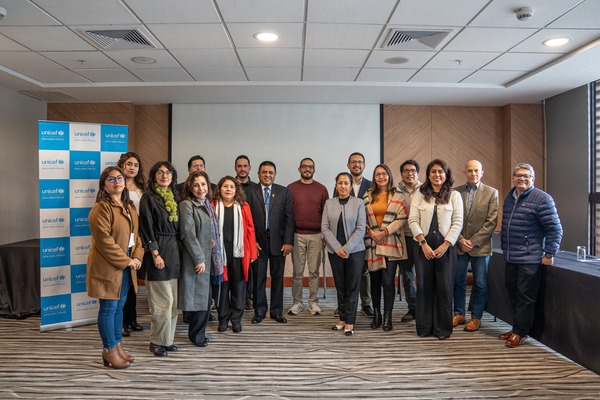
A major milestone during the ILPPW period was the signing of a Memorandum of Understanding between Pure Earth Peru and UNICEF Peru, formalizing collaboration to prevent and reduce lead exposure among children. The agreement strengthens joint technical assistance to government institutions, policy design, and field-level interventions alongside the Ministry of Health and regional governments. Additional activities, including a Ministry of Health–led webinar and a World Bank roundtable, are planned. This partnership reinforces Pure Earth’s role in Peru as a key actor in evidence generation, child health protection, and government capacity strengthening.
Laura Salamanca, UNICEF Deputy Representative in Peru and Rodrigo Velarde, Pure Earth Peru Country Director, sign a joint MOU.
Bangladesh
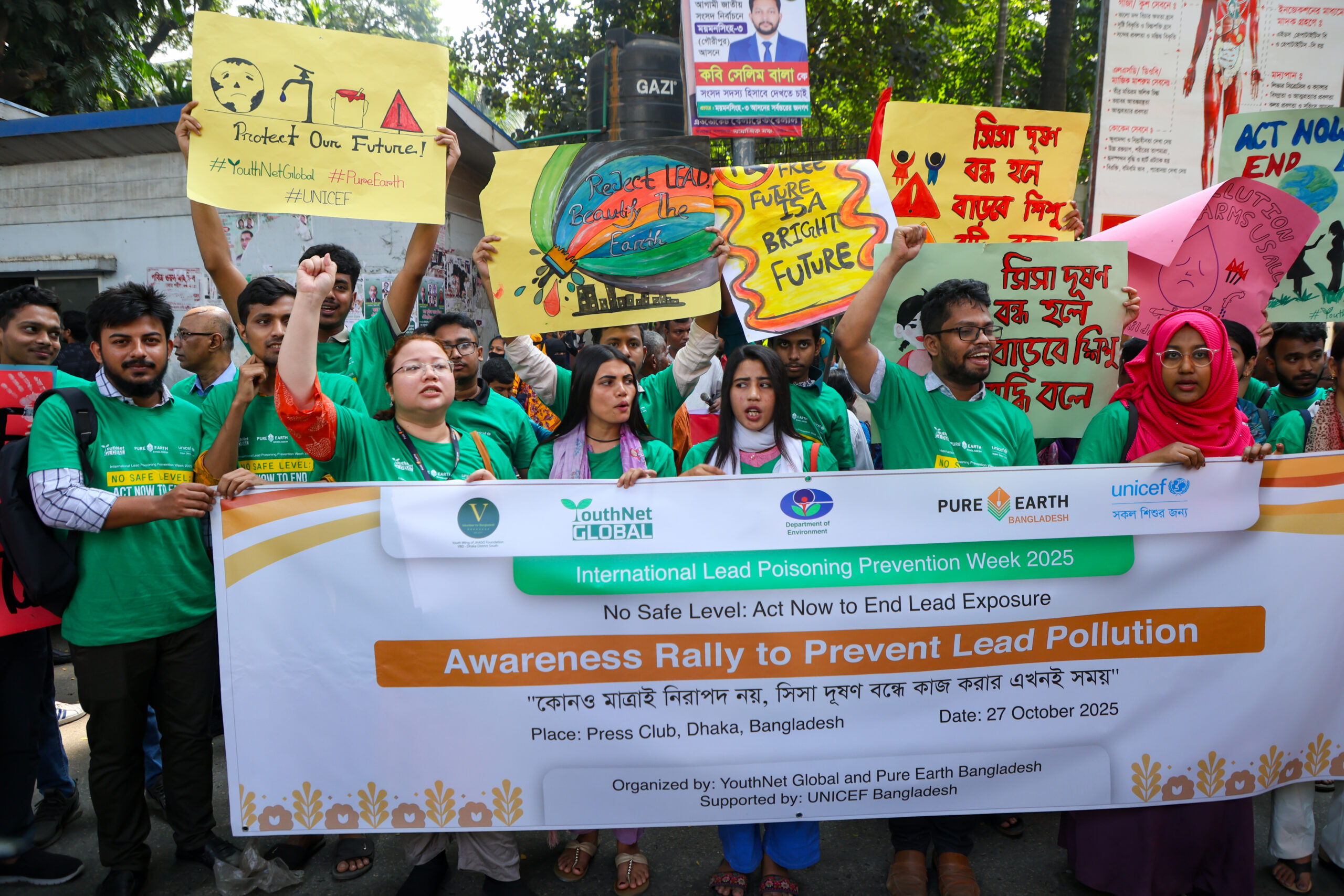
Bangladesh marked one of the most vibrant and wide-reaching observances of International Lead Poisoning Prevention Week (ILPPW) 2025. Themed as “No Safe Level: Act Now to End Lead Exposure,” the week-long campaign ran nationwide across all 64 districts. Activities included stakeholder meeting, awareness rallies, human chains, school-based sessions, and community discussion events, reaching diverse audiences across urban and rural settings, reaching approximately 17,000 people across both online and offline platforms, engaged more than 330 youth leaders and government officials, and generating media coverage across 130 national and local news outlets, significantly amplifying public awareness on lead exposure and its prevention, amplifying youth leadership, and reinforcing multi-stakeholder commitment to a lead-free future for the country.
Led by Pure Earth Bangladesh, with field-level implementation support from YouthNet Global, about 20 grassroots youth organizations, and 50+ educational institutions, and supported by UNICEF Bangladesh, the district-level rallies and school campaigns demonstrated the power of collective action. It successfully mobilized youth, educators, civil society actors, media, and national and district-level government institutions around the shared goal of preventing lead exposure and protecting children’s health.
As part of the campaign, a cycle rally was also organized in Dhaka in collaboration with Volunteers for Bangladesh (VBD)-Dhaka District South, bringing together 150+ young participants under the slogan “Together for a Lead-Free Bangladesh.” The cycle rally was followed by a brief discussion session highlighting the harmful impacts of lead on children and pregnant women and emphasizing the critical role of youth in preventing lead pollution through awareness, advocacy, and responsible practices.
Cyclists make their way along Hatirjheel Road as part of the “Cycle Rally for a Lead-Free Bangladesh,” raising awareness on lead pollution.
In parallel, a stakeholder meeting on mitigating lead pollution was convened at the Department of Environment (DoE), Khulna divisional office, chaired by the Additional Director General of DoE, with about 30 participants, including officials from various local government agencies. During the meeting, a presentation on the evidence on major sources of lead pollution, associated health impacts, and priority hotspots, with a particular focus on the Khulna region, and the results of the Labanchora, Khulna Remediation Project was shared by Pure Earth and Khulna University. Discussions underscored the urgent need for stronger regulatory enforcement, improved battery quality standards, and the establishment of formal, environmentally sound recycling mechanisms.
Pure Earth Bangladesh, YouthNet Global along with youth leaders, representative from the Department of Environment, and activists at the ILPPW awareness rally in Dhaka.
Philippines
Pure Earth Philippines engaged in a public health forum with the Department of Health, WHO, Medecins du Monde and stakeholders to advance commitments under the Philippine Lead-Free Framework and National Environmental Health Action Plan.
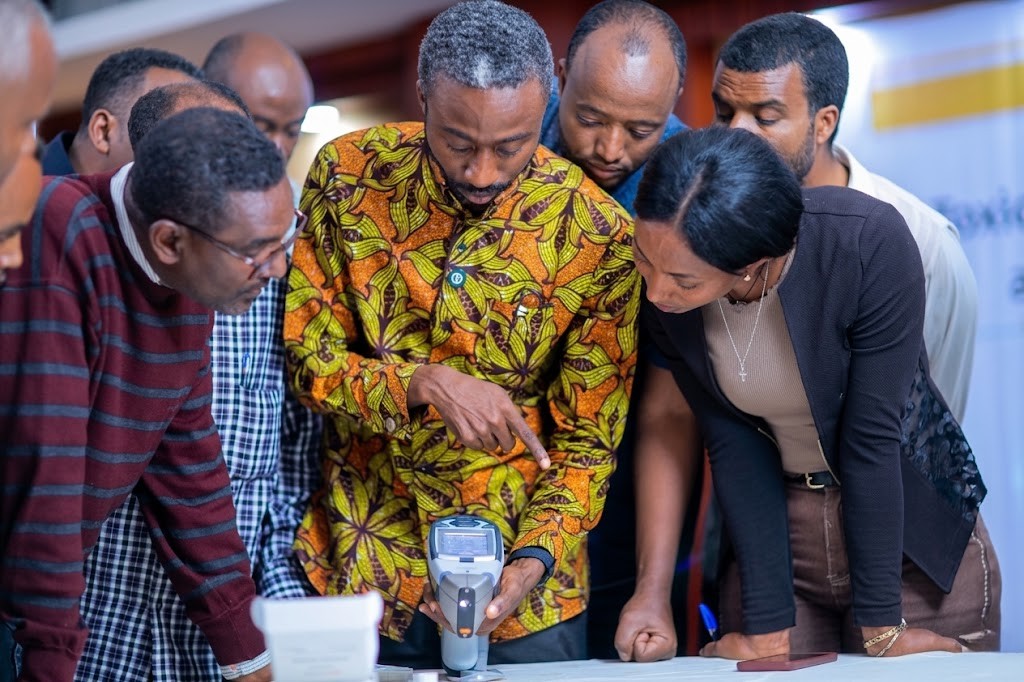
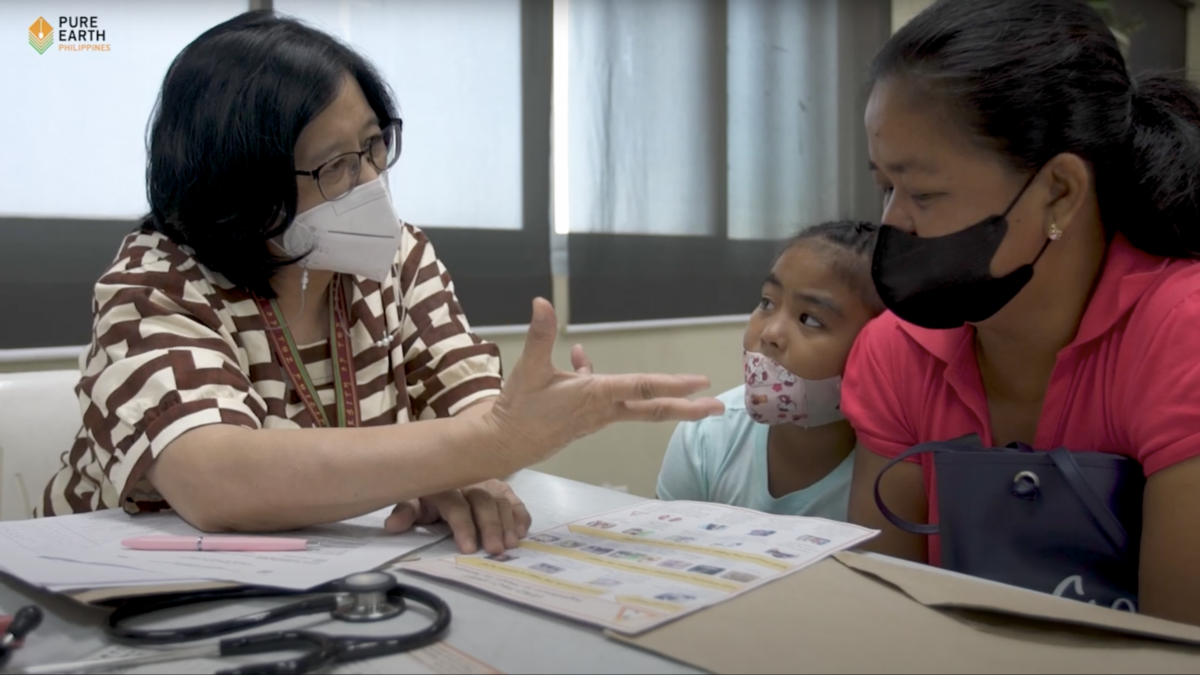
Pure Earth Philippines celebrated the country’s first city-led blood lead surveillance program in Valenzuela City during International Lead Poisoning Prevention Week 2025. A public event combined blood lead screening, the launch of a city ordinance to prevent lead exposure, and the handover of a LeadCare II analyzer—demonstrating how local governments can translate policy into action. Pure Earth Philippines celebrated the city with a Commendation for this pioneering achievement.
Brazil
Brazil marked ILPPW with the launch of the project “National Strategy for Joint Actions to Address Lead Contamination,” signaling renewed national coordination on lead pollution and exposure risks.
Marina Silva, Minister of Environment and Climate Change, giving the keynote address at the launch of the National Action Plan for Lead Contamination 2025-2030 in Brasilia on October 22, 2025.
Ethiopia
Ethiopia had a strong celebration of International Lead Poisoning Prevention Week, which also coincided with the signing of an MoU between Pure Earth and the Environmental Protection Authority (EPA).
H.E. Eng. Lelise Neme, Director General of the EPA, and Firew K. Mekonnen, Pure Earth’s East Africa Director, signed a Memorandum of Understanding (MoU), establishing a strategic partnership between the EPA and Pure Earth to combat lead poisoning in Ethiopia.
Moving From Awareness to Action
Across all regions, ILPPW 2025 reinforced a shared priority: translating awareness into sustained policy change, health system strengthening, and on-the-ground interventions. Whether through MOUs with global partners, city-level ordinances, youth mobilization, or expanded surveillance systems, Pure Earth teams are helping governments move from recognizing the problem of lead poisoning to implementing solutions at scale.
As the global burden of lead exposure continues to come into sharper focus, ILPPW remains a critical moment to align science, policy, and public action, and to reaffirm that protecting children from lead is both urgent and achievable.