Pure Earth HQ, Pure Earth Ghana and Ethiopia, and Ghana and Ethiopia EPA in Ghana
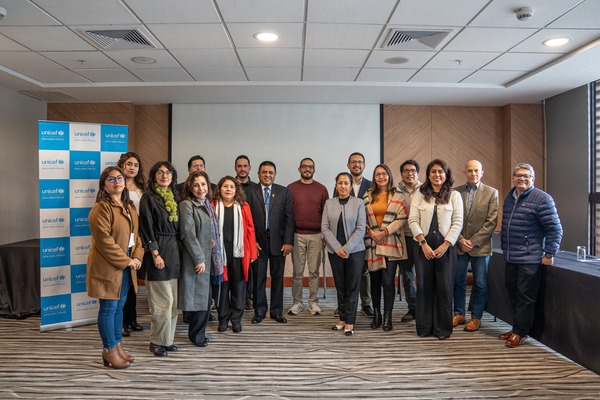
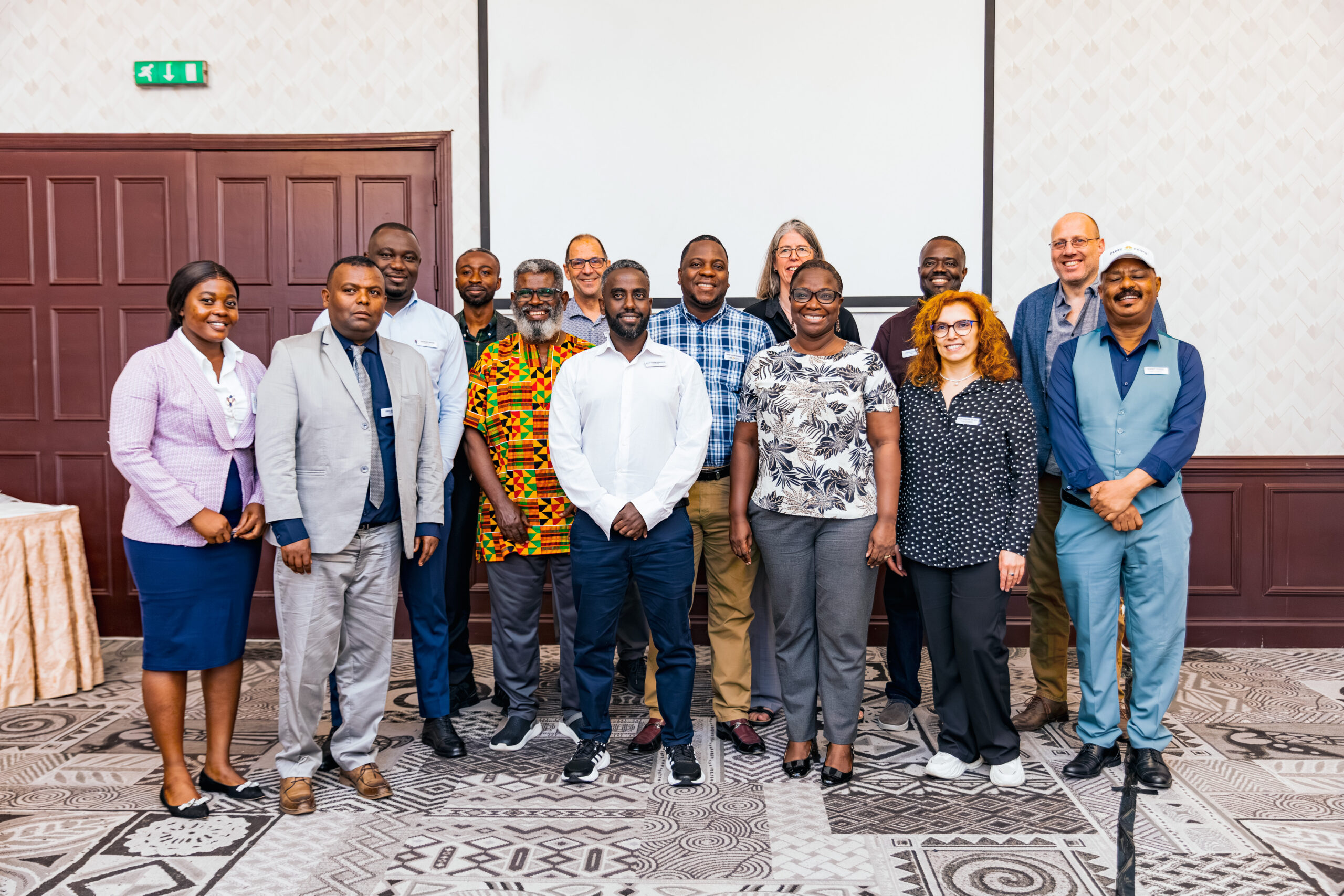
Earlier this month, Pure Earth hosted a comprehensive Training of Trainers (ToT) workshop in Ghana, bringing together senior leadership and technical experts from across the region to strengthen efforts in addressing lead exposure. The workshop convened Pure Earth Vice Presidents, the Regional Program Director, Africa, and teams from Pure Earth Ghana and Ethiopia, alongside representatives from the Ghana Environmental Protection Authority (EPA) and the Ethiopian EPA.
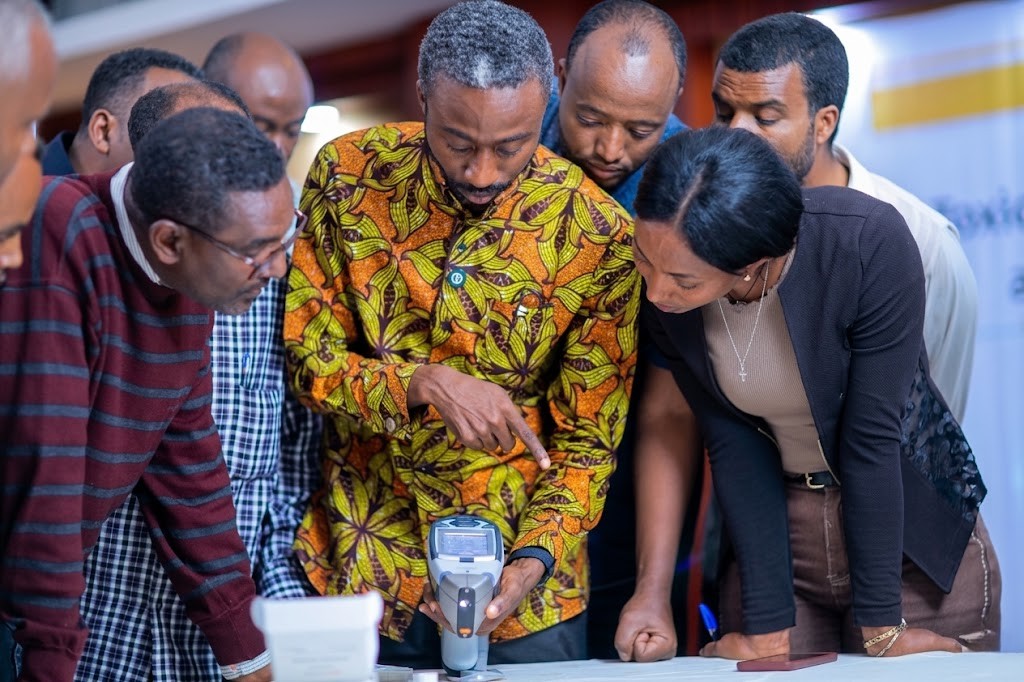
The workshop focused on equipping participants with the knowledge, technical skills, and practical experience required to identify, assess, and mitigate lead contamination risks in both communities and markets. Through a combination of classroom instruction, hands-on exercises, and field assessments, participants explored the chemical properties of lead, exposure pathways, global health impacts, and methods for rapid and accurate detection, including the use of X-Ray Fluorescence (XRF) analyzers and laboratory analysis.

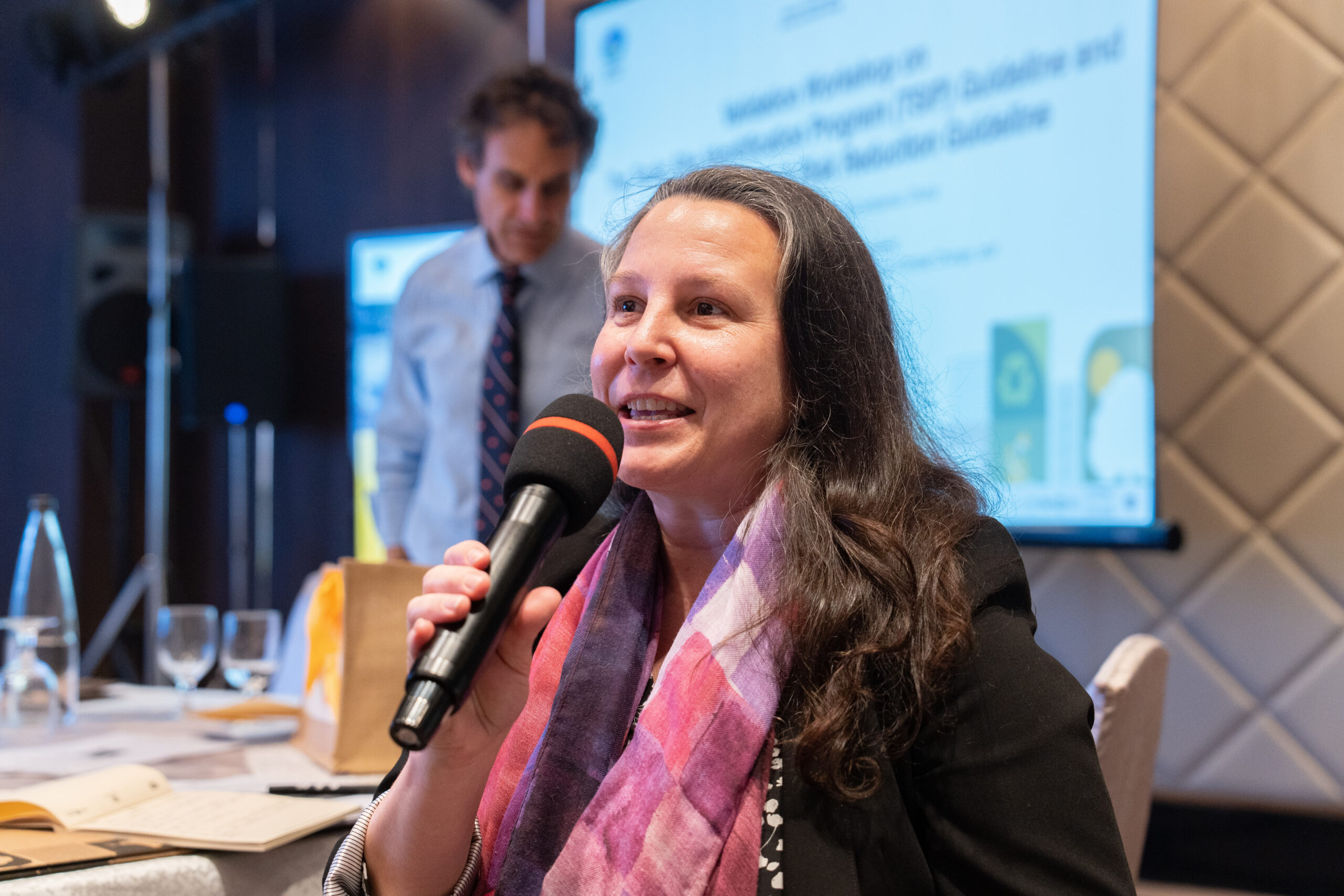
Gordon Binkhorst, PhD. teaching the team
A key component of the workshop was training participants in the systematic assessment of contaminated sites, with particular attention to Used Lead-Acid Battery (ULAB) recycling areas, a known hotspot for lead pollution. Participants were guided through best practices for site prioritization, safe data collection, and application of the Toxic Site Risk Index (TSRI), ensuring that assessments are both scientifically rigorous and safely conducted.
In addition to site evaluation, the workshop included a Community and Market Assessment to identify potential sources of toxic exposure in everyday consumer products. Participants conducted field visits to Makola Market, collecting samples while practicing proper labeling, chain-of-custody procedures, and community engagement strategies. This component strengthened local capacity to recognize and respond to environmental health risks in daily life, complementing broader efforts to prevent lead exposure.
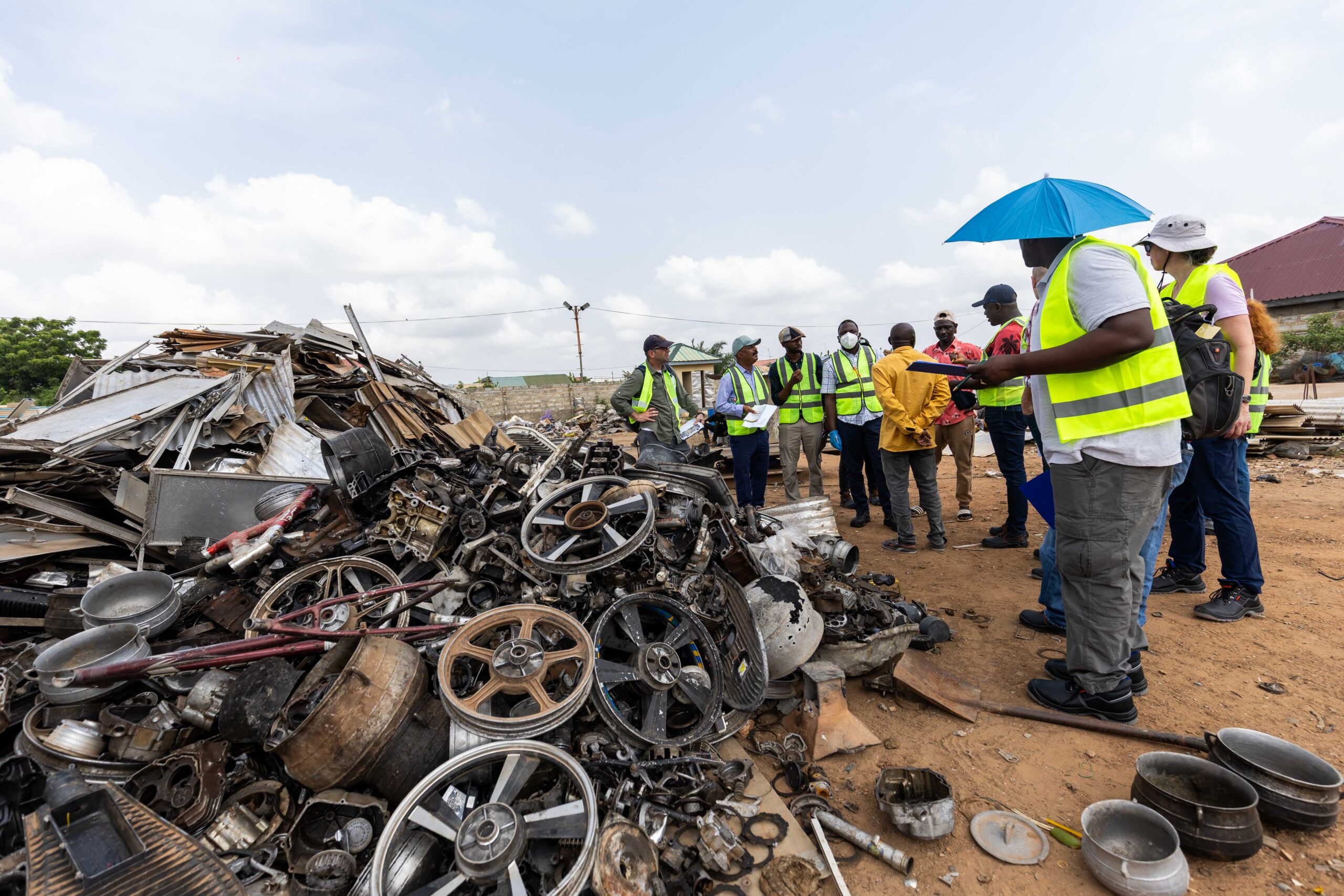
The team on an abandon informal scrap yard at Afienya.
The workshop emphasized the importance of evidence-based, collaborative approaches to environmental health. By building technical skills, reinforcing safety protocols, and creating a shared understanding of program objectives, the ToT strengthens regional capacity to protect vulnerable communities from the devastating, long-term impacts of lead exposure.
This initiative was made possible with the participation of senior leadership from Pure Earth HQ; Gordon Binkhorst. Ph.D.- Senior Technical Advisor, Aelita Sargsyan, MD, MPH.-Technical Advisor, Richard Reithinger, Ph.D.- Vice President, Programs, Johanna Lowell, Ph.D.- Vice President- Technical Support and Research, Esmond Quansah. DD- Regional Program Director, Africa, alongside colleagues from Pure Earth Ethiopia and both the Ethiopian and Ghana Environmental Protection Authorities. Their guidance and expertise ensured that the workshop not only built knowledge but also fostered regional collaboration and a sustainable framework for ongoing action against lead pollution.
Through this Training of Trainers, Pure Earth continues to advance its mission of protecting communities from toxic exposures, equipping local teams with the tools, experience, and confidence to identify risks, implement solutions, and train others, laying the foundation for a safer, healthier future across Ghana and the region.

At the Makola market to identify potential sources of toxic exposure in consumer products