About Lead Poisoning
There is no safe level of lead poisoning. One billion children globally, more than 1 in 3, are believed to have blood lead levels exceeding 5 micrograms per deciliter (µg/dL), the World Health Organization’s level requiring action. 90% of these children are in LMICs. Lead poisoning damages brain development, limiting learning and educational attainment, reducing earnings, and increasing the risk of lifelong illness and death.
Lead exposure is responsible for an estimated 3.5 million cardiovascular deaths each year, more than HIV, malaria and tuberculosis combined. A World Bank analysis found that in 2019, children under five years old worldwide lost 765 million IQ points from lead exposure, and about 95% of IQ point loss due to lead exposure were in LMICs. Moreover, lead poisoning may account for 20% of the education gap between high- and low-income countries. Stealing the potential of one child is a tragedy; doing it to a billion children sabotages the trajectory of entire nations and robs a generation of its intellectual capital.
Understanding the Impacts of Lead Poisoning
Health and Societal Impacts of Lead Poisoning
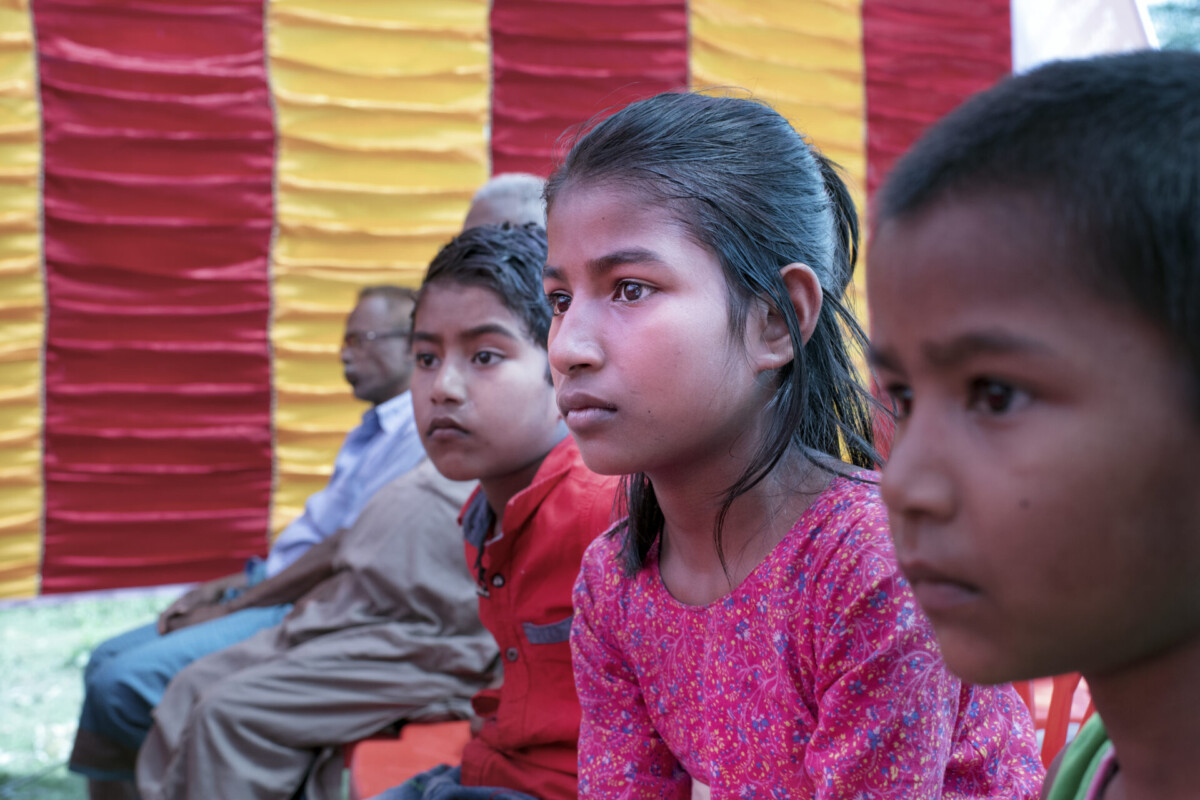
Lead is a cumulative toxicant that affects multiple body systems, including the neurological, hematological, gastrointestinal, cardiovascular and renal systems. According to the WHO, there is no known safe level of lead exposure. Relatively low levels of lead exposure that were previously considered ‘safe’ have been shown to damage children’s health and impair their cognitive development. With even low-level exposure, lead is associated with brain damage, reduced IQ, decreased intelligence, learning difficulties, lower lifetime earnings, increased incidence of heart and kidney disease later in life, and increased tendency for violence. Children under the age of 5 years are at the greatest risk of suffering lifelong neurological, cognitive and physical damage and even death from lead poisoning. Older children and adults, as well, suffer severe consequences from prolonged exposure to lead in food, water and the air they breathe, including increased risk of cardiovascular death and kidney damage in later life. Children are particularly vulnerable to lead poisoning due to their smaller size and higher rates of lead absorption.
Lead poisoning damages brain development, limiting learning and educational attainment, reducing earnings, and increasing the risk of lifelong illness and death. In 2019, children under five years old worldwide lost 765 million IQ points from lead exposure, and about 95% of IQ point loss due to lead exposure were in LMICs. Those living in LMICs lost 729 million IQ points, an average loss of 5.9 IQ points per child. Moreover, lead poisoning may account for 20% of the education gap between high- and low-income countries. In adults, lead exposure causes a significant burden of disease as well. Lead exposure is responsible for an estimated 3.5 million cardiovascular deaths each year, more than HIV, malaria and tuberculosis combined.
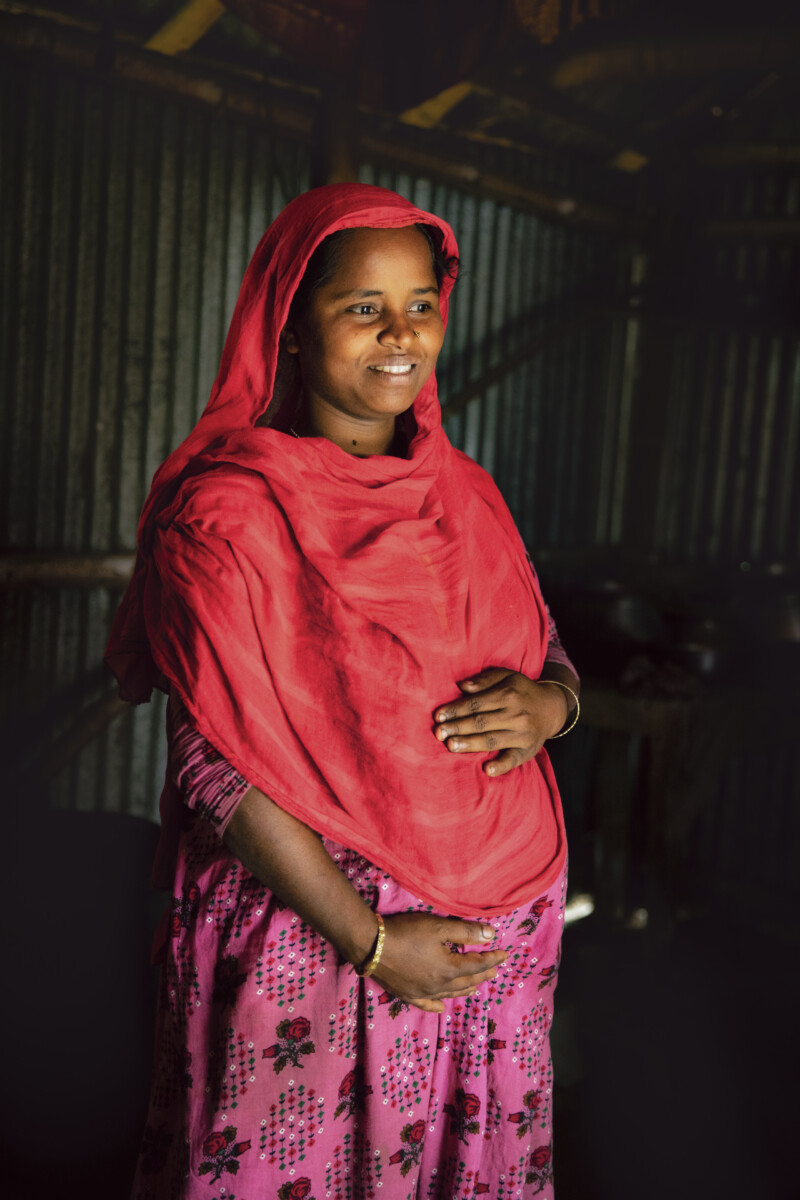
Exposure to lead before and during pregnancy can also be extremely harmful. Lead stored in an expectant mother’s bones from her earliest exposures can be released during pregnancy. This increases blood lead levels and poses risks to both the mother and unborn children, including miscarriage, stillbirth, premature birth and low birth weight.
For more information on the health and societal impacts of lead, please see The Toxic Truth Report, Pure Earth and UNICEF (2020), Exposure to lead: a major public health concern, 3rd edition, The World Health Organization (2023), and the Integrated Science Assessment (ISA) for Lead, United States Environmental Protection Agency (2024).
Economic Impacts of Lead Poisoning
The global financial cost of lead exposure is estimated to be US$6 trillion (2019), equivalent to 7% of global GDP. According to the 2023 paper, Global health burden and cost of lead exposure in children and adults: a health impact and economic modelling analysis, in low- and middle-income countries (LMICs), these costs accounted for more than 10% of GDP, or twice as high as in high income countries (HICs). More than three-fourths of the economic cost (77%) was due to cardiovascular disease deaths and associated income loss from premature mortality; nearly one-fourth of the economic cost (23%) was due to estimates of lower future income caused by IQ loss.
Signs and Symptoms of Lead Poisoning
A challenge with childhood lead poisoning is that it is typically insidious. At low to moderate levels of exposure and blood lead levels, there are typically no symptoms at all and no physical signs that are apparent to a clinician. At moderate to high levels of exposure, children may complain of a variety of non-specific symptoms, such as headaches, abdominal pain, dullness, loss of memory, poor attention, loss of appetite or constipation. The impacts of lead poisoning on neurological processes and the central nervous system may result in indications of clumsiness, agitation or decreased activity and drowsiness, which can proceed to vomiting, stupor and convulsions in more severe cases.

Common Sources of Lead Exposure in Low- and Middle-Income Countries
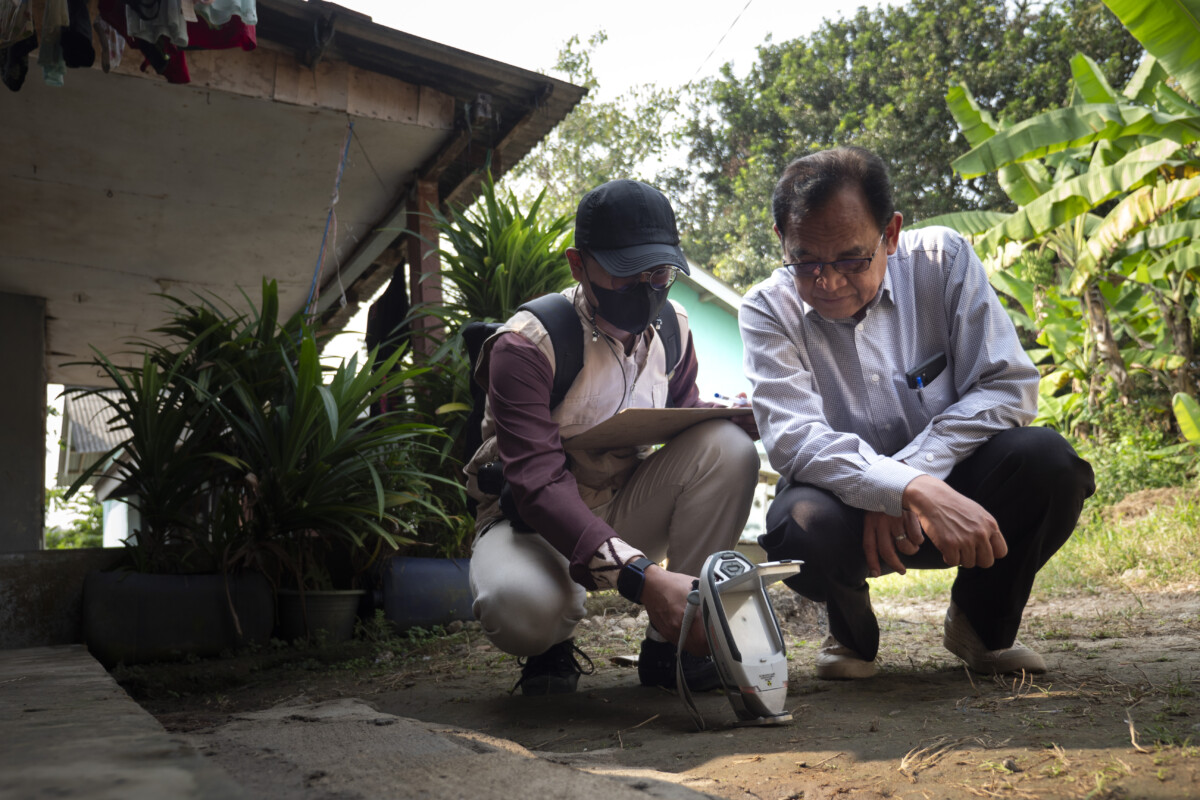
Lead exposure is a significant public health challenge in LMICs, where it disproportionately affects vulnerable populations, particularly children. This begs the question: where is all of this lead coming from?
The sources of lead exposure that contribute to high rates of lead poisoning in low- and middle-income countries (LMICs) can vary from country to country and can differ from exposure sources common in high-income countries. In LMICs, lead contamination is often linked to poorly regulated industrial activities, and the widespread use of lead in consumer goods such as foods, spices, cosmetics, toys, cookware and paints. Children are also exposed to lead in-utero through exposure of their mothers, with adverse impacts on neurobehavioural development that are comparable to those from childhood lead exposures.
Scroll below for summaries of exposure sources that Pure Earth and others have documented repeatedly in LMICS.
According to the International Lead Association, approximately 85% of the lead used worldwide goes into the production of lead-acid batteries. These batteries are used in traditional and electric vehicles, back-up power supplies for consumers, critical systems such as hospitals and telecommunications, and for green technologies, such as photovoltaic and wind turbine energy storage.
Almost all of the lead used in lead-acid batteries can be recovered and recycled. In the United States, 99% of the lead from used lead-acid batteries is recycled, where strict environmental regulations require that batteries be returned to the point of purchase or a collection centre for transfer to regulated recycling plants.
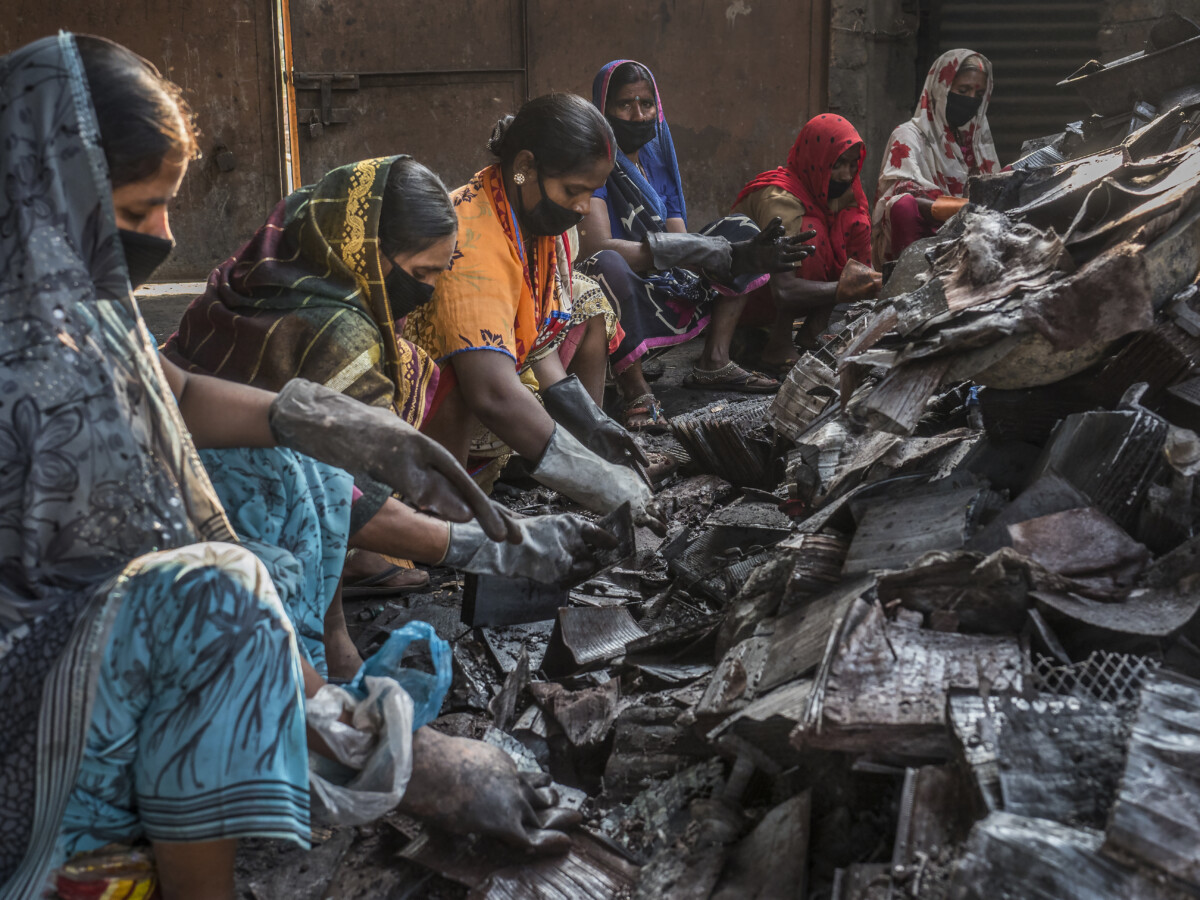
Many low- and middle-income countries, however, lack similar laws and the enforcement capacity necessary to ensure safe and environmentally sound ULAB recycling. As a result, an untold number of used lead-acid batteries are recycled in informal, uncontrolled and unregulated settings without the necessary processes and technologies to control lead emissions and prevent exposure of workers and surrounding communities. Often, these activities are the principal source of livelihoods for poor families and communities. These informal recycling operations are often in backyards, where unprotected workers break open batteries with hand tools and remove the lead plates that are smelted in open-air pits that spread lead-laden fumes and particulate matter over wide swaths of surrounding neighborhoods. Lead-laced acid from the batteries is often drained onto the bare ground or dumped directly into waterways, contaminating irrigation water and, ultimately, crops and fish.
People, and especially children, living near recycling sites are at risk of lead exposure from the dust and fumes generated by the operations.
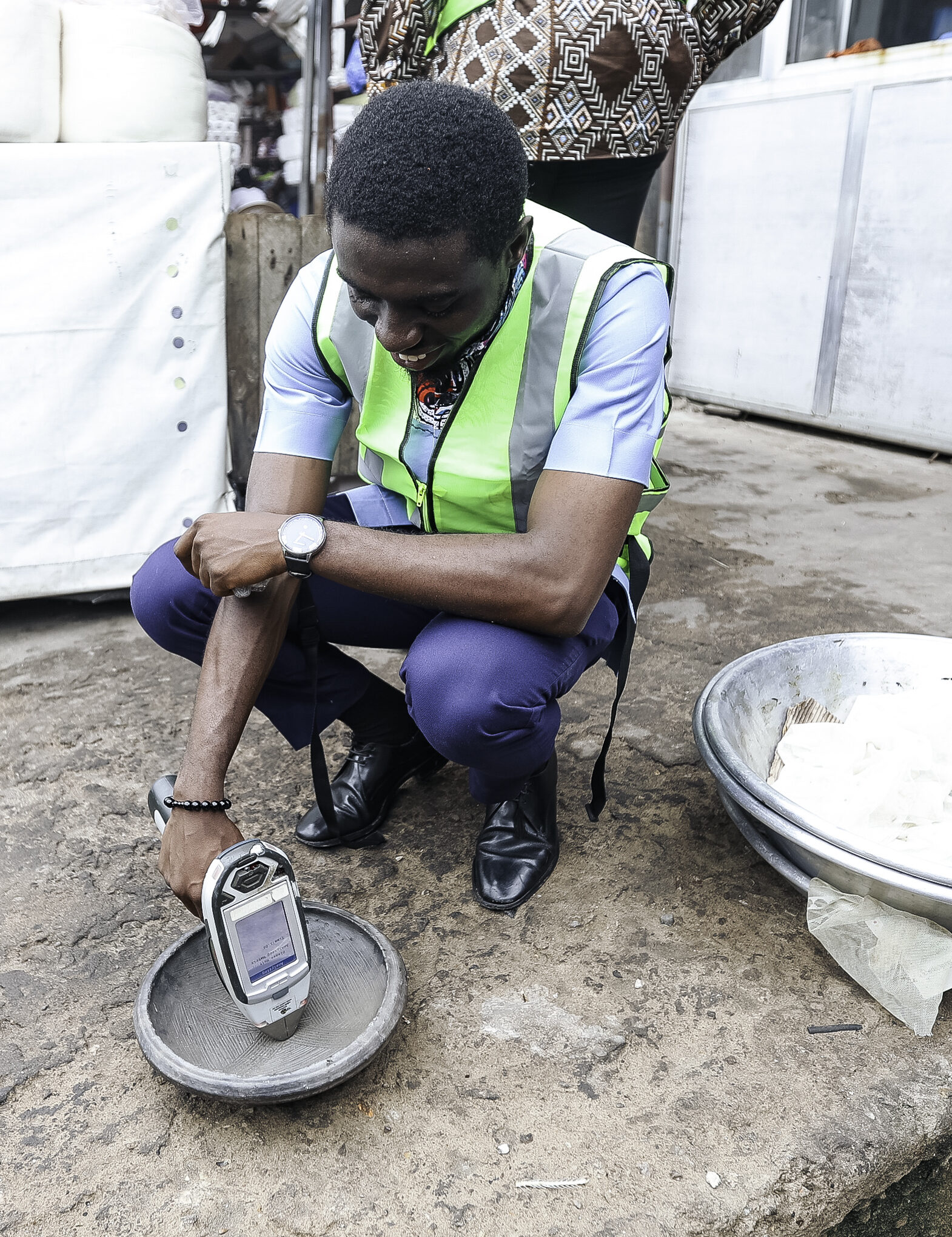
Lead is often used in ceramics and cookware as a glaze, protecting the earthenware from corrosion over time. Leaded glazes provide a lustrous waterproof coating and have been traditional in many cultures. Originally brought to the Americas from Spain in the mid-1800s, leaded glazes have been in continuous use in traditional pottery in Mexico and elsewhere. However, using lead glaze presents a very large risk, especially when utensils are used in the preparation of food. Lead can easily leach from ceramic glazes and into food when fired at low temperature. Wood-fired kilns used by most artisanal potters often do not reach the fusing/sintering temperatures necessary to vitrify lead glazes to prevent lead from leaching into food.
Additionally, many of the potters work in and around their homes, exposing their families, and particularly young children, to lead dust. Acidic foods, such as lime and tomato juice, and high-heat cooking also cause lead to leach more readily from the pottery and cookware.
Lead-contaminated metal cookware (pots, pans, woks, pressure cookers, and similar products) is an under-researched lead exposure source that Pure Earth has found in countries across the globe and that may contribute substantially to chronic exposure. Recent research suggests that lead in inexpensive, locally made aluminum cookware is widespread and may release lead into food.
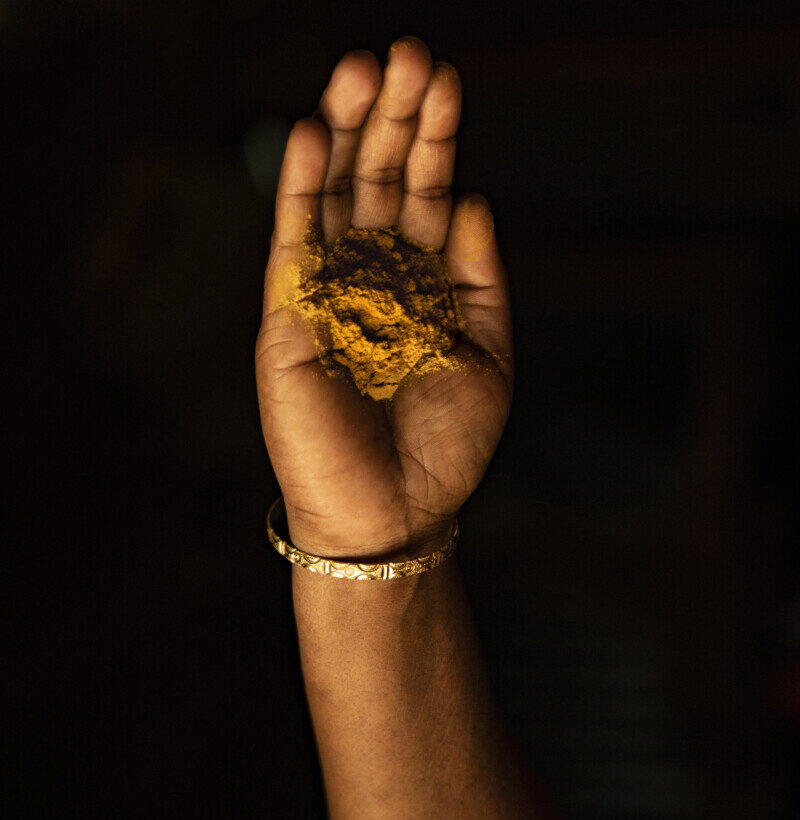
Spices, such as turmeric, marigold, and others, are adulterated with lead chromate to enhance their color and weight in many countries. These lead-adulterated spices can contribute significantly to elevated blood lead levels among children and adults. The practice of adding lead-based pigments to enhance the color and weight of spices is occurring in several countries. Some of these contaminated spices find their way into kitchens worldwide through the global food supply chain.
Traditional cosmetics like kajal, surma, and kohl, commonly used in South Asia, the Middle East, and North Africa, often contain lead sulfide, which can significantly increase blood lead levels. The U.S. FDA warns against using these products due to the elevated risk of lead exposure, as some samples have been found to contain toxic levels of lead. Pure Earth’s Rapid Market Screening Project also revealed lead contamination in cosmetics, advocating for stricter regulations to minimize exposure, particularly in products like eyeliner and lipstick, which can result in cumulative lead ingestion.
An important cause of lead exposure is lead paint, which is unregulated in 55% of countries globally. Even though the harmful effects of lead in paint have been documented since at least the 1890s, 106 countries do not have lead paint regulations. Even in countries that have taken steps to ban leaded paint, such as the United States and many European nations, lead-based paint is a continuing health hazard due to the deterioration of existing lead paint on walls and surfaces.
Lead is added to paint to increase drying capacity and durability, as it resists moisture and helps prevent corrosion. Children can be poisoned if they chew on surfaces coated with lead-based paint, such as windowsills and door edges. It is especially dangerous to children because it tastes sweet, and when lead paint peels and cracks over time, it creates flakes and dust which children can ingest. Toys painted with lead-based paints also can taste sweet, which further encourages children to mouth them.
Explore more resources from the Global Lead Paint Alliance, Lead Exposure Elimination Project, IPEN, and the US Environmental Protection Agency.
Lead in drinking water, most commonly from decaying or corroding pipes and fixtures or from solder that connects pipes, continues to be a risk. Installation of lead pipes in the United States on a major scale began in the late 1800s, particularly in the larger cities. By 1900, more than 70% of cities with populations greater than 30,000 used lead water lines. Although lead was more expensive than iron (the material of choice until that time), lead pipes had two significant advantages over iron ones: they lasted much longer than iron (about 35 years compared with 16) and, because lead is more malleable, the pipes could be more easily bent around existing structures. The degree to which lead dissolves into water depends on the temperature, pH, and time that water has been in touch with corroding lead pipes.
Lead is a naturally occurring element found in a variety of forms in the Earth’s crust. The mining and extraction of lead ore is crude and often leads to community and industrial contamination. Historically, exposure to lead was extremely high amongst those working in lead mines, especially where adequate protection for workers was not provided or available.
Metallic lead from ULAB recycling is easily melted and cast into ingots. However, the lead oxide paste scraped from ULB plates needs more complicated processing. The process of converting a metal oxide to raw metal is called “smelting” and it involves mixing the powdered lead oxide with a carbon source (usually charcoal) and “cooking” the mixture. The exothermic reaction results in molten metallic lead, which is scooped up and molded into ingots. Smelting can take place in enormous industrial kettles or small cast iron skillets. Lead contamination occurs when the dry lead oxide powder is mishandled. Lead smelting facilities are often found adjacent to lead mining sites.
Lead can be found in soil and dust, especially where activity relating to lead operations has taken place, such as industrial operations, smelting or ULAB recycling. Areas where pesticides containing lead arsenate was used and land where coal ash has been dumped often are contaminated with lead residue. High levels of leaded soil can be found where leaded paint used on houses has chipped, flaked and peeled into the soil. Moreover, while lead is no longer used in gasoline, years of deposits from its use, as well as industrial sources, may still contaminate soil. Artificial turf playing fields may also contain potentially unhealthy levels of lead dust, especially older ones that are exposed to weather and are more likely disintegrate.
E-waste (or ‘electronic waste’) refers to anything with a plug, electric cord or battery that has been used and disposed as waste. E-waste includes computers, televisions and mobile phones, among other electronic devices. It is hazardous, complex, and expensive to safely recycle or dispose of e-waste.
Approximately 80% of e-waste is shipped to low- and middle income countries, often illegally, where thousands of informal workers, often including children, pick through, dismantle and/or burn the e-waste to obtain valuable metals and materials. These practices expose them to toxic substances, including, but not limited to, lead. The poorest residents are usually the most affected in these informal recycling industries, which typically have limited workplace protections. Moreover, children living near these sites are forced to breathe air that is toxic as a result of the burning of e-waste and dust that has been swept up in the wind, to eat food that may have been grown in contaminated soil, and to drink water which is potentially full of harmful chemicals from e-waste sites.
There are many professions in which workers can be exposed to dangerous levels of lead. Moreover, there is potential for the worker to extend contamination beyond the workplace and into areas where families and children live and play. Parents whose occupations involve working with lead often bring contaminated dust home on their clothes, hair, hands and shoes, thus inadvertently exposing their children to the toxic element. Historically, exposure to lead was extremely high amongst those working in lead mines, especially where adequate protection for workers was not provided or available.
The Toxic Truth Report (2020)
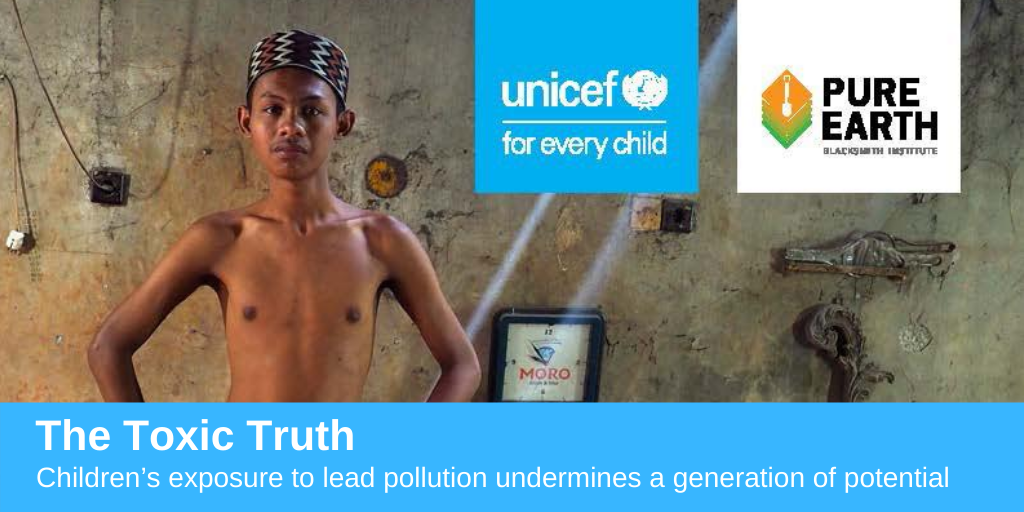
The 2020 Toxic Truth report from UNICEF and Pure Earth revealed that lead poisoning is affecting children on a massive and previously unknown scale. The report, the first of its kind, says that around 1 in 3 children – up to 800 million globally – have blood lead levels at or above 5 micrograms per deciliter (µg/dL), the level at which requires action. Nearly half of these children live in South Asia.
This joint report by UNICEF and Pure Earth notes that lead is a potent neurotoxin that causes irreparable harm to children’s brains. It is particularly destructive to babies and children under the age of 5 as it damages their brain before they have had the opportunity to fully develop, causing them lifelong neurological, cognitive and physical impairment. Childhood lead exposure has also been linked to mental health and behavioural problems and an increase in crime and violence. Older children suffer severe consequences, including increased risk of kidney damage and cardiovascular diseases in later life, the report says.
It is clear from evidence compiled that lead poisoning is a much greater threat to the health of children than previously understood. Although much more research needs to be conducted, enough data have recently emerged for decisive action to begin – and it must begin now.
Additional Resources
- Programmatic Framework for Lead Poisoning, Pure Earth
- Rapid Market Screening Report, Pure Earth, 2023
- Lead Poisoning Fact Sheet, Pure Earth, 2020
- The Toxic Truth Report on global childhood lead poisoning, Pure Earth and UNICEF, 2020
- Lead Poisoning and Climate Change, Pure Earth, 2023
- Protocols and Technical Guidance on Lead Pollution, Pure Earth
- Public Education Materials, Pure Earth
- Exposure to lead: a major public health concern, 3rd edition, The World Health Organization, 2023
- Integrated Science Assessment (ISA) for Lead, United States Environmental Protection Agency, 2024
Pure Earth’s 5-Phase Approach to Solving Lead Poisoning
Pure Earth implements evidence-based solutions in collaboration with governments and trusted public health partners. Our five-phase approach draws on more than 25 years of experience protecting people from lead exposure in low- and middle-income countries, and is tailored to each local context, with phases that can overlap and be adapted to country-specific priorities.
- Reveal the Crisis
- Pinpoint Exposure Sources
- Reduce Exposure
- Mobilize Collective Will
- Build Durable Systems