KLIK DI SINI untuk membaca artikel dalam Bahasa Indonesia.
Lead exposure remains a hidden threat to children’s health in Indonesia, causing developmental delays, anemia, and even permanent nerve damage. In this interview, the Indonesian Pediatric Society (IDAI), represented by Dr. dr. Irene Yuniar, Sp.A(K), emphasizes the urgency of early detection, challenges in primary healthcare services, and the importance of cross-sector collaboration to protect future generations. Parental education, comprehensive policies, and a sustainable monitoring system are key to mitigating the risks of lead exposure in children.
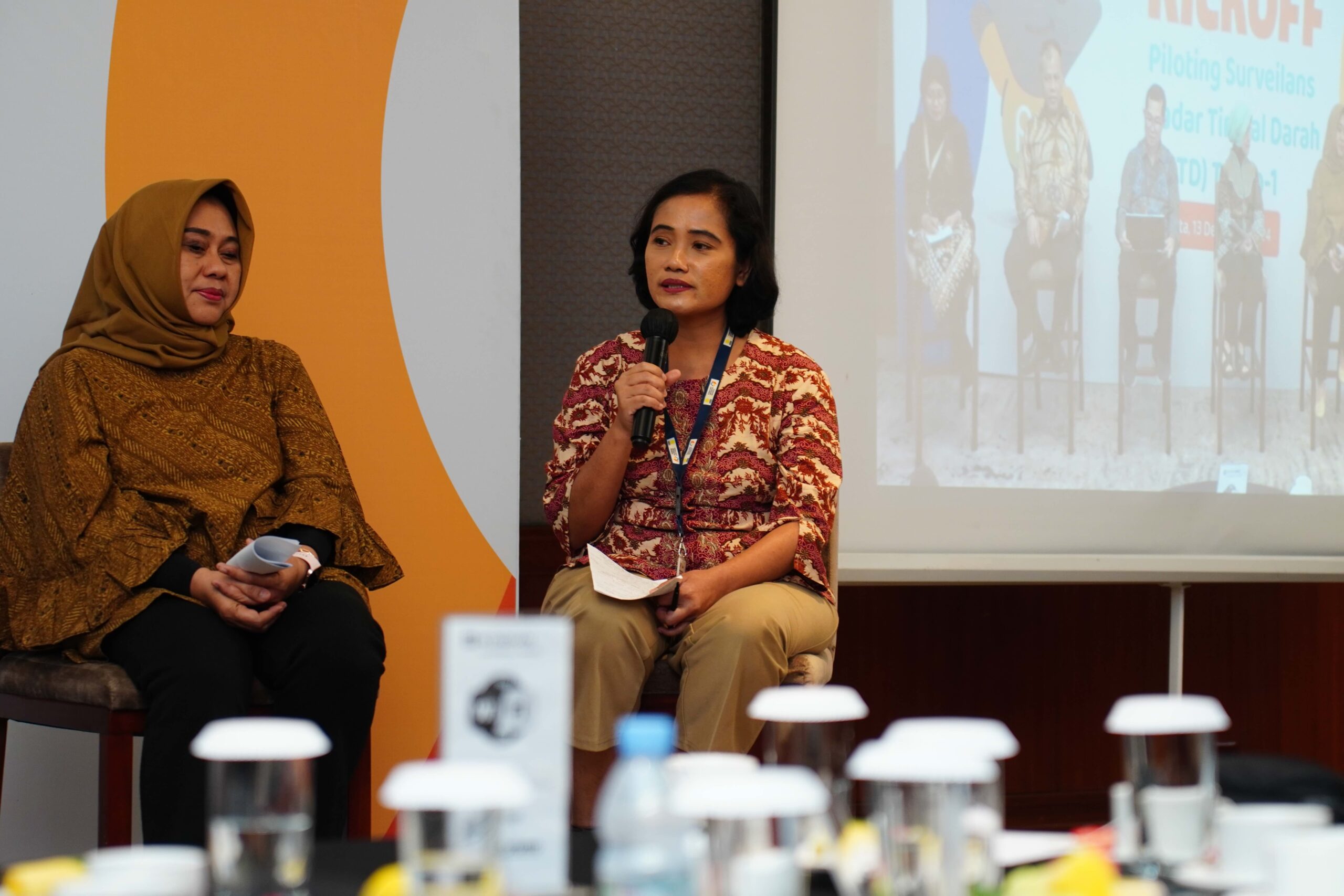
“Picture this, a field full of cheerful children running around, expressing their creativity, and socializing with peers. A scene like this likely brings a smile to parents’ faces. Their children look healthy, or so they think. But research later revealed that many of these children had anemia and developmental issues,” said Dr. Irene Yuniar, Sp.A(K), Secretary of the Task Force on Environmental Health and Climate Change (Satgas KLPI), Indonesian Pediatric Society (IDAI).
This story refers to blood lead level (BLL) research conducted in 2023 by the Occupational and Environmental Health Research Center (OEHRC) – Indonesia Medical Education and Research Institute (IMERI), Faculty of Medicine, Universitas Indonesia, in collaboration with Yayasan Pure Earth Indonesia. The study, carried out among children aged 12–59 months in lead-contaminated areas of Java, found that nearly 90% had BLLs above the WHO recommended threshold of 5µg/dL.
“The effects of lead exposure are severe for children,” stressed Dr. Irene, a pediatric consultant in Pediatric Emergency and Intensive Care. She listed several effects, including developmental delays, cognitive impairment, and serious complications such as anemia, neurological disorders, and cardiovascular issues. Even more concerning, “Children are especially vulnerable because they absorb lead far more than adults. The toxic effects can be long-term and irreversible. Once it’s severe, recovery is extremely difficult.”
You Can’t Fight What You Don’t Know
Unfortunately, public awareness about lead exposure remains low. “Many parents are unaware that there may be lead exposure sources around them, from children’s toys or paint on playground slides to cooking utensils, cosmetics, and household items,” explained Dr. Irene.
Without awareness, prevention becomes impossible. “But once educated, parents can play a critical role and take simple steps to minimize the risk of lead exposure to their children.”
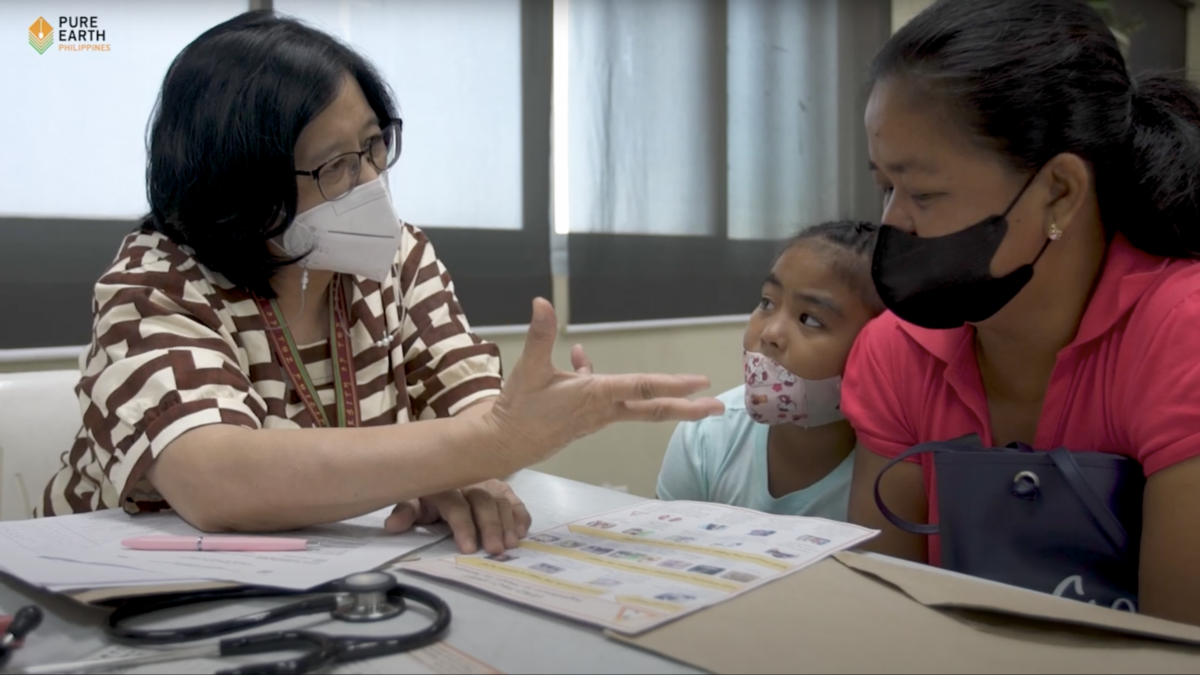
This knowledge gap exists not only among the general public but also among health workers in primary health care. “Lead poisoning symptoms are non-specific. There are no clear, unique indicators like other diseases,” she added. As a result, lead poisoning is rarely diagnosed in children or adults. Other health issues, such as infections, malignancies, infectious diseases, and other health problems, are generally considered to be the cause of why a patient may be ill.
The challenge is compounded by the lack of facilities to test blood lead levels. “Not every lab can do BLL testing, only select laboratories are equipped,” said Dr. Irene.
The lack of awareness and limited diagnostic capacity poses a significant challenge in addressing lead exposure, particularly in children.

Early Detection, Early Intervention
Dr. Irene proposed that one key solution is monitoring children’s growth and development and screening for lead exposure. “This can be done at home and in primary health care facilities like community health centers (Puskesmas). It’s simple; all you need is a scale, a height measurement tool, and a growth chart. Regular monitoring of a child’s growth curve can reveal red flags. Likewise, knowing typical developmental milestones, like when a child should start talking or walking, allows timely interventions if delays occur.”
In addition to growth monitoring, Dr. Irene emphasized the importance of lead exposure screening at health facilities. Healthcare workers can ask screening questions related to the child’s environment: “What’s the home like? What activities do the parents do? What are the child’s habits? What household items are used? If a house is near a used battery recycling facility, for example, lead exposure should be suspected.”
Better Data, Better Strategies
Another crucial screening effort is blood lead level testing. “In other countries, BLL screening is done periodically at certain child age ranges,” said Dr. Irene.
In Indonesia, however, such testing remains extremely limited. Nonetheless, she acknowledged recent progress, such as the first phase of the Blood Lead Level Surveillance (BLS) pilot, a joint initiative of the Ministry of Health, National Research and Innovation Agency, Pure Earth, and Vital Strategies. This program monitors BLLs in children and identifies potential lead sources in home environments.
“We desperately need data on lead exposure. With reliable data, we can map the problem and develop effective strategies,” she emphasized.
IDAI, she revealed, has already issued recommendations on managing lead intoxication in children, following the 2023 study by OEHRC-IMERI and Pure Earth. “The recommendations were created in coordination with 14 IDAI working units, each focusing on lead’s effect—neurological, cardiovascular, developmental—and defining tailored recommendations for each condition.”

However, Dr. Irene added, these recommendations must be backed by detailed data, not only BLLs but also physical examinations. That’s why IDAI hopes to be involved in the second phase of the BLS pilot to conduct necessary physical assessments. “That way, we can map the issue thoroughly and create comprehensive prevention and treatment strategies.”
One Action, Three Layers of Protection
At the same time, Dr. Irene said, public education and policy implementation must go hand in hand to address lead exposure in Indonesia. A multi-sectoral approach is essential across three levels of a child’s environment: micro, meso, and macro.
At the micro level, or immediate environment, families need to be educated about lead. “Education should cover sources of lead at home, child behaviors that increase exposure risk, and preventive steps.”
Public service announcements, she said, can be powerful tools. “There should be ads showing proper handwashing techniques, for example. It may seem simple, but it’s crucial.”
At the meso level, such as schools, educators must be informed and proactive. “They need to ensure the learning and play environments are free from lead. They also must promote clean and healthy living habits in school.”

Meanwhile, at the macro level, “We need multi-sectoral policies, not only from the health and environment sectors but also education, industry, and others,” said Dr. Irene. She suggested that education materials on lead could even be added to the school curriculum.
“Lead exposure is a major issue, it can’t be solved by the health and environment sectors alone. We need synergy with education, industry, and more. Let’s tackle this problem together,” she urged.
A Call for the Future of Indonesia’s Children
As a closing message on National Children’s Day, Dr. Irene shared IDAI’s call for all parties to uphold children’s right to grow up in a safe and healthy environment, free from lead and other pollutants.
“We must remember children’s rights—to education, to life, and to a good environment. Parents, educators, and the government must ensure these rights. We need to create optimal environments so children can grow and develop to their full potential. If we want Indonesia’s children to become a great generation in the future, we must prepare them now—not only with nutrition and education but also with environmental protection.”