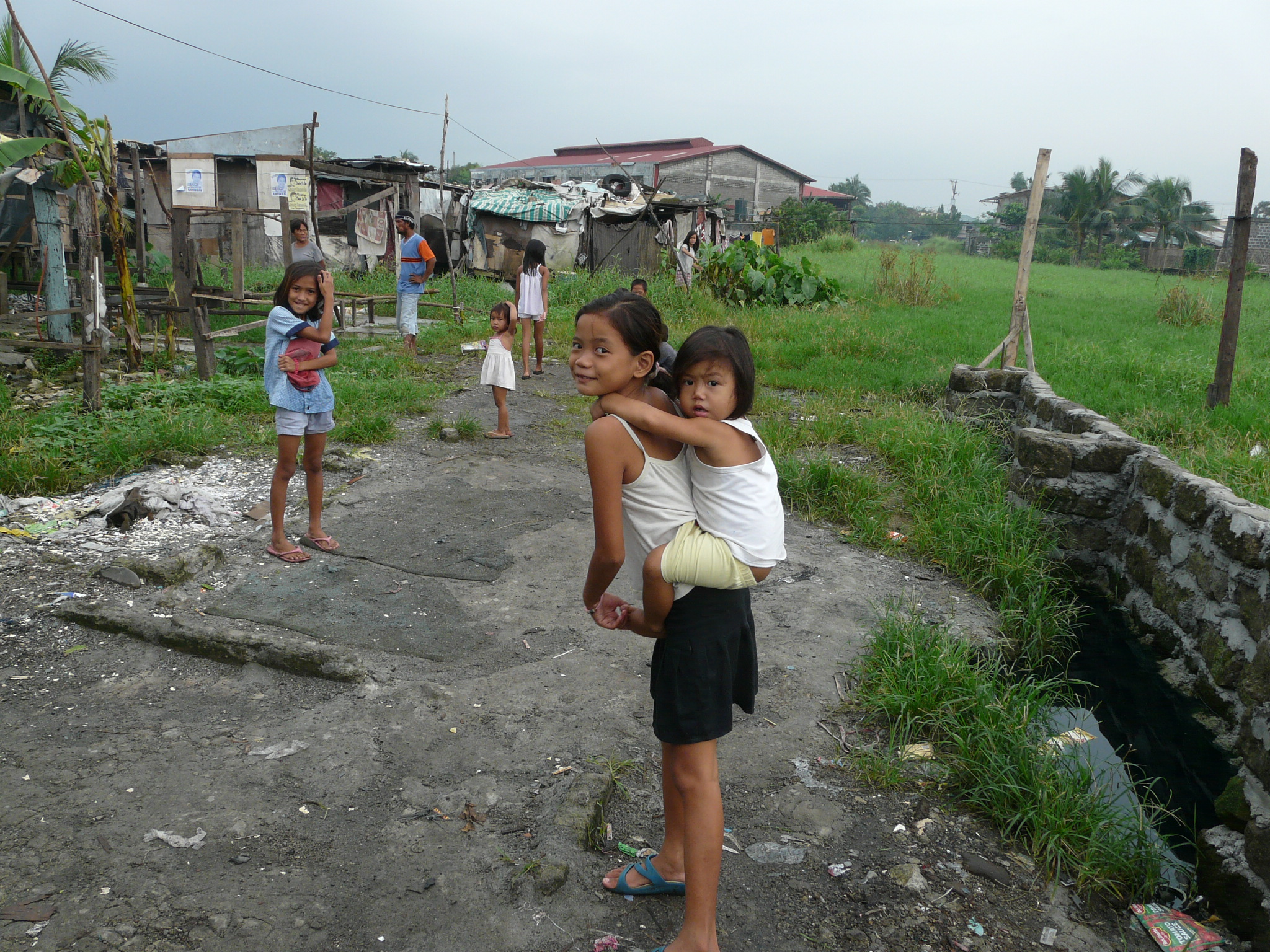
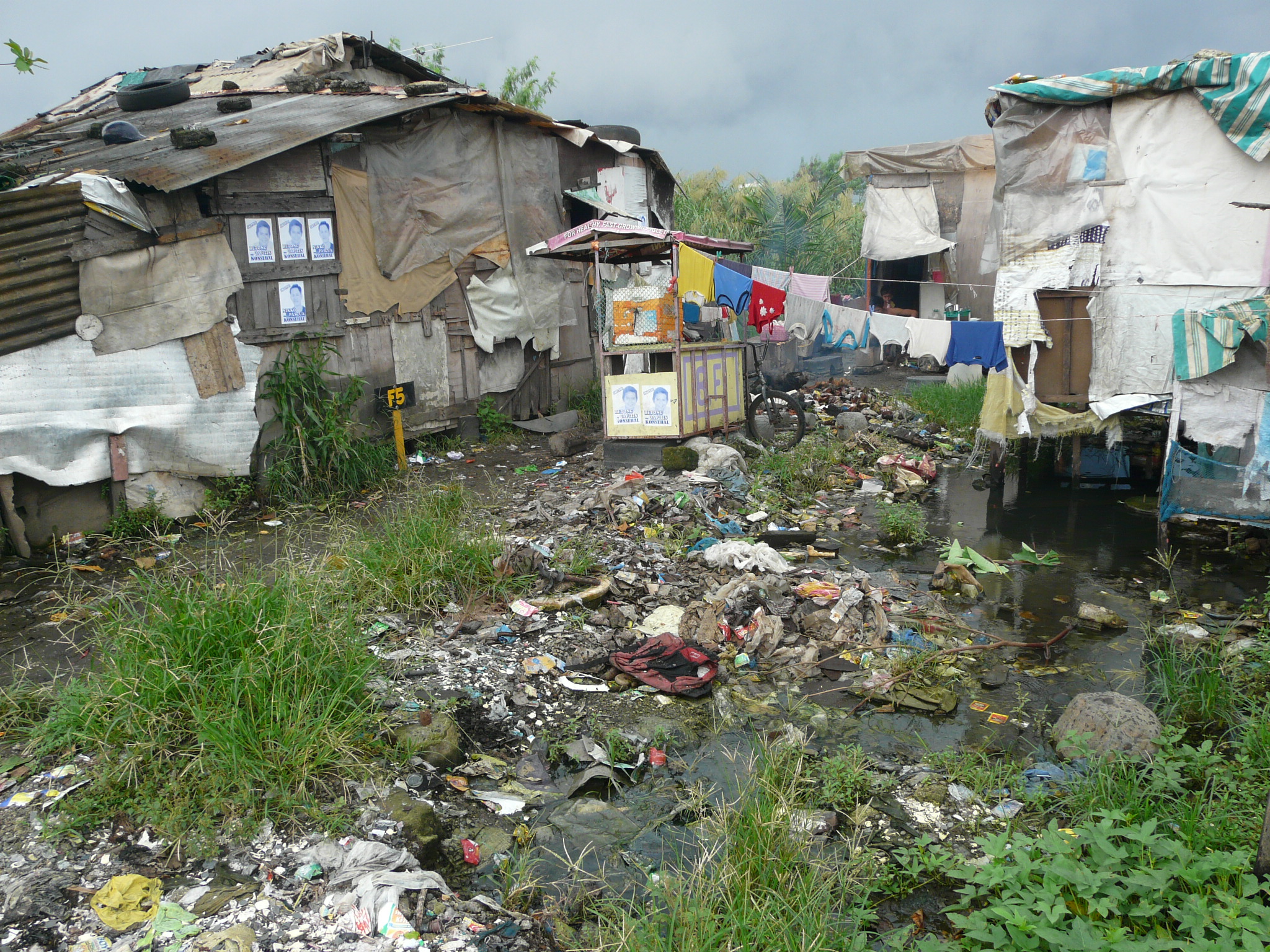
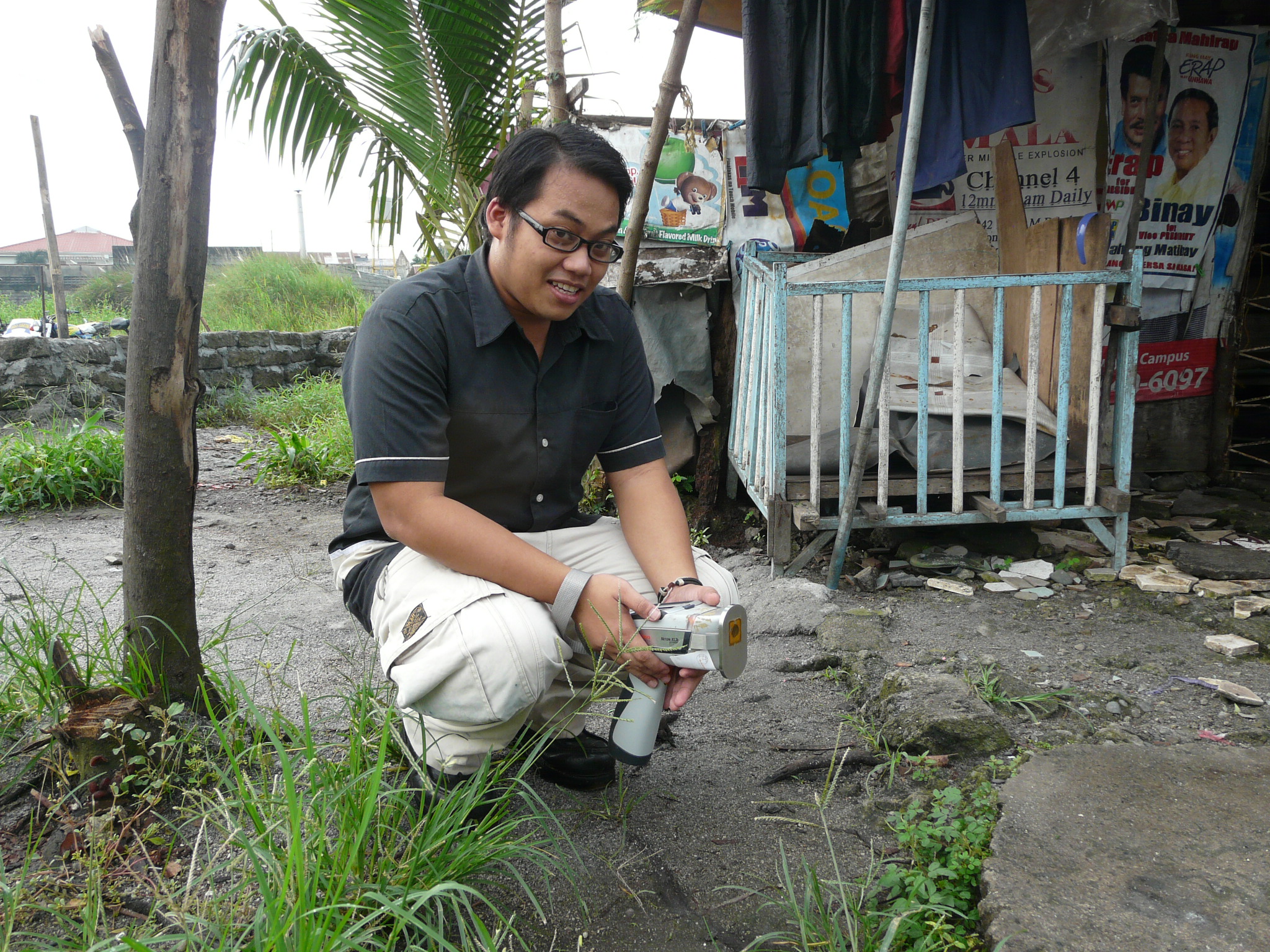
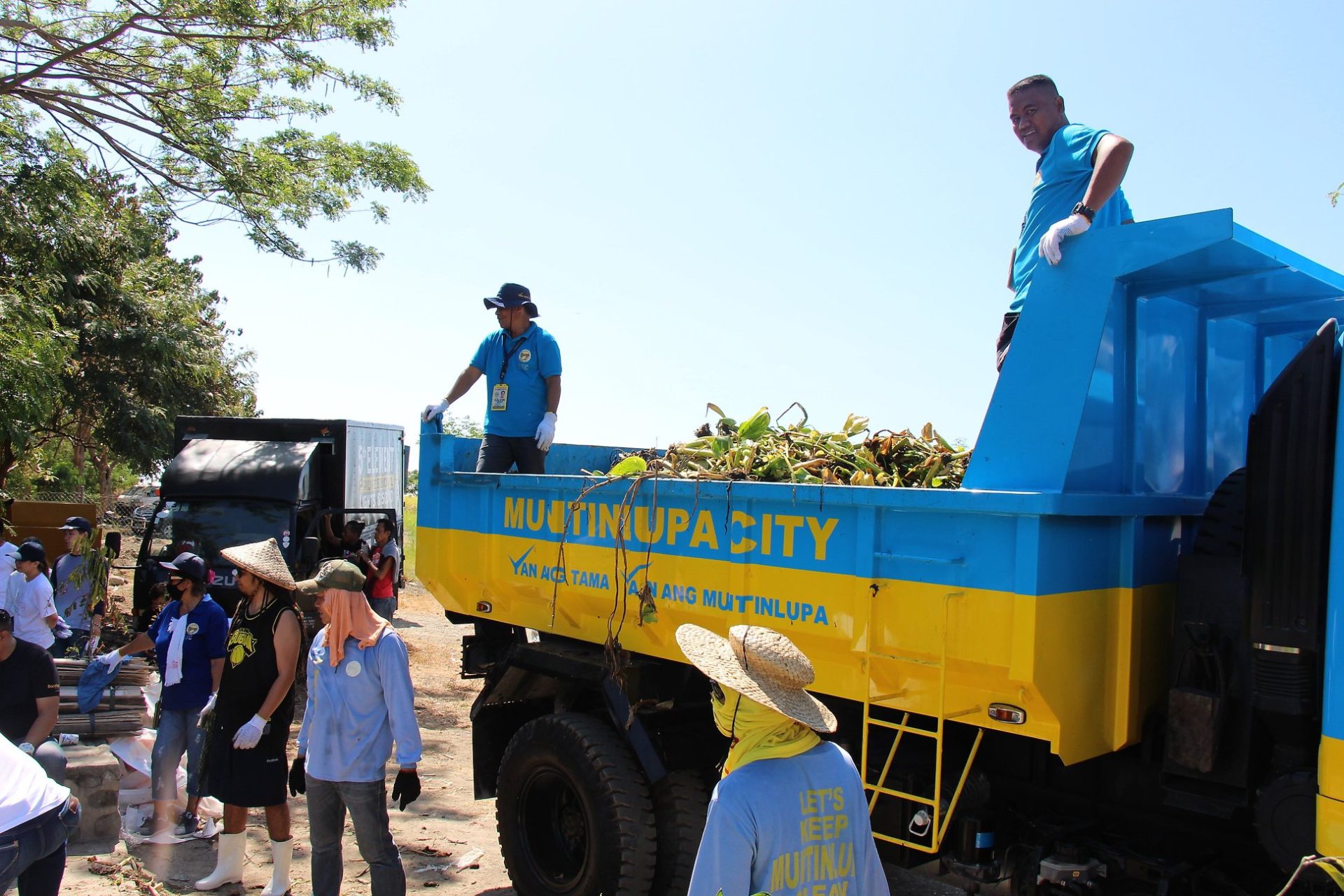
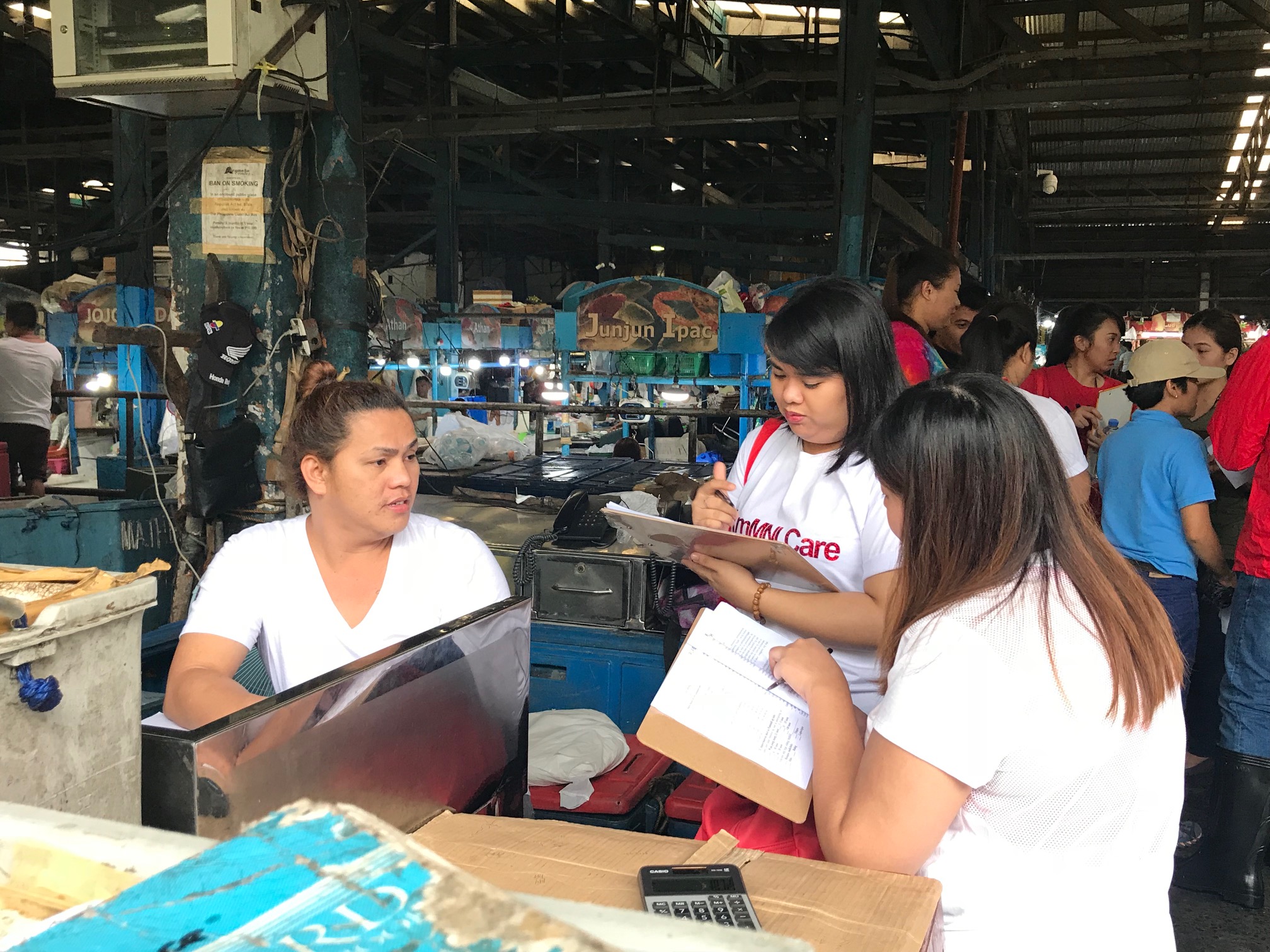
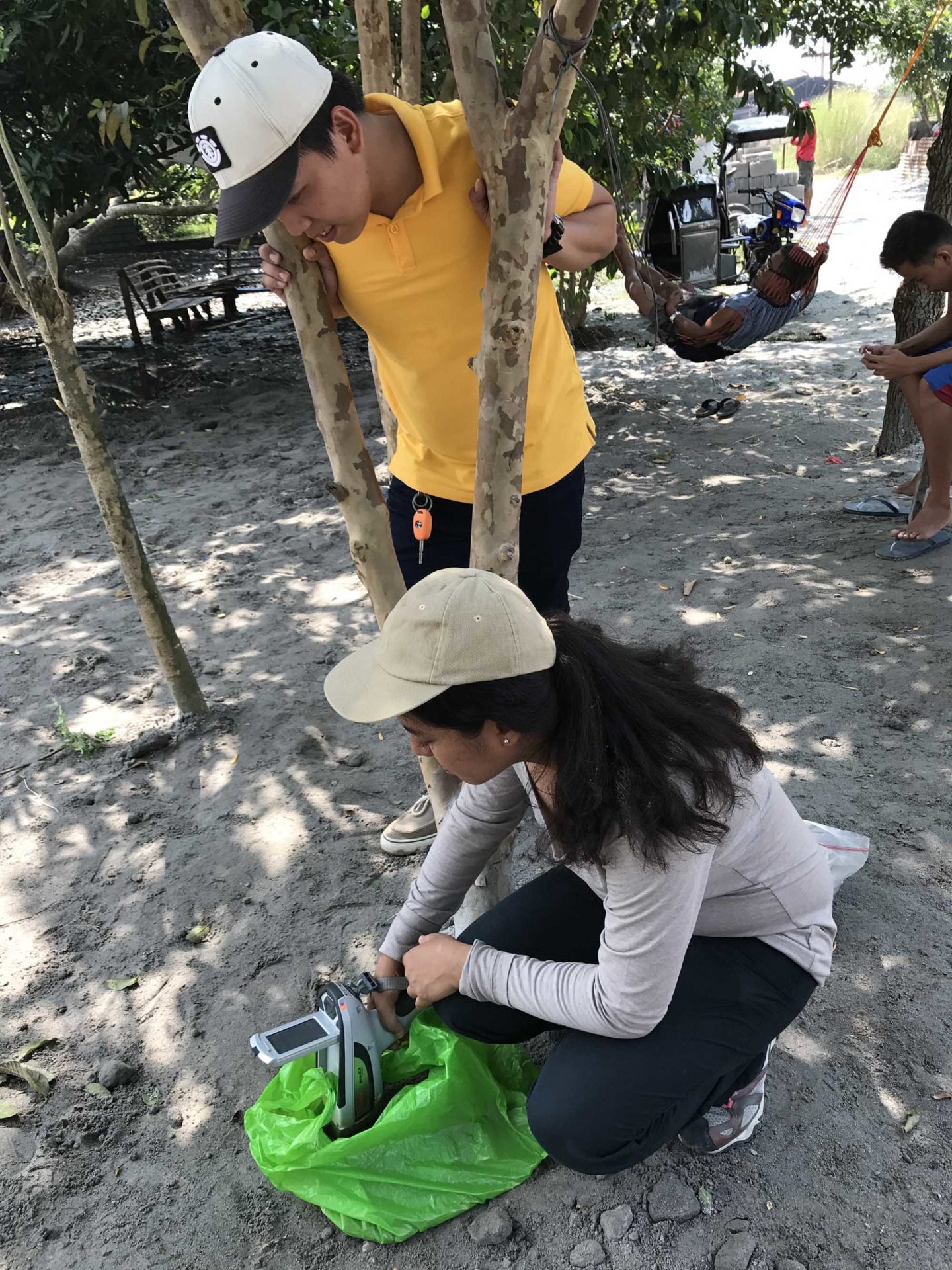
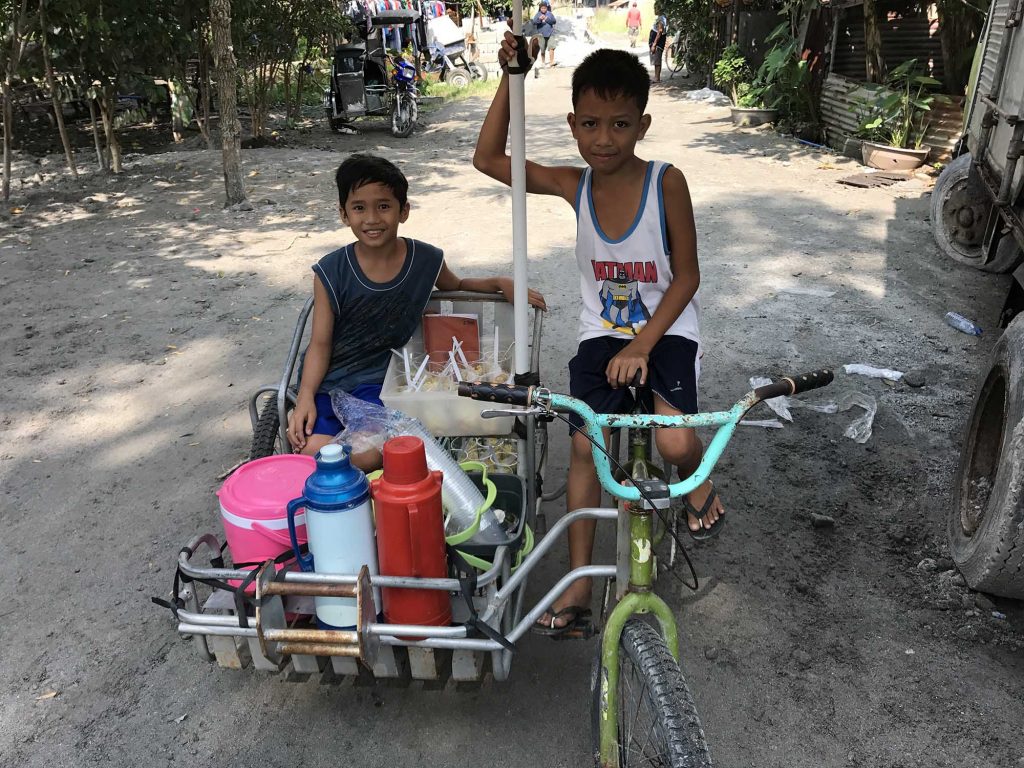
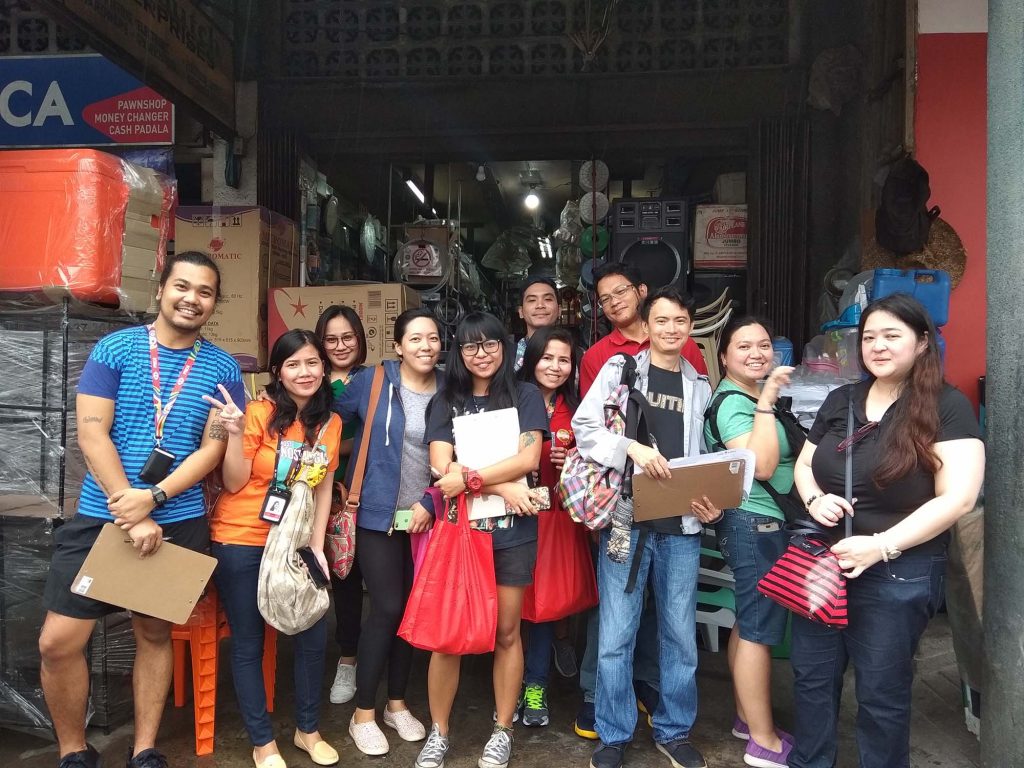
Pure Earth has been identifying and tackling toxic pollutants in the Philippines through assessments of contaminated sites, pilot remediations, multi-stakeholder coordination, education, and industrial process reviews since 2008. To date, over 150 toxic sites have been assessed, and more than 25% were lead-contaminated. In addition to these assessments, Pure Earth has worked on the ground in priority areas, such as areas where Used Lead Acid Battery (ULAB) recycling is prevalent — developing plans and implementing cleanup projects.
Progress in Blood Lead Level (BLL) Testing in the Philippines (2021–Present)
Since 2021, significant progress has been made in addressing childhood lead exposure in the Philippines through Blood Lead Level (BLL) testing initiatives. Key efforts include the integration of BLL testing into national and local health strategies, conducted by the Food and Nutrition Research Institute (FNRI), Pure Earth (PE), and various partners.
First-Ever National Survey of Childhood Lead Poisoning in the Philippines (2021–2022)
The FNRI incorporated BLL testing into the Philippines’ Expanded National Nutrition Survey (ENNS) for the first time, collecting venous blood samples from 2,932 children aged 6–9 years across 25 survey areas. Analysis by the East Avenue Medical Center National Reference Laboratory (EAMC-NRL) revealed that 8.76% of children had BLLs exceeding 3.5 µg/dL, translating to an estimated 1.05 million children nationwide with elevated lead levels. Feedback and health consultations were provided to over 300 local government units (LGUs). This phase marked a critical step in assessing the national scope of lead exposure.
Policy and Strategic Action (2023–2024)
In 2023, the Inter-Agency Committee on Environmental Health (IACEH) prioritized lead exposure as part of the National Environmental Health Action Plan (NEHAP) 2023–2030. Key initiatives include assessing the viability of BLL screening (2023–2024), implementing proactive testing (2024–2025), and integrating lead management into universal health care frameworks. These actions aim to improve detection, treatment, and referral systems for chemical poisoning cases.
Expanded BLL Testing (2023–2024)
Under the 2023–2024 ENNS, FNRI gathered blood samples from all 117 survey areas to establish a national baseline for children aged 6–9 years. However, challenges such as insufficient funding and low sample volumes hindered progress. USAID committed $125,000 for testing, though higher costs are anticipated if more sensitive methods, like ICP-MS analysis, are employed.
Pilot Program in Valenzuela City (2024)
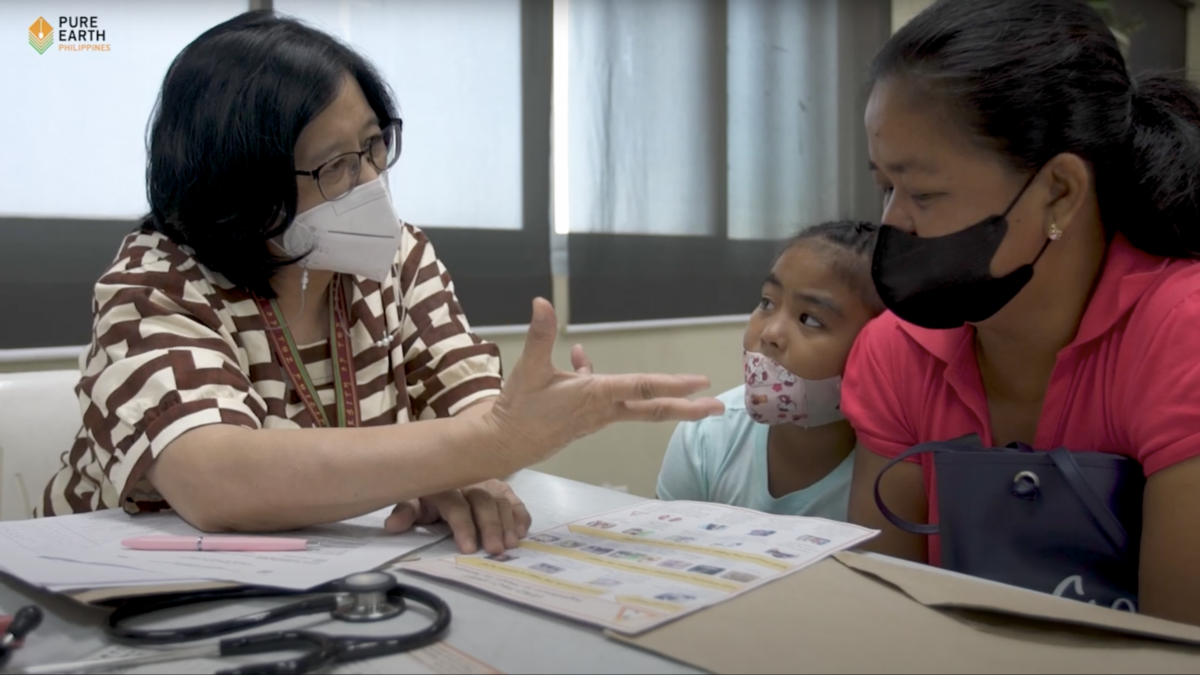
Valenzuela City initiated a pilot program to institutionalize local lead monitoring, focusing on children with disabilities. Supported by City Resolution No. 3197, the program includes BLL screening using LeadCare analyzers, home-based exposure assessments, and the development of referral systems. Initial tests found three out of 29 children with elevated BLLs, demonstrating the need for expanded coverage. The initiative is also advocating for the inclusion of BLL testing in universal health care services for persons with disabilities.
On March 6, 2025, Pure Earth Philippines and the Valenzuela City Government convened a multi-stakeholder dialogue to address the impacts of lead exposure, particularly among children with disabilities. The meeting gathered stakeholders from both the public and private sectors, reinforcing a joint commitment to tackling lead exposure. The discussions and research findings served as a call to action for further policy interventions, with Valenzuela City leading the way through the implementation of its local lead monitoring program.
First Ever City-Led Blood Lead Surveillance Program in Valenzuela City (2025)
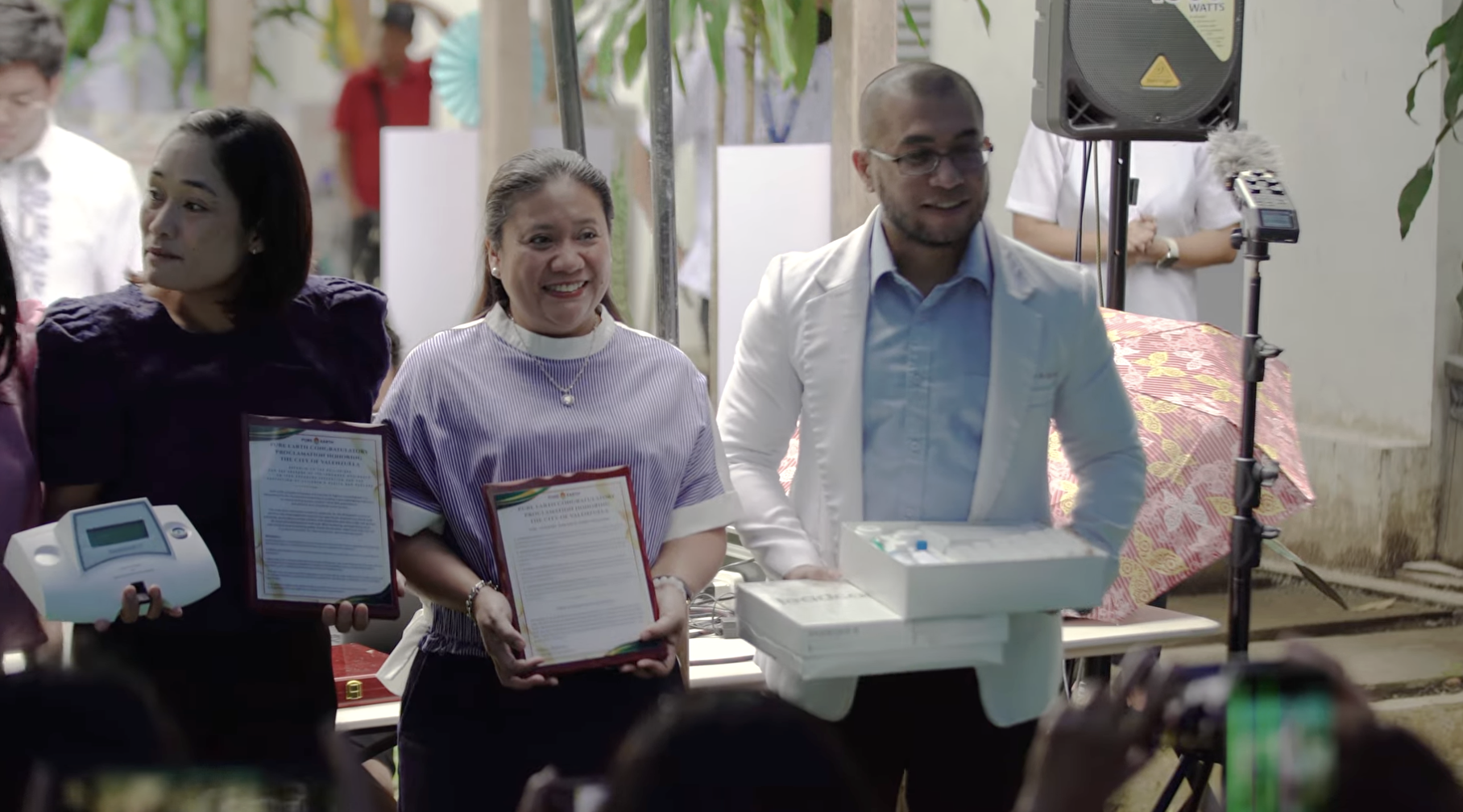
Pure Earth Philippines celebrated the country’s first city-led blood lead surveillance program in Valenzuela City during International Lead Poisoning Prevention Week 2025.
During the celebration on October 27th, 2025, Pure Earth Philippines turned over a LeadCare II Analyzer and blood lead testing kits to the City, along with a Commendation for this pioneering achievement. Valenzuela also launched its Lead Exposure Prevention and Child Protection Ordinance, reaffirming its commitment to a lead-free future.
Videos About Our Work
Celebrating the Philippines’ First City-Led Lead Surveillance Program in Valenzuela
Lead poisoning from everyday products in the home
Philippines: HSBC and Pure Earth Rooting for Healthier Ecosystems
G Diaries Interview: Country Director Larah Ibañez Explores The Impact Of Our Work In Communities Across The Philippines
Meet Dexter, who now can play without fear of lead poisoning
Behind the nationwide effort to identify children poisoned by lead
What happens after children are tested for lead poisoning?