Lead Cookware Working Group
Project Overview
Active
Country
Multiple Countries
Pollutant(s)
Lead
Date
2024
Funder(s)
Open Philanthropy; Global Health & Development Fund, Founders Pledge
Partner(s)
Cardinal Resolutions; JNARDDC; NYU, School of Global Public Health; King Country Health Department; Stanford University; SAMRC; icddr,b
Core Activities
Institutional Strengthening, Research
Source
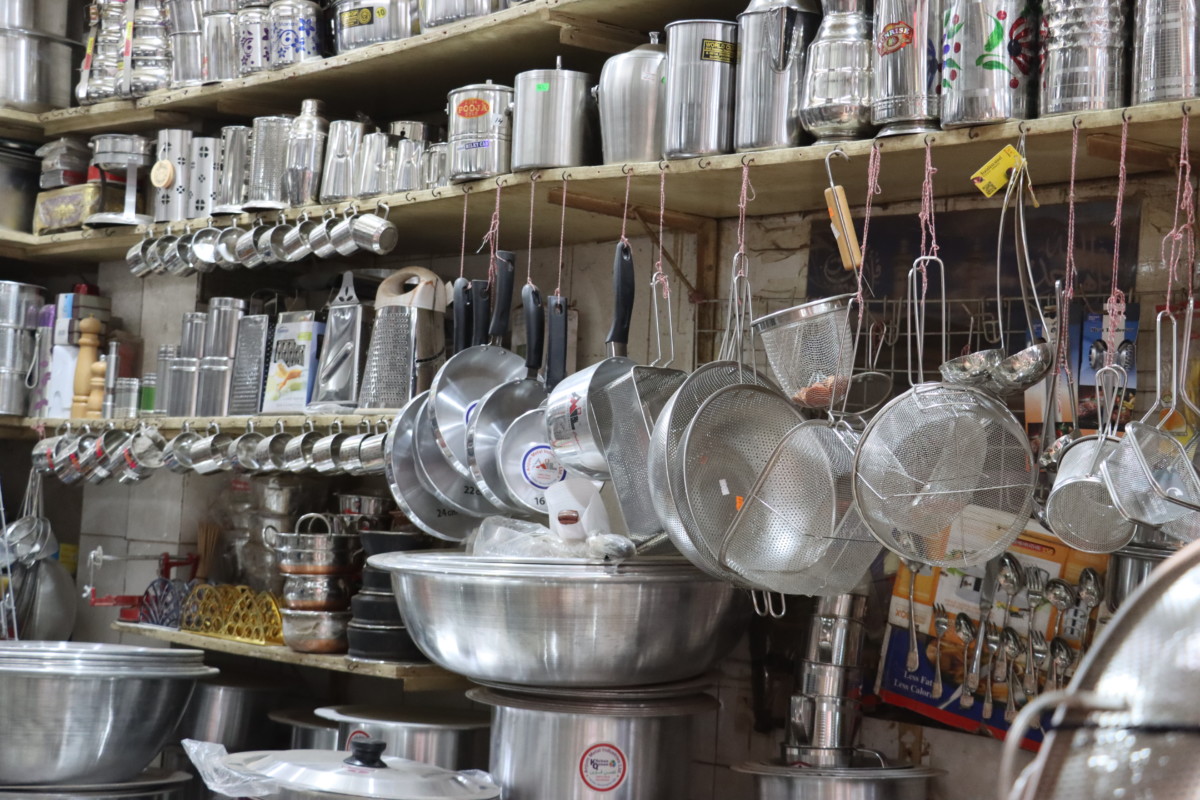
Cookware made with mixed scrap metal
Formation Rationale:
The Lead Cookware Working Group (WG) was established in January 2024 to address the critical issue of lead contamination in metallic cookware and other consumer goods.
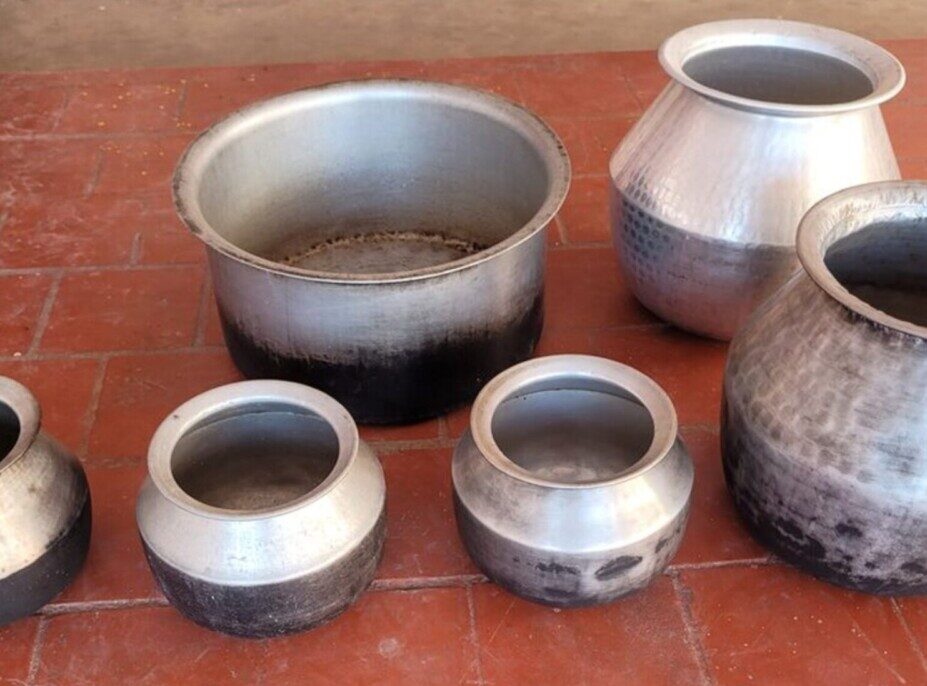
Pure Earth’s Rapid Market Screening Program (RMS) found that of the 518 samples of metallic foodware, 52% contained amounts of lead exceeding the reference level of 100 ppm. Metallic cookware is produced by both small-scale artisans and large-scale commercial manufacturers. Some of the foodware is believed to be made from mixed recycled materials, including car parts and construction materials that may contain lead.
Previous studies have highlighted elevated levels of lead in metallic cookware made in LMICs, particularly in aluminum cookware, which then leaches into food and poisons consumers.
These findings signal a need for further research on metallic cookware’s leachability and use, supply chains, and potential technical solutions to mitigate the effects of leaded cookware. It is quite possible that this source of lead could be one of the larger components of the global burden of lead.
In addition to metallic cookware, the WG is focusing efforts on the impact of lead in other consumer goods, such as ceramic foodware and cosmetics.
The WG is committed to addressing the complex issue of lead contamination in metallic cookware and other consumer products through research, collaboration with stakeholders, and the development of practical interventions and regulatory measures.
Our objective is to work out pragmatic solutions that can be tested and implemented in the field.
Scope & Activities:
The WG’s initiatives include seven key projects:
- XRF to Blood Lead Levels (BLL) Analysis – determining what levels of lead in pots causes what levels of elevated BLLs:
- Conducting statistical analysis to define the relationship between metallic cookware XRF readings and BLL.
- Validating XRF readings through lab analysis and studying leaching mechanisms.
- Defining standards for measuring pots, for conducting leachate experiments, etc.
- School Lunchware Programs:
- Evaluating the potential lead risks within school lunch programs, particularly regarding the food and cookware use in school cafeterias.
- Current studies being conducted in Ghana, Indonesia, and Tamil Nadu, India
- Technical Solution and Development Lab:
- Developing potential technical solutions to remediate the risks of lead in cookware. This will be important for small and artisanal shops, which are unlikely to respond to a regulatory requirement and source scrap aluminum from many different places, similarly difficult to regulate.
- Supply Chain Analysis of Metallic Cookware:
- Conducting a comprehensive analysis of the supply chain of metallic cookware, with a focus on aluminum pots, to better understand this pathway of lead contamination. The analysis aims to understand the market landscape, manufacturing practices, regulatory frameworks, and estimate the risk associated with lead exposure in metallic cookware in each country of interest. We will also determine how much of this cookware comes from formal vs informal sectors.
- Documenting the artisanal cookware production process in Ghana through video footage and interviews with local manufacturers. In addition to informing a supply chain analysis, footage from this series is to be used for an educational virtual reality series in collaboration with NYU. Plus its in 3D!
- Regulatory Framework:
- Establishing pilot standards and regulatory measures to mitigate the production and subsequent risks of leaded metallic cookware. These would be tested in a few countries, and established collaboratively with various larger producers.
- Ceramic Foodware Bioavailability:
- Determining the bioavailability of lead in ceramic foodware. A major problem is that ceramics may test with lead using an XRF, but the lead is not bioavailable. A method to distinguish ceramics that are safe to use is needed.
- Cosmetics Supply Chain:
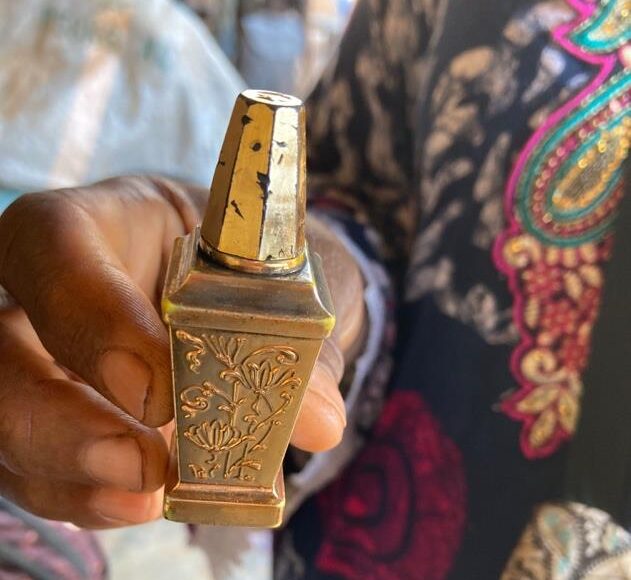
- Evaluating the risk of lead exposure in the global cosmetics supply chain. This may in turn lead to simple regulatory solutions to some of the more significant cosmetics risks – kohl, surma and the like.
Members (as of April 2025):
The WG is composed of experts from various organizations, including Pure Earth, New York University, King County’s Hazardous Waste Management Program, Stanford, Cardinal Resources, SAMRC, and iccdr,b.
A complete list of members and their affiliate organization:
- Anupam Agnihotri | JNARDDC
- Gordon Binkhorst | Pure Earth
- Jack Caravanos | NYU
- R.N. Chouhan | JNARDDC
- Katie Fellow | King County
- Jenna Forsyth | Stanford
- Richard Fuller | Pure Earth
- Barbara Jones | Cardinal Resources
- Angela Mathee | SAMRC
- Mahbubur Rahman | iccdr,b
- Melika Riley | Pure Earth (Intern)
- Alfonso Rodriguez | Pure Earth
- Renee Street | SAMRC
- Jesmin Sultana | iccdr,b
- Steve Whittaker | Pure Earth, King County (retired)
Last Updated:
04/23/25