Mitigating Lead Exposure in Tamil Nadu, India: Addressing Lead-Contaminated Cookware

Project Overview
Active
Country
India
Pollutant(s)
Lead
Date
2024-2027
Funder(s)
Lead Exposure Action Fund (LEAF)
Partner(s)
Sri Ramachandra Institute of Higher Education and Research (SRIHER); Citizen Consumer and Civic Action Group (CAG)
Core Activities
Institutional Strengthening, Source-Specific Intervention
Source
Metal Cookware
The Mitigating Lead Exposure in Low- and Middle-Income Countries (LMICs) project seeks to reduce lead exposure in Asia, Africa, and Latin America from exposure sources such as metal and ceramic cookware, adulterated spices, environmentally unsound used lead-acid battery (ULAB) recycling, and cosmetics. The overarching objective is to assist governments and stakeholders in strengthening institutional capacities, programs, and policies to effectively assess, prioritize, and mitigate lead exposure. Project countries include Colombia, Egypt, Ghana, India, Indonesia, Peru, and the Philippines.
As a result of this project, the state government and key stakeholders will have the information needed to launch an initiative to reduce lead levels in cookware, which could include a research program, monitoring, or policy development.
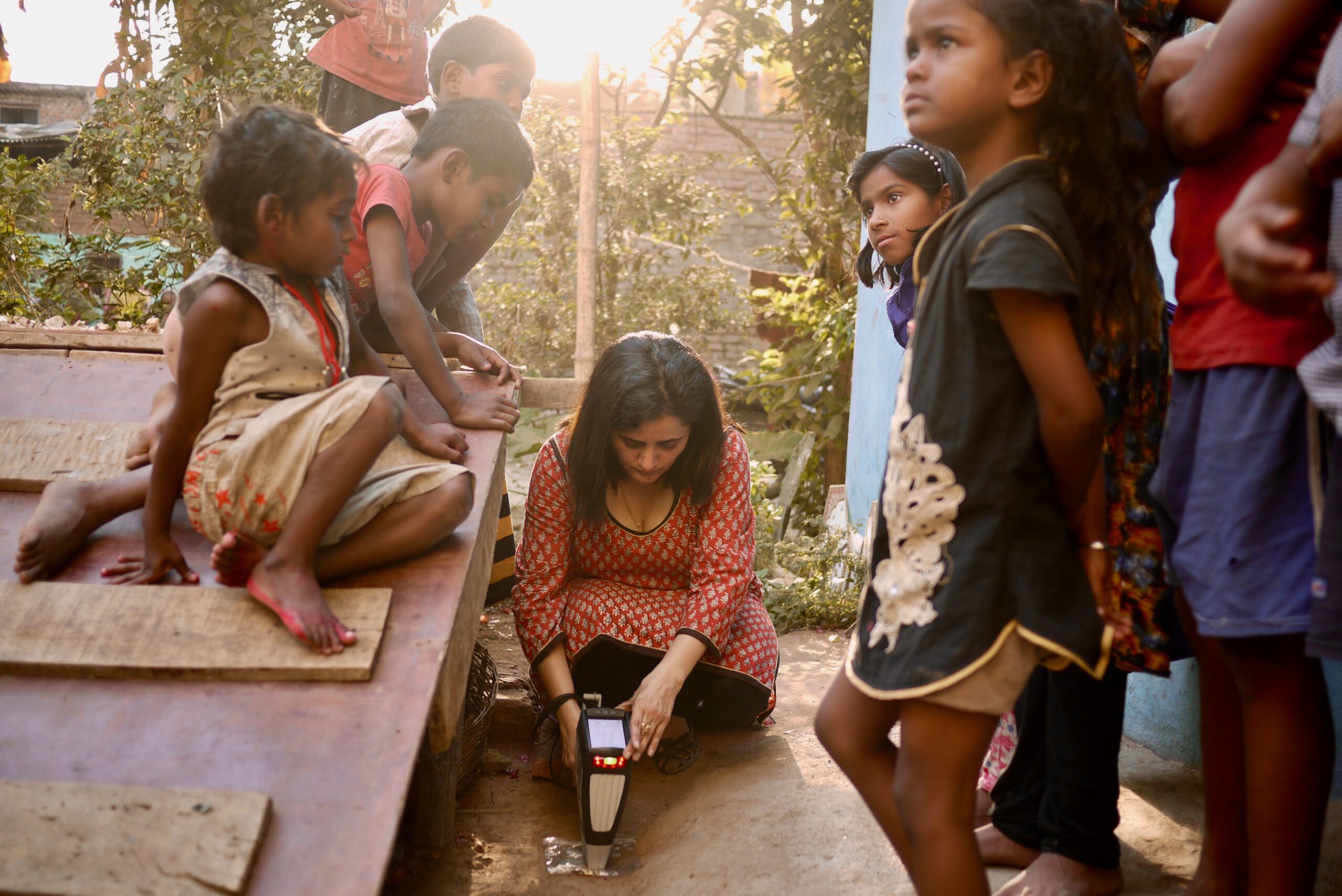
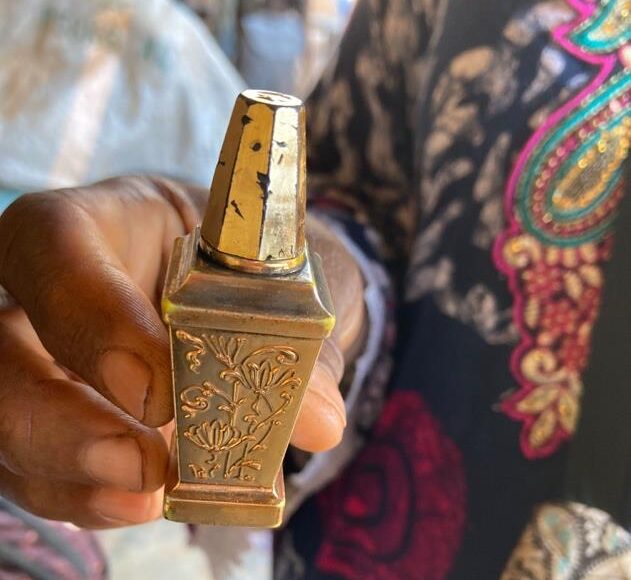
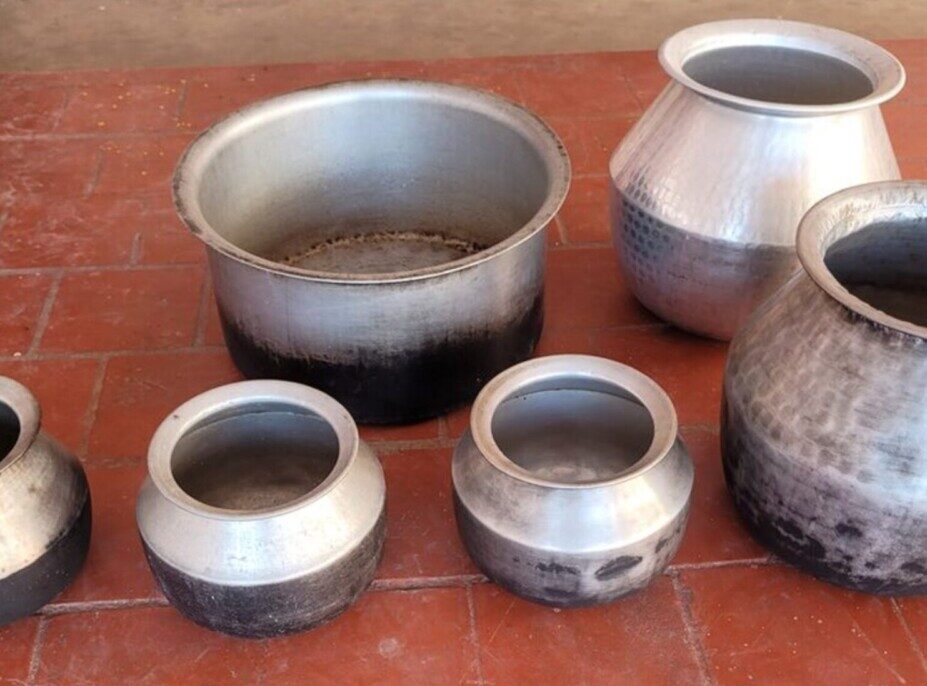
In 2018, Pure Earth piloted Tamil Nadu’s first lead-contaminated site cleanup, of a former ULAB recycling operation. In 2023, Pure Earth and local partners assessed 30 lead-contaminated hotspots and selected two for assessment. Of the 120 children surveyed, 85% had BLLs above 5 µg/dl. Unlike Bihar, the soil and spice lead levels were not high. However, 57% of cookware and 47% of lead dust samples had high lead levels.
Objectives:
- Reduce lead exposure from metal cookware in India by assessing how, when, where, and why lead enters cookware
- Work with regulators and producers to develop lead-free solutions
Activities:
- Share findings from the recent lead-contaminated cookware study with key stakeholders in Tamil Nadu
- Analyze the supply chain and share study results with state-level partners
- Share results from previous BLL survey home assessments with stakeholders
Last Updated:
04/22/25