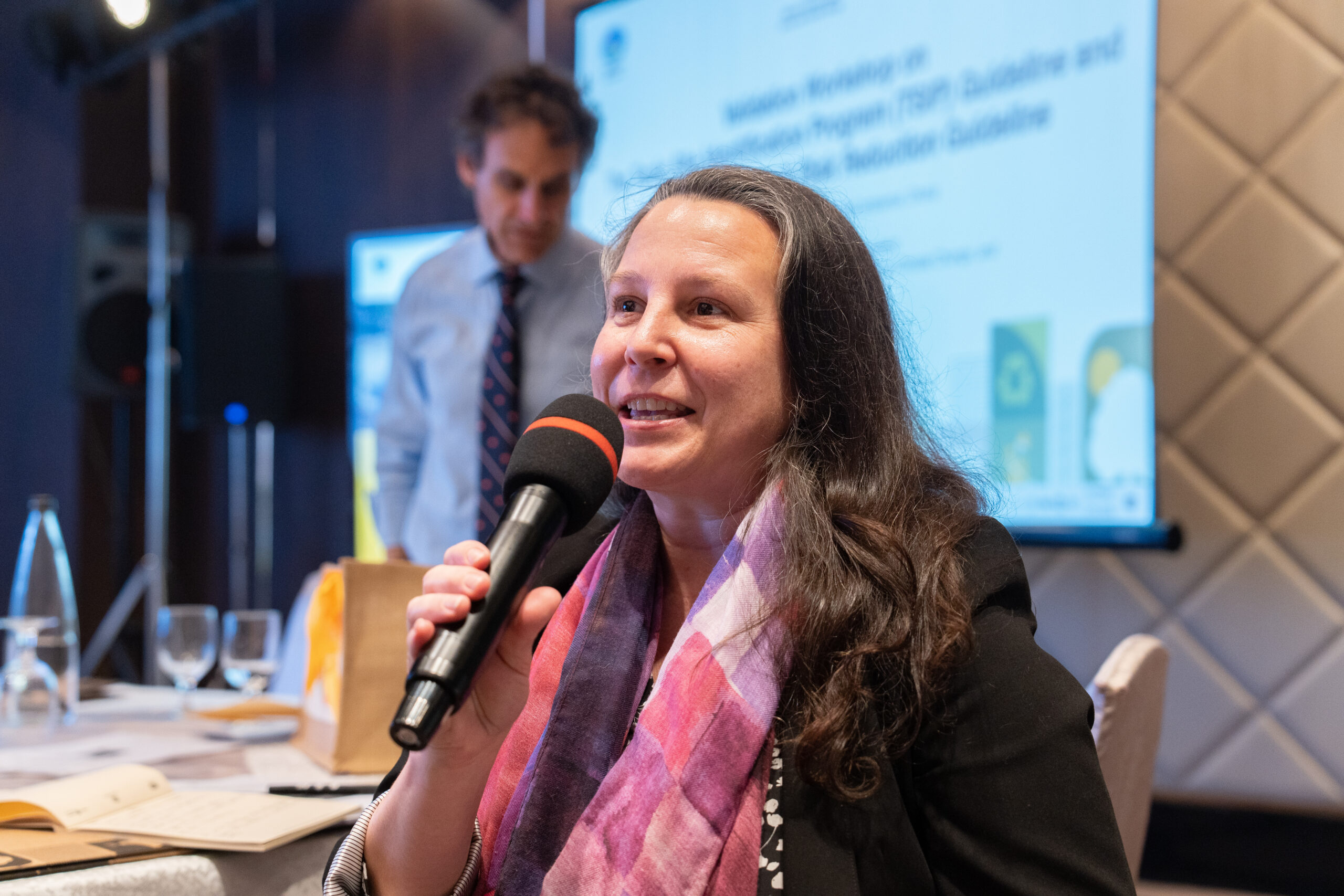
Held ahead of International Lead Poisoning Prevention Week, the National Clinical Toxicology Workshop on Heavy Metals, organized by the Medical Association of Peru and the Ministry of Health, brought together experiences from five regions and highlighted progress and the importance of collaborative efforts to prevent lead exposure across the country.
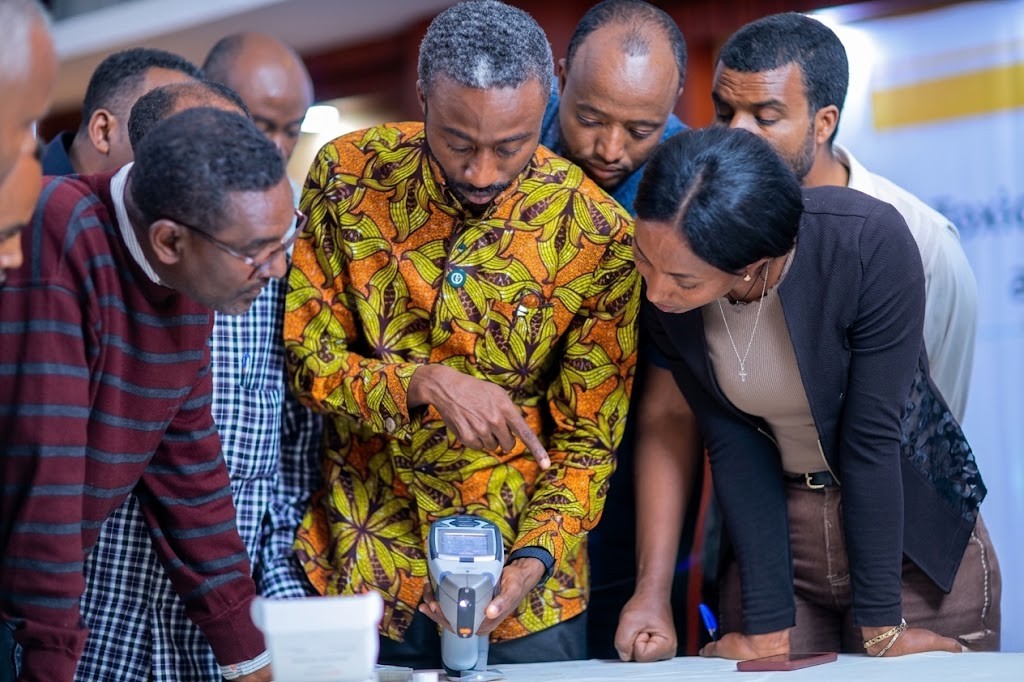
Pure Earth Peru participated as a featured guest at the National Clinical Toxicology Workshop on Heavy Metals, held on October 12, 13, and 14 and organized by the Medical Association of Peru and the Ministry of Health (MINSA). The event brought together specialists and health sector representatives to strengthen skills in diagnosing and managing heavy metal exposure, as well as to exchange experiences that can help improve regional responses.
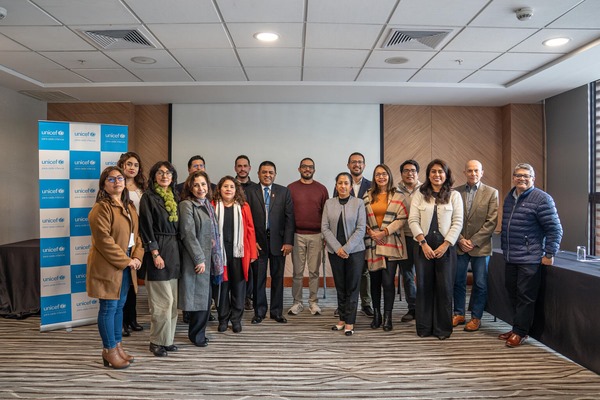
Representing Pure Earth Peru, Country Director Rodrigo Velarde shared the organization’s progress in preventing lead exposure and moderated the panel discussion “Successful Experiences in Addressing Lead Exposure,” which featured regional coordinators of heavy metals strategies from Callao, Junín, Lima Sur, Pasco, and Tumbes.
Pure Earth Peru Presents Progress in Its Work to Prevent Lead Exposure
During the first day, Velarde presented the initiatives Pure Earth Peru is promoting to help prevent lead exposure. These included the project “Strengthening Health Systems to Reduce Lead Exposure,” implemented in coordination with the Ministry of Health and Vital Strategies, which promotes epidemiological surveillance and response activities in eight priority areas of the country.
He also discussed other initiatives aimed at identifying and reducing sources of exposure, including the analysis of cooking pots and utensils to detect the presence of lead, as well as collaborative work with the Public Prosecutor’s Office to strengthen crime prevention efforts related to this issue.
The presentation generated considerable interest among participants, who raised several questions after the presentations and expressed interest in exploring future joint initiatives to strengthen lead exposure prevention in their cities.
Regional Experiences Driving Prevention Efforts
During the second day, our Country Director moderated the panel discussion “Successful Experiences in Addressing Lead Exposure,” where representatives of regional health strategies from Callao, Junín, Lima Sur, Pasco, and Tumbes shared surveillance, prevention, awareness-raising, and community engagement initiatives carried out in their respective territories.
“When our colleagues from DENOT approached us and told us there would be an opportunity to speak with the people implementing and leading these strategies, the first thing we discussed was how wonderful it would be to also talk about the positive things,” said the head of our organization.
The experiences presented showed how regional teams adapt their interventions to the needs of their communities and coordinate efforts with other stakeholders to strengthen prevention and comprehensive care.
DIRIS Lima Sur presented training initiatives for teachers, community health workers, and community leaders, along with educational activities to share information with children and their families about the risks of heavy metal exposure. The strategy reported training 98 teachers from eight schools, who then shared what they had learned with 1,585 students.
In Callao, the team from Mi Perú Health Center presented its experience providing comprehensive care to families living near industrial activities. Its initiatives include registering families to identify at-risk populations, prioritizing children and pregnant women, conducting medical and nutritional assessments, and following up through home visits. The team also highlighted its work with community health promoters, community organizations, and schools to reinforce preventive measures, as well as coordination with the municipality and other local stakeholders.
DIRESA Junín shared the activities it carries out in eight of the region’s nine provinces to address heavy metal exposure. Its experience stands out for coordination across different health departments, environmental monitoring, and health workforce training. The region also presented educational and community initiatives, including school festivals, awareness walks, and information fairs, as well as inspections of products that may contain toxic substances and awareness-raising activities for merchants and other local stakeholders. The region also emphasized the importance of providing comprehensive care and following up with exposed individuals, rather than limiting interventions to screening.
In Pasco, DIRESA presented an experience involving coordinated work with the mining sector to strengthen prevention, health promotion, and awareness-raising activities in the district of Tinyahuarco. Finally, Tumbes highlighted environmental surveillance, health promotion, and collaboration with community health workers to bring prevention and comprehensive care closer to priority populations.
Together, these experiences demonstrated the importance of strengthening health teams’ capacities, involving communities, and coordinating with other sectors to address exposure risks according to the specific characteristics of each territory.
Preventing Harm to Health Before It Occurs
Following the presentations, Juan Caballero, a representative of MINSA’s Executive Directorate for the Prevention and Control of Noncommunicable, Rare, and Orphan Diseases (DENOT), emphasized the importance of taking preventive action to address heavy metal exposure.
He also highlighted the work regional teams are doing to raise awareness of the risks and promote measures that help reduce exposure.
“Prevention requires not only strengthening the capacities of health personnel, but also bringing information closer to the public and promoting coordination between institutions and communities,” he emphasized.
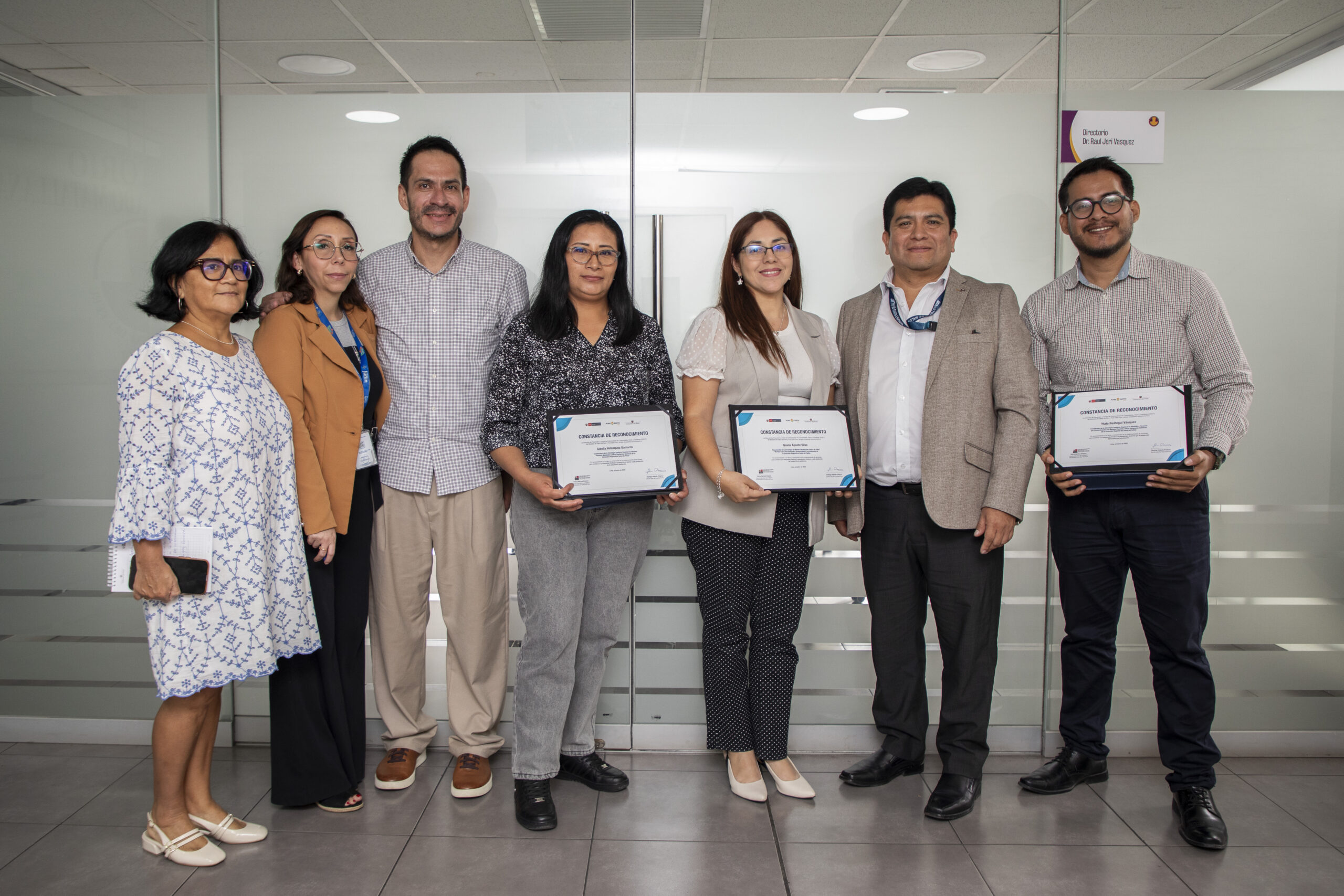
At the end of the session, Rodrigo Velarde and Juan Caballero congratulated the participating teams and presented certificates and trophies in recognition of their work.
“It has been so important for me to listen to these five presentations, to see the enthusiasm, the creativity, and what motivates all of us to be here: truly protecting Peruvians from this exposure,” Velarde said.
At Pure Earth Peru, we value the commitment of regional teams and the exchange of experiences that help identify lessons learned and strengthen prevention efforts. We will continue to promote collaboration with the health sector and other stakeholders to contribute to a comprehensive response to lead exposure and protect the health of the most vulnerable populations.
Listening to these experiences reminds us that we are not alone on this journey and motivates us to keep joining forces for a Peru where every child and adult can live free from the risk of lead exposure.