Pure Earth’s training equips national experts to launch large-scale toxic site identification and exposure assessments in Ethiopia.
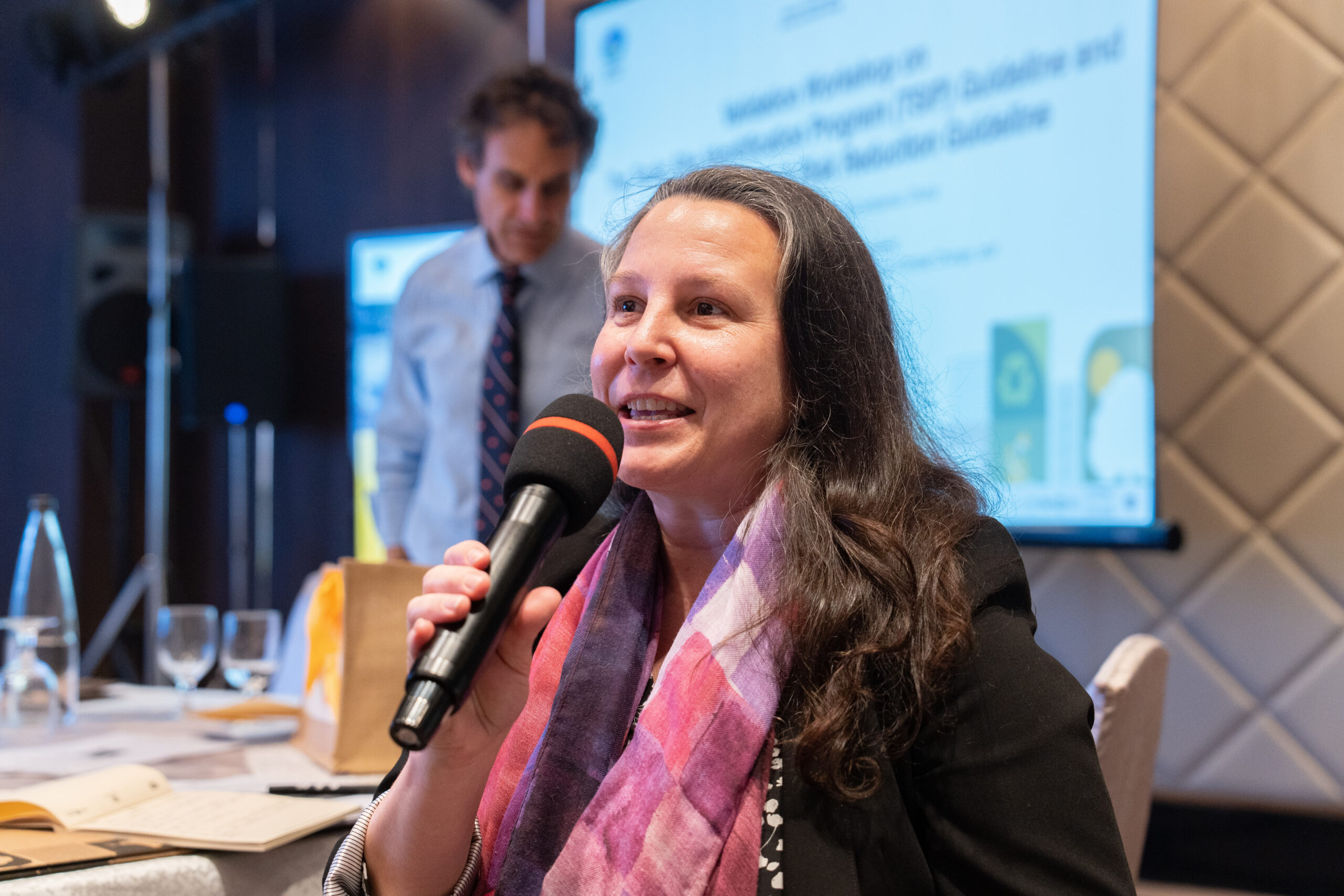
“I never realized how close lead exposure is to our daily lives; in the food we eat and the utensils we use,” says Merga Wirtu, a Senior Expert in Drug Inspection and Licensing at the Ethiopian Food and Drug Authority. “I used to think it was only a risk for factory workers. But sitting here, I can’t even stop thinking about my home, and my children touching everything around them. I have realized the danger is much closer than I ever imagined.”
Lead is a silent toxin that quietly threatens millions. Across Ethiopia, awareness is still emerging, and detection systems remain limited, making the risk harder to detect and address.
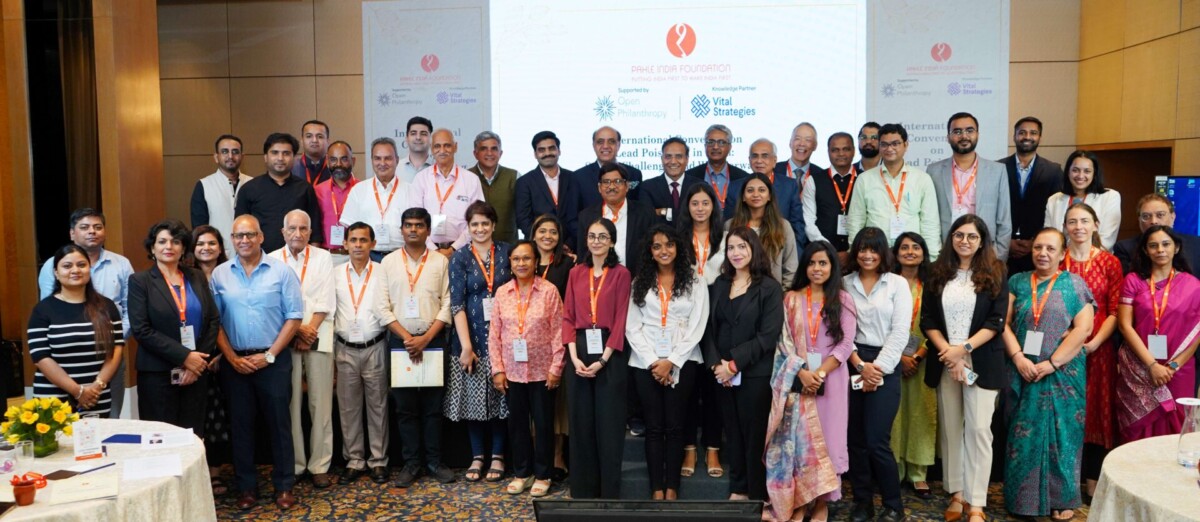
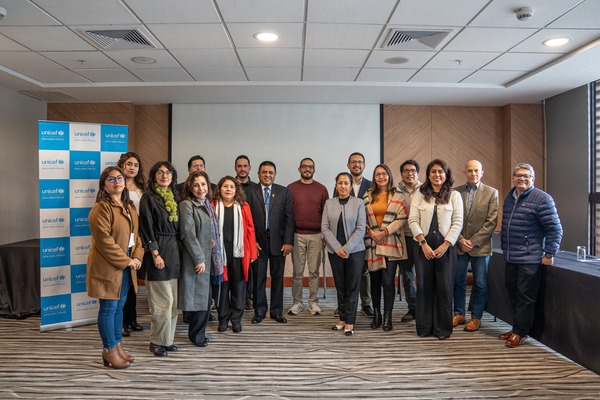
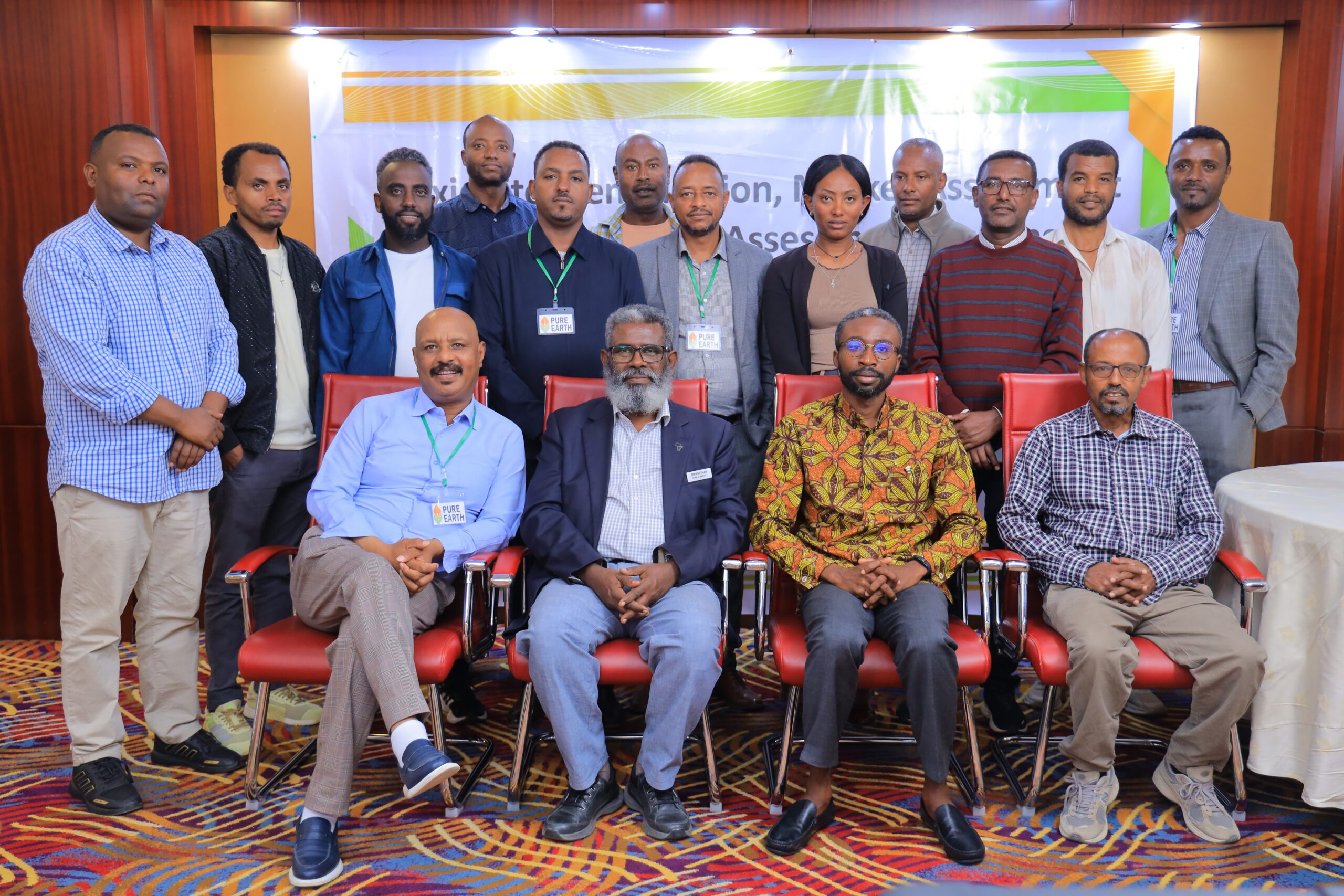
From April 14 to 18, 2026, Pure Earth brought together 12 national experts from the Ethiopian Environmental Authority (EPA), Ministry of Health (MoH), and the Ethiopian Food and Drug Authority (EFDA) for training on toxic site identification. The initiative reflects a growing institutional commitment in Ethiopia to addressing lead contamination.
“Since establishing its presence in Ethiopia, Pure Earth has been a committed strategic partner to EPA,” said Frenesh Mekuria, Deputy Director General of the Ethiopian Environmental Protection Authority. “Our collaboration, formalized through a Memorandum of Understanding, represents a unified front against lead contamination. By leveraging Pure Earth’s global technical expertise, we are strengthening local capacity and advancing our technical excellence. This training is a key part of that commitment, equipping our teams with the tools needed to identify contaminated sites and safeguard public health.
“What brings us here together is a shared commitment to fighting lead poisoning,” said Firew Kefyalew, Director for East Africa Region at Pure Earth. “Lead exposure is preventable, but its impact can be lifelong. This collaborative effort is about protecting lives before harm takes root.”
From Theories to Field Applications
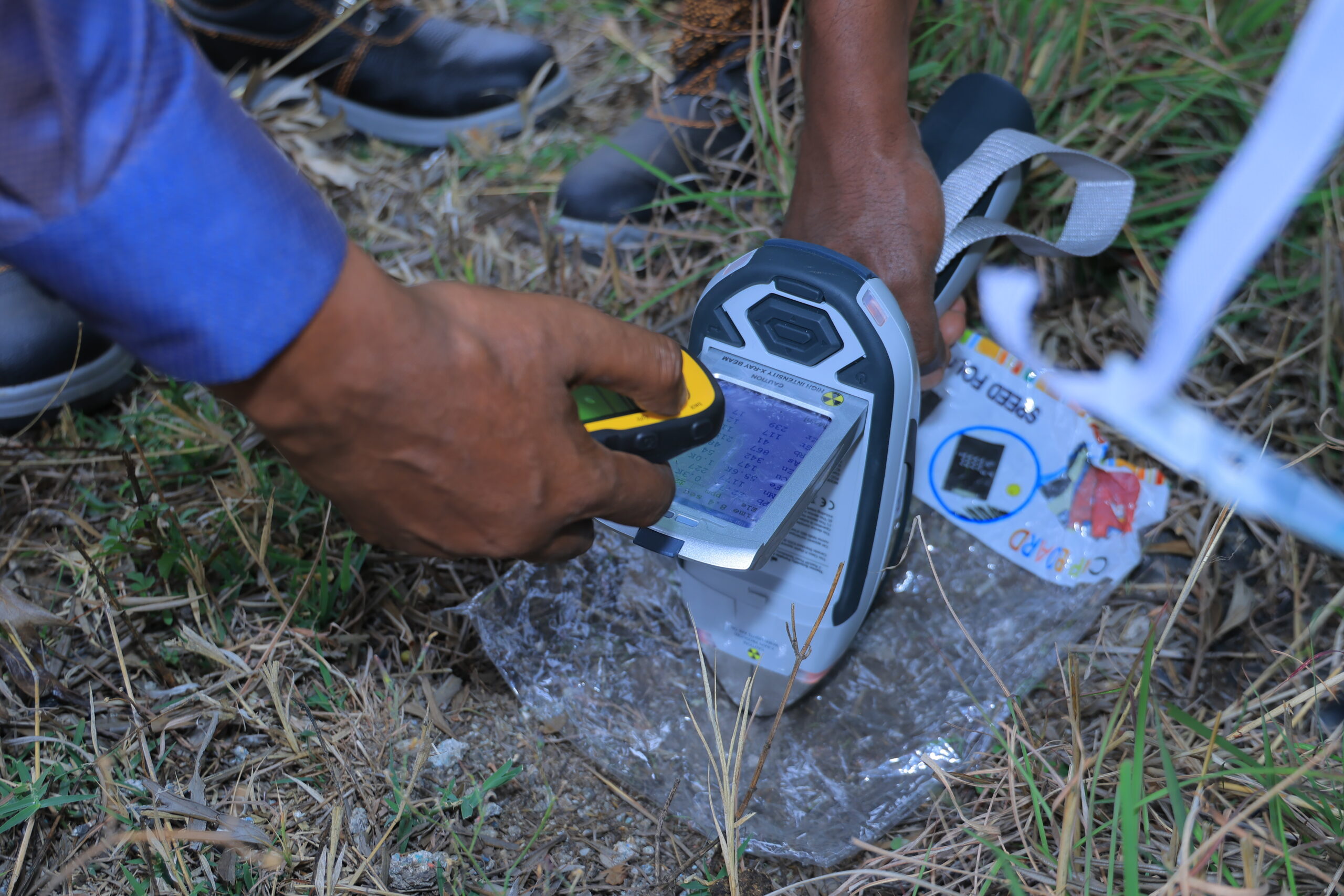
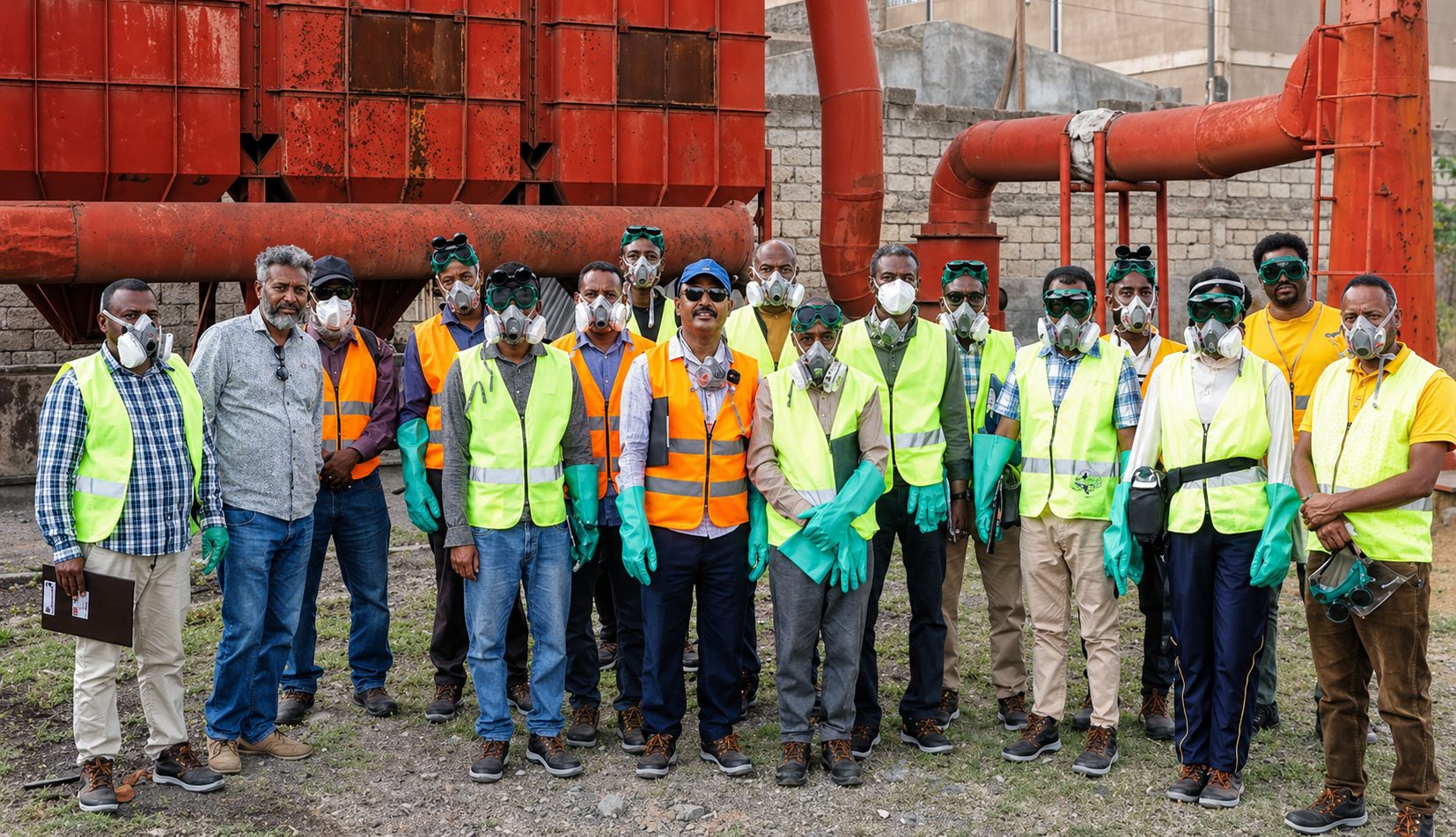
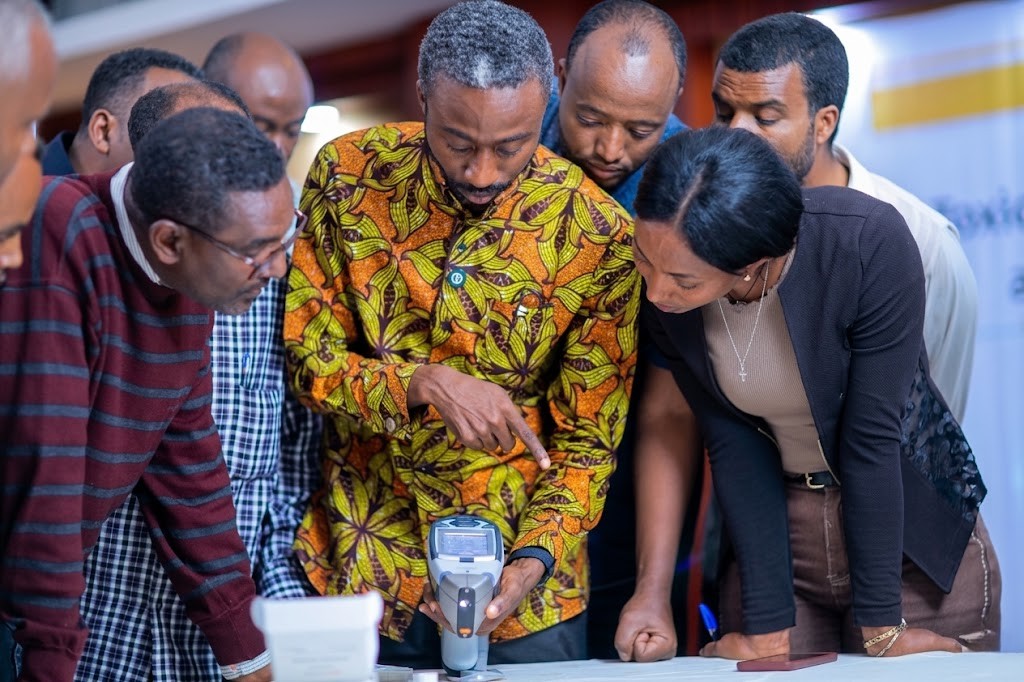
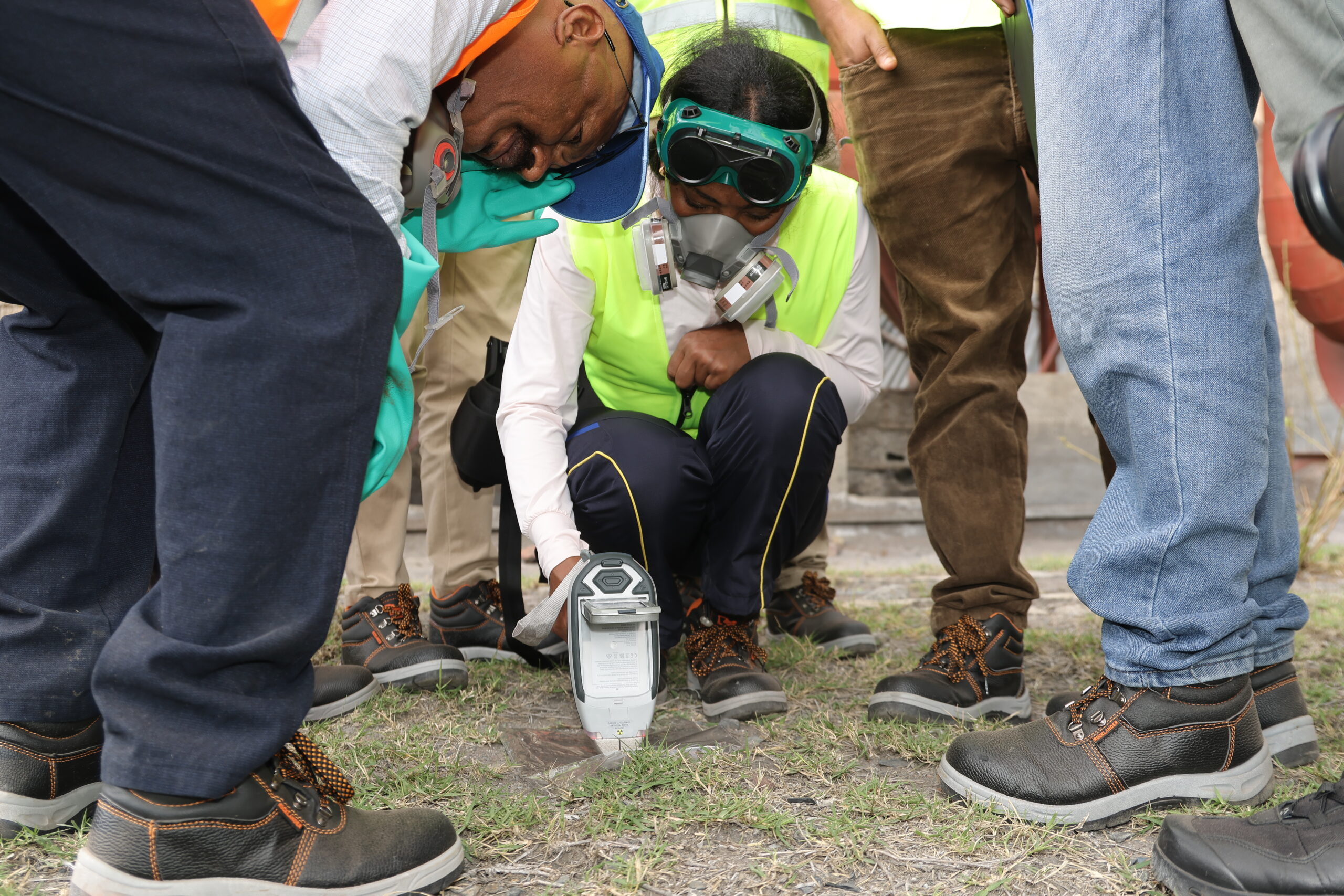
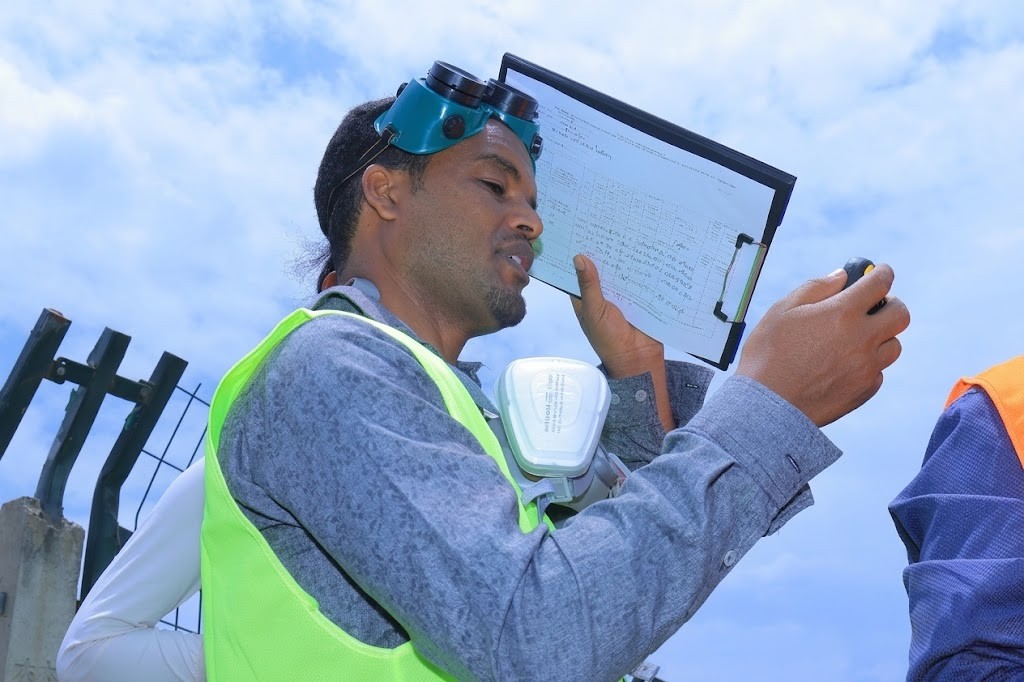
After three days of intensive classroom sessions in Addis Ababa, the training shifted to real-world testing. Equipped with portable XRF analyzers, GPS devices, and data collection tools, the team traveled to Gelan district on the outskirts of Addis Ababa, in the Oromia Region. Protective gear on, devices in hand, the team stepped into the abandoned Awash Auto Batteries factory.
“I have attended trainings on lead before, but nothing compares to this,” said Marsan Adem, Hazardous and Chemical Waste Focal Person at the MoH. “While earlier trainings focused primarily on raising awareness, this one brings science to life through hands-on demonstrations. For the first time, I feel equipped not only to understand lead exposure, but to respond to it with real confidence.”
Where Learning Meets Reality
Spread across nearly 10,000 square meters, the site bore the legacy of its past. Once responsible for roughly 20% of Ethiopia’s battery recycling output, it now stands as a reminder of the long-term consequences of unmanaged industrial toxins.
The team moved systematically across the compound, conducting soil tests inside the facility, along its perimeter, and in surrounding areas. The handheld XRF analyzer clicked; then beeped. The numbers were not what many expected. For a moment, no one spoke. In that heavy silence, the invisible threat became a startling reality. What had begun as a classroom lesson was now a calling to protect the health of communities and the future of every child at risk. Each reading indicated that contamination levels remained dangerously high. The factory, once a thriving hub of battery recycling, had ceased operations nearly a decade ago. But while the machinery had fallen silent, the contamination remained, embedded in the soil. The highest concentration of Pb (ppm) recorded in the soil recorded within the legacy of the factory was 424.5k while the lowest measured was 12.5k.
“From this initial assessment, we can clearly see significant quantities of lead residues in the soil,” explained Yared Mekuria, Sr. Expert of Hazardous & E-Waste Compliance Monitoring & Enforcement at the Ethiopian Environmental Protection Authority. “These can contaminate soil, groundwater, and even the air, causing irreversible harm, particularly to children.”
The risk does not stop at the boundaries of the facility. The abandoned facility now sits alongside active industries including coffee and sesame processing plants and beverage storage facilities, and lies just a short distance from a railway line. Each factor increases the potential for wider environmental exposure, extending the threat beyond what is only immediately visible.
Turning Field Evidence into Future National Action
What unfolded in Gelan was more than a field exercise. It was a clear indication of broader lead contamination challenge requiring coordinated national action in Ethiopia.
“The training has strengthened our readiness to identify lead hotspots across Ethiopia, giving us the confidence to move forward,” Yared noted, reflecting a clear transition from learning to operational readiness.
Data collected in the field was then digitized and uploaded into Pure Earth’s Toxic Site Identification Program (TSIP) system, transforming raw measurements into geospatial evidence to support future decision-making and interventions.
The Next Phase: Mapping Risk Sites and Rolling Out TSIP
The training marks the beginning of a coordinated national effort. In the coming months, these trained experts will carry out environmental assessments across Addis Ababa, Adama, Hawassa and Bahir Dar, focusing on identifying potential lead exposure hotspots at the national level.
Following the lead exposure hotspots, community and market assessments will be conducted examining high-risk consumer goods circulating in local markets, helping to detect hidden exposure pathways beyond industrial sites.
Now, a clear plan is already in place. Fifteen communities and ten market sites will be assessed in the initial phase. This marks a shift from the preparatory phase to structured initial surveillance aimed at identifying lead-contaminated sites across the country.
“This is not just a training,” Firew summarized. “It is preparation for action.”
“What makes Pure Earth’s approach different is this, its focus on robust evidence,” he added. “This effort will generate country-specific data to guide policy, strengthen enforcement, and inform targeted interventions.”

A System Taking Shape
Behind the fieldwork, a national response system is already emerging. Communication channels, including dedicated Telegram groups, are keeping experts connected in real time. Action plans have been developed to guide the next phase of field operations. What began as a structured training is now evolving into a coordinated national response system to reduce lead exposure risks in Ethiopia.
From National Action to Regional Learning
The training is also part of a broader effort to strengthen regional collaboration. It is designed to extend knowledge beyond Ethiopia.
“This is a follow-up to the Training of Trainers we attended in Accra a few weeks ago,” said Firew. “Two staff from Pure Earth and two from EPA participated as trainers in that ToT session.”
The Accra training covered similar content to the step-down training in Ethiopia.
“My ambition is to see this initiative grow into a seed for the broader East African Region,” he added. Regional collaboration is already underway.
“Our objective is to build stronger collaboration between Ghana and Ethiopia, enabling continuous knowledge exchange and sustained efforts to prevent lead poisoning across the continent,” said Benjamin S. Cheabu, Technical Program Manager at Pure Earth Ghana, who co-facilitated the training.
A Call Defined by Urgency
The urgency is undeniable. Available evidence indicates that a substantial proportion of populations in low- and middle-income countries, including Ethiopia, may have blood lead levels exceeding 5 µg/dL, particularly among children and other high-risk groups. IHME modelled estimates suggest that a large number of children in Ethiopia, approximately 21 million, or around 36% of the pediatric population, may have elevated blood lead levels above 5 µg/dL (IHME, 2023). Behind these figures lie millions of children exposed to a toxic metal that silently undermines their growth, development, and long-term health.
For teams now moving into initial assessments, this is no longer an abstract figure, the data speaks with clarity, urgency, and undeniable weight. It transforms perception into responsibility, reinforcing a stronger resolve to work with precision and determination to identify priority hotspots for immediate follow-up, where confirmatory testing, site containment, and targeted risk communication can be swiftly initiated. For the first time, authorities are not only aware of the problem but can clearly pinpoint where exposure is occurring and respond with speed and purpose to reduce, and ultimately prevent, the associated risks.