Common Sources of Lead Exposure in Low- and Middle-Income Countries
An estimated 50% of children in low- and middle-income countries have elevated levels of lead in their blood, presenting an urgent public health challenge. The sources of lead exposure that contribute to these high rates can vary from country to country and can differ from common sources in high-income countries.
The global sources of childhood lead exposure include, but are certainly not limited to: lead in water from the use of leaded pipes; lead from active industry, such as mining and used lead-acid battery recycling; lead-based paint and pigments; leaded gasoline (which has declined considerably in recent decades, but was a major historical source); and lead in spices, ceramics, metal cookware, cosmetics, ayurvedic medicines, toys and other consumer products.
Parents whose occupations involve working with lead often bring contaminated dust home on their clothes, hair, hands and shoes, thus inadvertently exposing their children to the toxic element. Children are also exposed to lead in-utero through exposure of their mothers, with adverse impacts on neurobehavioural development that are comparable to those from childhood lead exposures.
The Toxic Truth Report
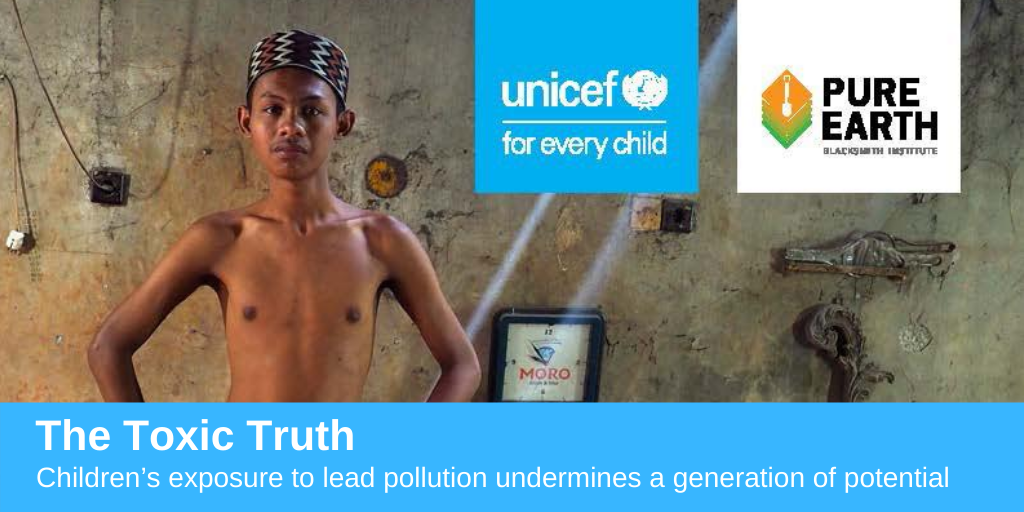
The 2020 Toxic Truth report from UNICEF and Pure Earth revealed that lead poisoning is affecting children on a massive and previously unknown scale. The report, the first of its kind, says that around 1 in 3 children – up to 800 million globally – have blood lead levels at or above 5 micrograms per deciliter (µg/dL), the level at which requires action. Nearly half of these children live in South Asia.
This joint report by UNICEF and Pure Earth notes that lead is a potent neurotoxin that causes irreparable harm to children’s brains. It is particularly destructive to babies and children under the age of 5 as it damages their brain before they have had the opportunity to fully develop, causing them lifelong neurological, cognitive and physical impairment. Childhood lead exposure has also been linked to mental health and behavioural problems and an increase in crime and violence. Older children suffer severe consequences, including increased risk of kidney damage and cardiovascular diseases in later life, the report says.
It is clear from evidence compiled that lead poisoning is a much greater threat to the health of children than previously understood. Although much more research needs to be conducted, enough data have recently emerged for decisive action to begin – and it must begin now.
In low- and middle-income countries, common sources of lead exposure include:
Informal Used Lead-Acid Battery Recycling
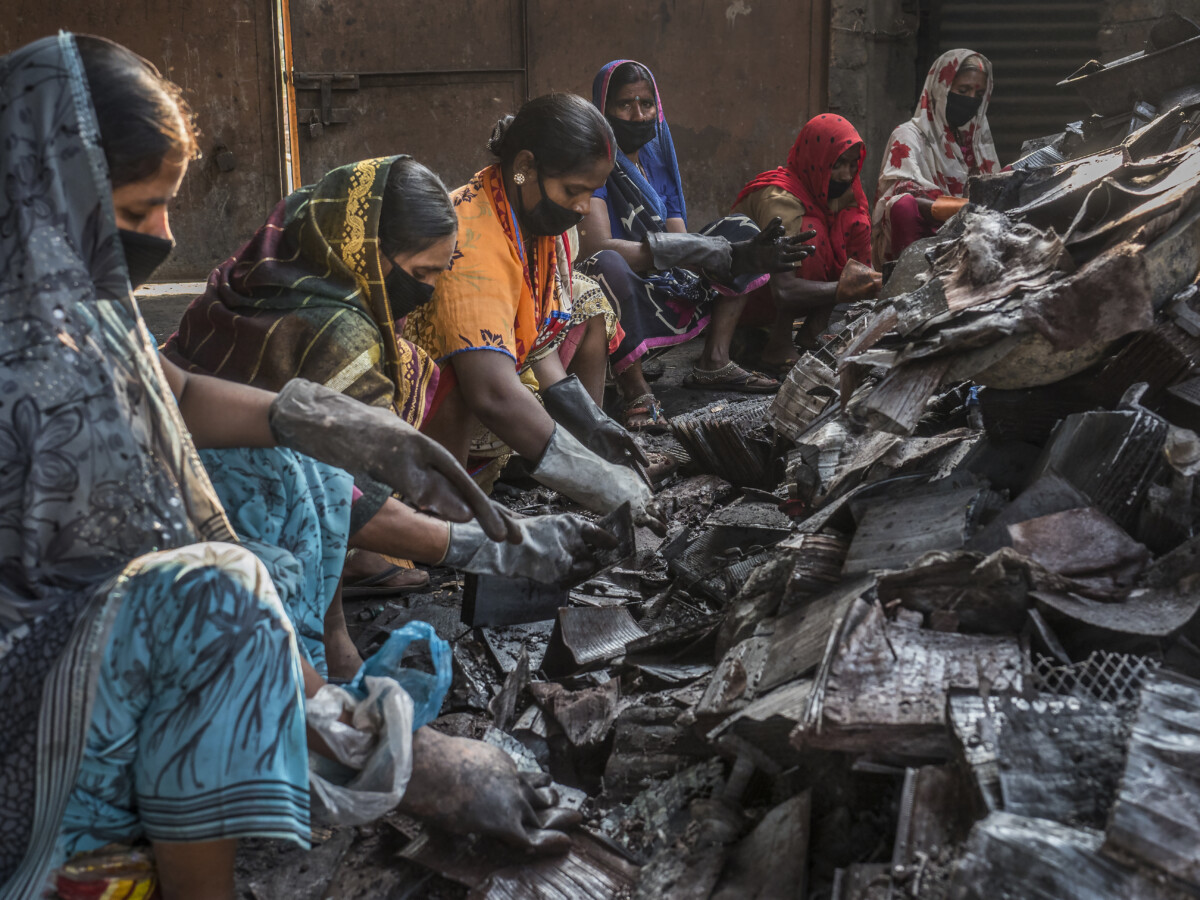
One of the most concerning sources of lead exposure is the unsafe recycling of used lead-acid batteries (ULABs), most of which are found in cars, trucks and other vehicles. Recycling activities are often conducted in informal, unlicensed, and frequently illegal open-air operations close to homes and schools.
Ceramics and Metal Cookware
Lead-glazed pottery is commonly used to cook and serve food in many countries such as Mexico, causing lead to leach into the food.
Our research on lead in consumer goods in low- and middle-income countries uncovered that lead is being added to low-cost, locally made metal cooking pots in over a dozen low and middle-income countries, resulting in another source of lead exposure.
Spices and Other Foods
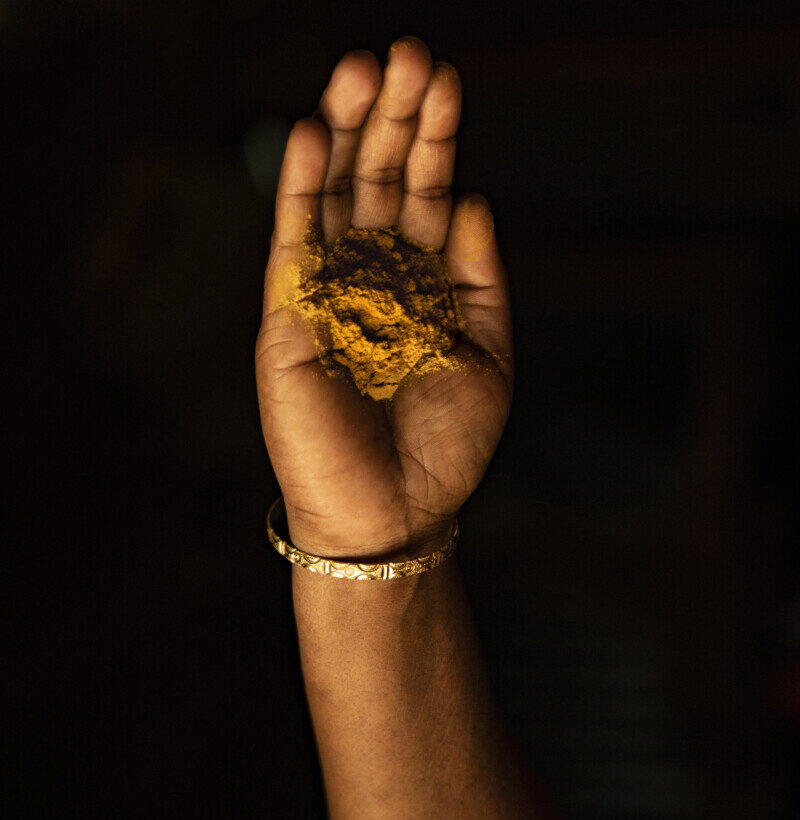
Spices, such as turmeric, are adulterated with lead chromate to enhance their color and weight in many countries. These lead-adulterated spices can contribute significantly to elevated blood lead levels among children and adults. The practice of adding lead-based pigments to enhance the color and weight of spices is occurring in several countries. Some of these contaminated spices find their way into kitchens worldwide through the global food supply chain.
Toys
Household products such as toys have been found contaminated with lead.
Cosmetics
Cosmetics such as eyeliners (kohl, kajal, and surma) have been found contaminated with lead.
Paints
Lead in paint is unregulated in 55% of countries globally. Young children are exposed to lead from peeling paint chips and from lead dust. Explore more resources from the Global Lead Paint Alliance, Lead Exposure Elimination Project, IPEN, and the US Environmental Protection Agency.
Resources and Research on Lead Poisoning
- Programmatic Framework for Lead Poisoning, Pure Earth
- Rapid Market Screening Report, Pure Earth, 2023
- Lead Poisoning Fact Sheet, Pure Earth, 2020
- The Toxic Truth Report on global childhood lead poisoning, Pure Earth and UNICEF, 2020
- Lead Poisoning and Climate Change, Pure Earth, 2023
- Protocols and Technical Guidance on Lead Pollution, Pure Earth
- Public Education Materials, Pure Earth
- Exposure to lead: a major public health concern, 3rd edition, The World Health Organization, 2023
- Integrated Science Assessment (ISA) for Lead, United States Environmental Protection Agency, 2024
Program Highlights: Lead Poisoning Solutions
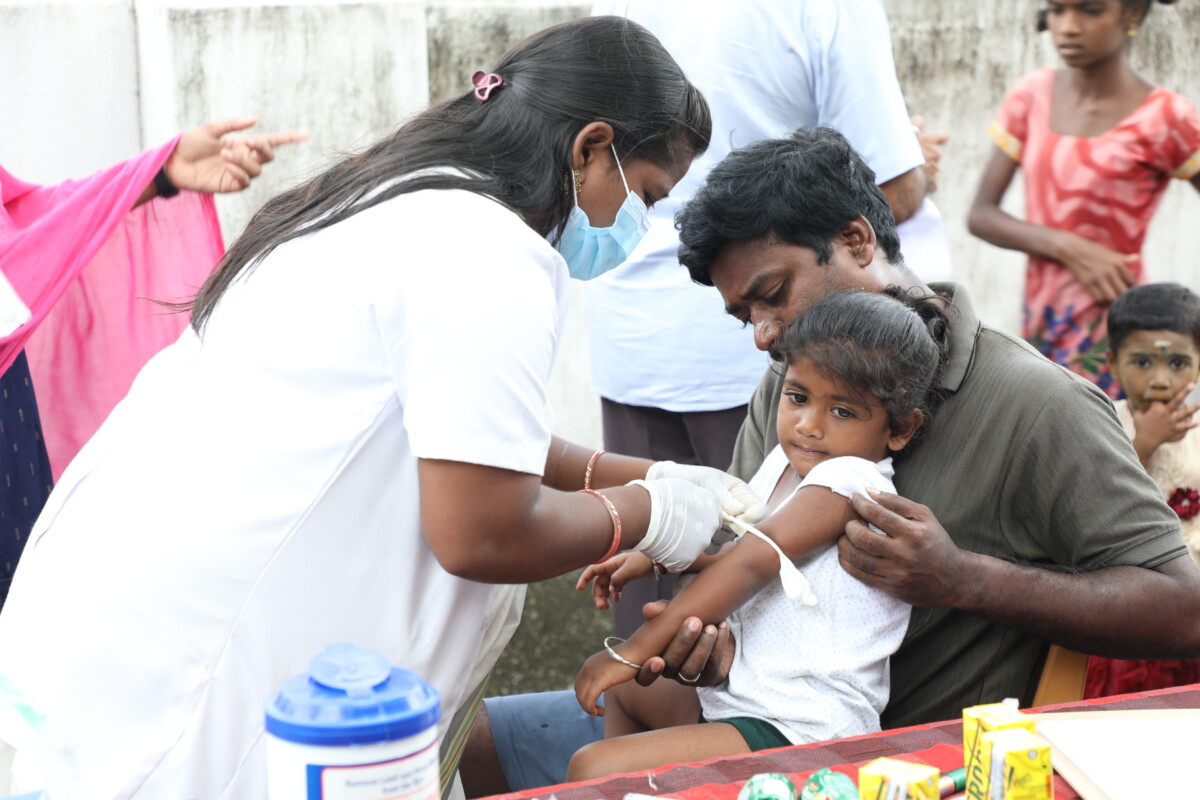
Health Surveillance
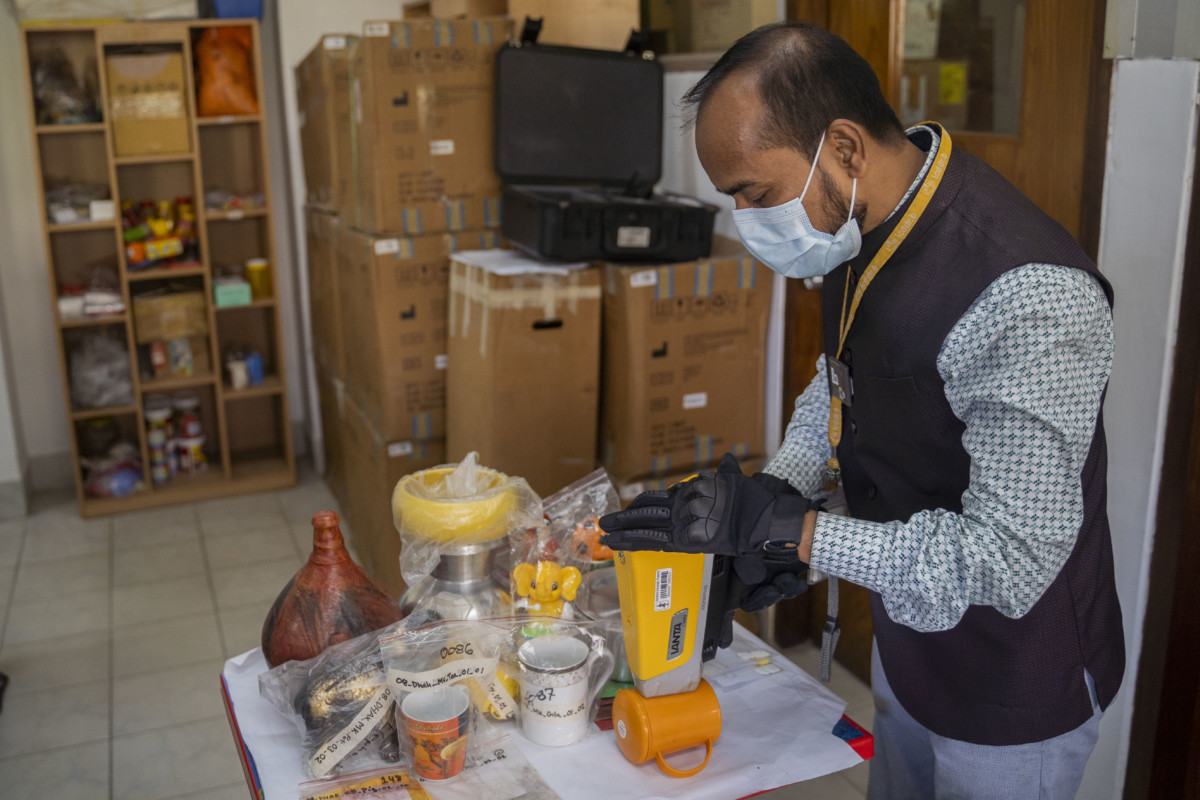
Source Analysis