Lead poisoning remains one of the most serious and least visible environmental risks to global public health. Each year, millions of deaths are associated with exposure to this toxic metal, along with global economic losses reaching trillions of dollars. It is estimated that more than one billion children worldwide have elevated blood lead levels, making this issue one of the most urgent environmental health crises.
The most concerning impact occurs during childhood: lead exposure can affect neurological development, reduce IQ, and cause permanent effects on children’s health and social development. In many low- and middle-income countries, children are estimated to lose between four and six IQ points due to this exposure. Reducing lead exposure is now a global public health priority.
How to Identify Sources of Lead Exposure
Understanding where lead exposure occurs is the first step toward preventing it. Pure Earth works in low- and middle-income countries using an approach that combines scientific evidence, intervention, and institutional strengthening.
This approach is based on five key actions:
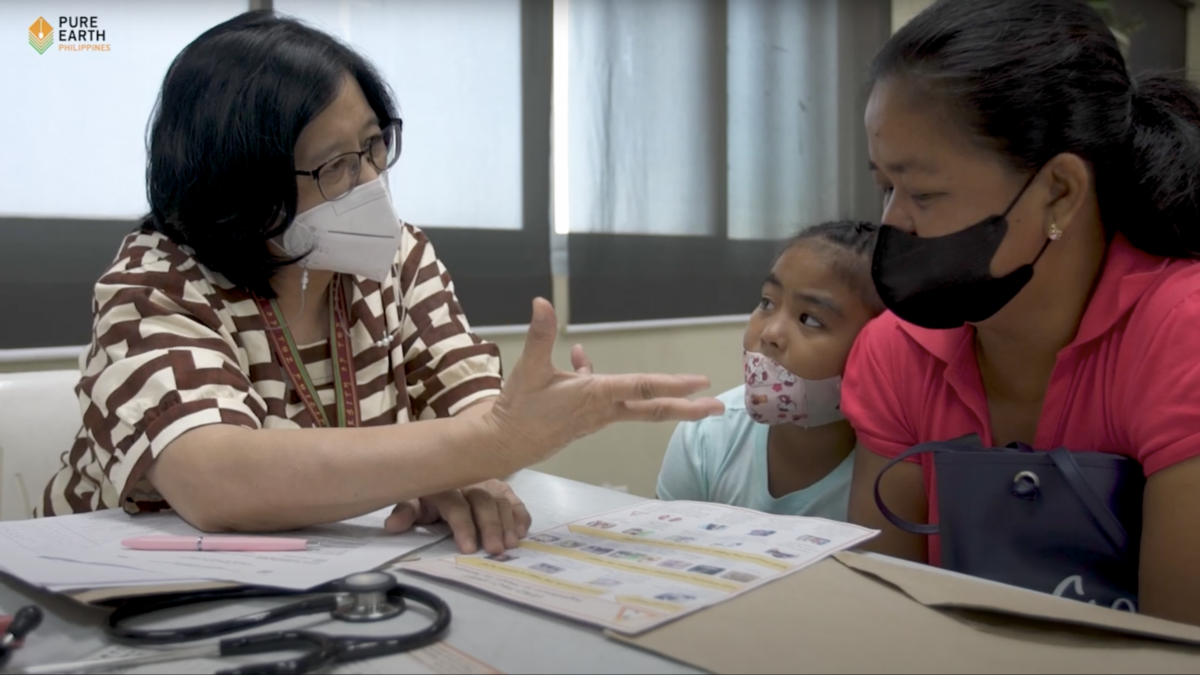
1. Health surveillance, measuring blood lead levels to assess the scale of the problem.
2. Source analysis, identifying where and how exposure occurs.
3. Targeted interventions addressing identified sources.
4. Communication and awareness to promote preventive actions.
5. Institutional strengthening, supporting governments in developing their own lead control programs.
This approach transforms data into concrete actions to reduce lead contamination.
Understanding Exposure: What Happens Inside Homes
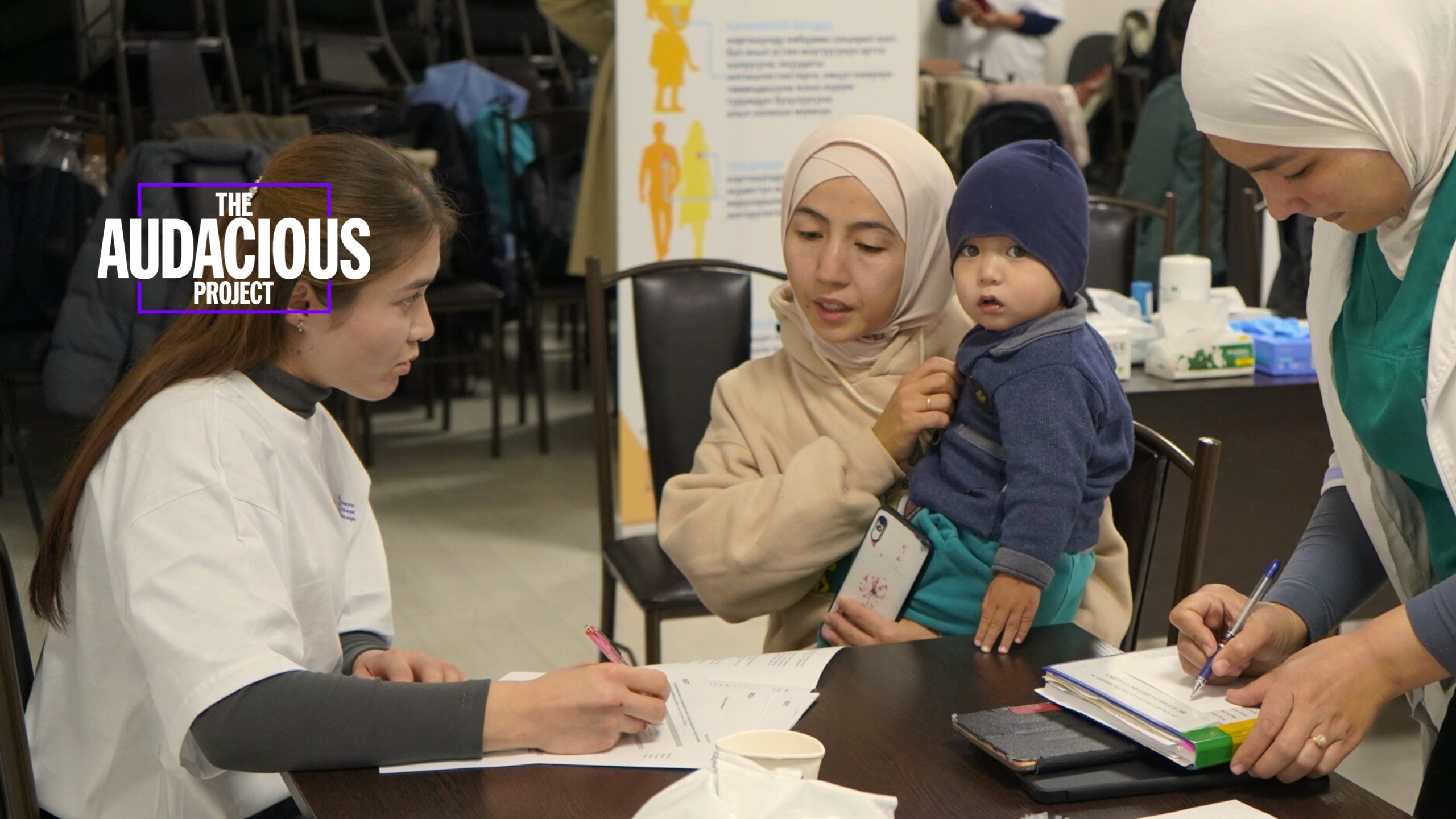
One of the key components of this approach is household exposure assessment, a tool designed to identify objects, materials, or environmental conditions that may contribute to elevated blood lead levels.
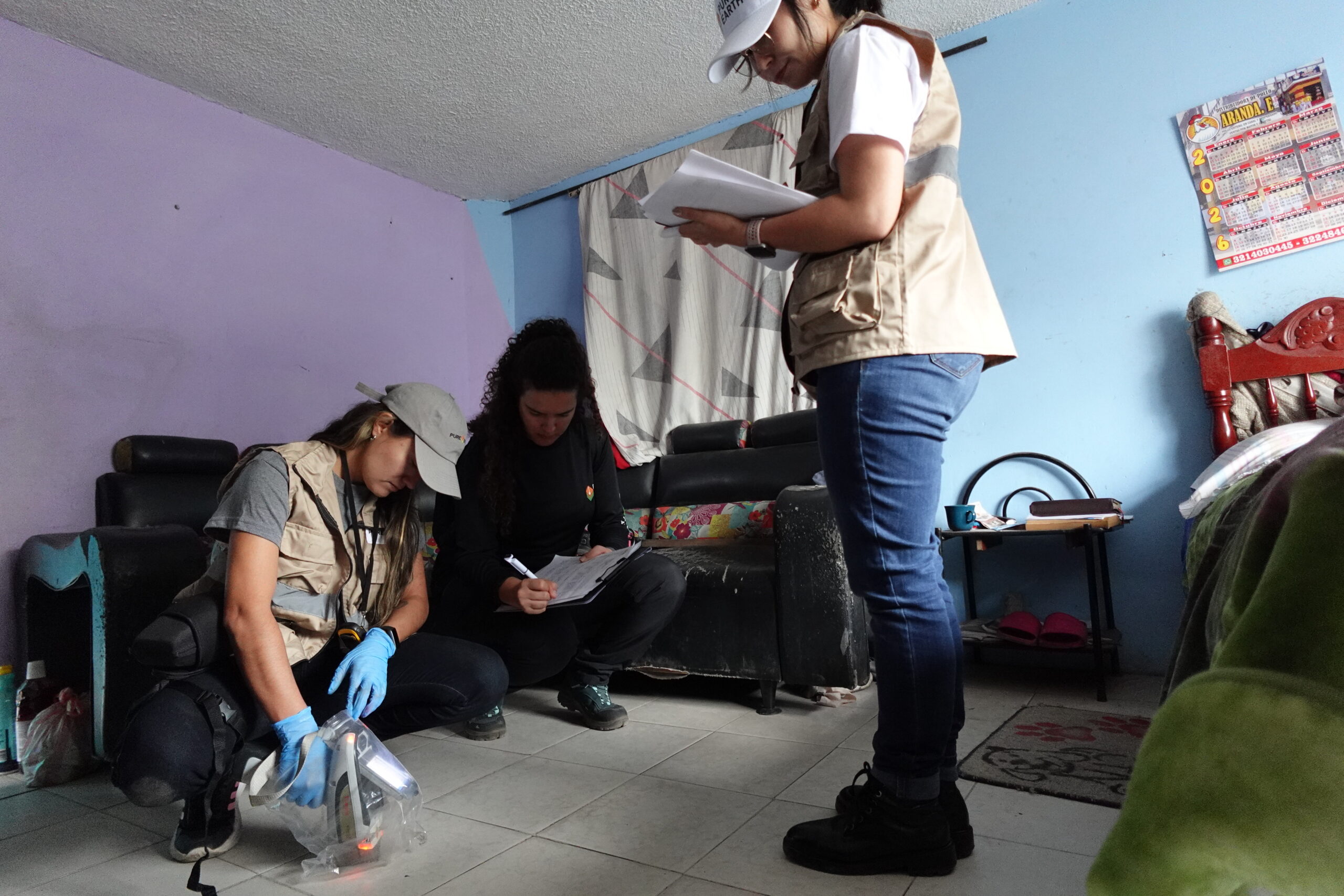
These assessments are typically conducted after detecting high lead levels in children and aim to establish a correlation between exposure and potential contaminants present in the home environment.
During these assessments, different elements of the household and its immediate surroundings are analyzed, including:
– soil and household dust
– paint and construction materials
– toys, objects, and consumer goods
– metal or ceramic utensils
– water
– spices, food, and cosmetics
Identifying these sources of lead exposure is essential for designing effective prevention strategies.
These assessments can also be applied in schools and community settings.
Field Research: A Key Tool for Prevention
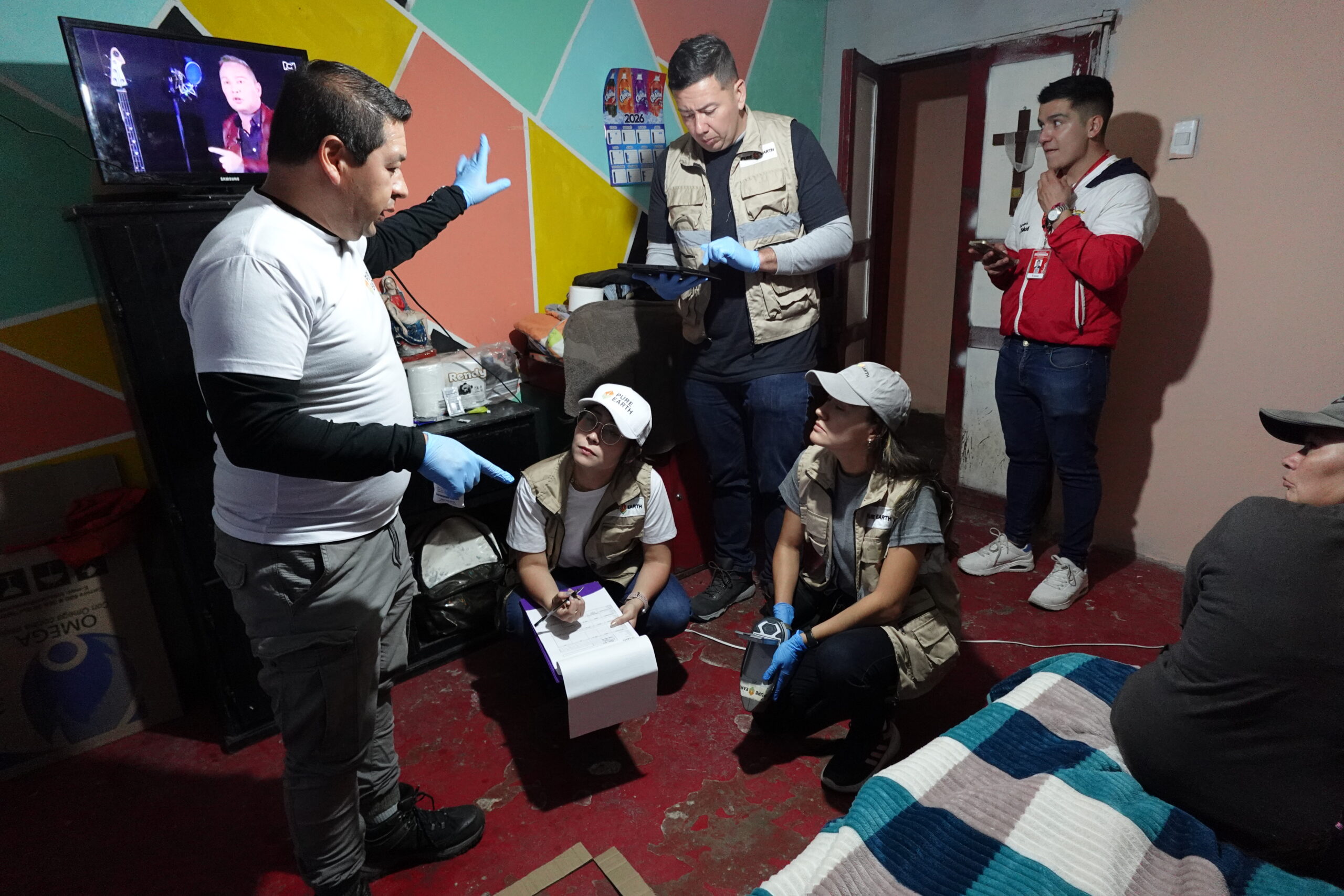
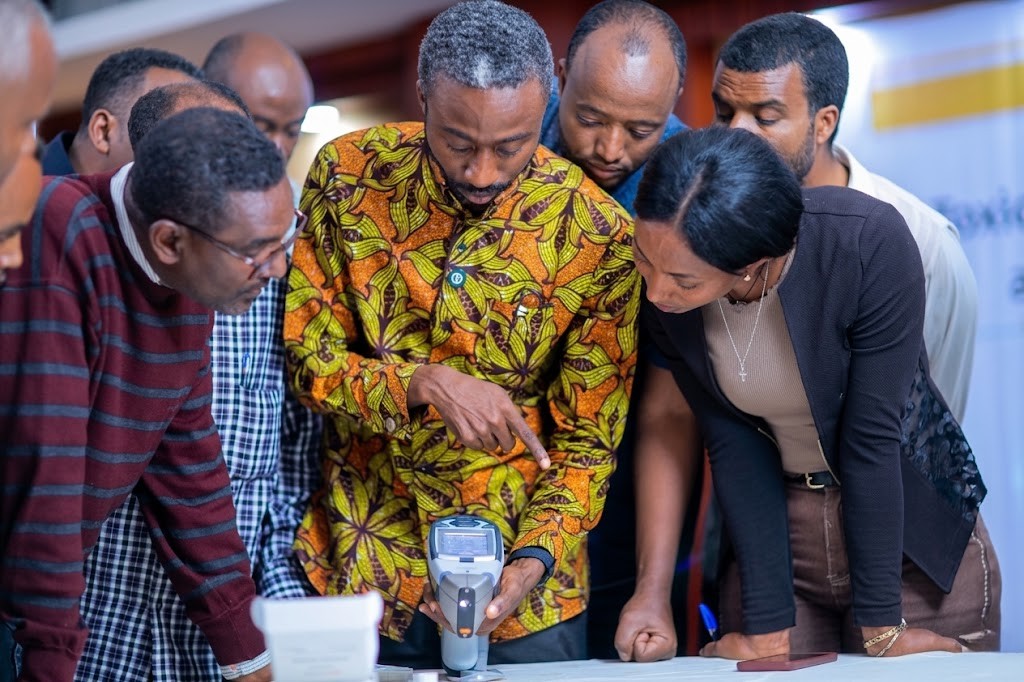
Environmental assessments rely on portable measurement tools such as X-ray fluorescence (XRF) spectrometry, which allows detection of lead and other heavy metals directly in materials and objects.
The use of these tools facilitates field research and enables the generation of fast, reliable data to guide technical and policy decisions.
These methodologies are particularly important in contexts where access to specialized laboratories or robust monitoring systems is limited.
Identifying Contaminated Sites to Guide Solutions
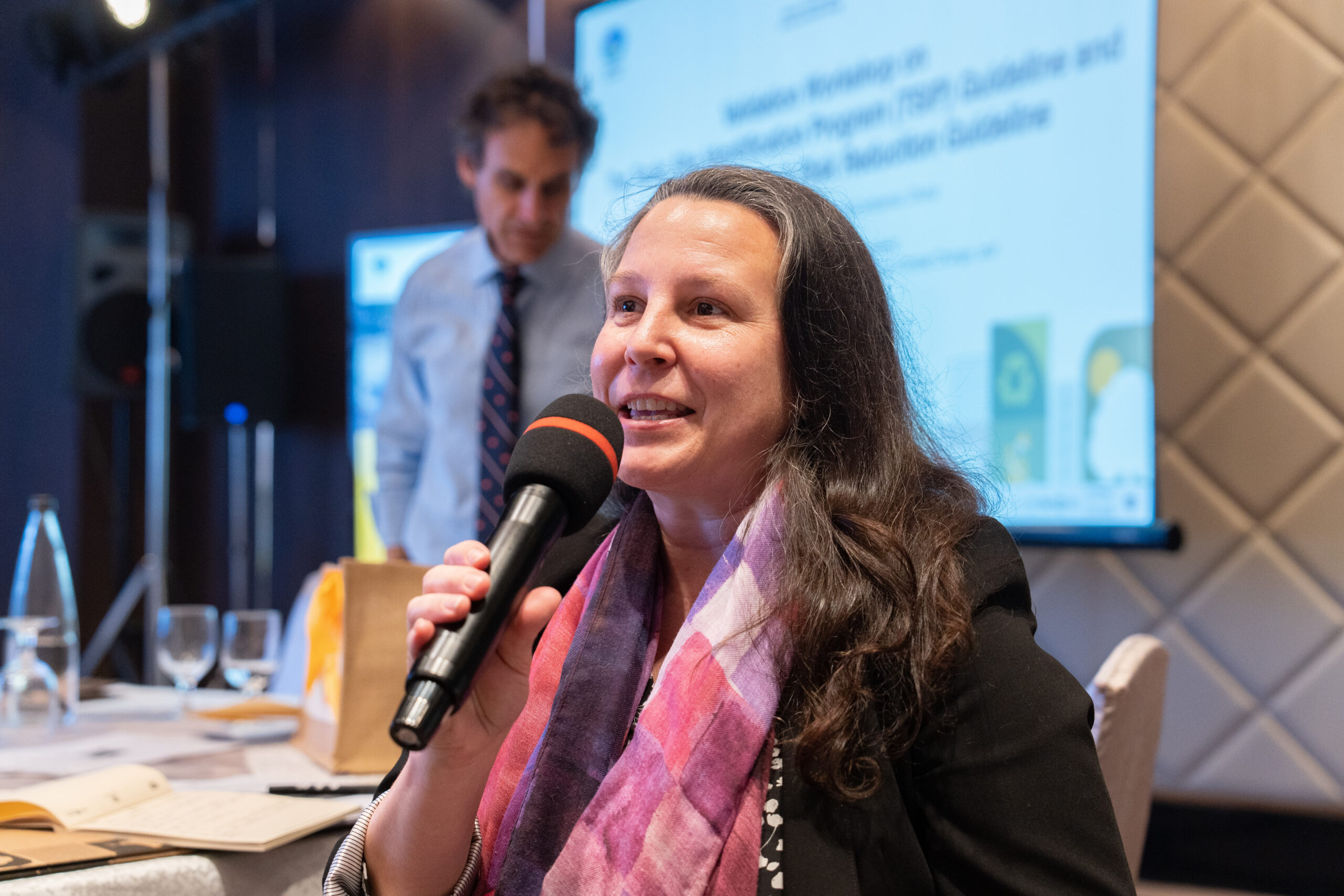
In addition to household assessments, Pure Earth implements the Toxic Sites Identification Program (TSIP), a tool that enables initial screening of contaminated sites and assessment of their relative risk levels.
The collected information is integrated into a global database that helps prioritize interventions and guide remediation strategies. This publicly available database contributes to improving global knowledge about contaminated sites and their health impacts.
This approach combines scientific research, open data, and concrete mitigation actions.
Preventing Lead Exposure: Strengthening Capacity to Act
Preventing lead poisoning does not rely solely on research. It requires strengthening technical, institutional, and coordination capacities among stakeholders.
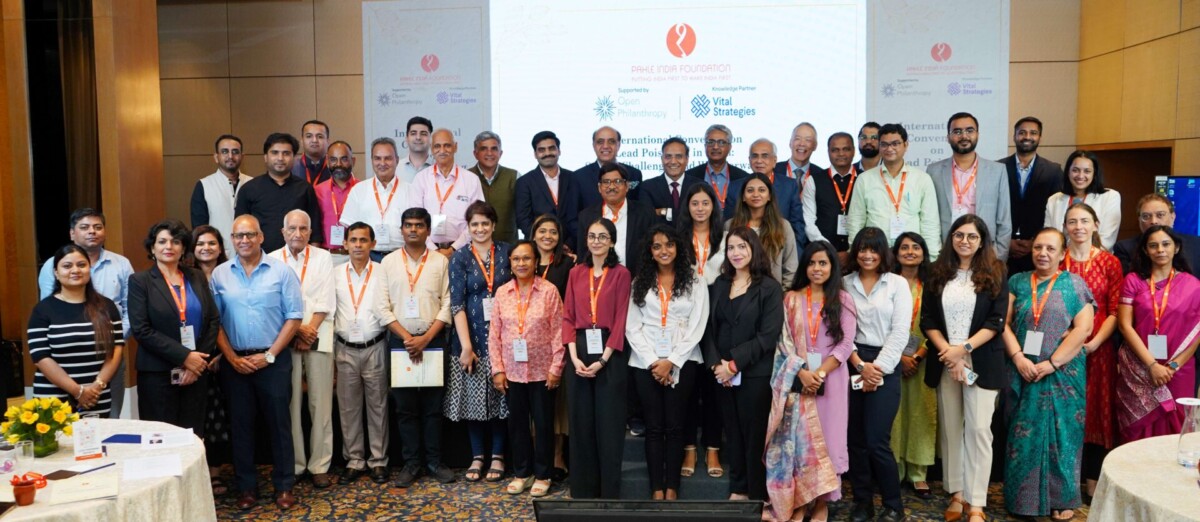
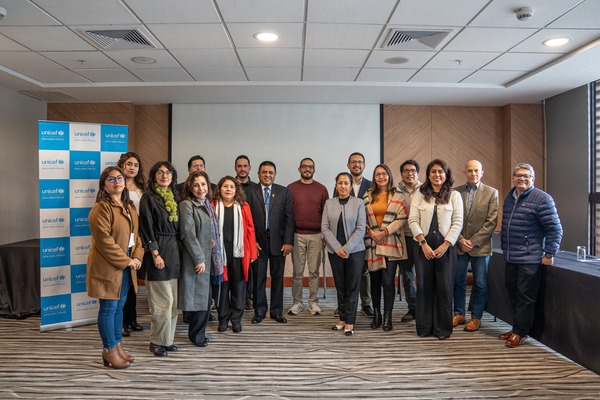
Technical training and capacity-building activities enable governments, researchers, and communities to share methodologies and tools that facilitate the identification of environmental and health risks.
These efforts help build sustainable systems to reduce lead exposure.
Lead Exposure Is Preventable
Lead poisoning is a silent but preventable crisis.
Understanding where exposure occurs, identifying sources of contamination, and strengthening capacities to intervene are key actions to protect children’s health and reduce the risks associated with this contaminant.
Collaboration across sectors is essential to move toward safer and healthier environments.