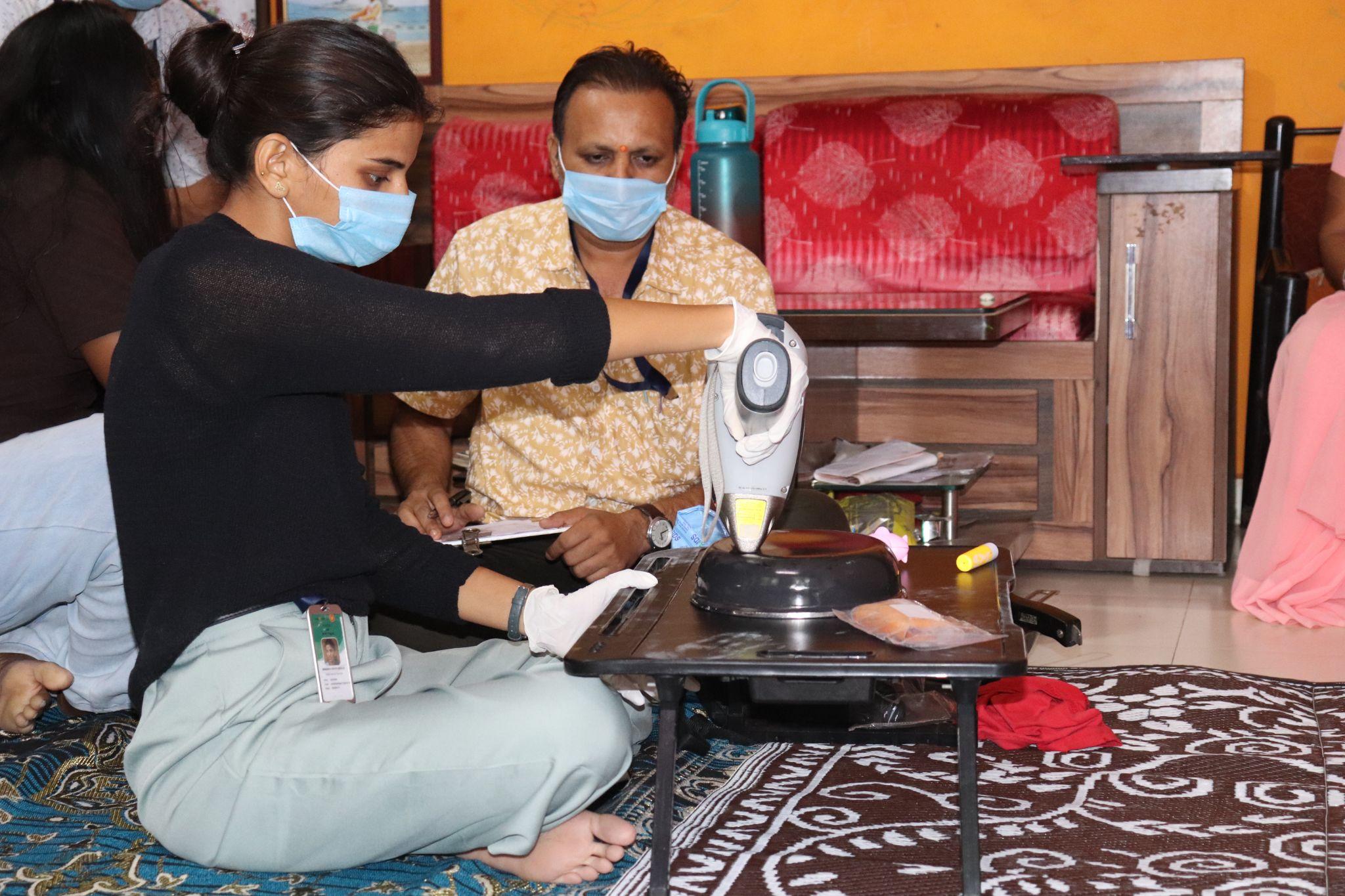
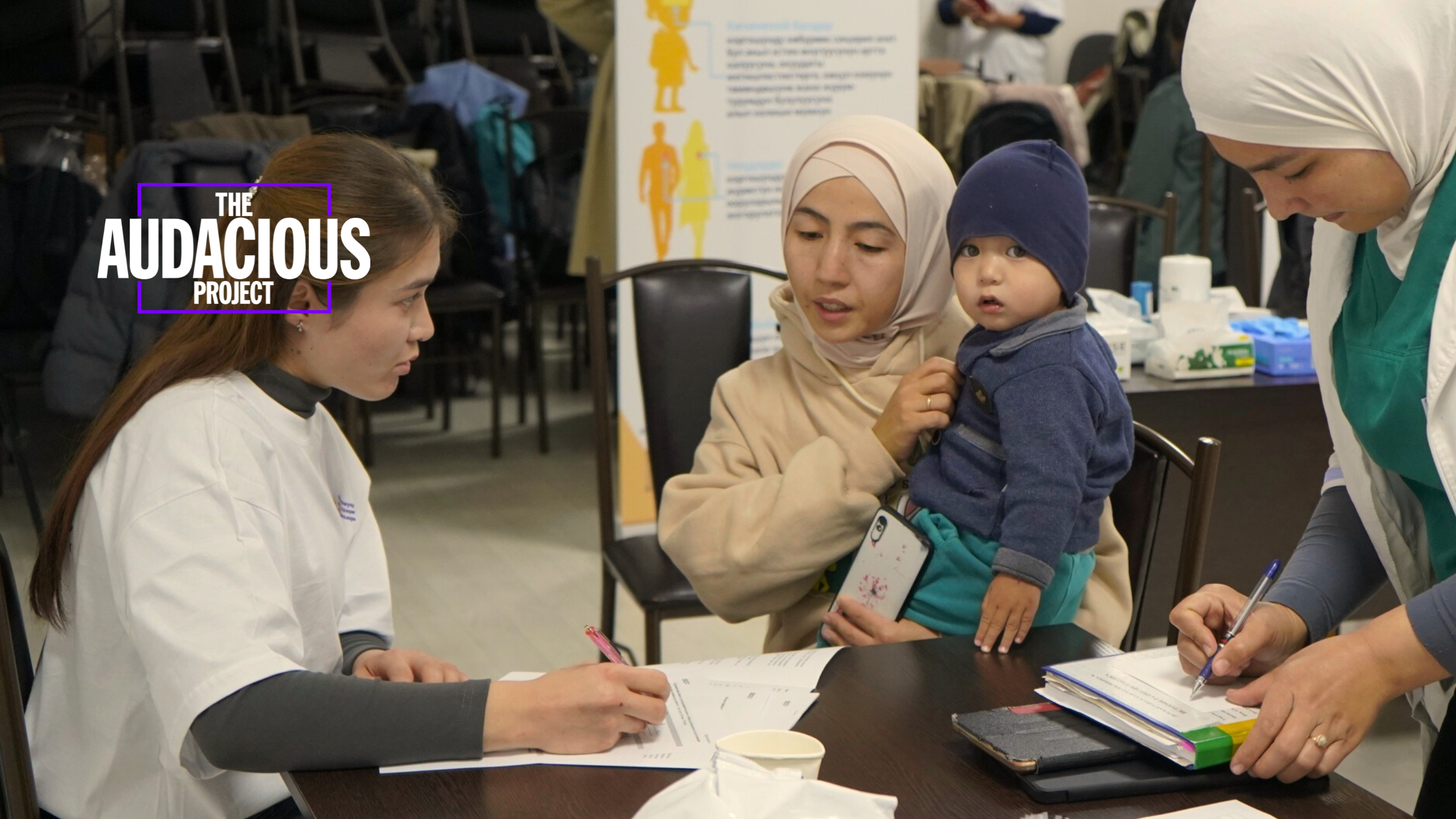
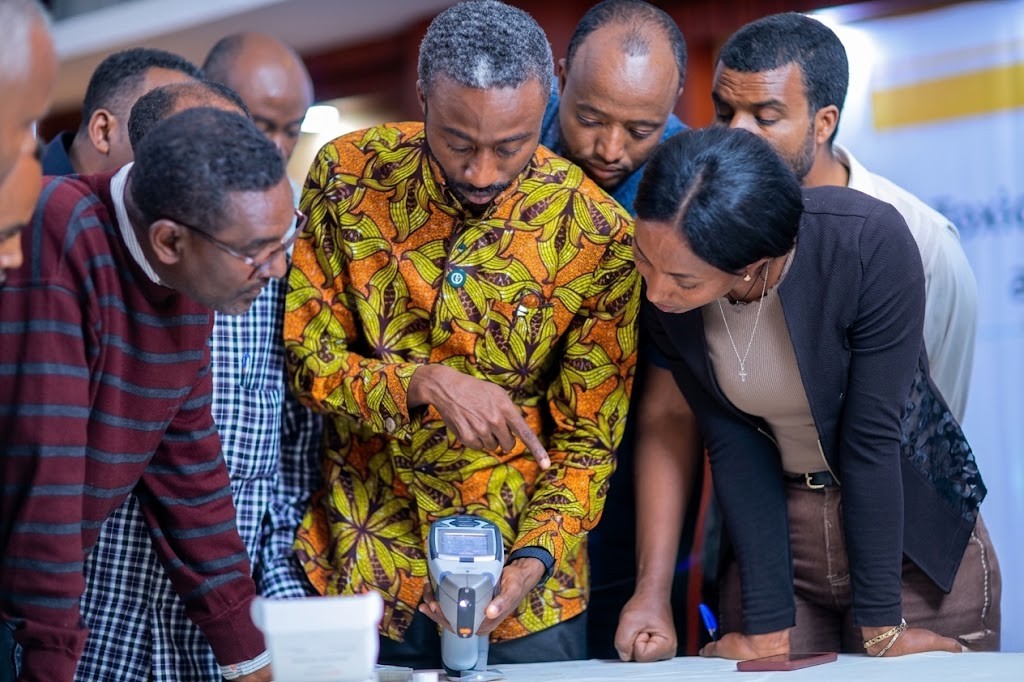
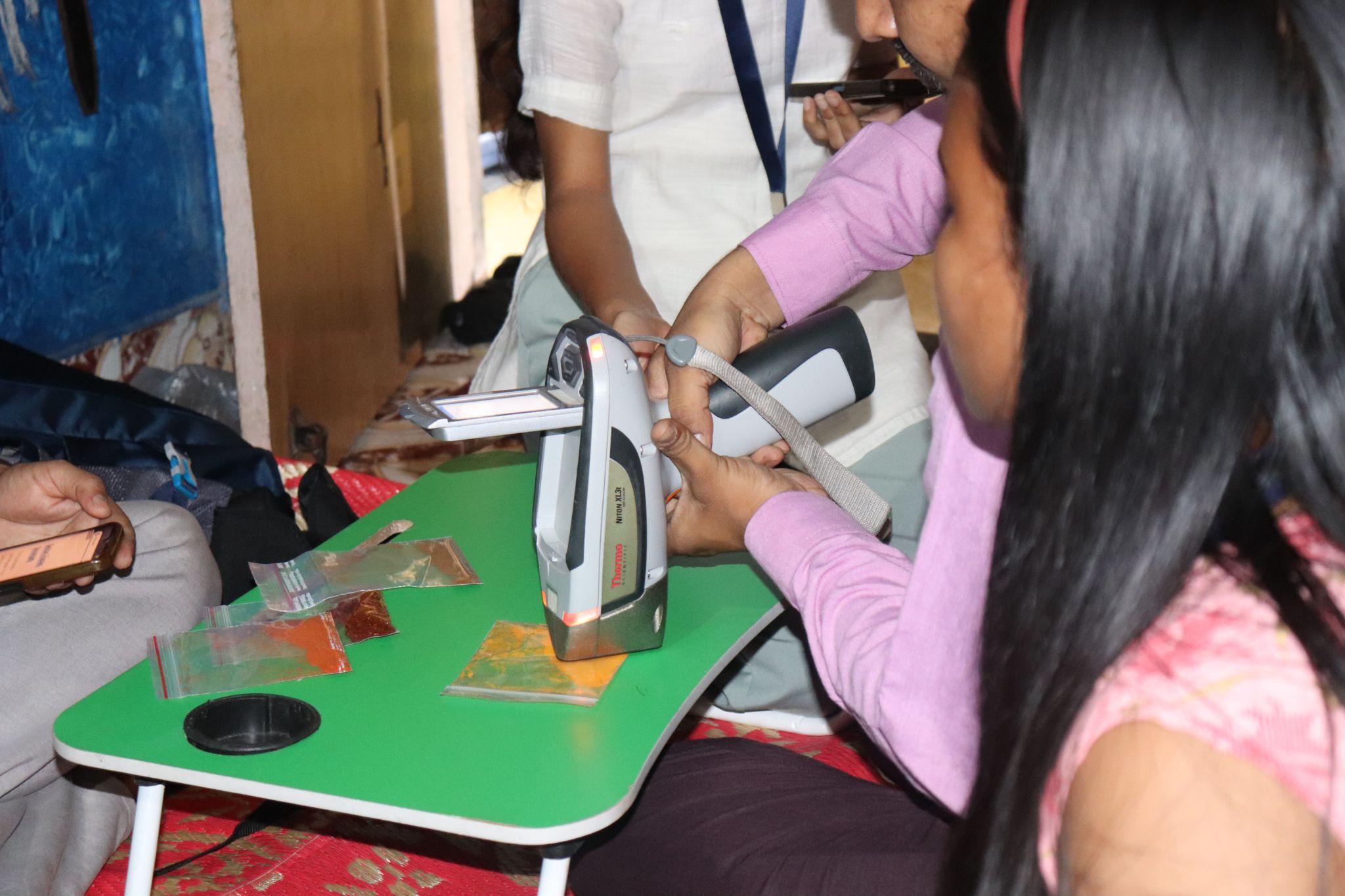
Field teams visited 146 homes across eight districts of Maharashtra, using handheld analyzers to find potential sources of lead exposure.
Text: Pinju Sanjay
Photos: Swapnil Gaikwad
Cookware, spices, and toys are everyday objects in Indian homes, but many people don’t know they can contain lead, a toxic heavy metal. Lead has been found in some of these products, especially those that are untested or uncertified.
Young children, especially those under five, are particularly vulnerable to the harmful effects of lead exposure. They can absorb up to four to five times more lead than adults, and habits like crawling and putting objects in their mouth increase their exposure.
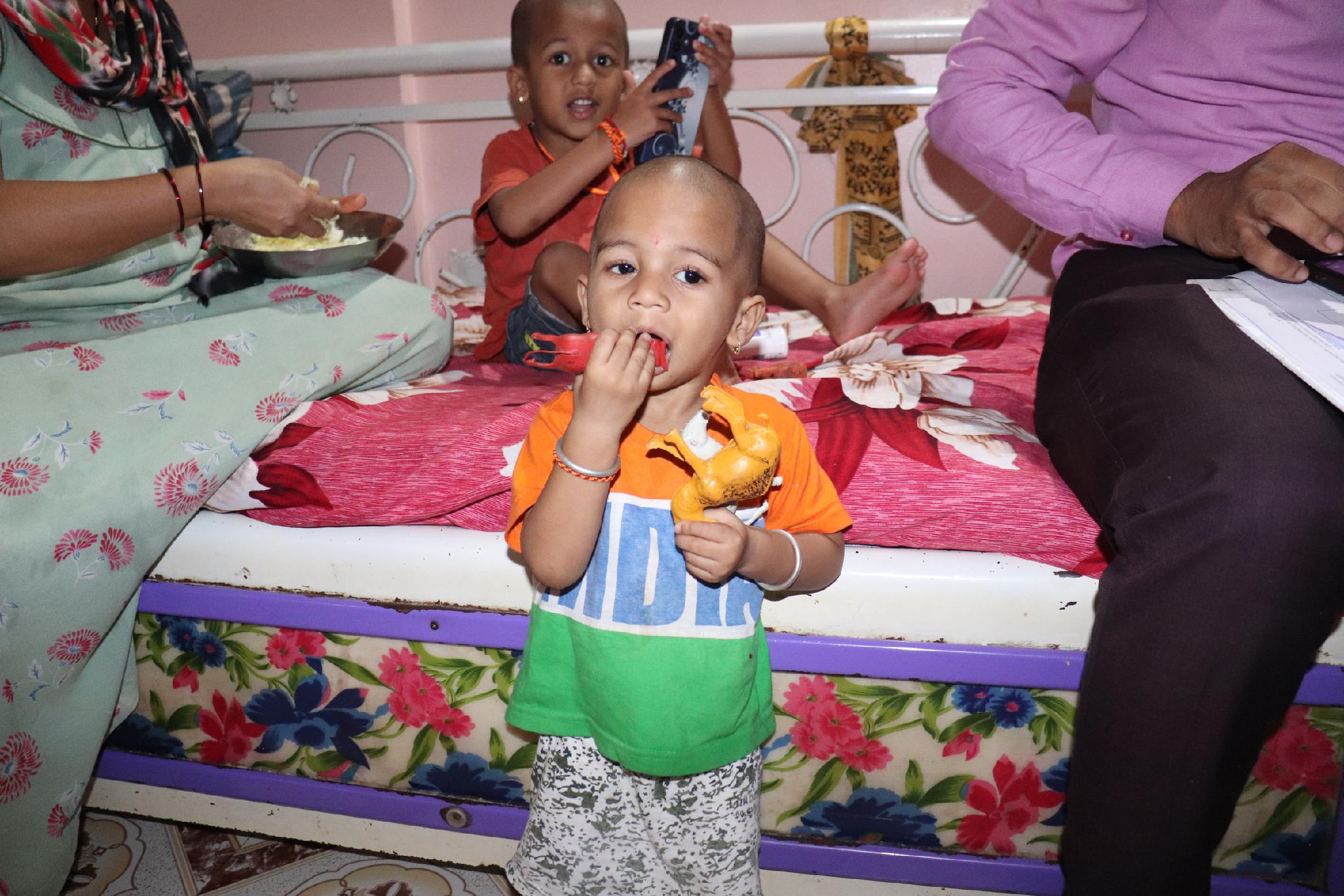
There is no safe level of lead in blood. Every third child in the world is estimated to have blood lead levels (BLLs) higher than 5 micrograms per decilitre, the WHO threshold requiring action. Most of these children are from low and middle-income countries, including more than 230 million in India alone.
Lead poisoning is often invisible, with no obvious symptoms at low to moderate BLLs. Prolonged exposure to lead has serious impacts on children’s neurological development, learning skills, and long-term health outcomes.
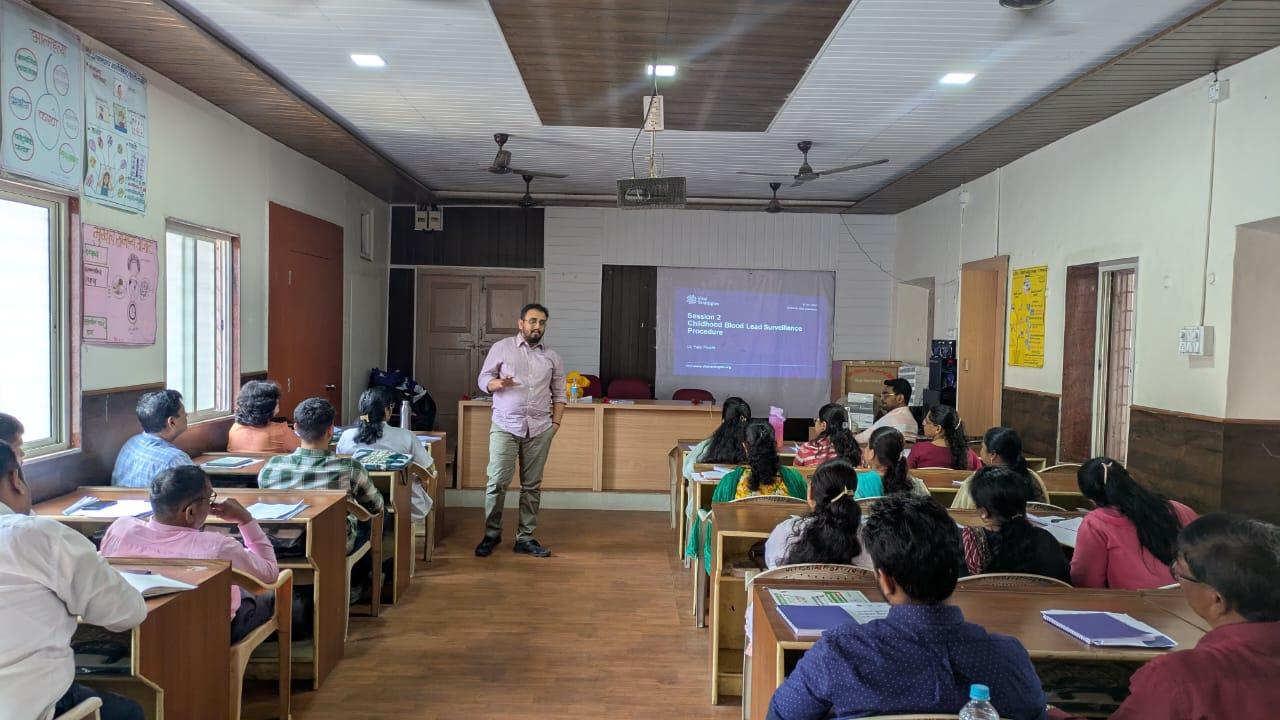
In Maharashtra, Pure Earth India is working with the Public Health Department, Government of Maharashtra, and Vital Strategies, to strengthen health systems to prevent, identify, and treat lead exposure. This program is funded by Takeda Pharmaceuticals Pvt Ltd.
The first phase of the programme measured the prevalence and distribution of lead poisoning in the state through a BLL survey. To understand where that exposure comes from, the testing team conducted home-based assessments in 146 households across eight districts of Maharashtra from August 2025 to April 2026. The households included children with the highest BLLs, children selected at random, and for comparison, children with low or undetectable levels
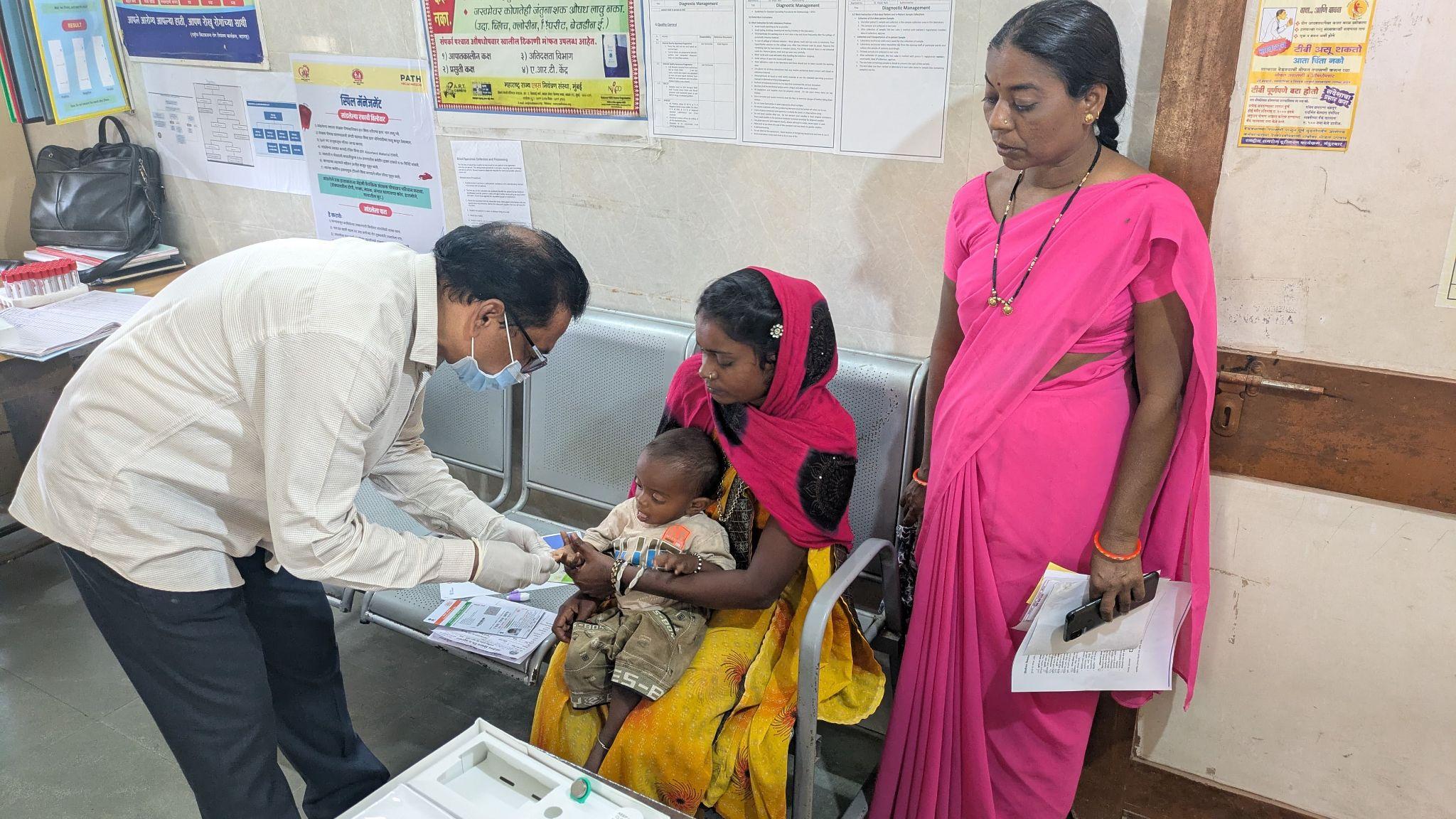
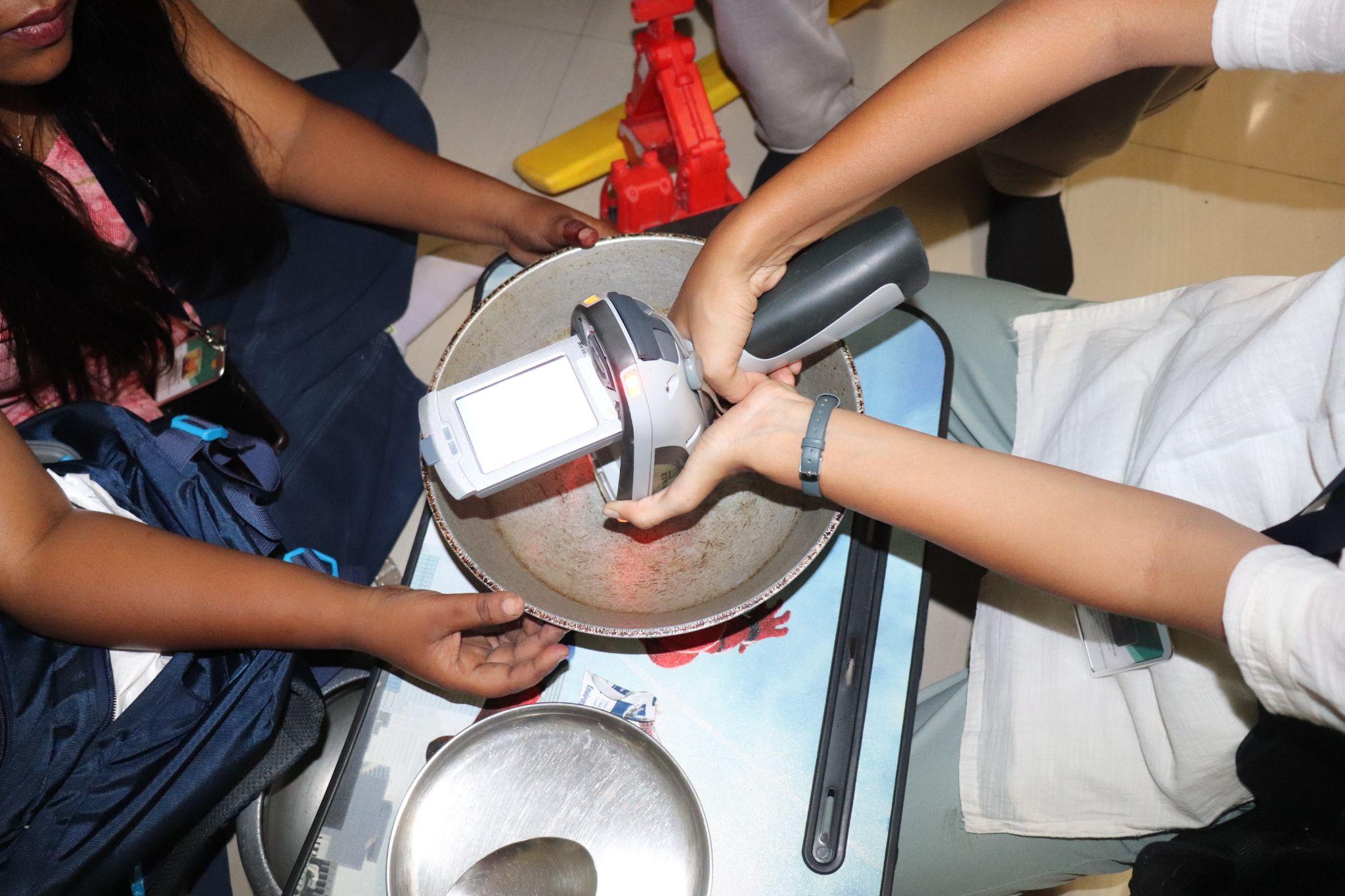
Field teams visited households in Pune, Thane, Kolhapur, Amravati, Nandurbar, Dharashiv, Gondiya, and Hingoli, using portable X-ray fluorescence (XRF) analysers to test samples across nine categories: soil, spices, dust, cookware, toys, paint, cosmetics, fabric, and water. In total, they tested 2,549 samples.
The Process
Each visit was arranged in advance — the team members explained the purpose of the study, what they would do, and obtained informed consent.
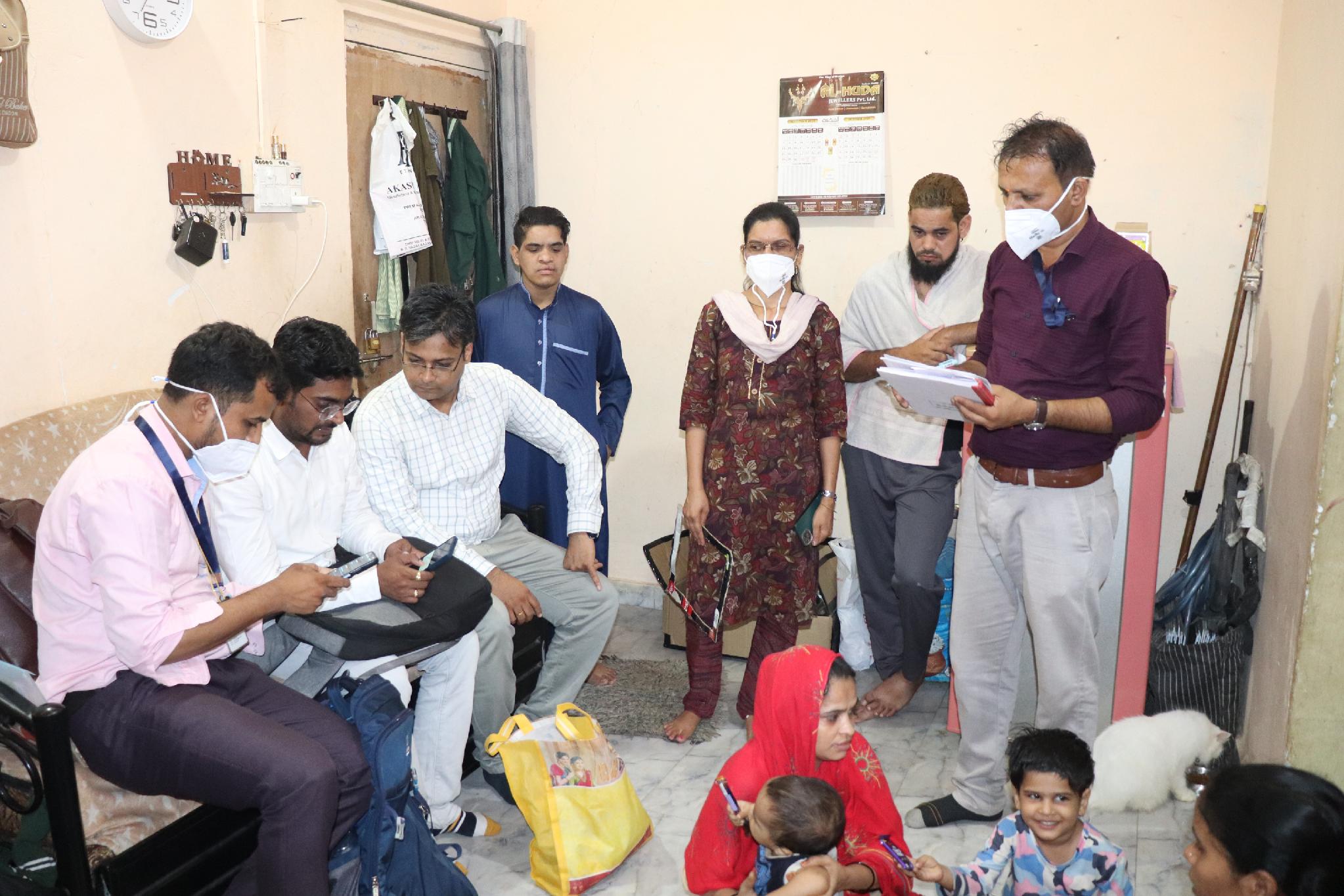
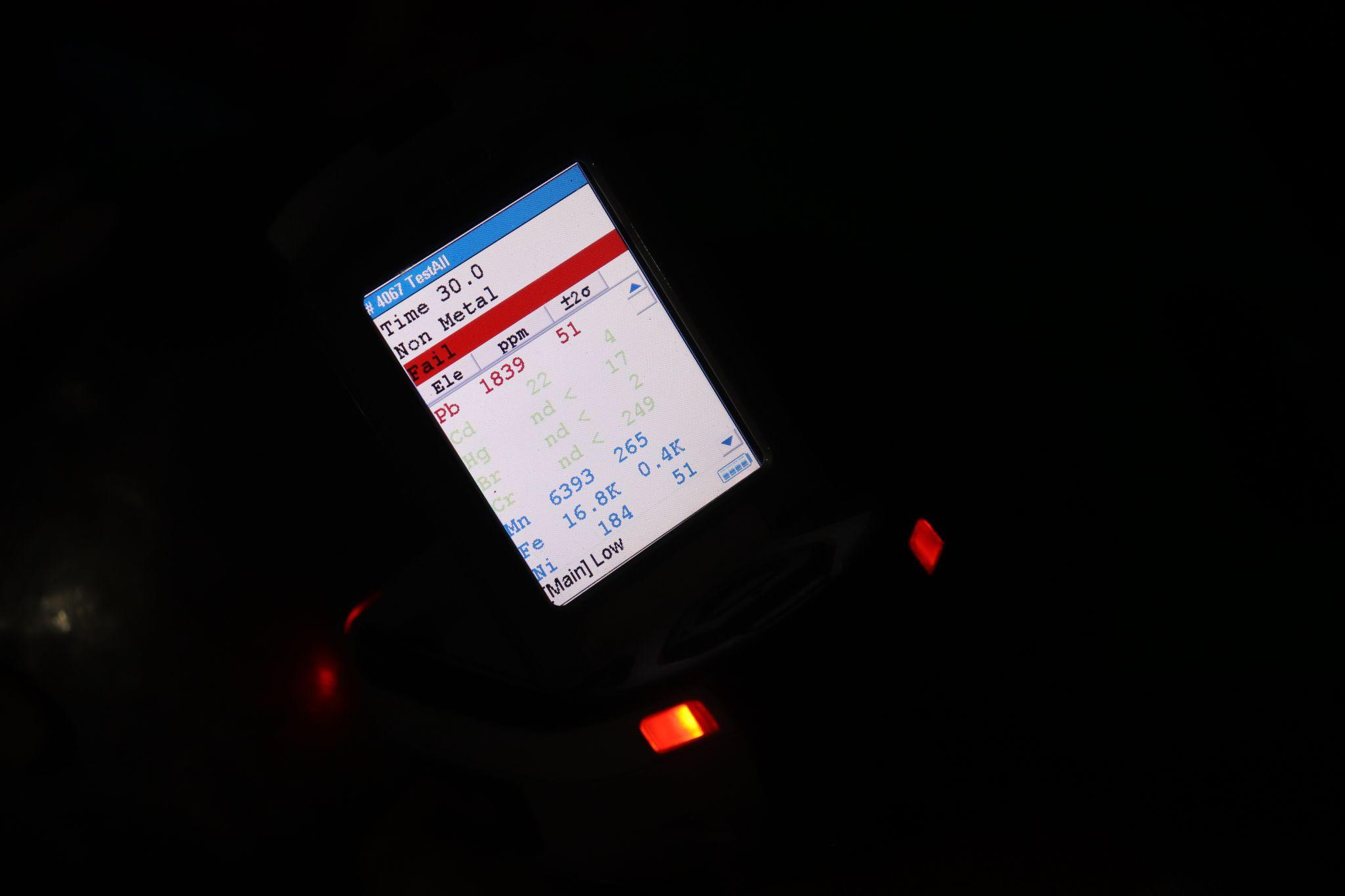
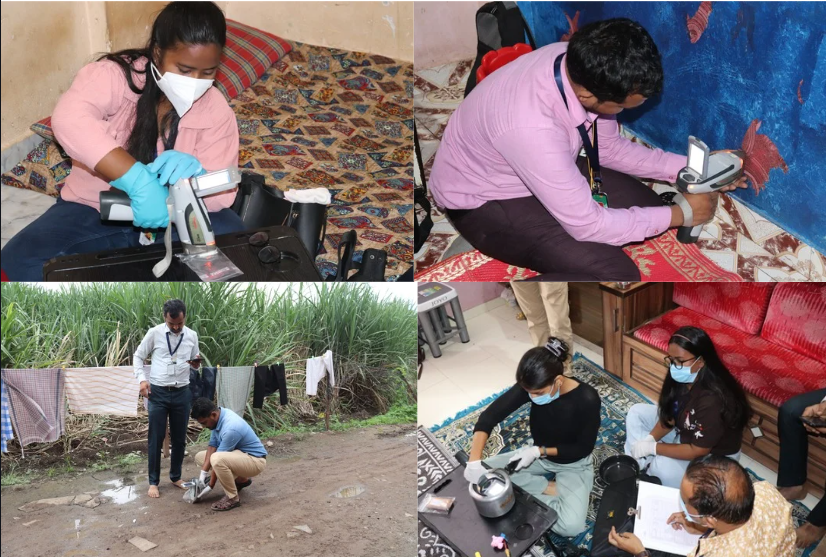
The team members spoke with the family, listed the items to be tested, and started collecting samples. The samples were then tested on the spot using the XRF, and the readings were recorded.
At each house, the team followed the home-based assessment protocol: soil from three spots near the house, along with spices, dust, paint, fabric, cosmetics, toys and cookware were tested. Each reading takes about 30–40 seconds. Cookware and toys were tested at several points on the same item, because lead levels can vary across a surface.
Looking ahead
Early findings from the assessment show contamination in household items like cookware and toys. More detailed results are forthcoming in a report.
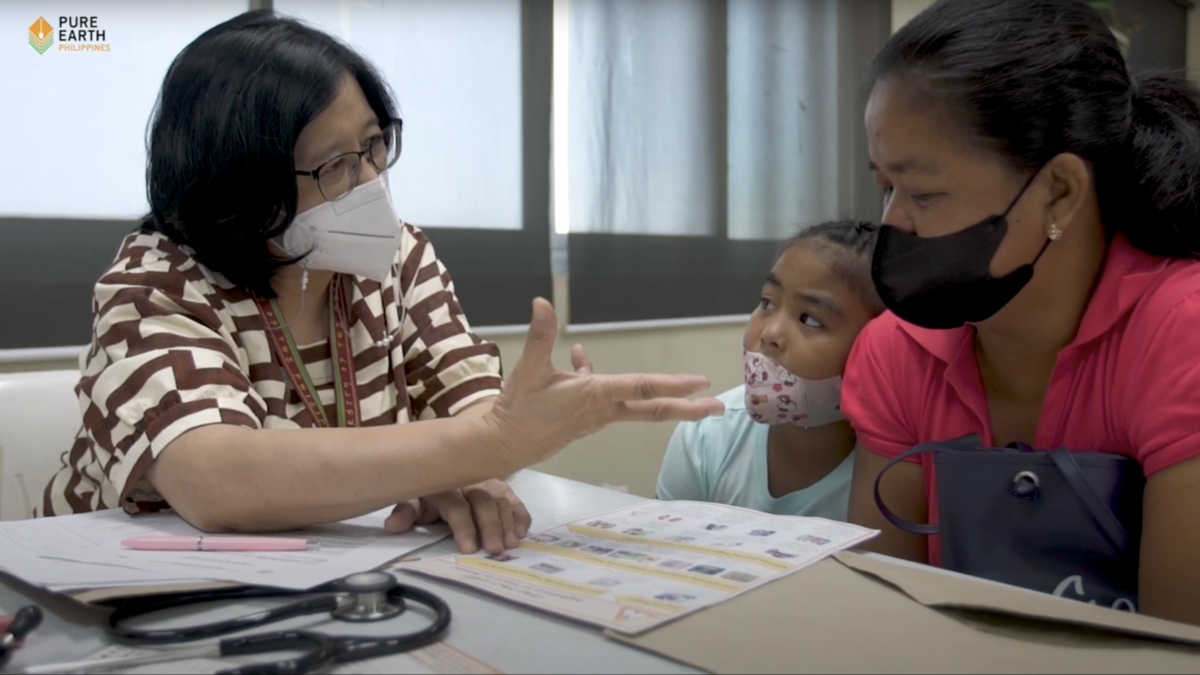
Many families were unaware of the health impacts and sources of lead exposure in their daily lives. Participating households received general precautions, including to choose ISI-certified cookware over aluminum, take care when purchasing toys and paints, and keep children’s play areas free from dust.
Preliminary findings point to increased awareness of lead poisoning and a positive shift in consumer choices towards lead-safe options.
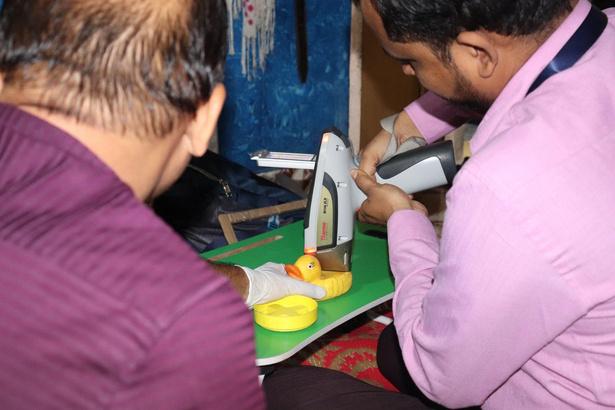
The XRF readings are screening results; they help pinpoint where to look for lead exposure. The findings from these home-based assessments will help shape targeted, source-specific interventions, including counselling materials for families. They will also build a clearer picture of exposure at the local, state, and regional levels. Next, research into supply chains can reveal where lead enters these consumer products and how to stop it. With a better understanding of these sources of exposure, Pure Earth and its government partners will work to keep contaminated cookware and toys out of children’s homes, protecting their health and futures.
Detailed findings and data from the home-based assessment report are forthcoming. With inputs from Swapnil More and Jyoti Kumari.