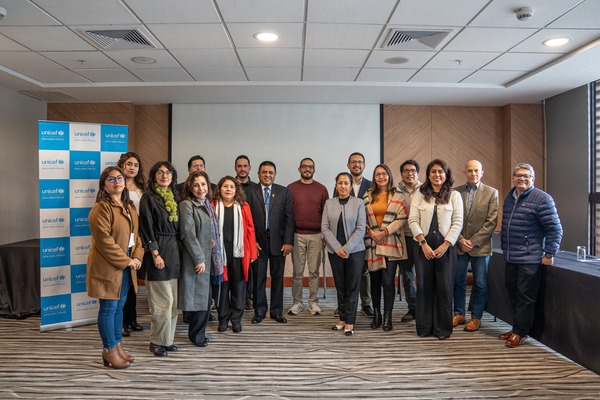
In partnership with DIGESA, the CDC, DGIESP, and Vital Strategies, the initiative will strengthen health surveillance, comprehensive care, and risk communication across eight priority territories in Peru.
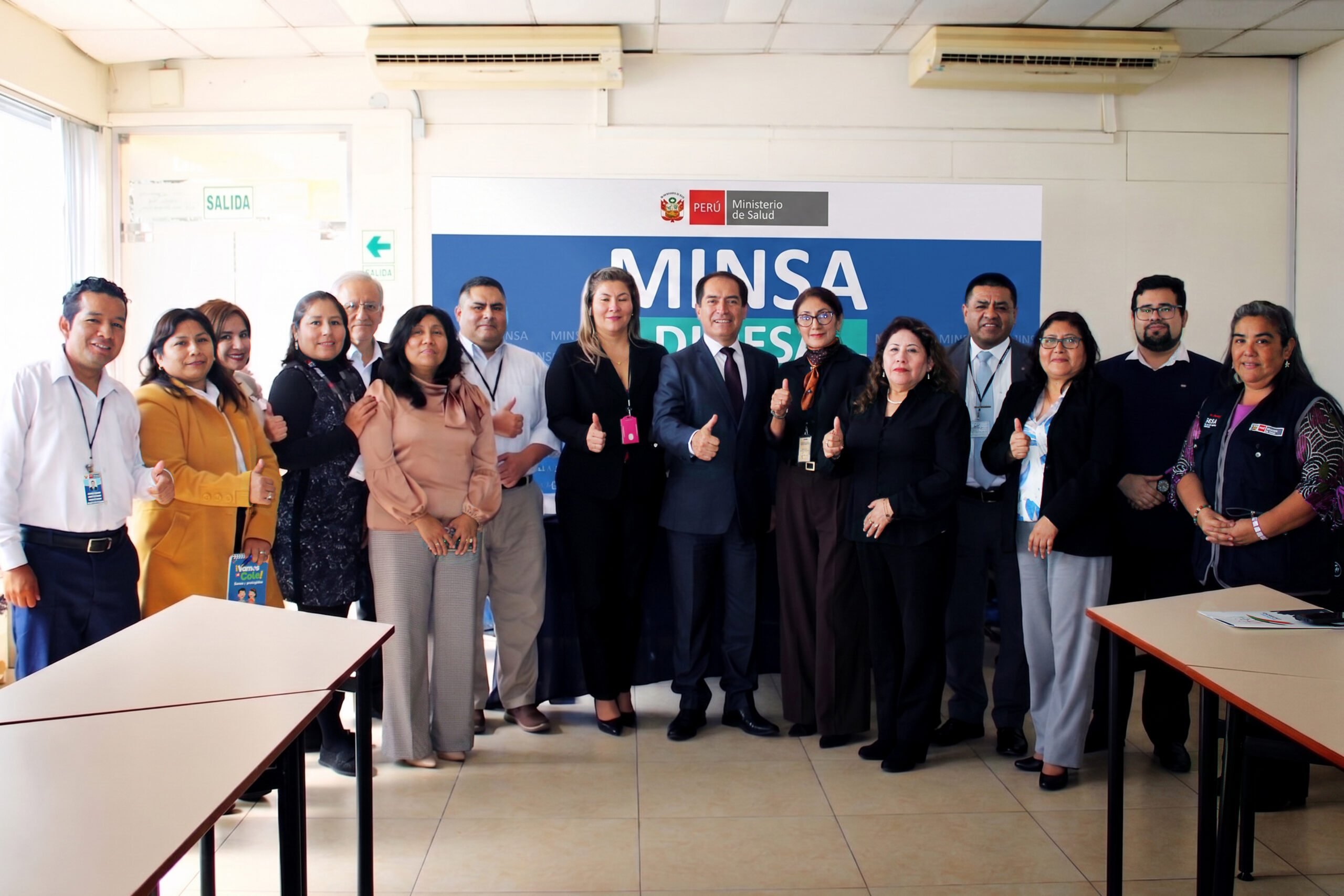
The work plan includes targeted interventions in the regions of Tumbes, Moquegua, Tacna, Madre de Dios, Pasco, Callao, and Lima, as well as within the jurisdiction of the Lima North Integrated Health Network Directorate (DIRIS Lima Norte). These areas have been prioritized due to the environmental risks associated with lead exposure.
Key actions include strengthening sentinel epidemiological and environmental health surveillance through the ongoing monitoring of lead exposure levels among young children. The initiative will also enhance the capacity of health services to provide timely, comprehensive care for children affected by lead exposure.
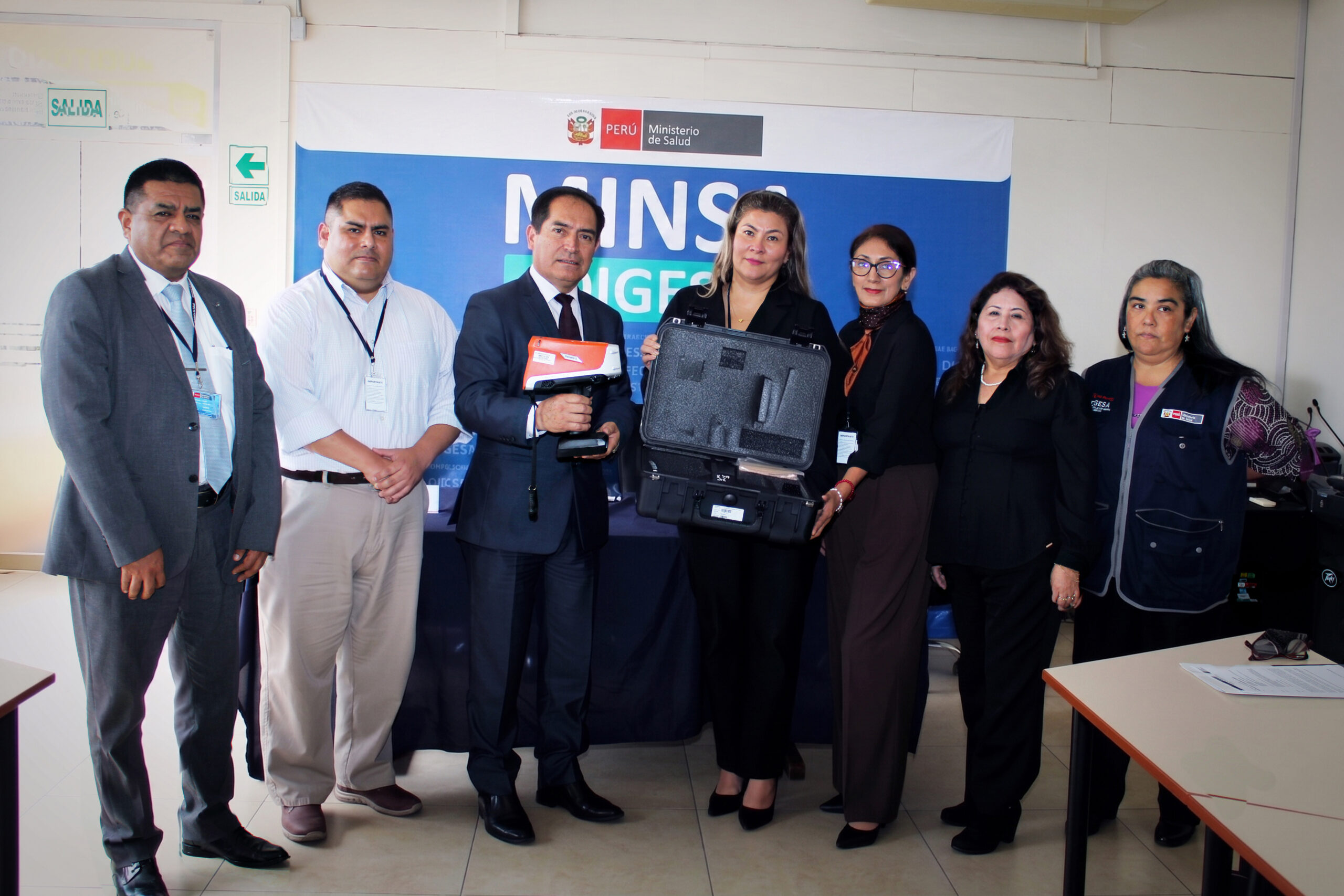
The plan also includes the development of community-based risk communication strategies to raise awareness about preventive measures that can reduce lead exposure and protect the health of young children.
Another key component is strengthening the capacity of healthcare professionals through technical assistance, specialized training, and support for scientific research. These efforts aim to generate evidence that will inform decision-making and contribute to the development of effective environmental health policies.
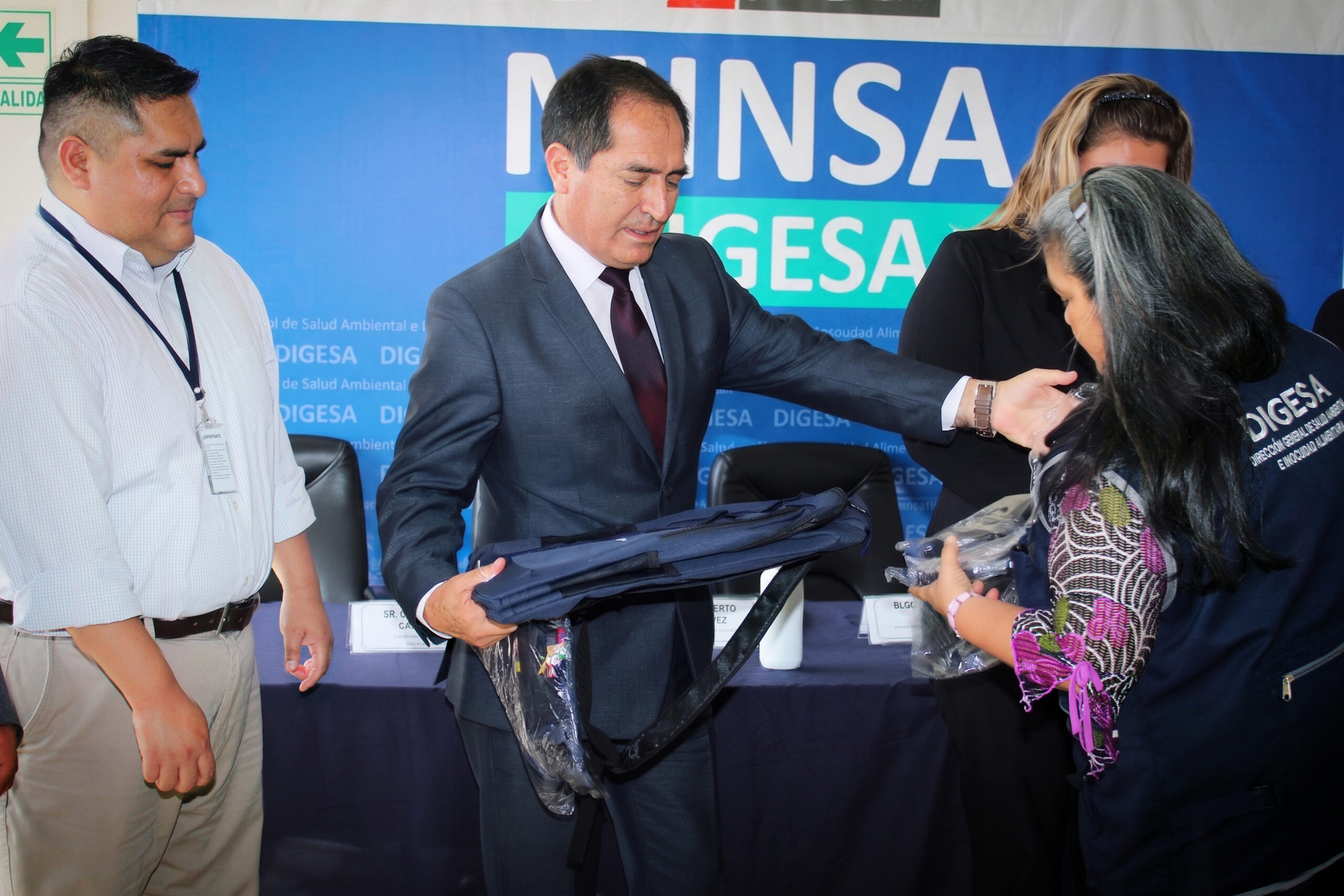
“This plan marks the beginning of a new phase of collaborative work to strengthen environmental and epidemiological surveillance of lead exposure in Peru. At Pure Earth, we reaffirm our commitment to supporting this effort, convinced that collaboration among institutions is essential to protecting public health—especially the health of our children,” said Rodrigo Velarde, Country Director of Pure Earth Peru.
Through this partnership, Pure Earth reaffirms its commitment to working alongside the Peruvian government, international partners, and regional authorities to reduce lead exposure and promote healthier, safer environments for children across Peru.