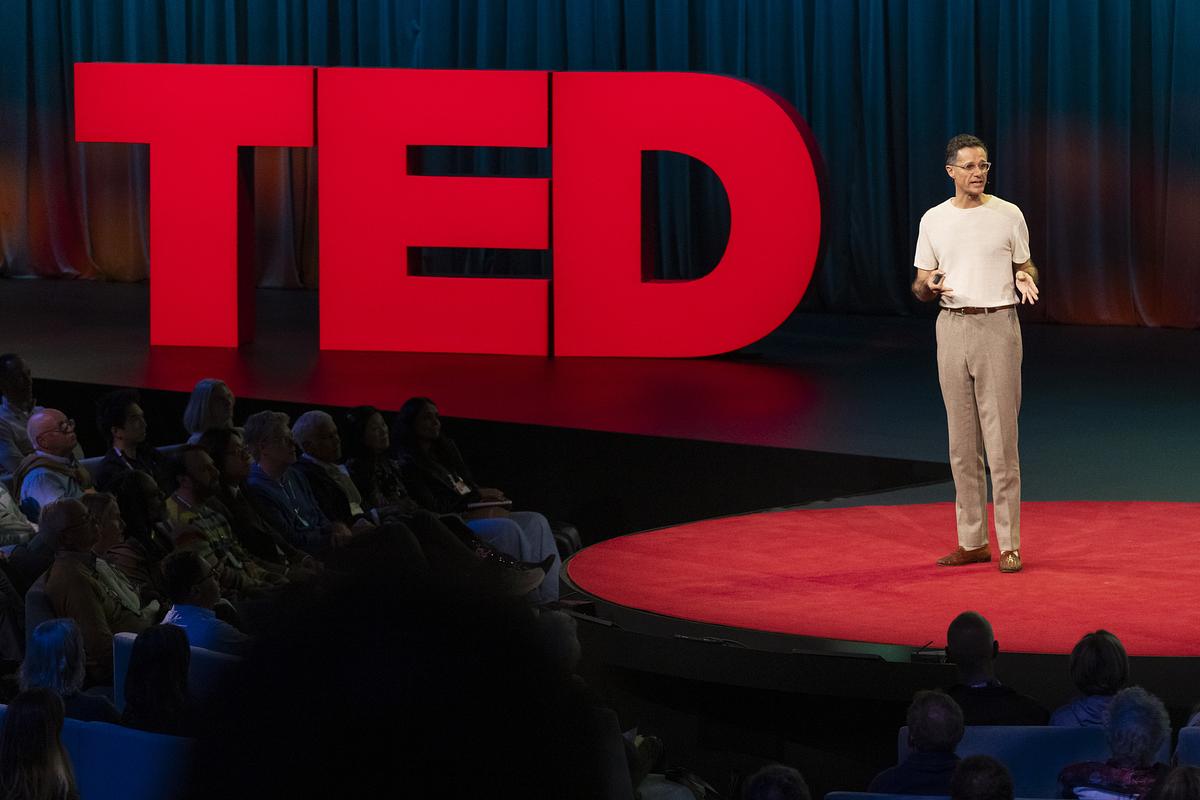
Pure Earth is honored to have had a place on the TED 2026 stage in Vancouver, and we’re excited to share Drew McCartor’s TED Talk with the world. Watch it here and see why Forbes ranked Drew’s Talk in the top ten of this year’s conference.
The scale of lead exposure is staggering. Each year, it causes an estimated 3.5 million deaths — more than all active wars, HIV, and malaria combined— and strips children of 765 million IQ points.
“If you rob one child of their potential, that’s a tragedy,” Drew says in his TED Talk. “But to do it to a billion kids? That changes the trajectory of humanity.”
Below, we break down what’s driving the lead poisoning crisis, why it remains so neglected, and how we’re responding. Pure Earth’s new SCALE Initiative (Scaling Country Action on Lead Exposure) is supported by The Audacious Project donor community and works to reduce risks for more than 500 million children with elevated concentrations of lead in their blood (blood lead level).
One of the World’s Most Neglected, Most Solvable Problems
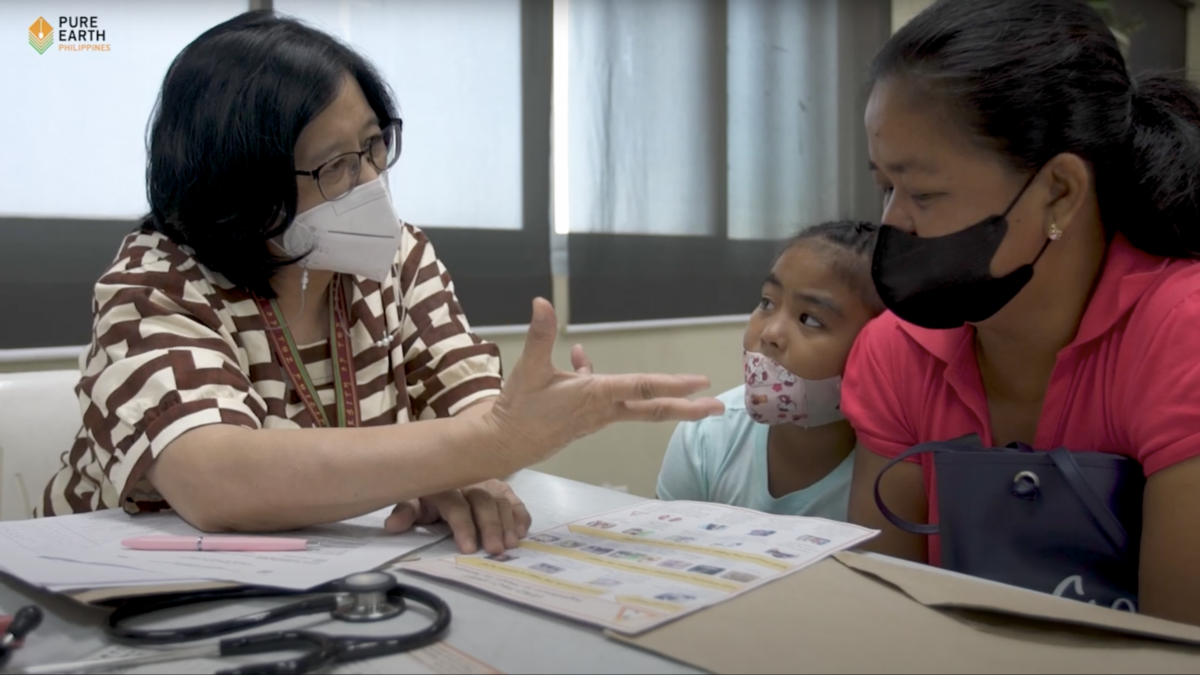
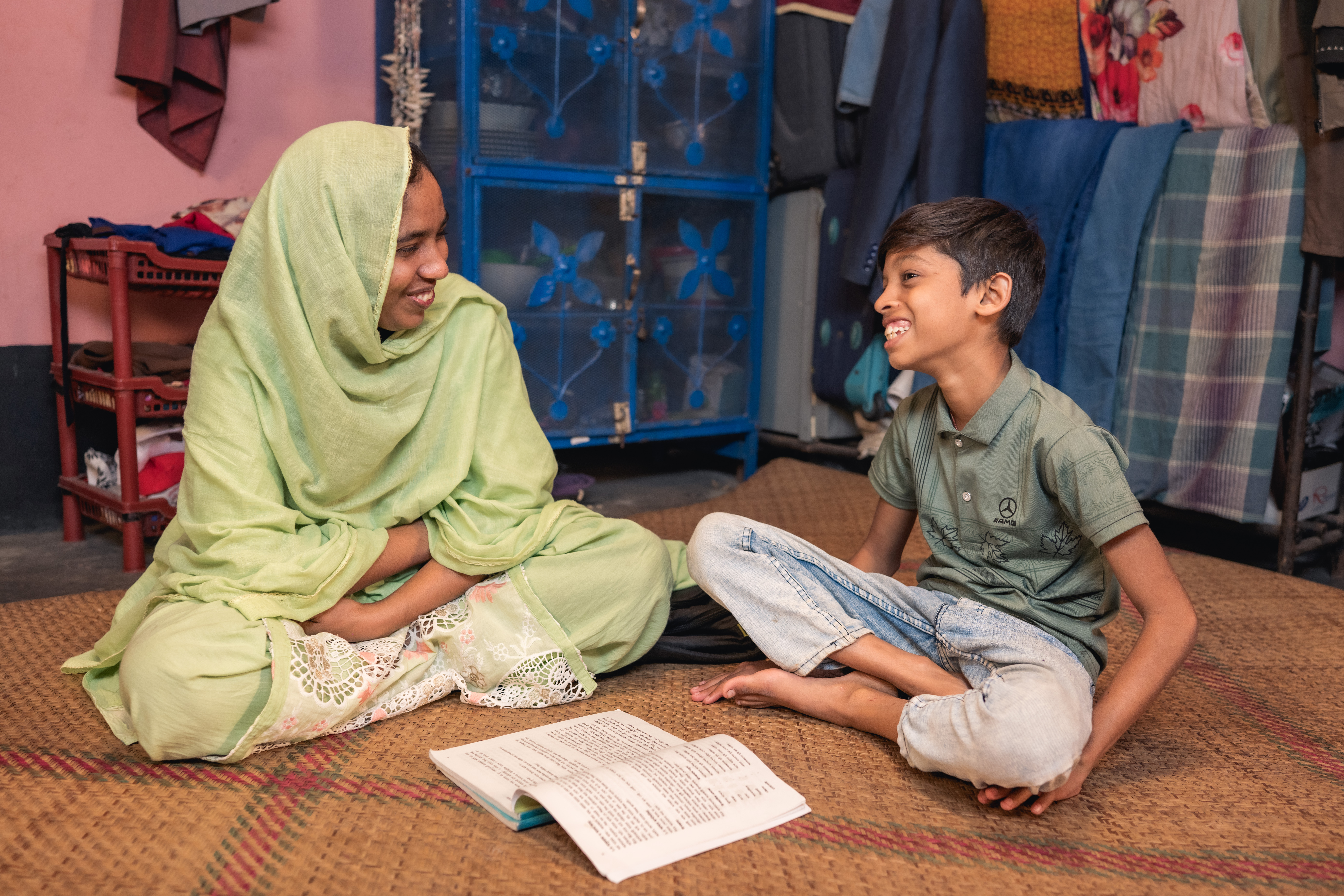
Behind a crisis this large are individual children. On the TED stage, Drew introduces us to one of them: Saim, a boy we met in Bangladesh whose memory and academic performance deteriorated sharply after a lead-battery recycling operation was set up in his village. Pure Earth removed the lead pollution, protecting future generations, but the damage to Saim is permanent.
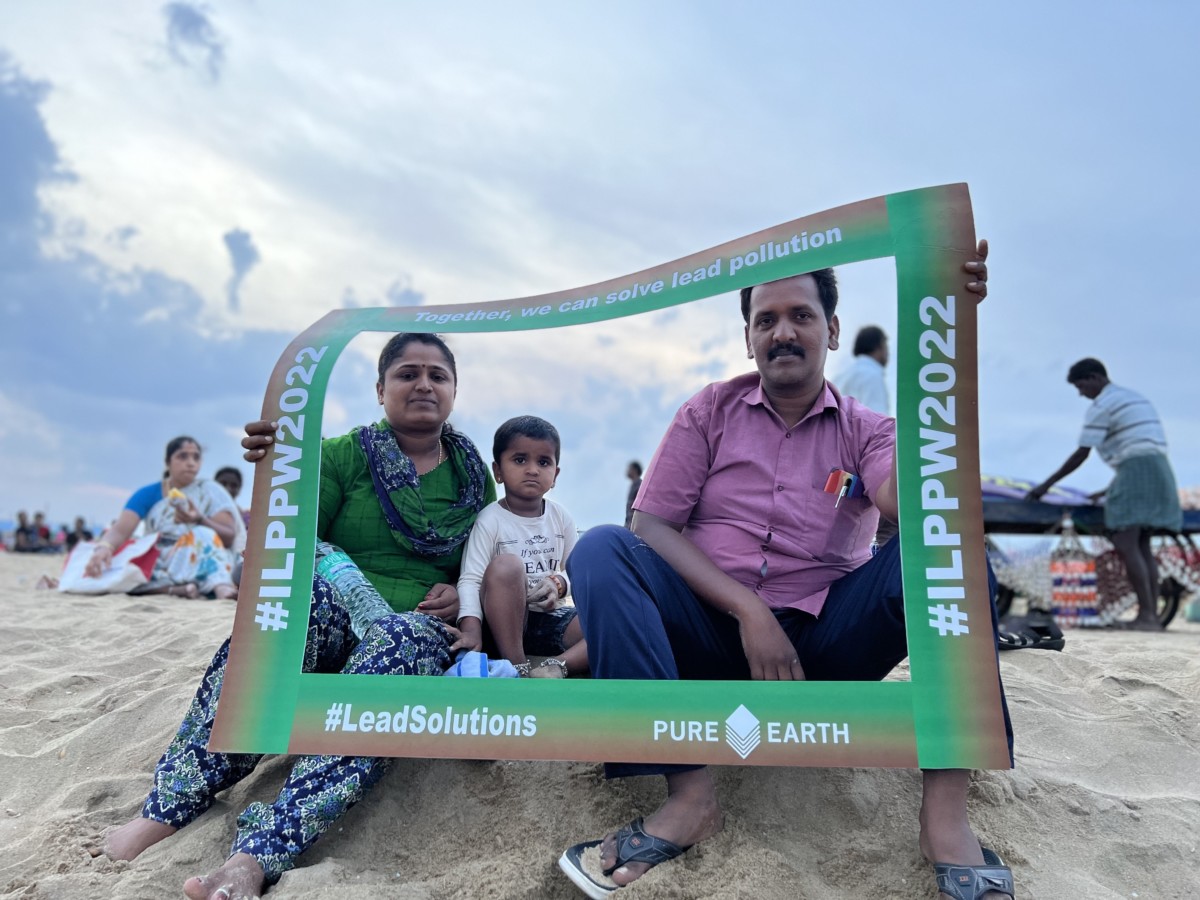
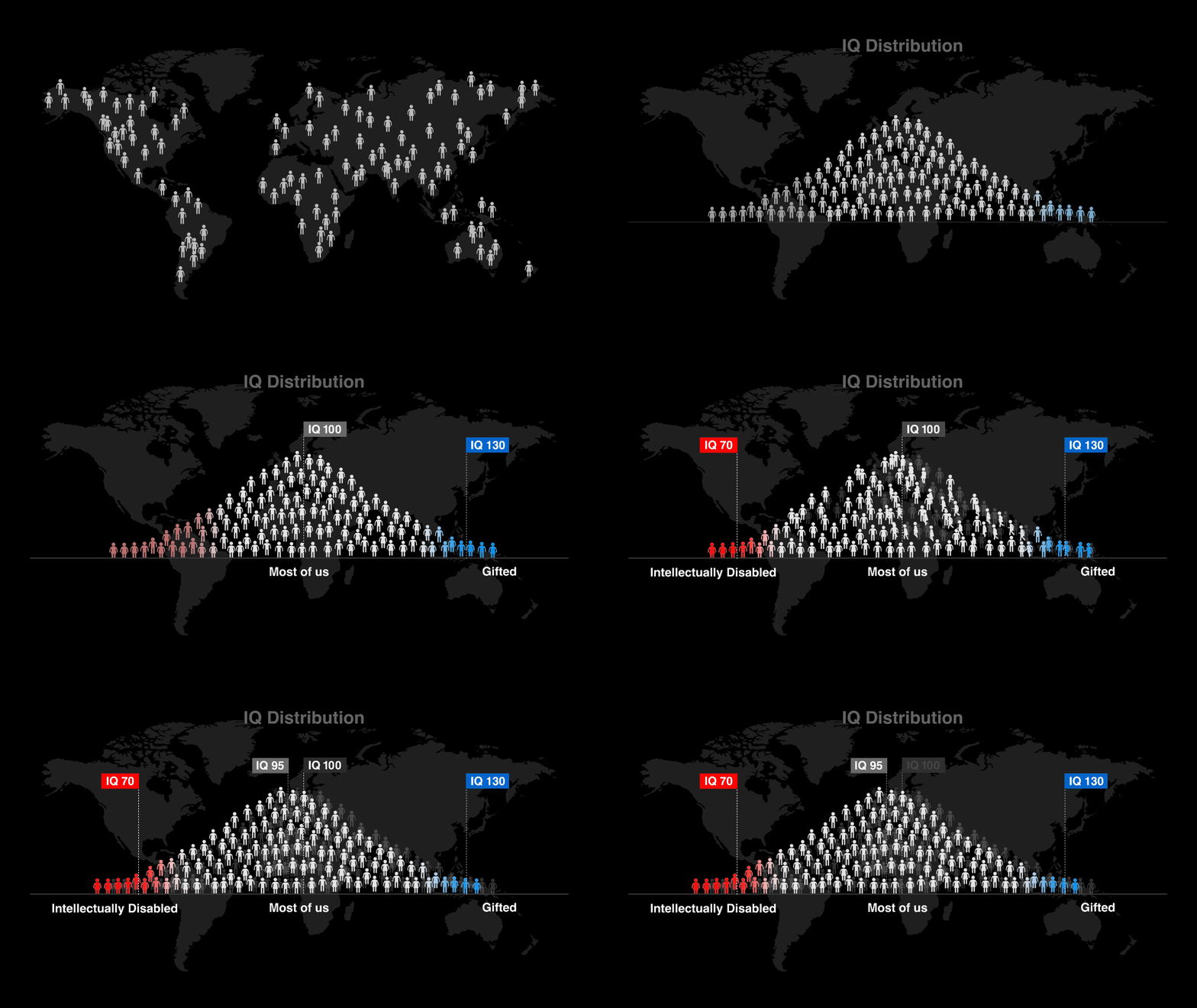
Unfortunately, Saim is just one of more than a billion children worldwide who have blood lead levels above the WHO threshold for clinical intervention (5 μg/dL). Almost all live in low- and middle-income countries, where the average child is exposed to enough lead to lose an estimated four to five IQ points permanently. That loss is enough to shift an entire nation’s intelligence curve downward, cutting the number of gifted kids in half and increasing the number of kids who face intellectual disability by more than 50%.
The consequences extend well beyond cognitive damage. Lead exposure contributes to poor maternal and newborn outcomes, including stillbirth and low birthweight. The global economic cost is estimated at $6 trillion annually.
And yet lead poisoning remains one of the most unrecognized and underfunded public health crises, in part because so few low- and middle-income countries have the resources to conduct nationally representative blood lead level surveys. Without this data, governments struggle to grasp the scale of the crisis, prioritize solutions, or build a political case for action.
Lead poisoning is not inevitable. It is preventable, with the right protections at scale. That’s the argument at the heart of Drew’s talk, and it’s the premise that drives everything Pure Earth does.
Our Audacious Idea: Scaling Protection for More Than 500 Million Children
Drew was invited to speak at TED because Pure Earth was named a 2025 Audacious Project finalist and received strong backing from this donor community. Housed at TED, The Audacious Project is a collaborative funding initiative dedicated to supporting bold ideas with the potential to change the world.
Since 2018, the Audacious donor community has committed $4.6 billion, and grantees have subsequently leveraged an additional $3 billion from other funders to further advance their initiatives. With support from Audacious funders, Pure Earth will scale protection across more than 20 countries in Africa, Asia, and Latin America, representing over half the global burden of childhood lead poisoning.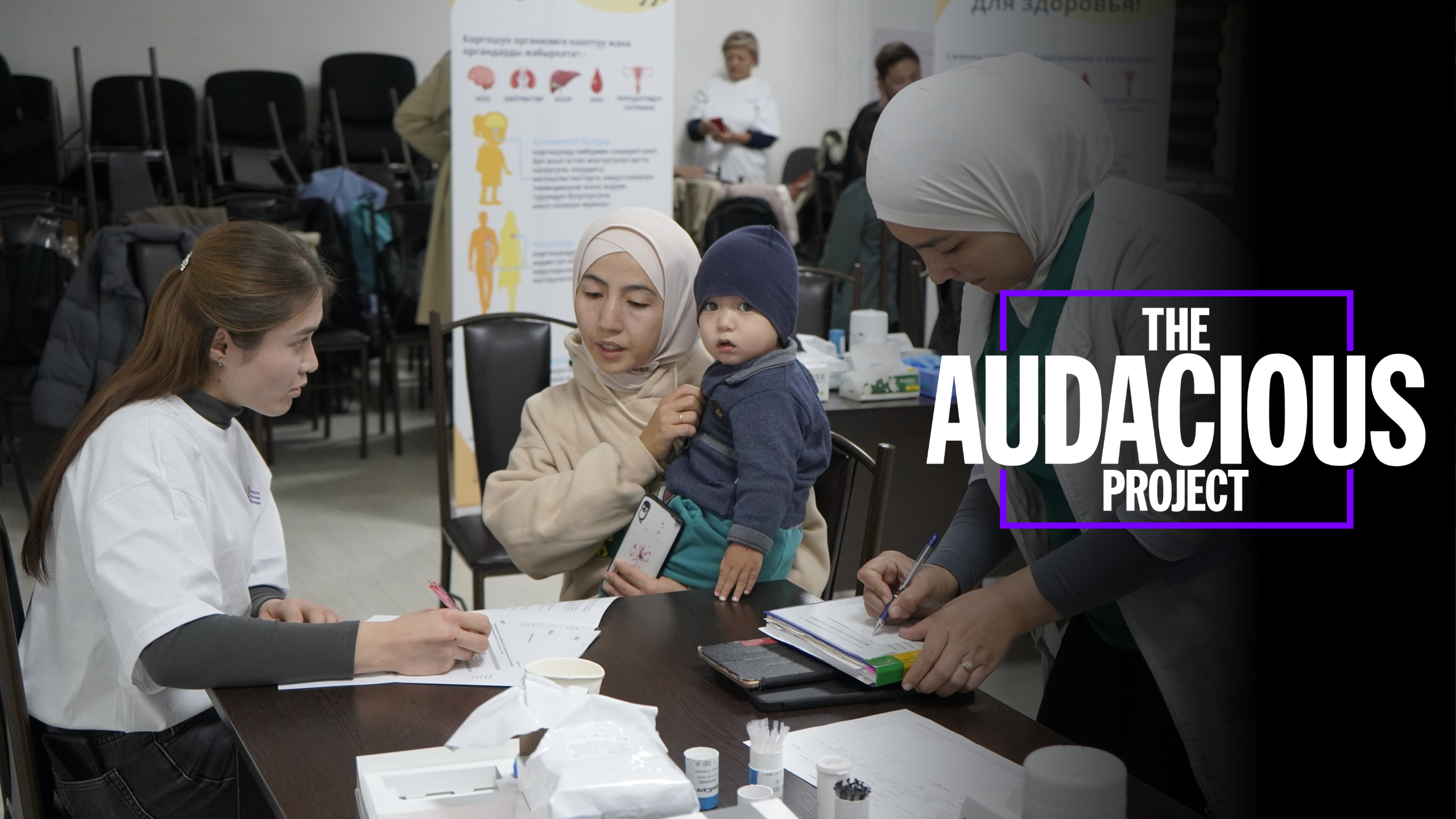
The Pure Earth SCALE Initiative will operate in three phases across each country.
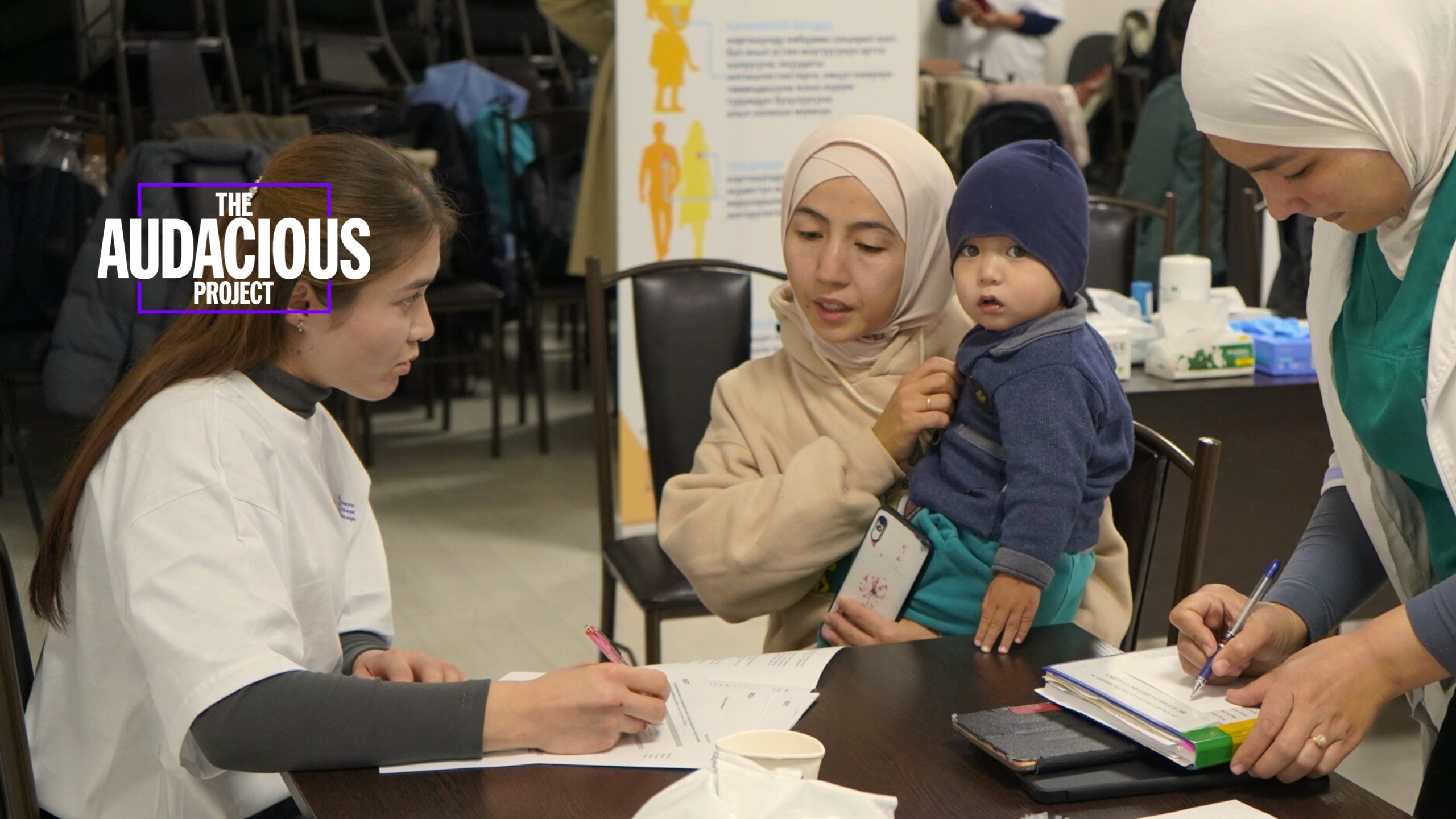
The first is a nationally representative survey of blood lead levels, establishing the true scope and geographic distribution of childhood exposure. Without this data, governments are working from modeled estimates rather than documented national evidence.
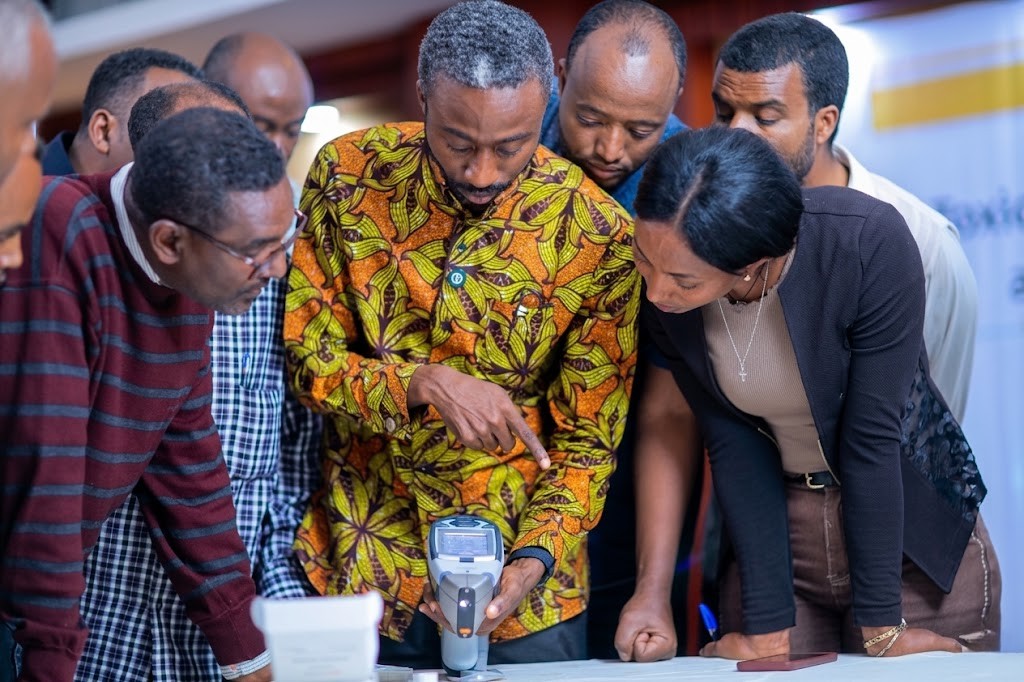
The second phase identifies and prioritizes exposure sources through systematic testing of foods, spices, cookware, paint, cosmetics, soil, and water. Sources vary by region and culture: what drives lead poisoning in one country may have nothing to do with what drives it in another. Interventions built without this specificity risk targeting the wrong problem entirely.
The third phase is the development and implementation of national solutions: strengthening regulatory enforcement, cleaning up polluted sites, and embedding ongoing monitoring and response systems into national health systems. This ensures progress holds after Pure Earth’s direct involvement ends.
The Core Partners
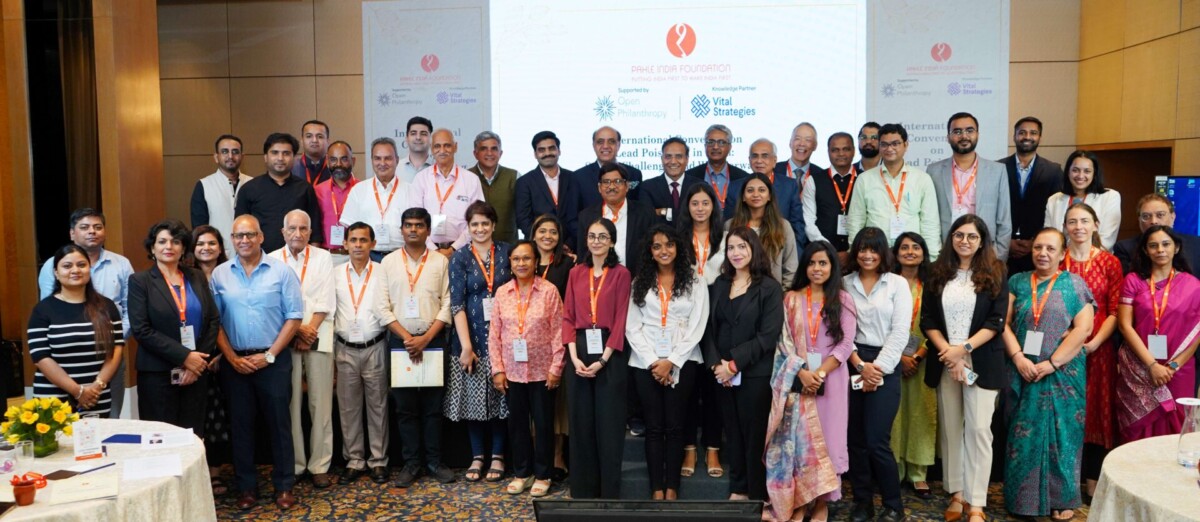
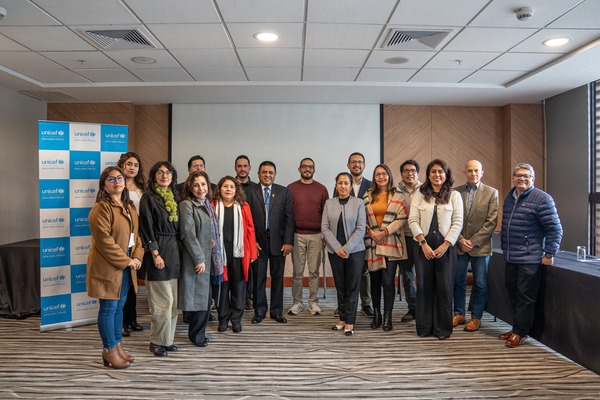
A program at this scale requires partners with deep technical expertise and established country-level relationships. UNICEF and Vital Strategies will both lead on blood lead level survey design, implementation, and data analysis. The Institute for Health Metrics and Evaluation will build and manage the LEAD Hub, the central platform for sharing data across countries. The Partnership for a Lead-Free Future will host the LEAD Hub and connect evidence to governments and the broader global health community, ensuring the data translates into policy. We expect partnerships to continue to grow and evolve as we expand the program and develop detailed work plans.
Building Systems That Outlast Us
Government ownership runs through every phase by design. Blood lead level surveys are conducted by and for national governments. Strategies are co-developed with ministries. Interventions move through government enforcement systems. The goal in every country is to build systems durable enough to outlast Pure Earth’s presence—monitoring embedded in routine health surveys, regulators trained and equipped, laboratories strengthened, civil society positioned to hold governments accountable. By the time Pure Earth exits, the government has been leading the response for years, graduating from partners to independent actors. This is what durable protection looks like.
Investing in Lead Poisoning Prevention Protects Every Other Investment in Human Development
Beyond its toll on health, lead poisoning undermines economic growth, educational attainment, and other development goals. When children carry the cognitive and physical burden of lead exposure, every dollar spent on schools, nutrition, and healthcare delivers less than its full potential. Removing lead’s burden means those investments go further, compound faster, and reach more people.
Lead poisoning is one of the highest-impact, most neglected problems in global health. For philanthropists focused on effective giving, few opportunities match this combination: proven interventions, a measurable funding gap, and returns that extend across generations.
What Success Looks Like
Long-term success means more than lower blood lead levels. It means children reaching their full potential, healthier populations, stronger institutions, and economies that grow because people can contribute to them. We cannot give Saim back what lead already took from him. But millions of young brains are under development right now, and this initiative aims to reach them before lead does.
“You now know more about lead poisoning than almost anyone on Earth,” Drew states at the end of his TED Talk. “And that fact remains our central challenge. So tell people. Tell them how big it is. And tell them that we can solve it.”
Share the talk. Sign up for our newsletter and join us to be part of this Audacious journey. Donate today
Follow Pure Earth on Social Media:
For more on the program’s scope, framework, and funding opportunities, visit our project page.