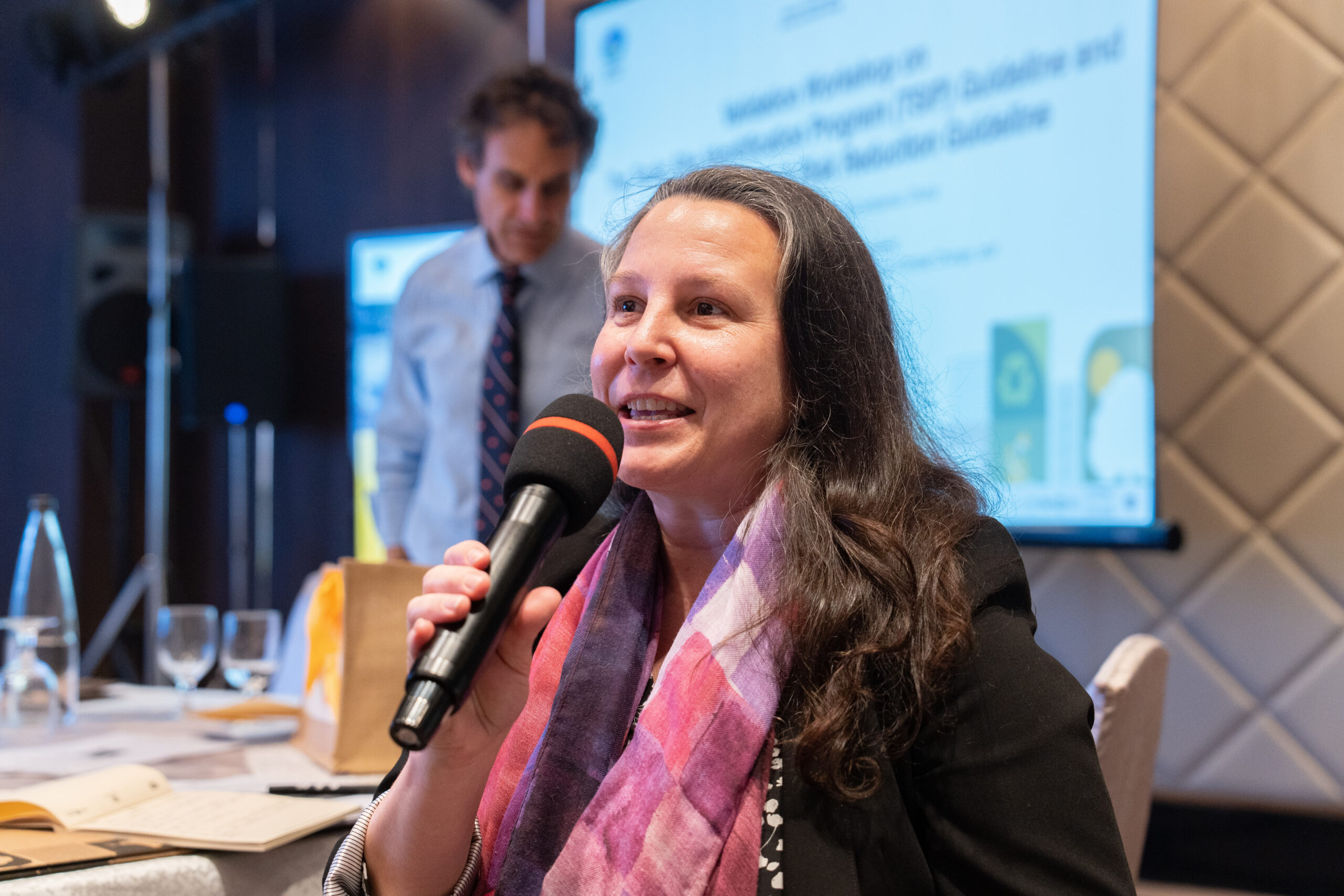
With 29 projects across 16 low- and middle-income countries, 2025 marked a year of remarkable growth, collaboration, and global recognition for Pure Earth. Across four continents, our teams paired scientific rigor with practical implementation, helping governments, communities, and institutions move from awareness to action to prevent toxic exposures.
This impact was reinforced by growing external recognition. In a chapter of the 2025 World Happiness Report on effective giving, the Happier Lives Institute ranked Pure Earth as the most cost-effective charity for improving the wellbeing of others. Vox’s Future Perfect highlighted Pure Earth’s work in its coverage of effective giving, including Want to help save the most lives possible? and How to buy a year of happiness, explained in one chart.

As we reflect on progress in 2025, we recognize the commitment and partnership of Pure Earth’s supporters, whose contributions made it an especially impactful year. Their support underpins the research, policy engagement, and on-the-ground action that protect children’s health and strengthen the foundation for continued impact.
Below, we highlight key milestones and accomplishments from the year.
Organizational growth and global leadership
In 2025, Pure Earth expanded its professional staff by 40 percent, welcoming new leaders and technical experts across offices worldwide. This growth strengthened the organization’s capacity to deliver high-impact programs with long-term sustainability and scientific rigor, and to support more complex, multi-country initiatives.
Pure Earth’s expanded work was made possible through the support of Bloomberg Philanthropies, Coefficient Giving’s Lead Exposure Action Fund (LEAF), Takeda Pharmaceuticals, the French Facility for Global Environment (FFEM), and the UK Foreign, Commonwealth & Development Office (FCDO) and hundreds of generous individuals. In parallel, Pure Earth deepened its role in global collaboration, serving as a founding member of the Partnership for a Lead-Free Future and working closely with ministries of health and environment, national research institutions, and global partners such as UNICEF, WHO, Vital Strategies, the Center for Global Development (CGD), the Lead Exposure Elimination Project (LEEP), and the Institute of Health Metrics and Evaluation (IHME).
Expanding global capacity for lead prevention
A defining milestone of 2025 was Pure Earth’s role as an implementing partner in the Bloomberg Philanthropies Lead Poisoning Prevention Initiative. Bloomberg Philanthropies is supporting lead poisoning prevention efforts in some of the highest-need countries in Asia, Africa, and South America. Pure Earth will be assisting governments in developing institutional capacity, programs, and policies to effectively and sustainably assess and mitigate lead exposure.
To complement large-scale programming, Pure Earth along with Vital Strategies and LEEP also launched Opportunity Funds for lead poisoning prevention, designed to support rapid, high-impact projects that fill urgent evidence gaps, strengthen surveillance, and accelerate policy-relevant action in low- and middle-income countries.
Results delivered in 2025
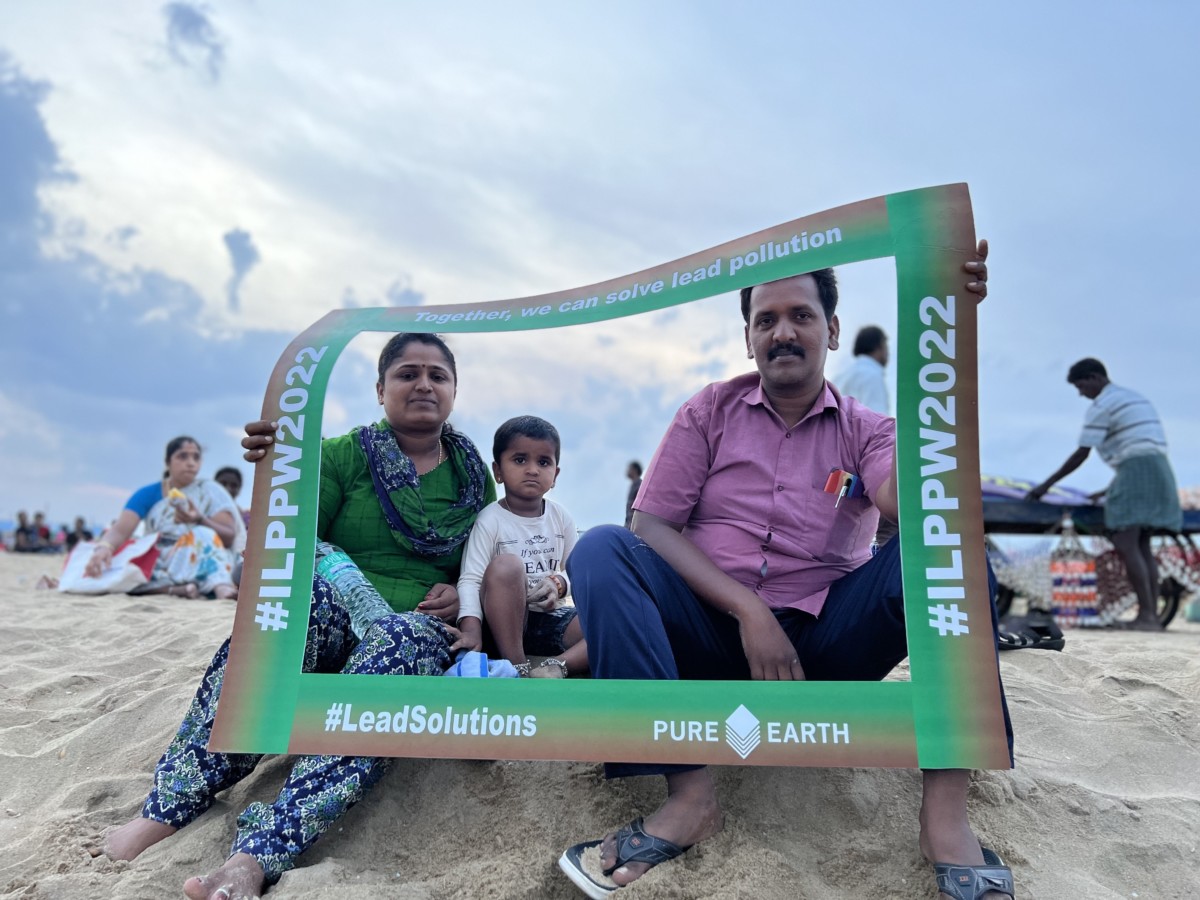
Across all of its programs in 2025, Pure Earth delivered measurable results that have expanded our knowledge base on the prevalence, severity and sources of lead poisoning: thousands of blood lead tests conducted; hundreds of household, school, and site assessments of lead exposure sources completed; hundreds of consumer products tested; and dozens of national and global awareness events held, including International Lead Poisoning Prevention Week. These efforts reflect a consistent approach—pairing exposure source identification with targeted interventions, government engagement, and sustained public communication to ensure progress endures beyond pilots.
Country Milestones
Bangladesh: Formalizing action through government partnership
In Bangladesh, Pure Earth partnered with YouthNet Global, a youth-led environmental justice network, to connect 50 youth leaders from over 20 educational institutions with workshops on understanding impact of lead pollution and its solutions, documentation training, direct government reporting channels, and digital advocacy tools. Together, they educated and mobilized hundreds of youth leaders on lead poisoning from unsafe battery recycling, helping shut down nearly 50 illegal polluting smelters across Dhaka and other regions. When YouthNet Global leaders reported two illegal lead facilities operating in Tangail’s Sal forest, their complaint led to government demolition of both operations within weeks. The movement gained global attention through reporting in over 150 outlets worldwide, amplifying local voices and increasing pressure for sustained action.
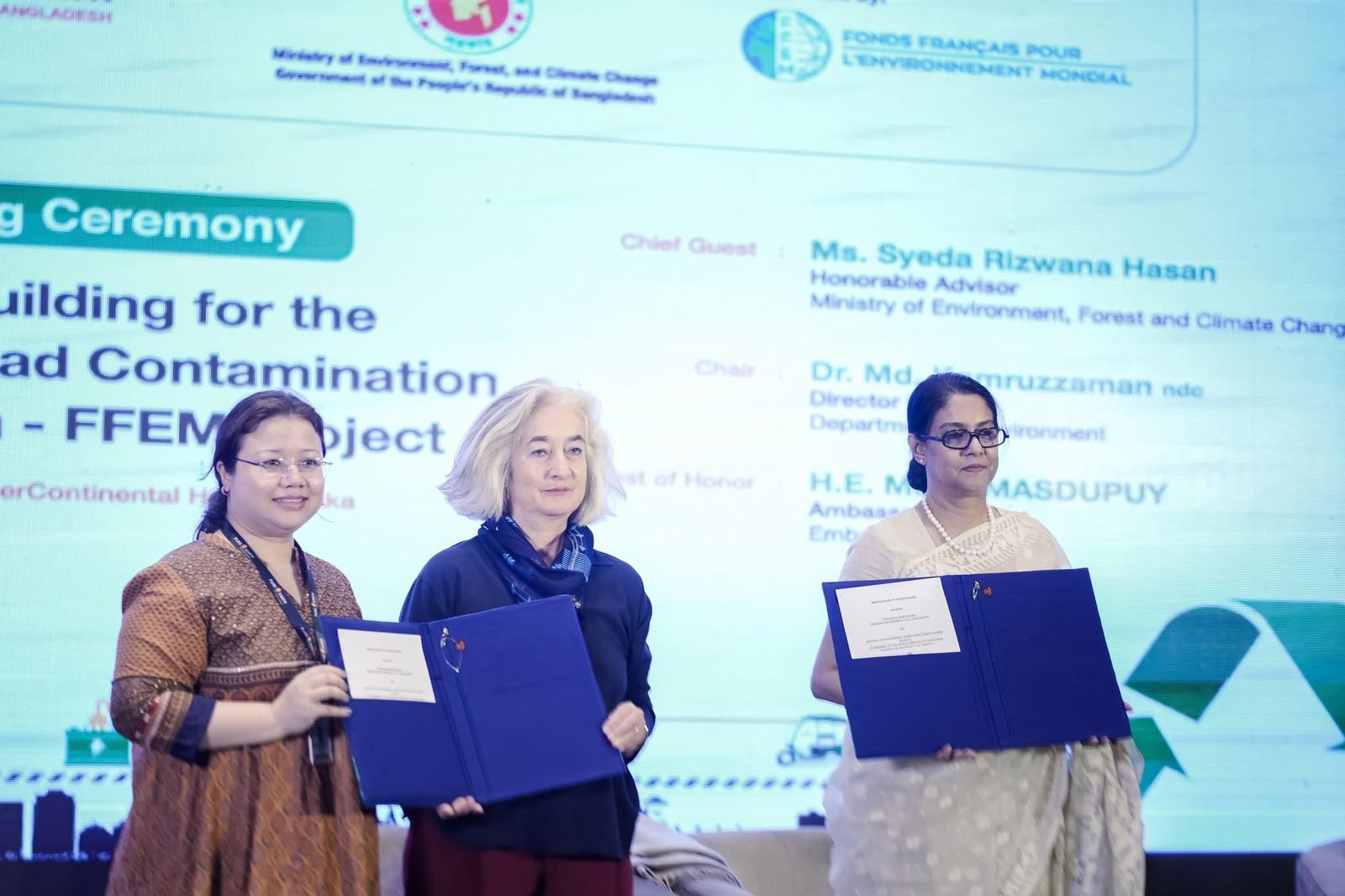
Another major milestone was reached with the signing of a tri-party Memorandum of Understanding between Pure Earth Bangladesh, the Ministry of Environment, Forests and Climate Change, and the Department of Environment. Supported by FFEM, the agreement strengthens environmental management and policy implementation to address lead pollution, particularly from used lead-acid batteries, and establishes a framework for transitioning informal recycling practices toward a safer, regulated system.
Finally, in partnership with Khulna University and with support from the FFEM, Pure Earth Bangladesh began preparations for the clean-up of a contaminated former used lead-acid battery smelter site, located adjacent to a boarding school, a madrasa, and a mosque, in Labanchora, Khulna. Preparations included community sensitization and education and carrying out a detailed site assessment for the remediation.
Brazil: Launching a national strategy to address lead contamination
Brazil marked ILPPW with the launch of the project “National Strategy for Joint Actions to Address Lead Contamination,” signaling renewed national coordination on lead pollution and exposure risks. Pure Earth was proud to support the Ministry’s efforts in this launch.

Colombia: Assessing contaminated cookware
In Colombia, Pure Earth advanced its work on reducing lead exposure through a combination of evidence generation and health system strengthening. Investigators analyzed lead in aluminum cookware sourced from local marketplaces, finding that approximately 21% of samples contained elevated lead levels, and identifying significant regulatory gaps related to materials in contact with food. The study further identified that, while Colombia has laboratory capacity for environmental analyses, it does not have yet comprehensive capacity to systematically identify total lead content in cookware, including the specialized infrastructure, accreditation, and technical protocols required for robust testing and preventive regulatory surveillance. Initial testing and supply chain assessments were conducted as part of a first phase, and the resulting findings will be shared with government stakeholders to inform ongoing policy and regulatory discussions.
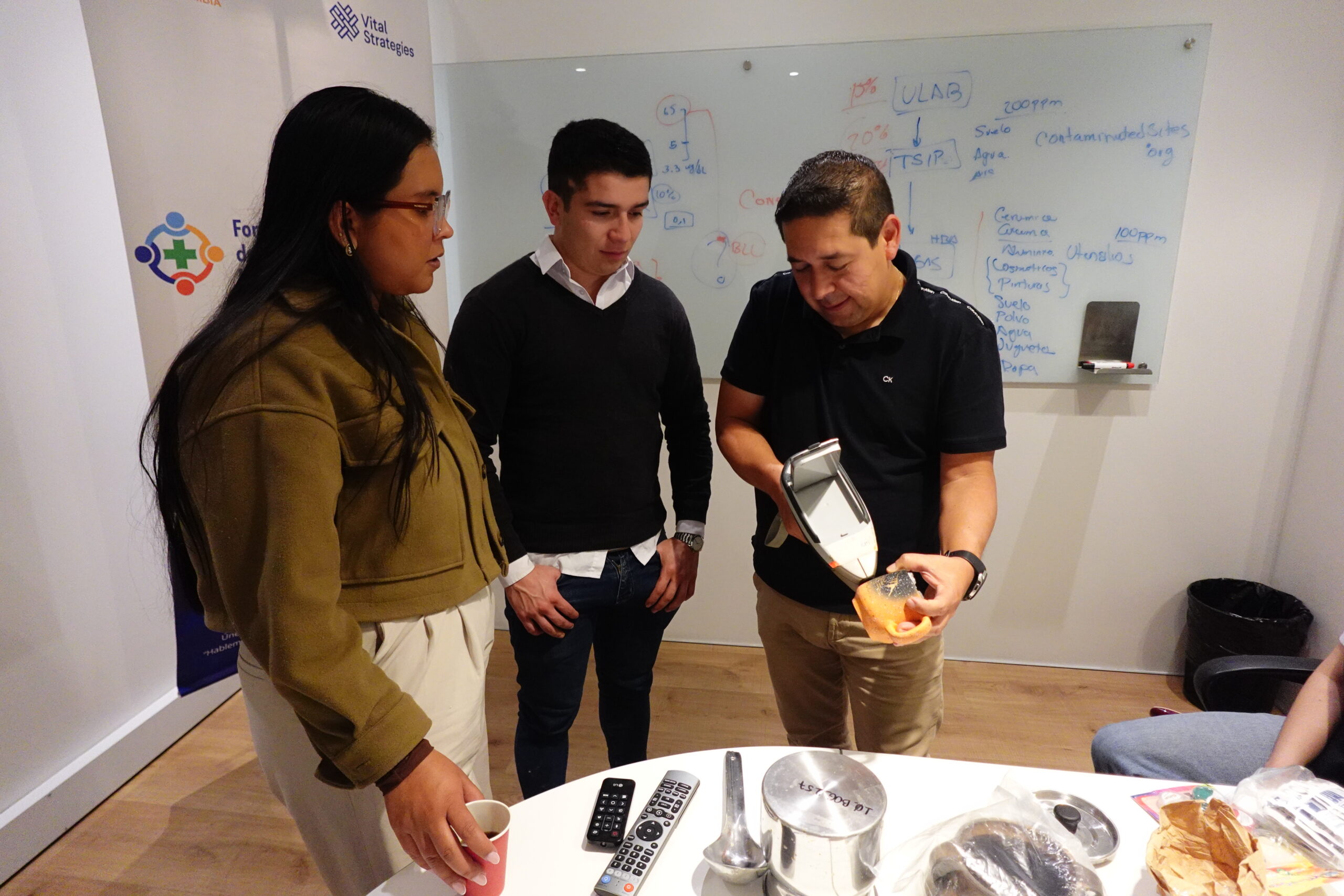
Building on this evidence, Pure Earth strengthened national capacity to identify and respond to lead exposure through the Strengthening Health Systems to Reduce Lead Exposure project in Colombia, This work included a study on the prevalence of lead exposure in children in urban areas of Colombia combining blood lead level (BLL) biomonitoring with the identification of potential sources of exposure, and implemented in coordination with local Health Secretariats. In addition, technical awareness and knowledge-sharing activities were conducted in collaboration with the Pan American Health Organization (PAHO) and the Colombian Public Health Association, contributing to increased understanding of lead exposure risks among health sector actors and communities.
In parallel, Pure Earth continued its engagement on mercury contamination associated with mining activities through collaboration with the Ministry of Mines and Energy and the National Mining Agency, and through its participation in the PAS Alliance, focusing on the application of technical solutions to reduce mercury pollution from mining tailings. Together, these efforts reflect a differentiated yet complementary approach to addressing lead and mercury risks in Colombia, aligned with national priorities in public health, environmental governance, and responsible mining.
Egypt: Protecting women and children through coordinated action
In Egypt, Pure Earth partnered with the Coptic Evangelical Organization for Social Services (CEOSS) to launch Phase 2 of the Protection of Women and Children from Impacts of Lead Poisoning project. A national conference convened parliamentarians, ministries, academics, civil society, and media to set priorities for expanded medical surveys, worker education, access to care in marginalized areas, transitions to lead-free alternatives, and sustained policy collaboration.

Ghana: Evidence to action on cookware and legacy contamination
In Ghana, Pure Earth advanced its work on lead exposure from traditional metal cookware and legacy contamination. Teams conducted lead exposure assessments in 13 schools, tested 84 consumer products—primarily cookware and food—and supported ongoing stakeholder engagement through the Coalition Against Lead Pollution in areas affected by informal used lead-acid battery recycling.

A major milestone was the remediation of a highly lead-contaminated legacy site in Bremang in the Ashanti Region, led by the Suame Municipal Assembly with support from Pure Earth and the Environmental Protection Authority. At the same time, Pure Earth, the Ghana Health Service, and the Center for Global Development continued preparations for a randomized control trial in Northern Ghana to evaluate cookware and cosmetics exchange programs which entail swapping out contaminated products with safe ones coupled with household education—laying the groundwork for scalable, evidence-based national solutions.
India: Integrating lead surveillance into public health systems
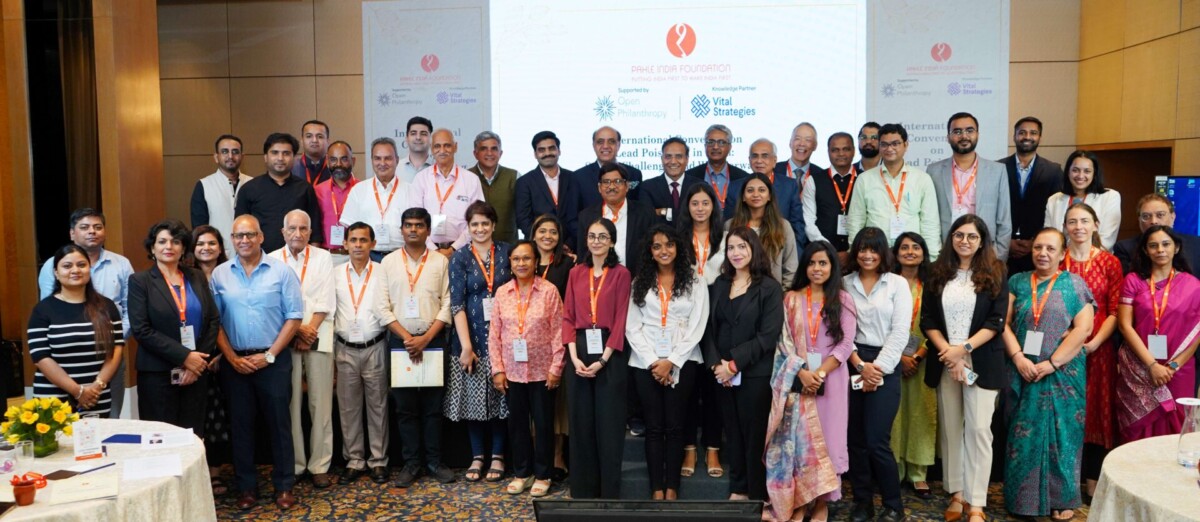
In India, which has the highest number of lead poisoned children in the world, Pure Earth and partners advanced lead surveillance and capacity-building in multiple states.
In Tamil Nadu, teams tested 769 children and pregnant women and conducted household source exposure assessments in collaboration with state health authorities. Pure Earth also continued interventions to reduce lead exposure from metal cookware by assessing how, when, where, and why lead enters cookware, and work with regulators and producers to develop lead-free solutions.
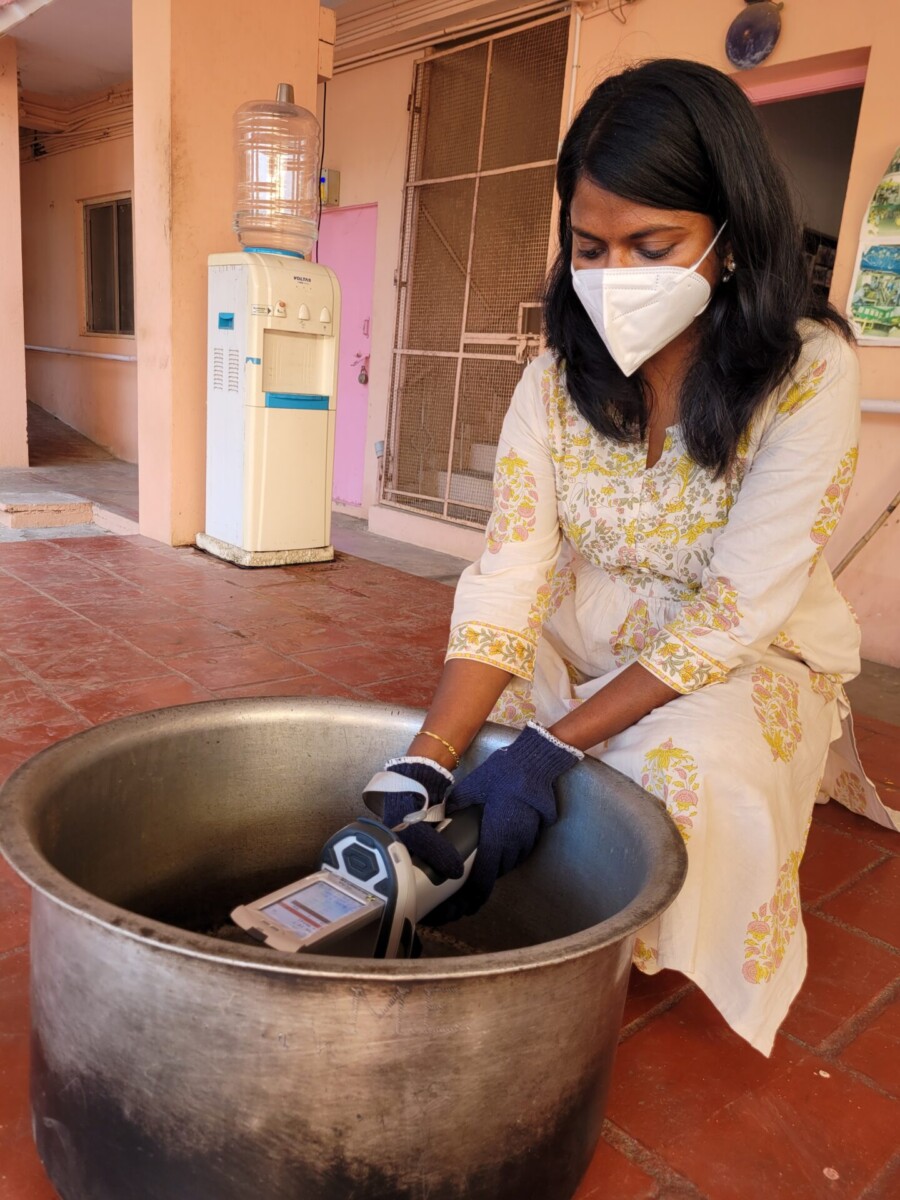
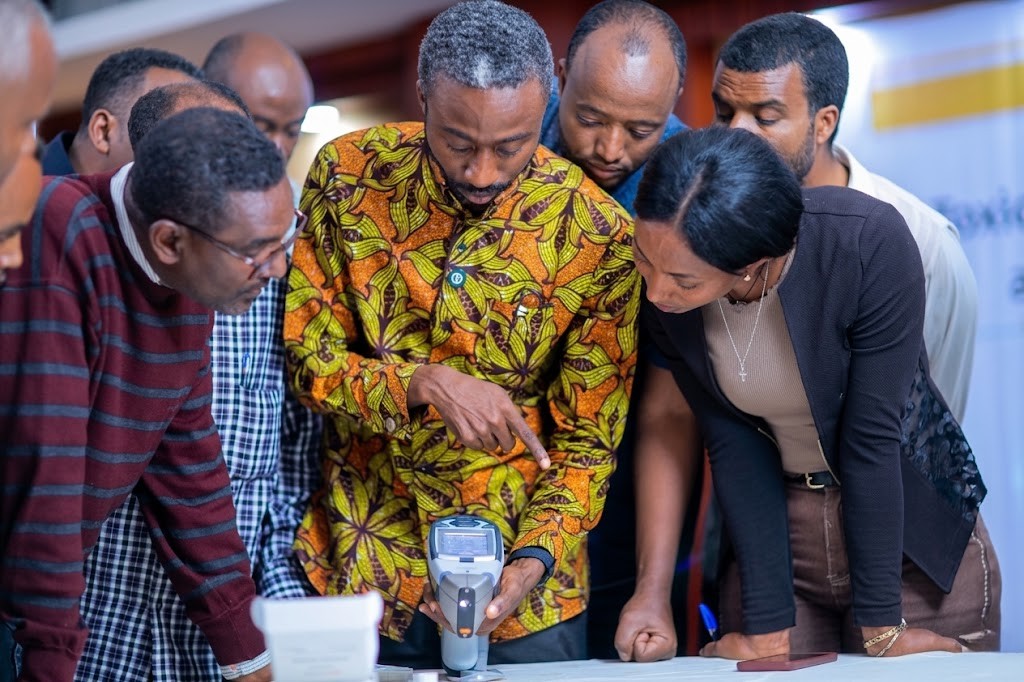
In Maharashtra, Pure Earth continued to integrate lead surveillance into the state health system. In 2025, Pure Earth donated portable blood lead level testing equipment, trained over 100 healthcare workers in their use, and began integrating lead data into India’s Integrated Health Information Platform. The Maharashtra Public Health Department collaborated closely with partners to deliver workshops, develop awareness materials, and plan a large-scale training rollout targeting 1,500 health professionals and 13,000 community health workers, embedding lead exposure prevention into routine health services.
In Northern India (Bihar, Jharkhand, and Uttar Pradesh), Pure Earth’s interventions aim to support regulatory development, supply chain analysis, and advocacy to reduce lead in spices, particularly turmeric, with previous testing revealing 70% of market samples containing elevated lead. In 2025, Pure Earth met with officials from Ministries of Health, Food and Safety Agencies, and the spice industry to update regulations and improve enforcement.
Indonesia: Advancing blood lead surveillance and reforming used lead-acid battery life-cycle management
In Indonesia, the first phase of a national Blood Lead Surveillance pilot officially launched in 2025. Implemented by Yayasan Pure Earth Indonesia and Vital Strategies in collaboration with the Ministry of Health and the National Research and Innovation Agency, the pilot has tested over 1,600 children across 12 locations, completed 328 household assessments, trained more than 130 healthcare workers and sanitarians, strengthened the capacity of more than 120 community health cadres, and strengthened laboratory capacity through the provision of portable blood lead testing equipment: LeadCare II analyzers. Surveillance data is now being integrated into Indonesia’s national health information platform.
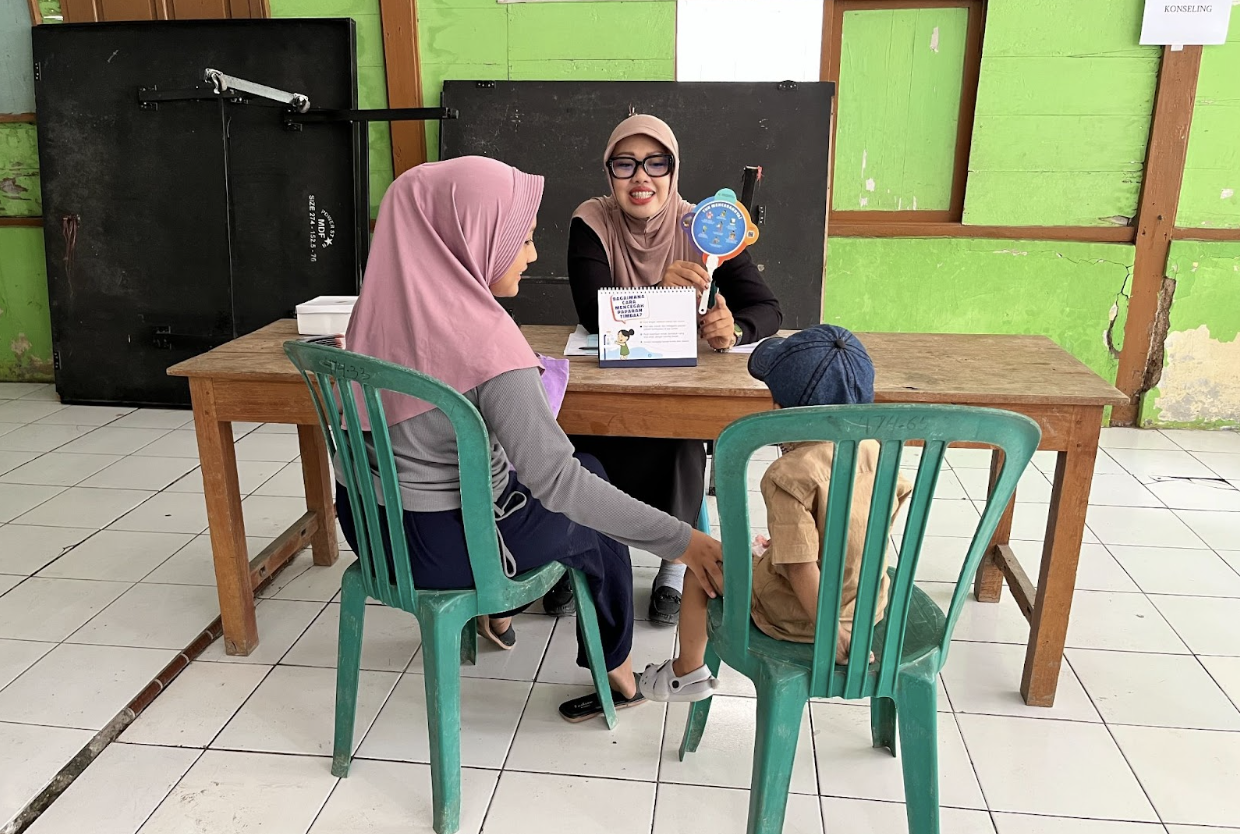
Complementing this work, Yayasan Pure Earth Indonesia researchers examined lead contamination in metallic cookware used in schools, finding widespread contamination and inadequate regulatory standards. In parallel, the team partnered with the Ministry of Environment and the Basel and Stockholm Convention Regional Centre for Southeast Asia (BSCRC-SEA) to launch a new initiative to improve environmentally sound practices in used lead-acid battery recycling, a significant source of lead exposure. Activities include conducting supply-chain analyses, providing regulatory guidance, training local officials in environmental assessment, and increasing community awareness in coordination with government and regional partners.
Kyrgyzstan: Building a national foundation for lead surveillance
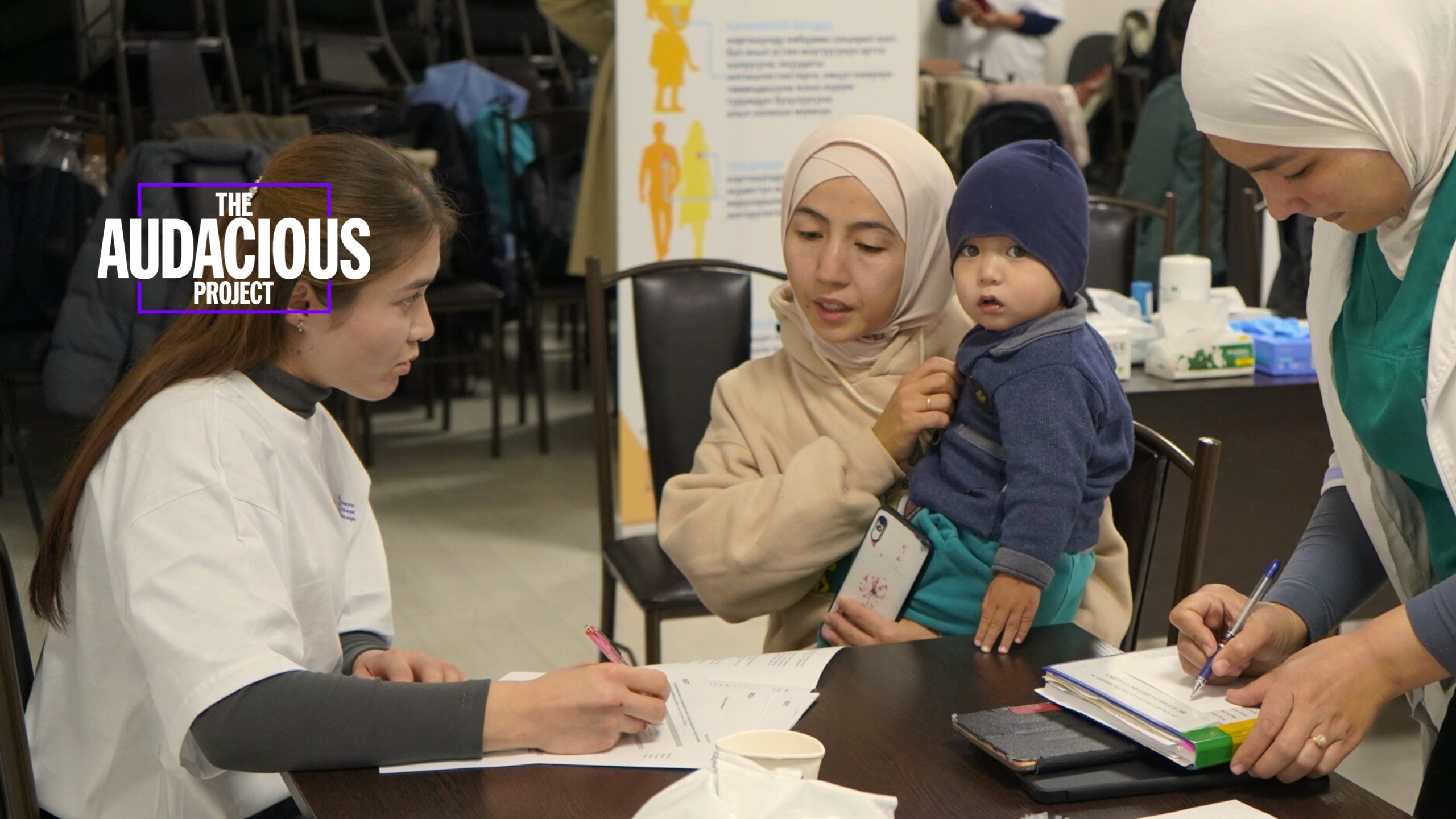
In Kyrgyzstan, Pure Earth’s Strengthening Health Systems to Reduce Lead Exposure project supported the country’s first-ever national blood lead survey, testing 1,103 children and conducting 188 home-based lead exposure source assessments using XRF analyzers and portable blood lead testing devices. Investigations across schools, markets, and homes identified lead-based paint as a major exposure source, with concentrations reaching up to 202 times safe limits.
In response, Pure Earth and the Ministry of Health began developing a national clinical manual on lead poisoning and establishing Kyrgyzstan’s first reference laboratory for heavy metals testing, including ICP-MS capacity—creating a durable foundation for diagnosis, surveillance, and response.

Indira Zhakipova, Programme Manager, Ekois-Bishkek, and Pure Earth consultant, was honored with an award from the Kyrgyzstan Department of Disease Prevention and State Sanitary and Epidemiological Surveillance “For Special Merit and Excellence in Public Health,” recognizing Zhakipova’s work advancing public health in Kyrgyzstan through the project.
Peru: National alignment and mercury-free livelihoods
In Peru, Pure Earth advanced both lead exposure prevention and mercury-free artisanal gold mining.
Madre de Dios, Peru is one of the world’s major hot spots for mercury pollution caused by artisanal and small-scale gold mining, impacting human health and devastating the environment. Pure Earth launched a new project, Supporting Women Gold Miners: Sustainable Livelihoods, Restored Environments, funded by Brilliant Earth. Building off our proven program model, this project is strengthening women-led mining organizations to use mercury-free mining practices, re-forest mined areas, and access ethical markets, supporting safer livelihoods alongside environmental recovery.
In October 2025, Peru’s National Center for Epidemiology, Prevention and Disease Control (CDC) held the official launch of the Strengthening Health Systems to Reduce Lead Exposure project in Peru. Jointly implemented with the Ministry of Health (MINSA), Pure Earth, and Vital Strategies, the project aims to strengthen Peru’s healthcare system to better collect and analyze childhood lead exposure data, train health professionals, identify lead sources, and develop cost-effective policies to address the root causes.
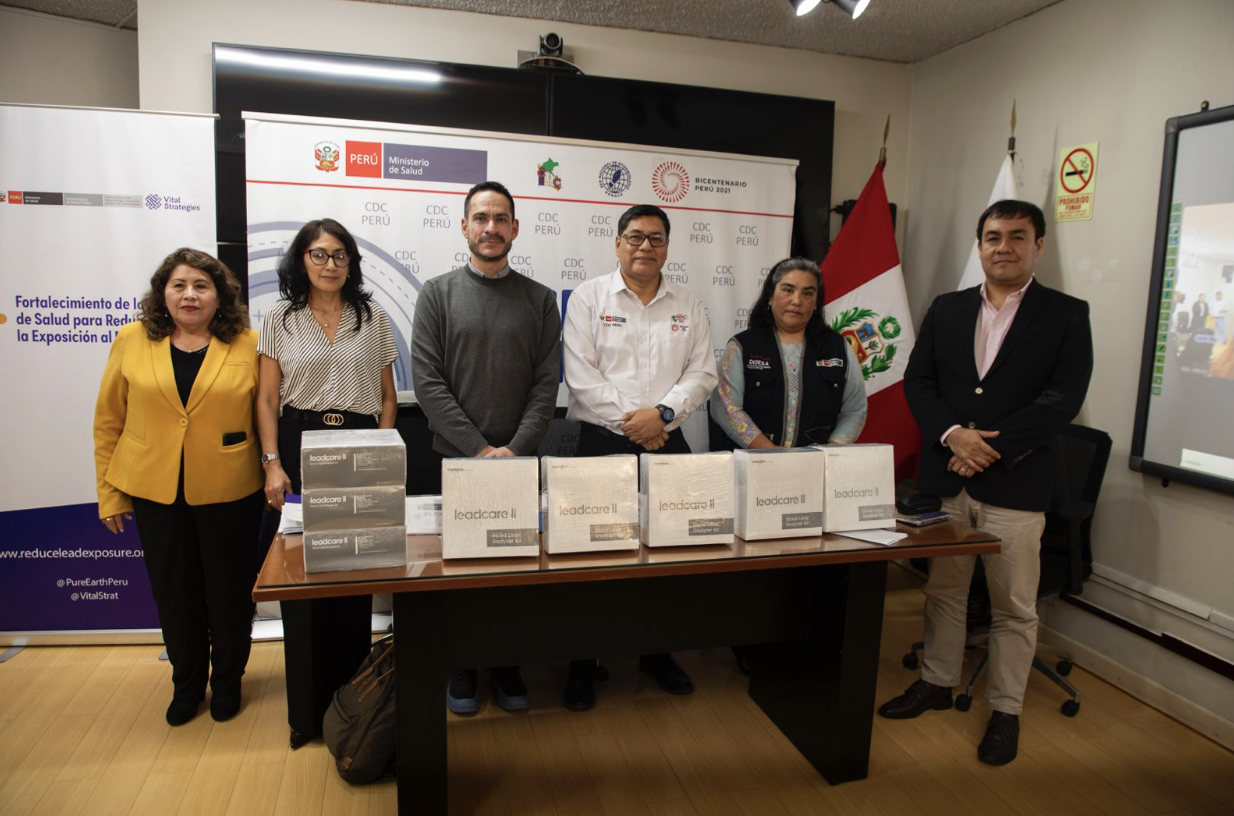
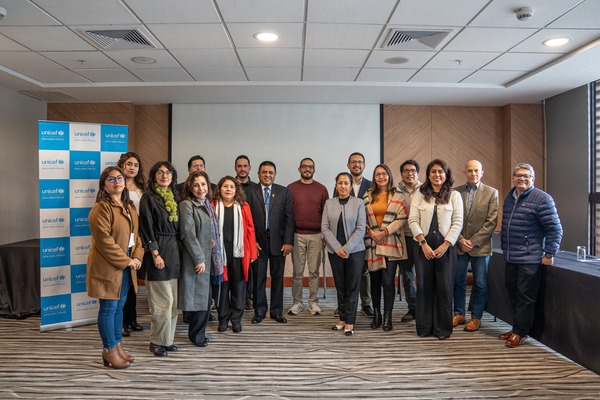
In addition, Pure Earth Peru and UNICEF Peru signed an MoU to strengthen joint efforts to prevent and reduce lead exposure, particularly among children and adolescents.
Both of these advances mark a major step toward building a coordinated national response to lead poisoning and protecting children’s health in Peru.
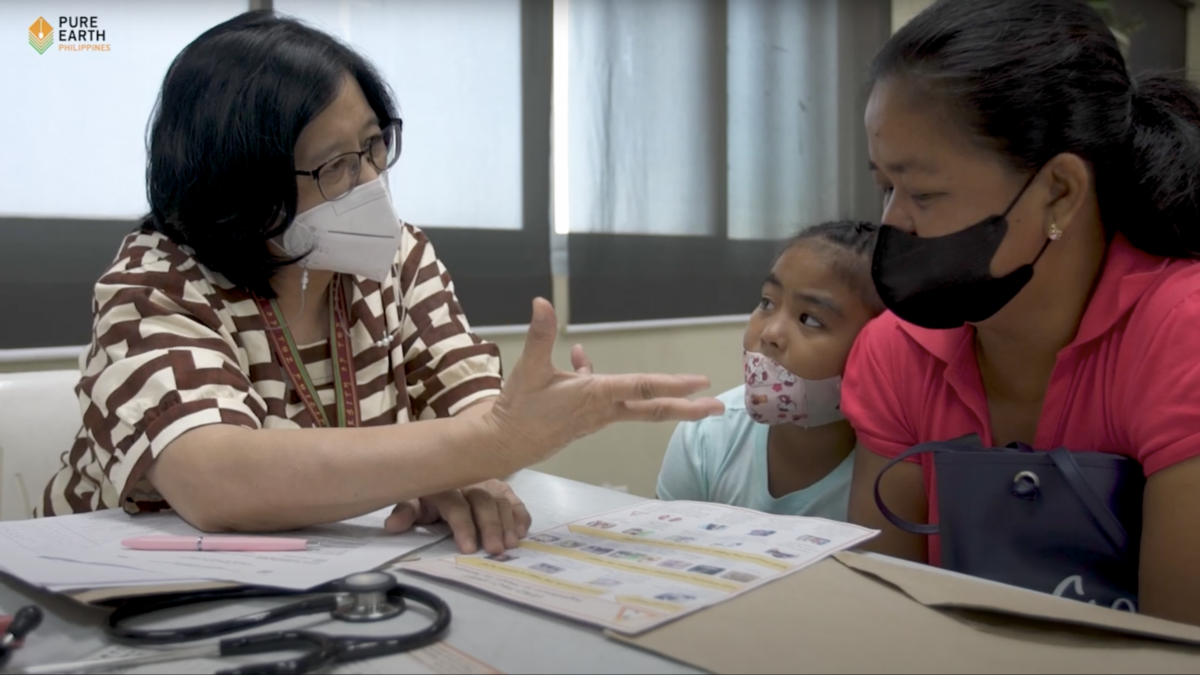
Philippines: Supporting government-led blood lead surveillance programs
Pure Earth Philippines partnered with the City Government of Valenzuela to launch the country’s first city-led BLL screening program. 3 of 29 children (10.34%) had levels equal or above the US blood lead reference value (3.5 µg/dL). The findings informed a multi-stakeholder dialogue that highlighted the urgent need to institutionalize lead-prevention programs nationwide, especially for children with disabilities.
Valenzuela City has since taken a leadership role by implementing its own local lead monitoring program, setting an example for other cities in the Philippines. Pure Earth Philippines celebrated the country’s first city-led blood lead surveillance program during International Lead Poisoning Prevention Week 2025. Pure Earth Philippines donated a LeadCare II Analyzer and blood lead testing kits to the City, along with a Commendation for this pioneering achievement. Valenzuela launched a Lead Exposure Prevention and Child Protection Ordinance, reaffirming its commitment to a lead-free future.
Pure Earth Philippines also collaborated with the government to enact a National Environmental Health Action Plan, which requires government agencies to integrate 10+ lead-related action points into their policies and programs.
The Innovation Lab: Research that informs global action
In 2025, Pure Earth launched the Innovation Lab, the research hub of our Technical Support and Research department, to strengthen the evidence base for global action on toxic pollution. Led by founder and former CEO Richard Fuller, the Innovation Lab identifies critical knowledge gaps and designs applied research to improve understanding of lead, mercury, and other toxic exposures, while advancing cost-effective, scalable solutions to protect health worldwide.
In the past year, Pure Earth researchers published nine peer-reviewed papers and contributed to three major international conferences: the Athens Institute’s 19th Annual Symposium on Environment, the APECG 6th Scientific Symposium, and the World Health Summit in Berlin. At the World Health Summit, President Drew McCartor presented progress and remaining gaps in global lead poisoning prevention.
In June 2025, Pure Earth and ISCHE co-hosted a virtual research briefing, New Findings on Blood Lead Levels in Georgia, Cookware Contamination, and a Lead Burden Index Tool. The event showcased three new studies on global lead exposure and health impacts and attracted 162 participants worldwide.
These efforts were supported by a strong portfolio of peer-reviewed research on lead exposure in homes and foodware, long-term reductions in blood lead following regulatory action, lead leaching from aluminum cookware across low- and middle-income countries, and new tools to estimate population-level lead burden. Together, these studies strengthen the global evidence base and inform more effective standards, surveillance, and interventions.
Peer-reviewed publications authored by Pure Earth researchers in 2025 include:
- Industry and consumer products as lead exposure sources among children across 3 regions in Ghana. Nash et al. Environmental Research, December 2025.
- Evaluation of Three Traditional Curing Methods Applied in Mexican Lead-Glazed Ceramics: Detection, Concentration, and Leaching of Lead to Food. Rodríguez Hernández et al. Processes, August 2025.
- A Review of Lead Exposure Source Attributional Studies. Kinally et al. Science of the Total Environment, August 2025.
- Assessment of Blood Lead Levels in 2–7 Year-Old Children in Poti, Georgia, 2023: A Pilot Study of Environmental Lead Exposure Sources. Bainduri et al. Environmental Research, August 2025.
- Lead Exposure in Homes as Modifying Factors of Blood Lead Levels Among Young Children in Bihar, India. Nash et al. Environmental Monitoring and Assessment, July 2025.
- Potential Lead Exposure from Aluminum Cooking Pots in Lower- and Middle-Income Countries. Binkhorst et al. Journal of Hazardous Materials, April 2025.
- Cumulative Population Blood Lead Levels. Fuller et al. BMJ Global Health, March 2025.
Pure Earth in the news
Pure Earth’s media coverage reached more than 200 million people worldwide, with features in outlets including Vox, AFP, Devex, El Financiero, Africanews, the Associated Press, Nepali Times, USA Today, and Environmental Health News. In the Stanford Social Innovation Review, President Drew McCartor co-authored an article on building a global lead surveillance network.
Pure Earth’s work was also highlighted in major international stories, including AFP and TRT World’s investigations into Bangladesh’s used lead-acid battery crisis; Vox’s Future Perfect coverage on effective giving (Want to help save the most lives possible? and How to buy a year of happiness, explained in one chart); DW and The World’s reporting on mercury pollution from gold mining in Peru; and Devex’s examination of the growing global movement to eliminate childhood lead exposure.
Looking ahead
As global momentum to end lead poisoning continues to build, Pure Earth enters 2026 with stronger systems, deeper partnerships, and proven models for national and multi-country action. Every life protected from lead or mercury exposure represents more than a statistic, it is a child who can grow, learn, and thrive.