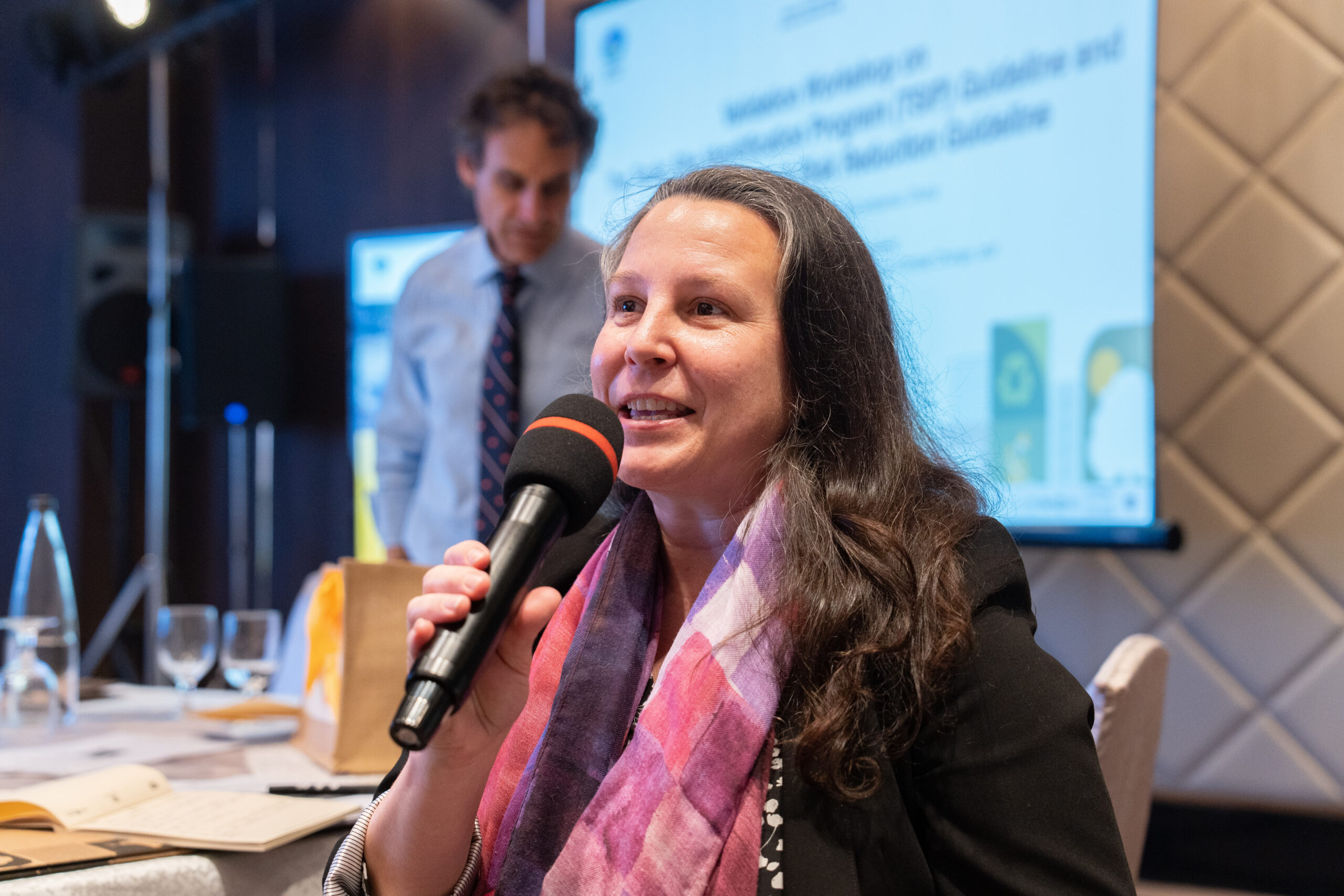

Pure Earth President, Andrew McCartor, and Chief of Staff, Nida Parks, were welcomed by the Pure Earth Ghana team at the airport.
Pure Earth’s commitment to creating a lead-free and healthier environment for communities worldwide was powerfully demonstrated during the recent visit of its President, Andrew McCartor, to Ghana. Accompanied by Chief of Staff Nida Parks and funding advisors, the President’s visit highlighted both high-level government engagement and on-the-ground impacts.
The visit served multiple important purposes, including direct community interaction, project monitoring, high-level government stakeholder discussions, and national media outreach aimed at raising public awareness about the dangers of heavy metal pollution and poisoning, including lead and mercury. Additionally, the visit included the inauguration of the National Lead Technical Working Group.
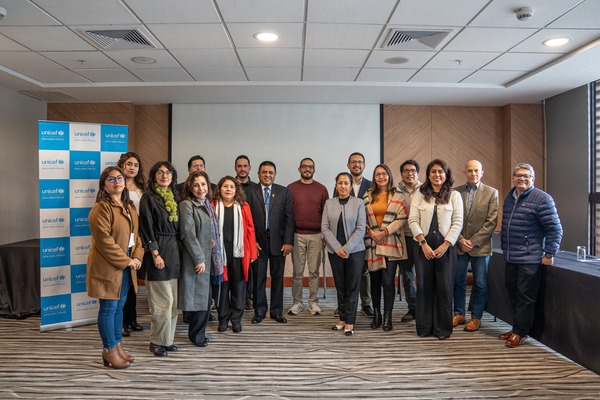
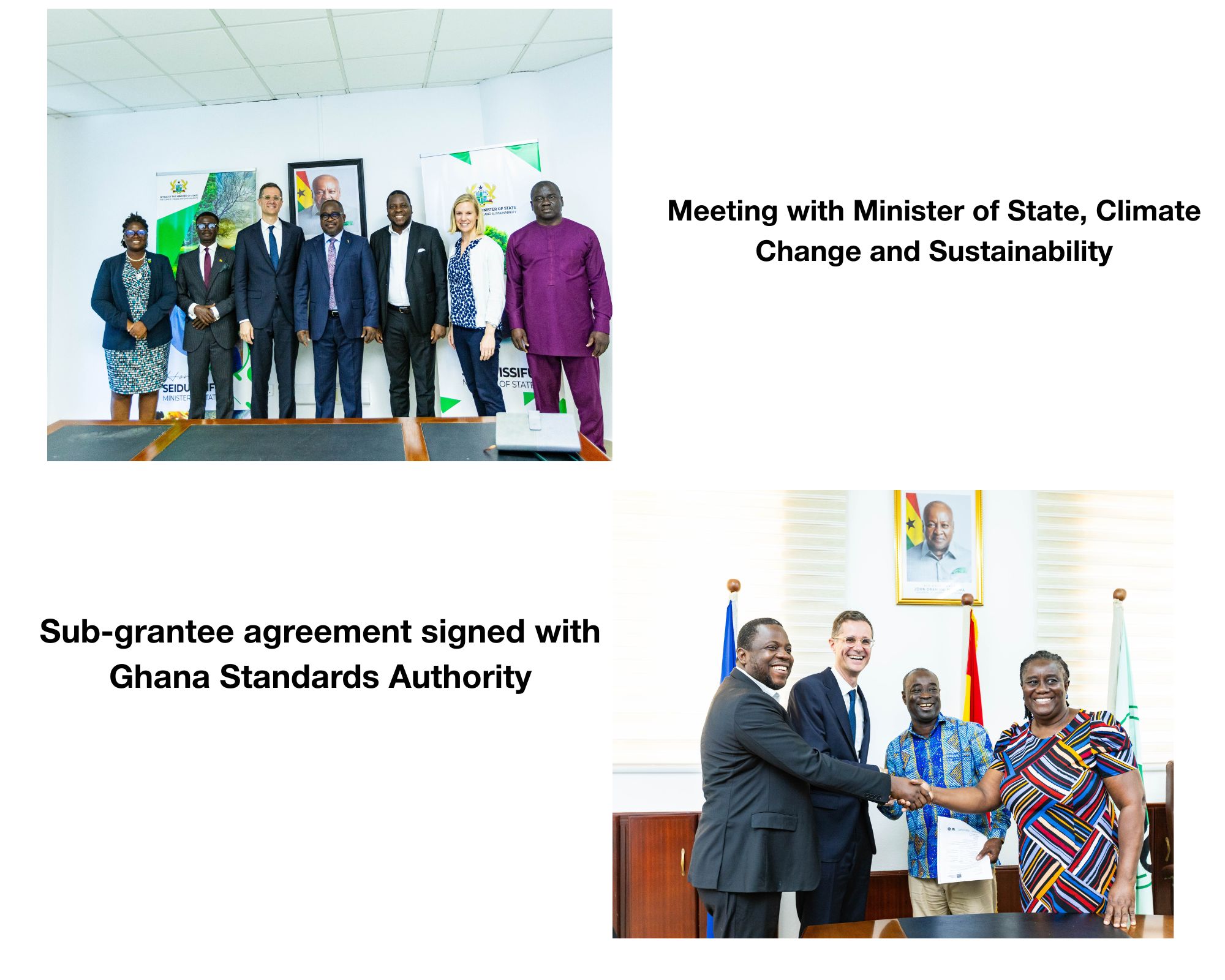
During the visit, the President and team met with national stakeholders, including Hon. Ibrahim Murtala Muhammed, Minister of Environment, Science, and Technology; the Ministry of Health Chief Director, Mr. Desmond Boateng, accompanied by the World Health Organization, Ghana Country Representative- Dr. Fiona Braka; Professor Nana Ama Browne Klutse, CEO of the Environmental Protection Agency (EPA); Dr. Caroline Amissah, Deputy Director of the Ghana Health Service; Hon. Issifu Seidu, Minister of State for Climate Change and Sustainability; the Northern Regional Minister. These meetings reinforced Pure Earth’s commitment to working closely with government partners to align policy, strengthen technical capacity, and scale locally owned and sustainable solutions.
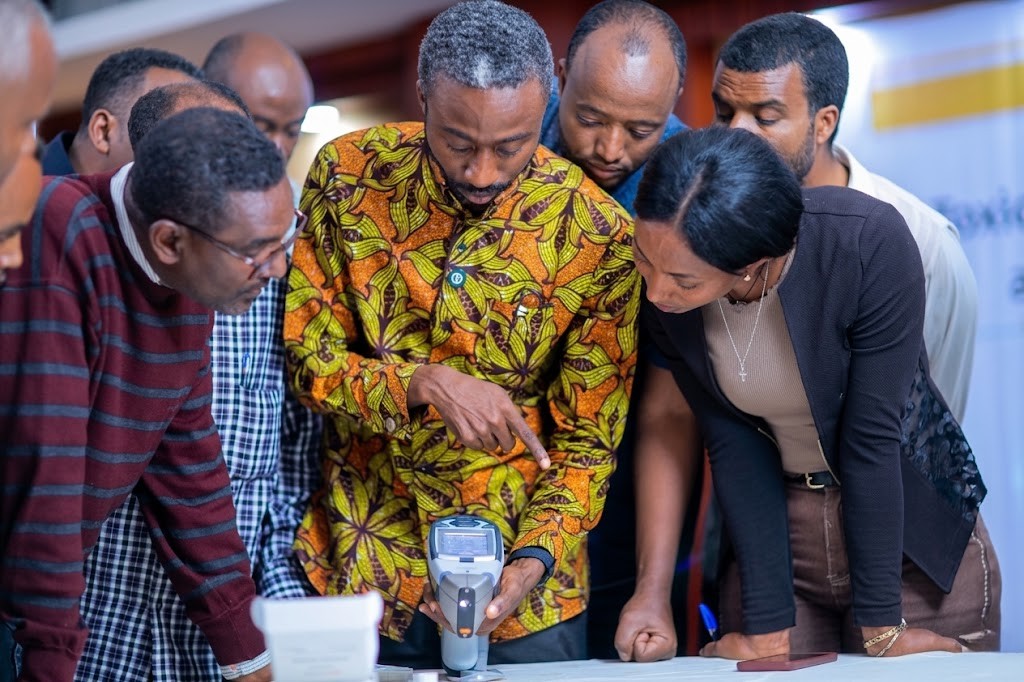
The need for additional technical resources, such as XRF analyzers, for improved environmental monitoring was also discussed, with a focus on building local capacity to manage and mitigate toxic pollution risks.

On the ground, the team visited the Dome market in Accra, to assess consumer products in the market, later met with Mr. Yaw Amoyaw-Osei, Executive Director of Green Advocacy Ghana, at Agbogbloshie, one of the world’s largest informal e-waste sites, and nearby aluminum cookware production facilities. They also visited Ashaiman Fita line, a contaminated and informal site, to assess the extent of environmental contamination and understand the operational practices within the informal sector. These visits provided firsthand insight into the sources of environmental contamination and highlighted the urgent need for safer recycling practices and stronger enforcement to protect workers and surrounding communities.

The team also visited the Recyclers Ghana ULAB site at Shai Hills to observe operations and tour the state-of-the-art plant, gaining practical insights that can inform future capacity-building efforts in informal recycling ULABs.
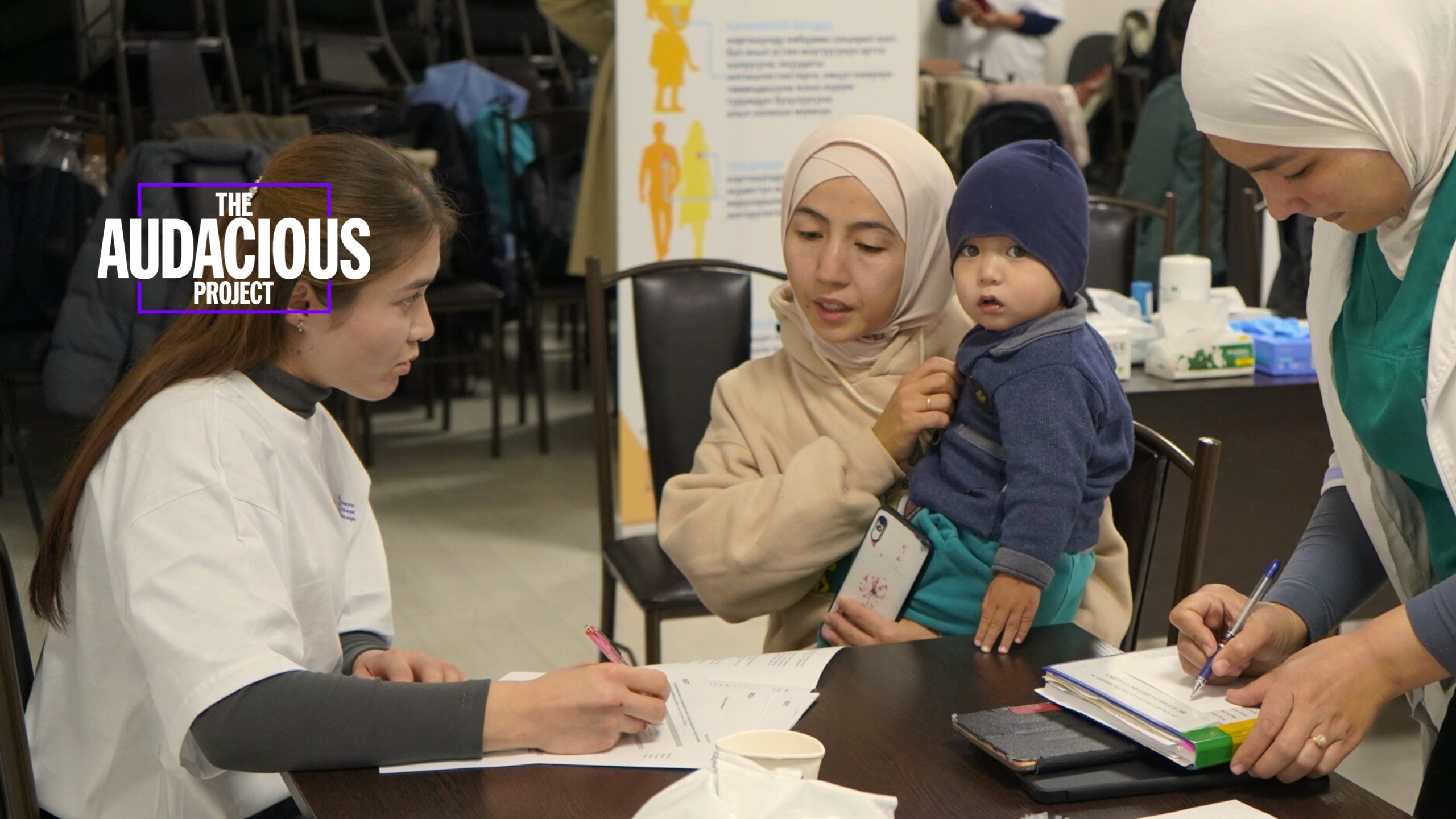
In Northern Ghana, the President and delegation visited households that benefited from the RCT item exchange study, which supports families in replacing contaminated cookware and cosmetics with safer alternatives. By observing the study process and engaging directly with beneficiaries, the team gathered valuable feedback on how the new items are improving daily life and reducing lead exposure. Insights from these household interactions are already shaping the next steps for scaling the initiative.
Furthermore, they paid a courtesy call on the Tolon Chief in Northern Ghana, formally informing him about the conclusion of the Randomized Controlled Trial (RCT) item study project. The meeting was an opportunity to introduce the headquarters team, and funding advisors and discuss how traditional leadership and local communities can continue to play vital role in addressing lead contamination and poisoning.
A key highlight of the visit was the inauguration of the National Lead Technical Working Group, which aims to harmonize national strategies and actions to effectively address lead pollution. Led by the EPA, the Technical Working Group will provide strategic oversight, facilitate multi-sectoral coordination, drive the national agenda toward the comprehensive elimination and management of lead exposure, and develop a National Roadmap.
The President and Africa Regional Program Director, Rev. Dr. Esmond Wisdom Quansah, engaged with leading Ghanaian TV and radio stations to raise public awareness about the dangers of lead pollution and poisoning, its devastating impacts on children and families, and the concrete steps Pure Earth and its partners are taking to tackle this hidden public health threat.

Additionally, a strategic sub-grantee agreement was signed with the Ghana Standards Authority to develop standards for aluminum cookware. This visit demonstrated that lasting change is possible when communities, traditional leaders, government agencies, donors, and civil society work together toward a common goal: protecting families and future generations from the silent dangers of lead and mercury exposure. As Pure Earth continues to expand its impact in Ghana and beyond, this visit reinforced a powerful message: a cleaner, safer, and healthier future is within reach, but only if we build it together.
For enquiries, please contact
Nana Agyei Sikapa Ofosu-Manu
Communications Officer
Pure Earth Ghana
[email protected]/ +233558182560