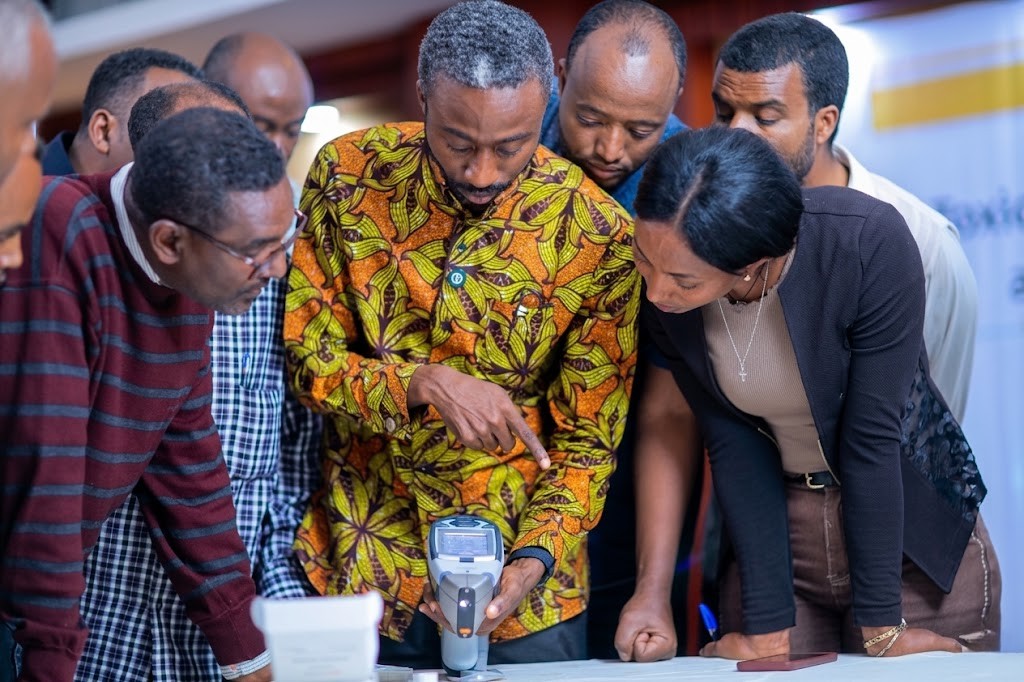
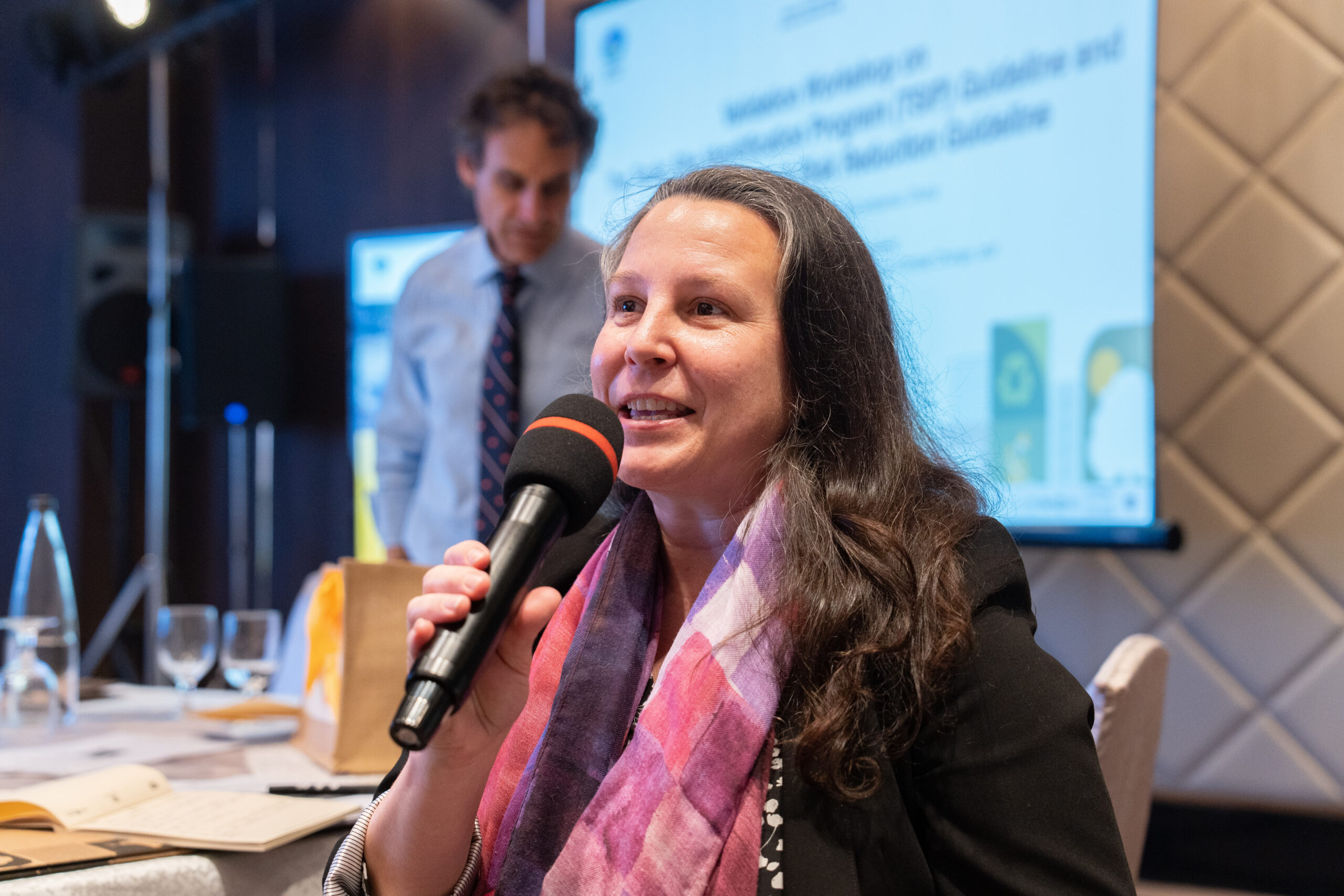
Activities are now underway under the “Strengthening Health Systems to Reduce Lead Exposure” project in the eight Regional and Integrated Health Directorates prioritized by Peru’s Ministry of Health (MINSA). The initiative focuses on strengthening epidemiological and environmental surveillance, building the capacity of health professionals, and preventing the risks associated with lead exposure.
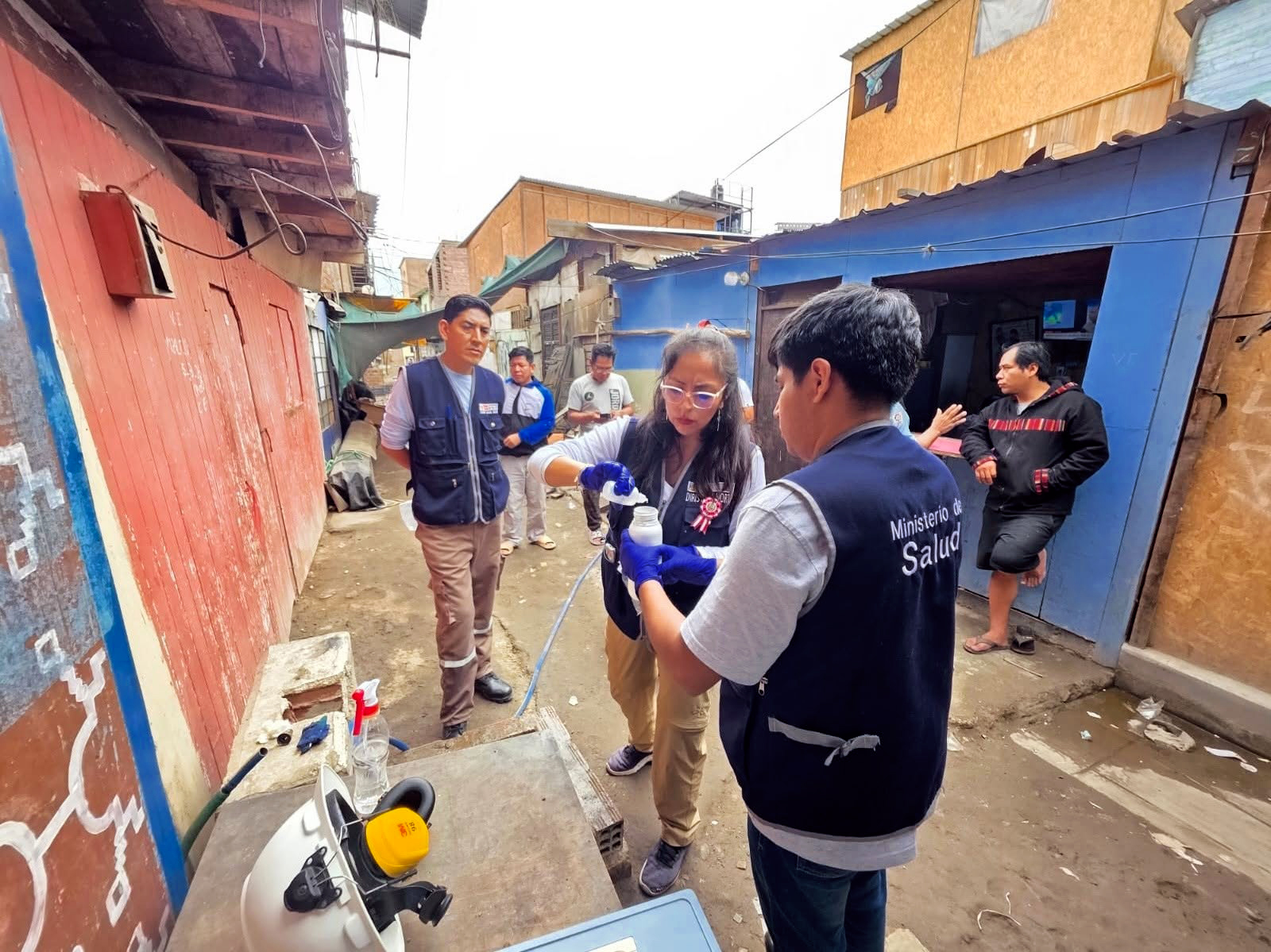
Pure Earth Peru continues to advance the “Strengthening Health Systems to Reduce Lead Exposure” project, implemented in partnership with Peru’s Ministry of Health (MINSA) and Vital Strategies to strengthen the country’s response to this important public health challenge.
Strengthening Environmental and Epidemiological Surveillance
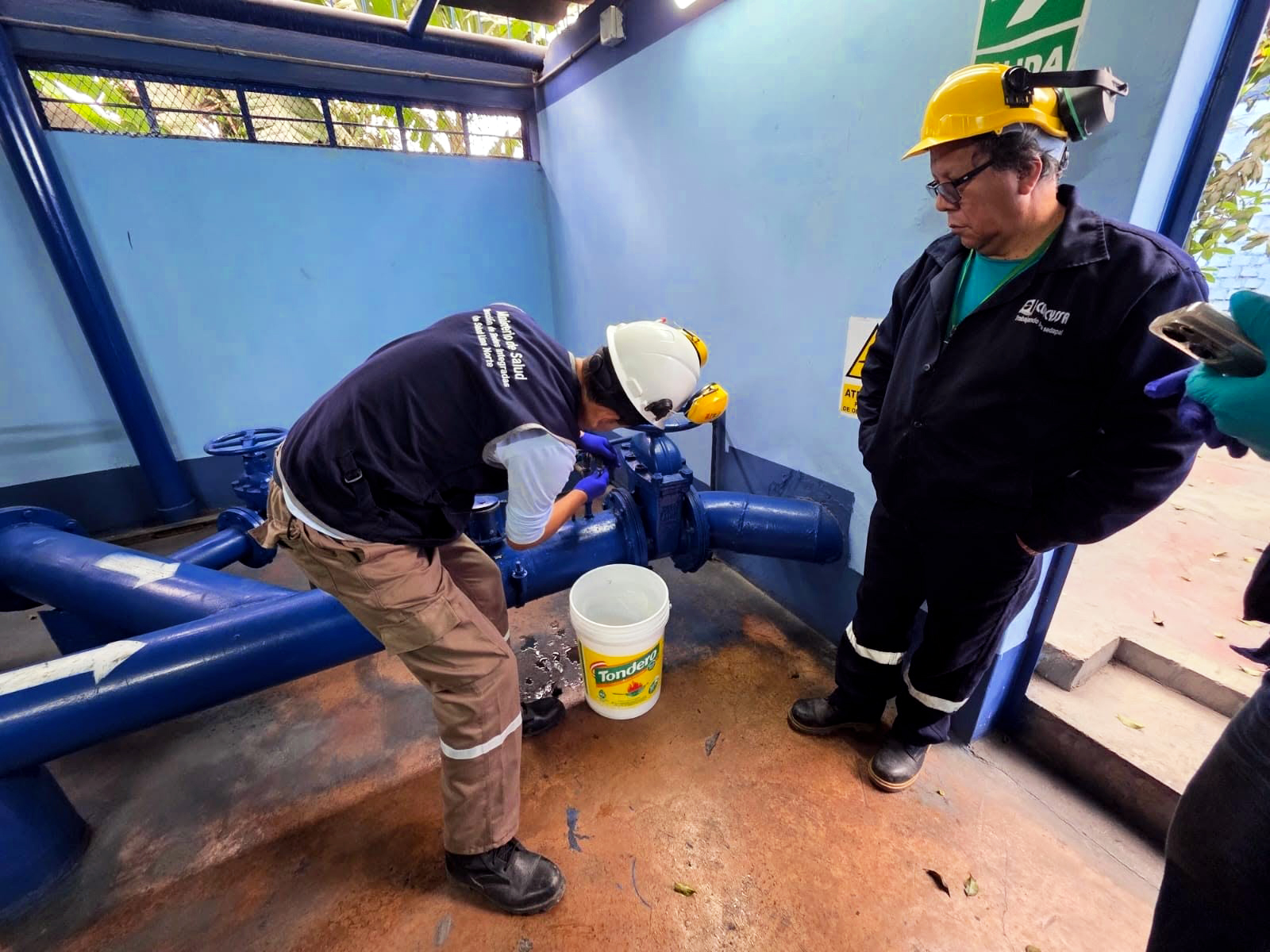
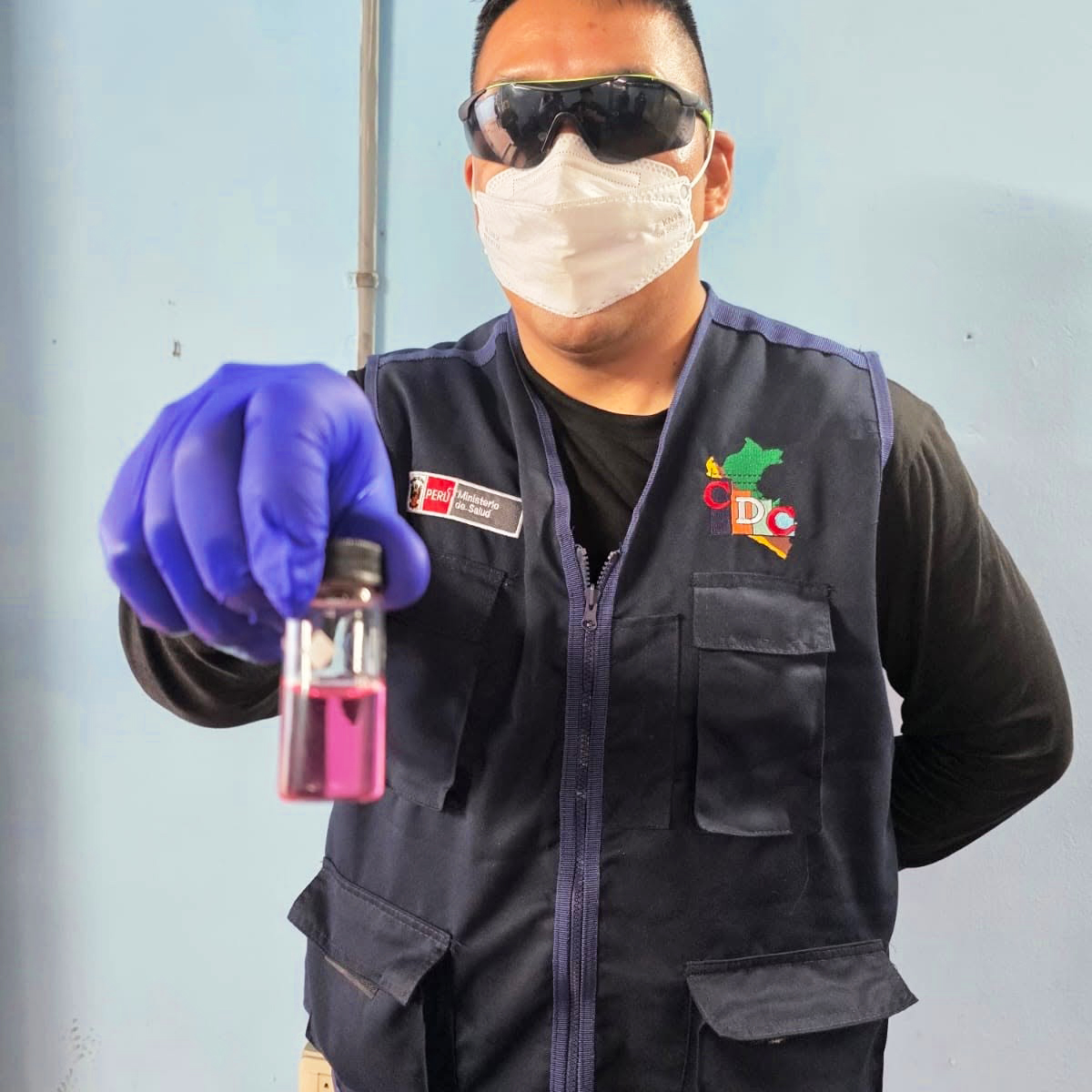
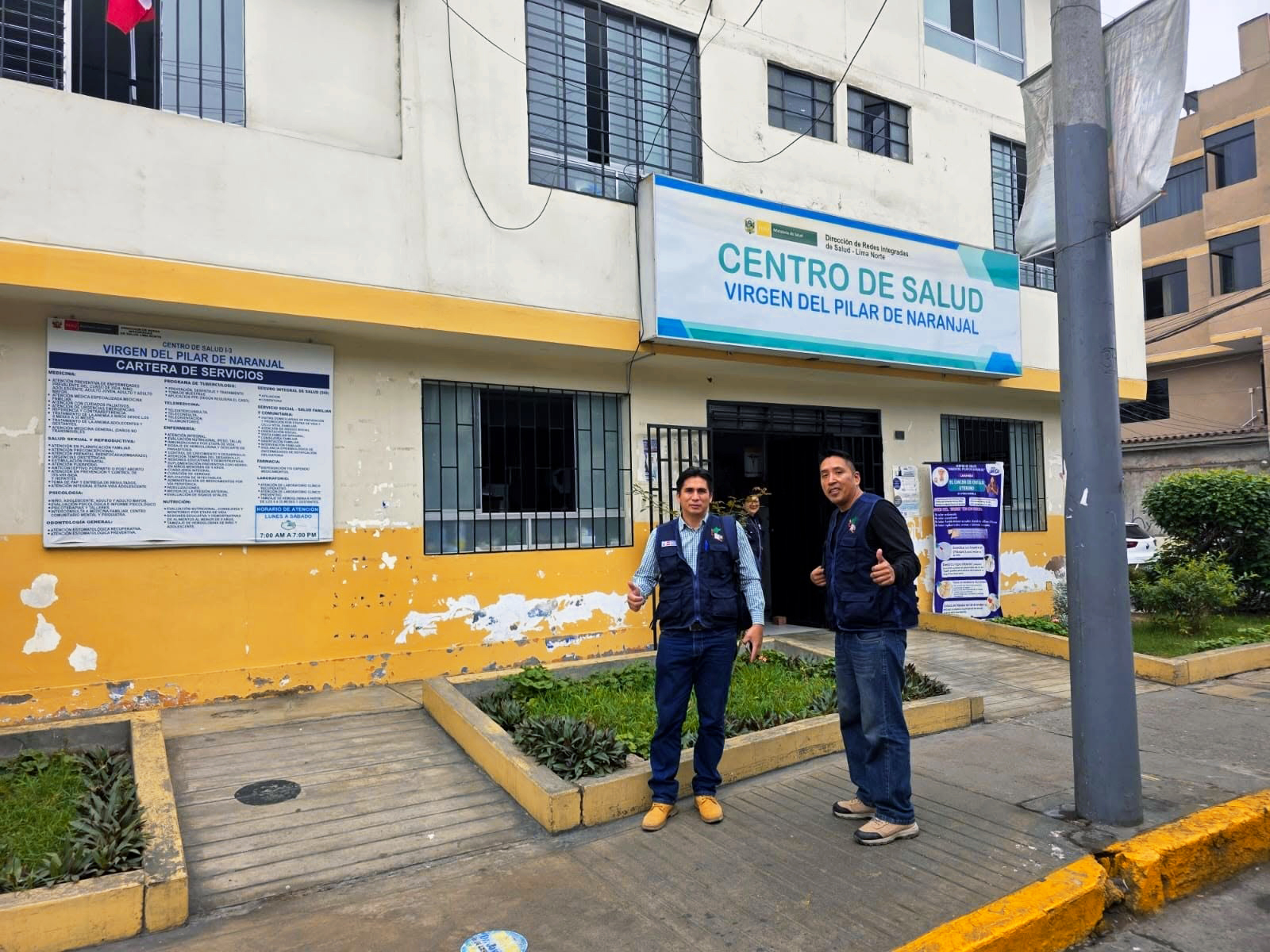
As part of the project, the Lima North Integrated Health Directorate (DIRIS Lima Norte) recently expanded its environmental health surveillance activities within its jurisdiction. Through its Environmental Health team, and in coordination with the General Directorate of Environmental Health and Food Safety (DIGESA), residential soil and drinking water quality assessments were conducted at health facilities located in the districts of Carabayllo, San Martín de Porres, and Rímac.
The collected samples were sent to an accredited laboratory for analysis, generating valuable information that will support the early identification of environmental risks and help inform public health decision-making.
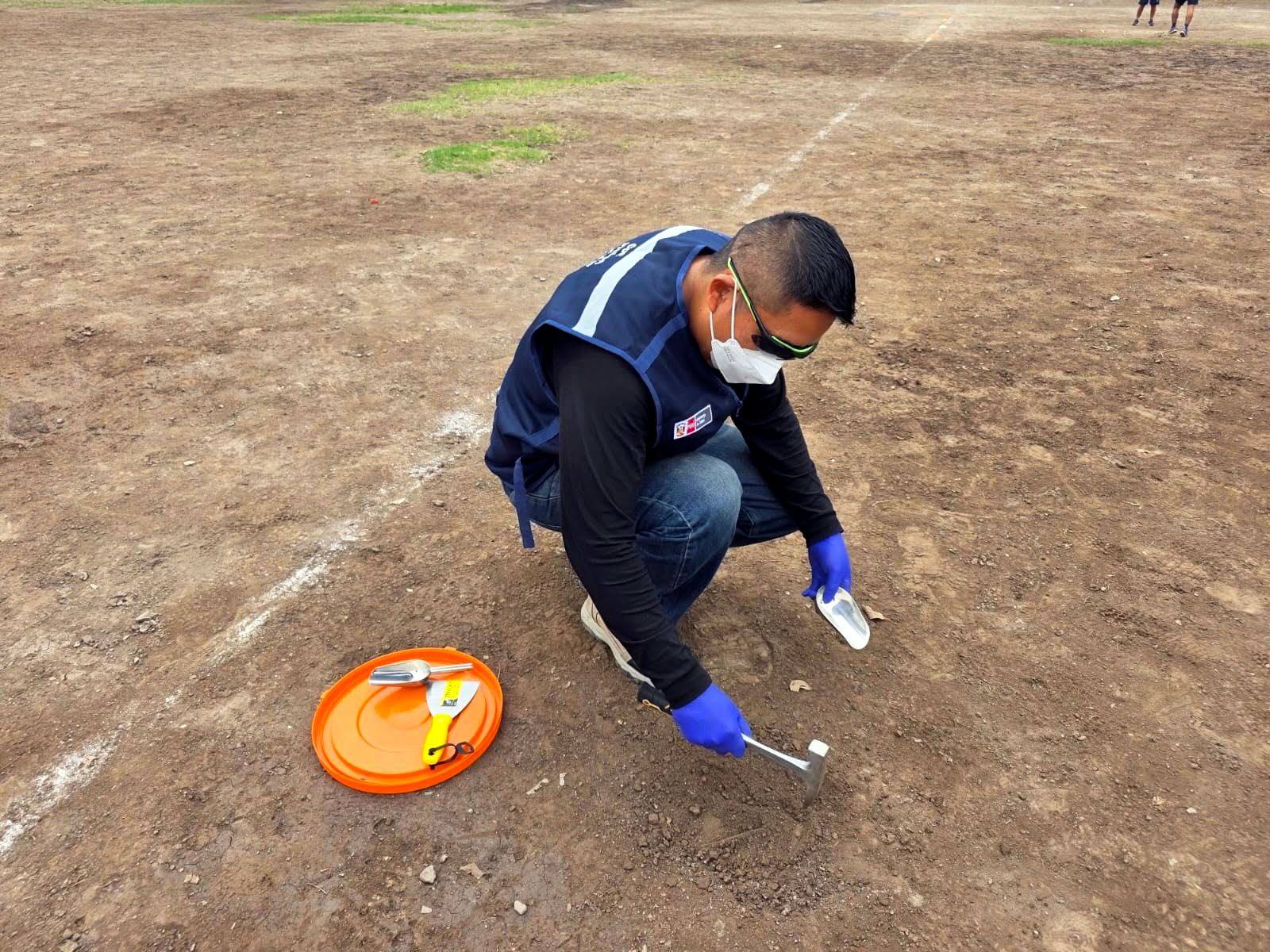
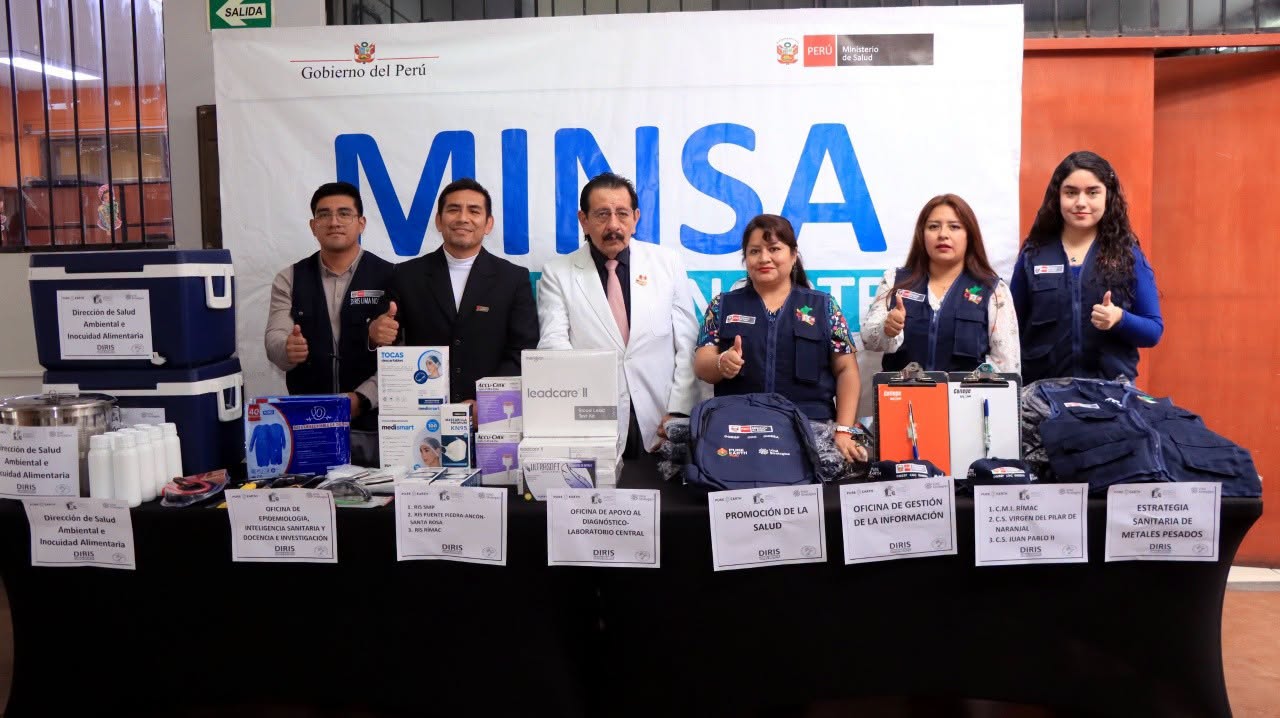
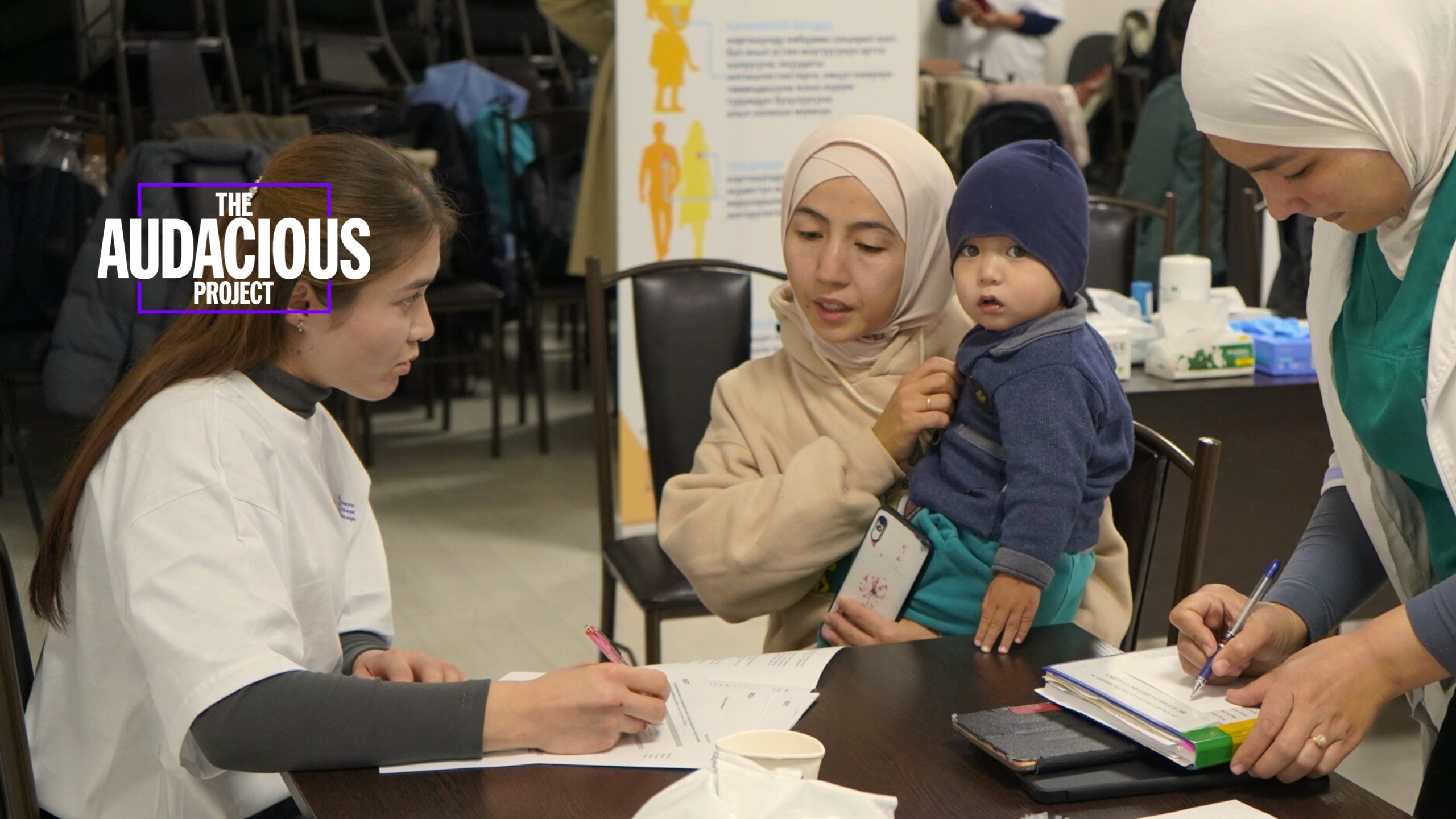
These activities build on the recent implementation of sentinel surveillance for lead exposure in the jurisdiction. As part of this effort, Pure Earth Peru provided specialized equipment, supplies, and materials to strengthen the capacity of technical teams and healthcare personnel, including LeadCare II blood lead analyzers.
According to Carlos Cabrel, Pure Earth Peru’s Lead Projects Coordinator, “Environmental and epidemiological surveillance are essential tools because they allow us to identify risks early and guide interventions before exposure affects people’s health. This enables evidence-based decision-making, supports prevention, and helps integrate these practices into the routine work of the health system.”
A Collaborative Effort to Strengthen Health Systems
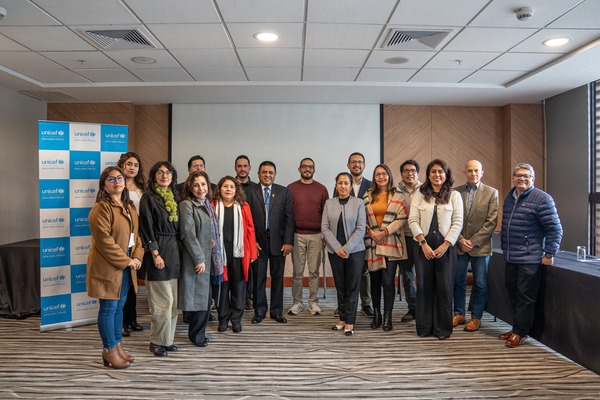
The activities underway in DIRIS Lima Norte are part of a broader strategy that is also being implemented in seven additional Regional Health Directorates (DIRESA) prioritized under the project. The initiative brings together Peru’s Ministry of Health, Pure Earth Peru, Vital Strategies, the General Directorate of Environmental Health and Food Safety (DIGESA), the National Center for Epidemiology, Prevention and Disease Control (CDC Peru), and the General Directorate of Strategic Public Health Interventions (DGIESP).
The project includes strengthening sentinel epidemiological and environmental health surveillance, training healthcare personnel, and generating evidence to help reduce lead exposure, with a particular focus on protecting the health of children.
“Lead exposure is a challenge that requires a strategic, coordinated, and sustained response,” said Rodrigo Velarde, Country Director of Pure Earth Peru. “This project brings together multiple partners around a shared goal: protecting the health of people in Peru. At Pure Earth Peru, we believe that partnerships like these are essential to creating meaningful and lasting change.”