

Portable XRF Technology Will Give Environmental Authorities in Ethiopia and Ghana Faster, More Reliable Ways to Detect and Assess Toxic Pollution Risks.
Detecting lead contamination is often the first step in preventing exposure, yet many low- and middle-income countries still lack the tools needed to identify risks quickly and accurately. Without accurate evidence, environmental authorities can be left searching in the dark, unable to identify where contamination is concentrated, trace its sources, or determine where action is most urgently needed.
Now, Ethiopia and Ghana are changing that narrative.
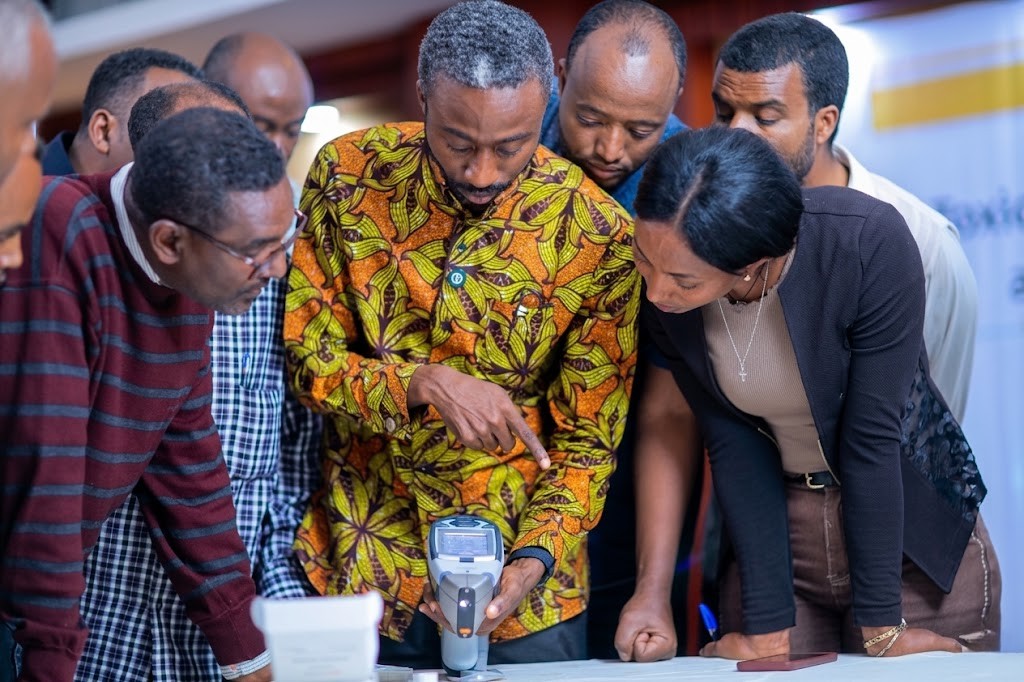
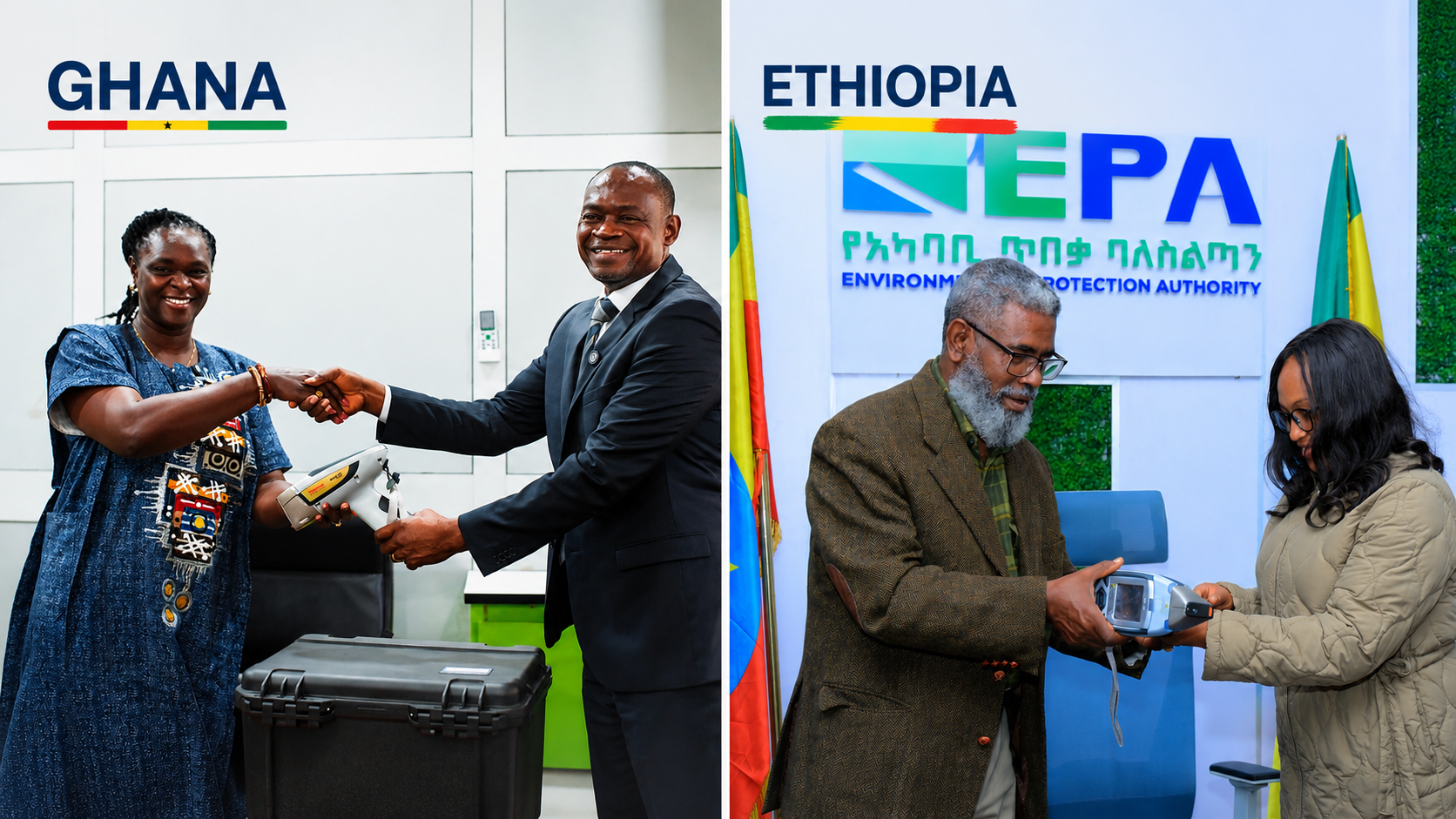
In a significant milestone for environmental health protection, Pure Earth, with funding from the Bloomberg Philanthropies Lead Poisoning Prevention Initiative, has supported the Ethiopian Environmental Protection Authority (EPA) and Ghana’s Environmental Protection Authority through the provision of X-ray fluorescence (XRF) analyzers. The handheld devices enable rapid, non-destructive field screening and measurement for lead and other hazardous metals in soil, dust, paint, consumer products, and environmental samples, supporting national efforts to identify pollution hotspots and make informed decisions to reduce exposure risks.
Ethiopia: A New Tool to Detect Lead Pollution
During the handover ceremony in Ethiopia, Frenesh Mekuria, Deputy Director General of the Ethiopian Environmental Protection Authority (EPA), underscored the broader significance of the technology and the partnership behind it.
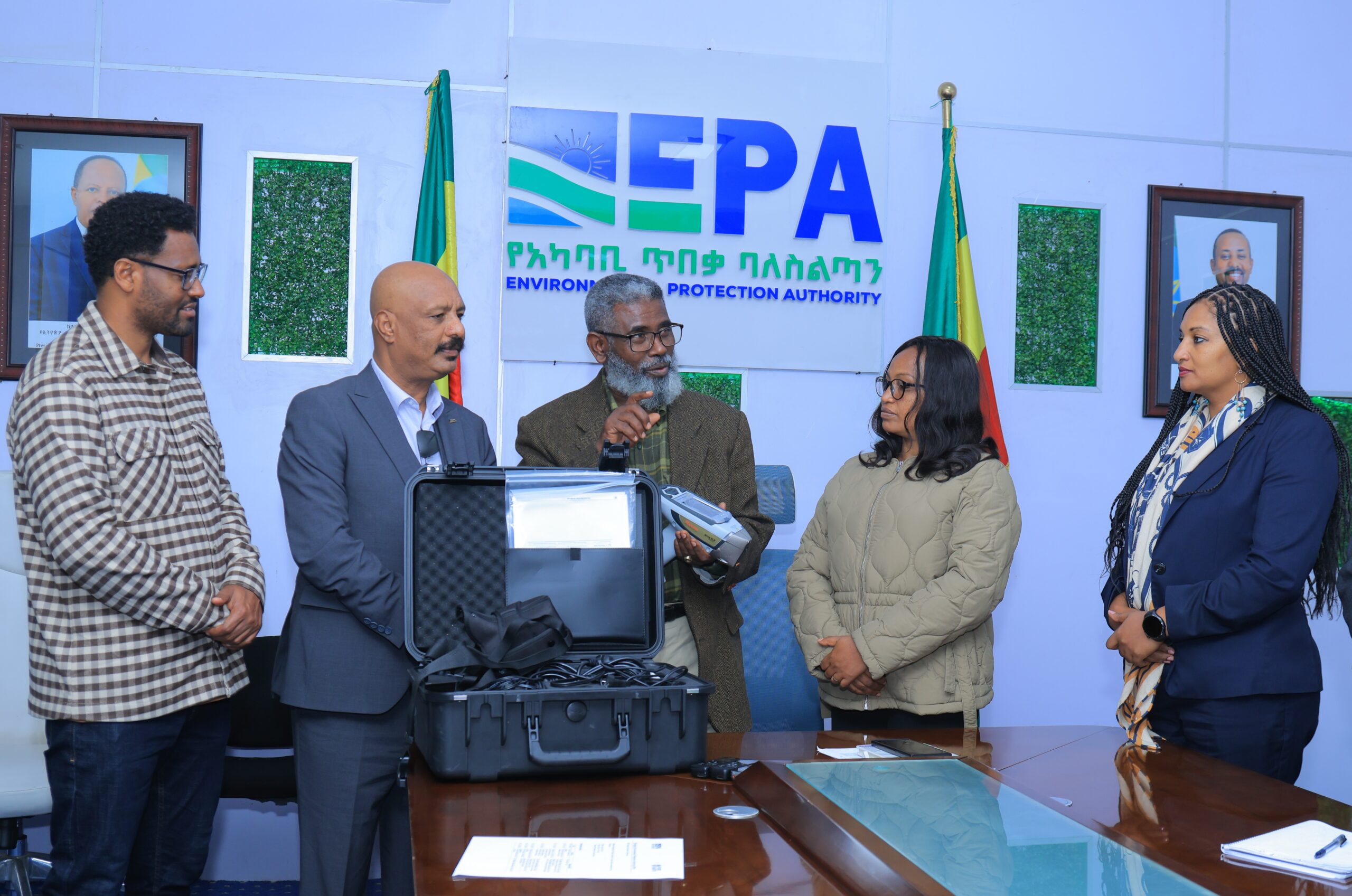
“This is more than a donation of equipment. It is an investment in the health and future of Ethiopia’s children and in strengthening the foundation of environmental protection in our country. Over the past year, Pure Earth has been a trusted partner in Ethiopia’s journey toward a lead-safe future, helping to build national capacity and translate commitment into measurable action. We deeply appreciate the value and impact of this partnership.”
By bringing testing capacity closer to communities and potential contamination sources, the technology can accelerate the process of identifying risks and guiding timely action.
Speaking at the ceremony, Firew Kefyalew, East Africa Director of Pure Earth, highlighted the long-term impact of strengthening national capacity to detect and address lead contamination.
“Protecting children from lead exposure is one of the smartest investments any nation can make in its future. This handover reflects our shared commitment with EPA to use science, innovation, and local leadership to identify toxic pollution risks and create lasting change for communities and future generations.”
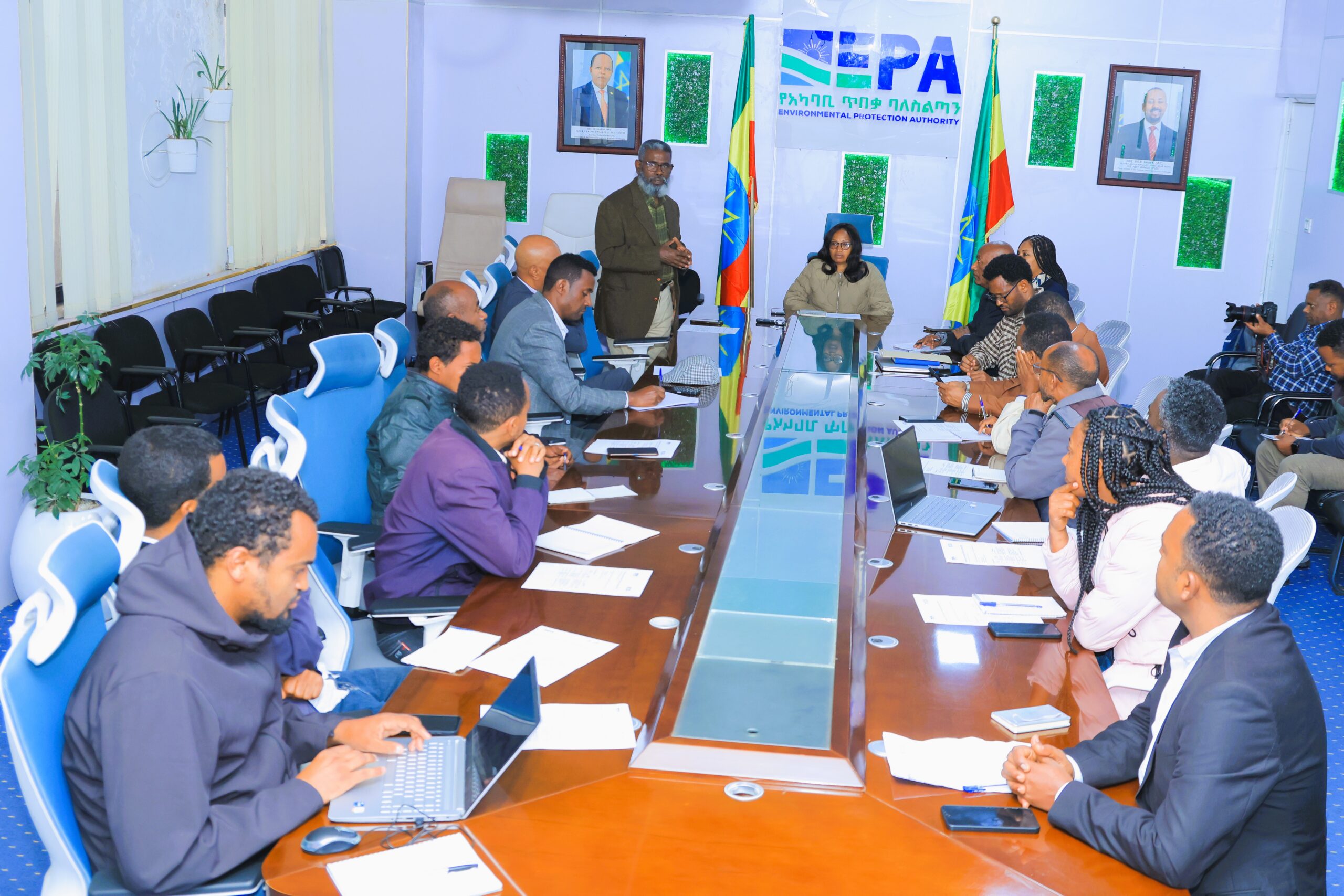
The analyzer will help Ethiopia’s EPA move from suspicion to action by enabling rapid field assessments and generating timely evidence to identify contamination hotspots and guide further investigation or intervention. Beginning in mid-September 2026, EPA experts will use the device in environmental assessments in Addis Ababa, Adama, Hawassa, and Bahir Dar to map lead-contaminated hotspot, better understand potential exposure pathways, and guide targeted interventions before risks escalate.
Ghana: Strengthening National Capacity to Detect and Address Lead Contamination
In Ghana, the Environmental Protection Authority will deploy the analyzer to assess lead contamination risks in consumer products, informal recycling sites, contaminated areas, and other locations where communities may be vulnerable to lead exposure. The technology will support contamination investigations by enabling rapid field screening, improving access to environmental data, and strengthening the evidence needed for regulatory oversight and decision-making.

Expressing appreciation for the support, Prof. Nana Ama Browne Klutse, Chief Executive Officer of the Environmental Protection Authority of Ghana, said:
“The XRF analyzer will strengthen our ability to detect heavy metals, assess environmental samples, and generate the evidence Ghana needs to respond more effectively to toxic pollution.”
Prof. Nana extended appreciation for Pure Earth’s support and highlighted the longstanding collaboration between the two organizations, describing it as a partnership built on mutual trust, technical excellence, and a shared commitment to protecting public health through science-based environmental management.
“This XRF analyzer represents another important step in our long-term partnership with Ghana EPA to prevent toxic exposures and strengthen environmental health protection. We are working to improve the local evidence base needed to identify pollution risks, guide action, and better protect communities from lead exposure,” said George Bruno Akanlu, Pure Earth Ghana Country Director.
Building a Stronger Regional Response to Toxic Pollution
The handovers in Ethiopia and Ghana reflect a regional movement taking shape across Africa. They also demonstrate ongoing efforts to strengthen the capacity of environmental authorities to detect toxic pollution, understand its sources, and use evidence to guide targeted action. Through partnerships with relevant national institutions, Pure Earth is helping build the tools, knowledge, and technical expertise needed to confront lead pollution at its source.
Together, the handovers show how targeted investments in scientific tools, national expertise, and institutional partnerships can provide countries with a stronger first line of defense against lead pollution.
An XRF analyzer alone cannot eliminate lead exposure. However, when combined with scientific expertise, effective regulation, and sustained collaboration, it becomes a powerful tool for change.
With portable XRF technology now available to environmental authorities in Ethiopia and Ghana, both countries are strengthening the foundation for a future in which environmental risks can be identified earlier, investigated more effectively, and addressed before they become lasting threats to the health and well-being of communities.