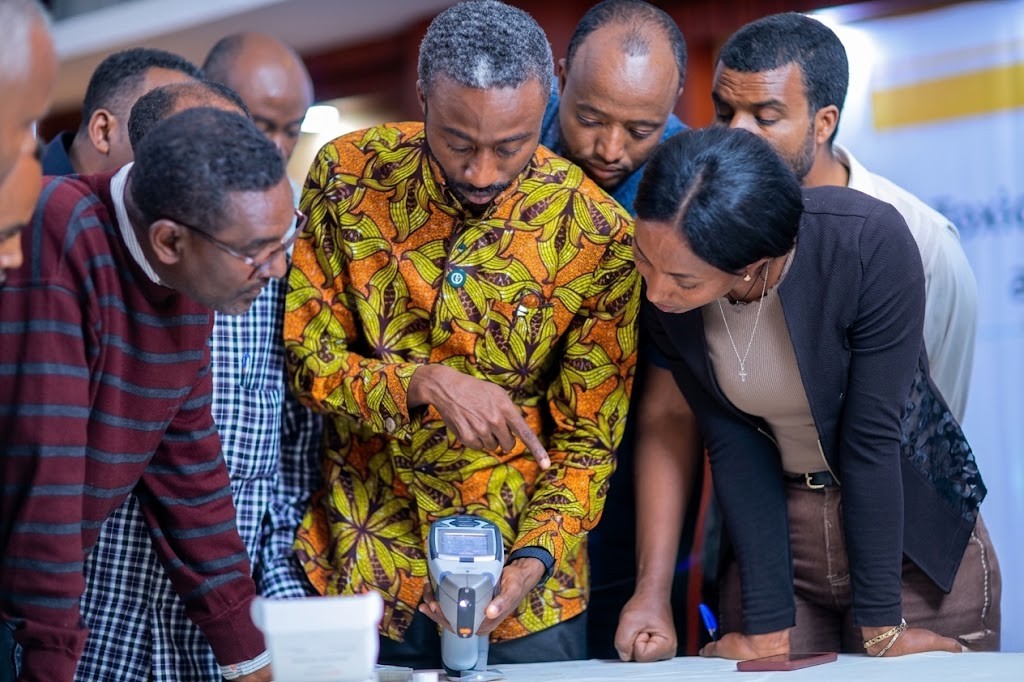
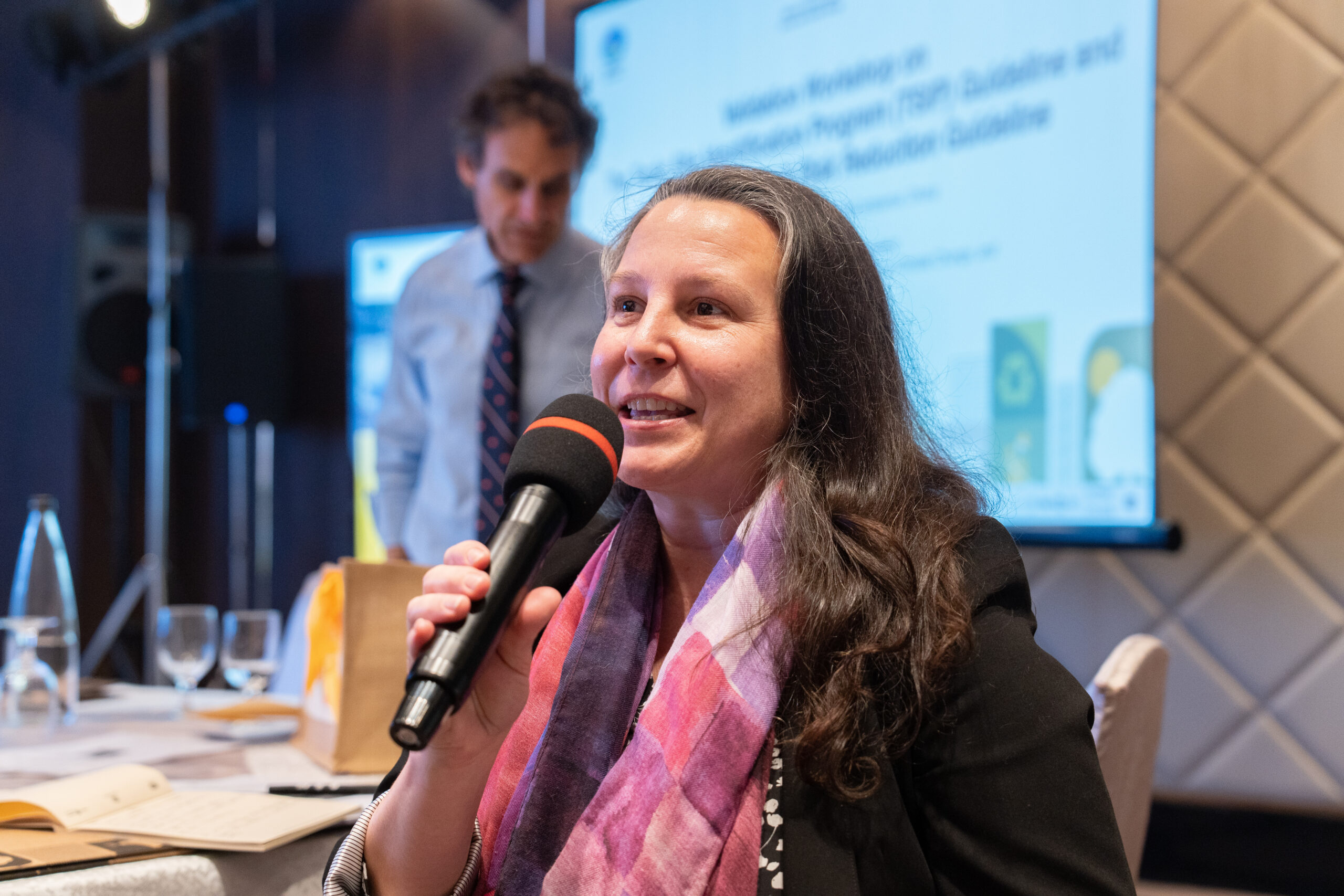
Pure Earth Mexico takes part in a national event in Cuernavaca and a Latin American gathering to advance efforts to reduce exposure.
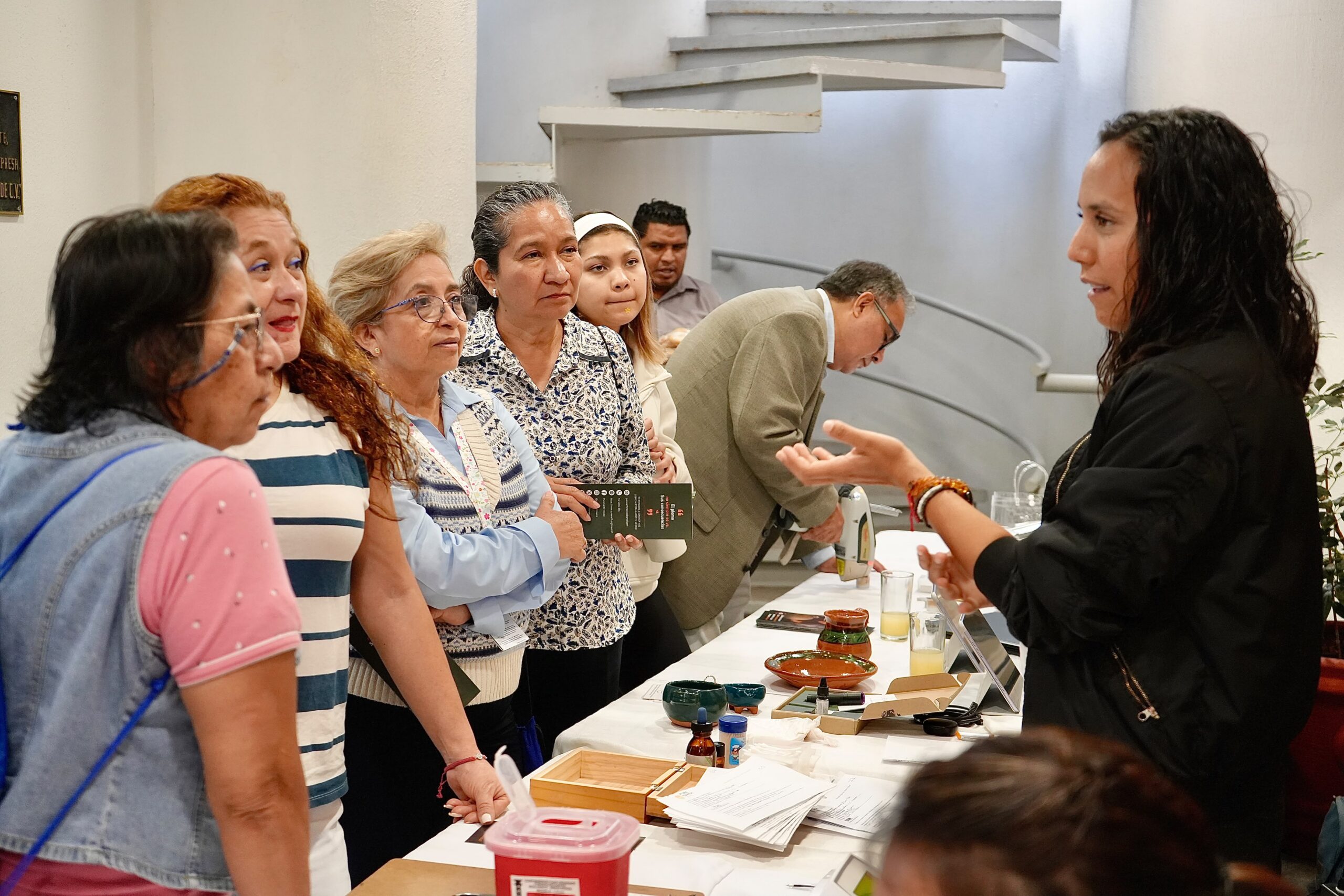
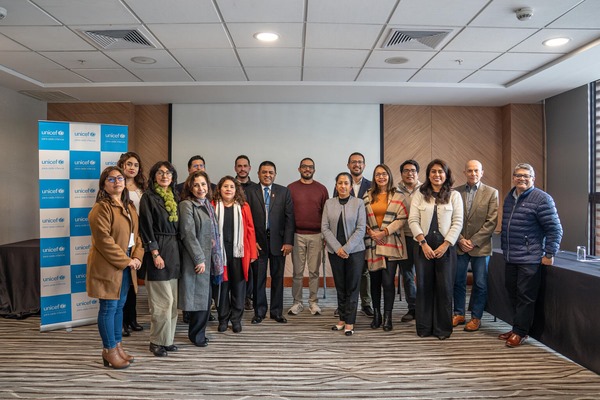
As part of ongoing efforts to address lead poisoning, Pure Earth Mexico took part on October 20 in two important events held during International Lead Poisoning Prevention Week 2026: a national event in Cuernavaca, Morelos, coordinated by the Ministry of Health in collaboration with the National Institute of Public Health (INSP) and COFEPRIS, and the webinar “Latin America United Against Lead,” organized by Pure Earth’s regional offices in Brazil, Colombia, Mexico, and Peru. Both events addressed a challenge that calls for identifying sources of contamination and preventing them from continuing to harm people’s health.
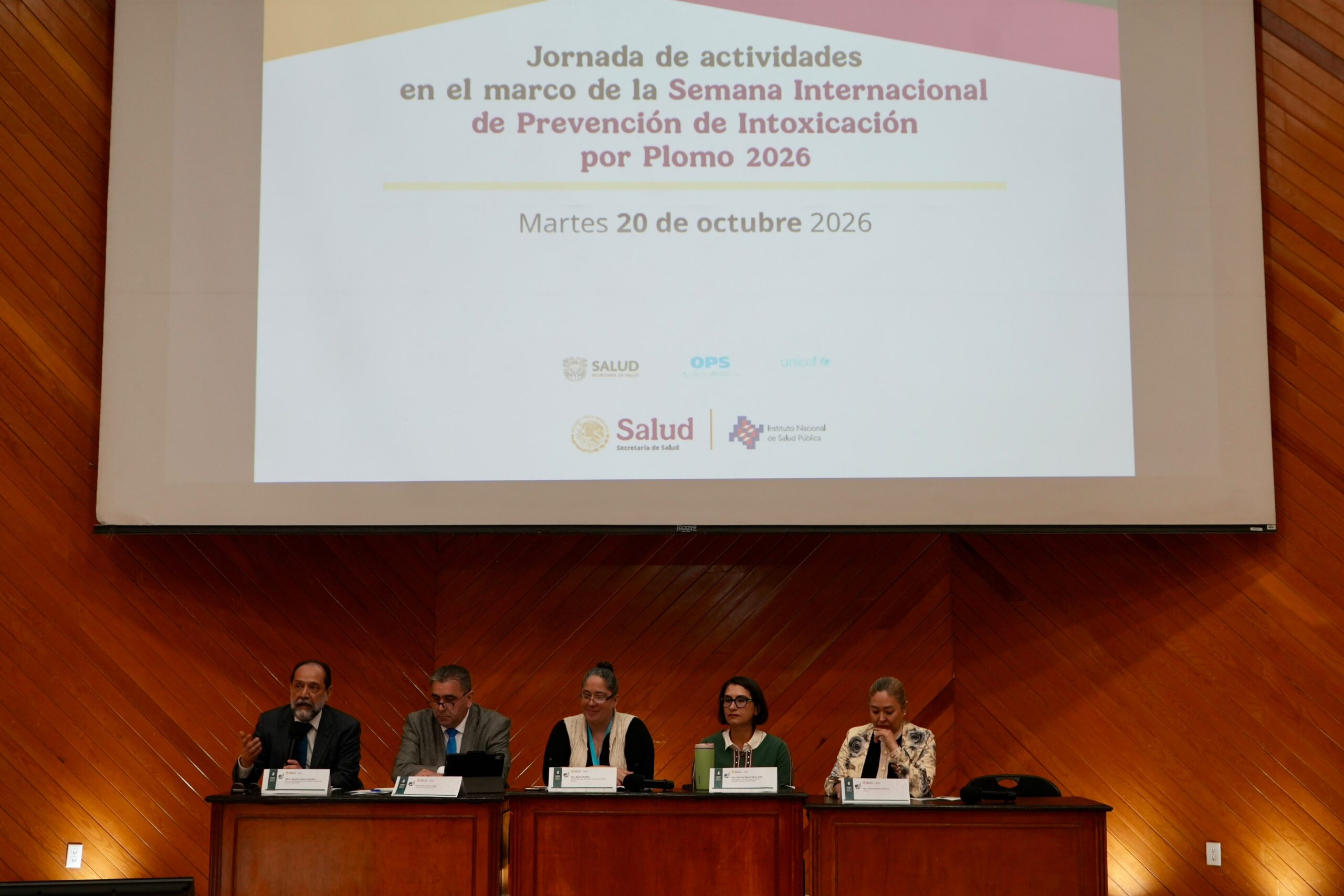
The national event, held under the slogan “Yes to Clay, No to Lead,” brought together government authorities, researchers, and organizations to discuss health surveillance, care for vulnerable populations, and lead-free production alternatives in Mexico.
Agustín Gama, director of Pure Earth Mexico, took part in the event and shared the organization’s international perspective on an issue that crosses borders. His presentation, titled “The Global Lead Landscape,” brought together data that illustrate the scale of the risk: a 2020 analysis by UNICEF and Pure Earth estimated that 800 million children had blood lead levels at or above five micrograms per deciliter. More than 90% of affected children live in low- and middle-income countries.
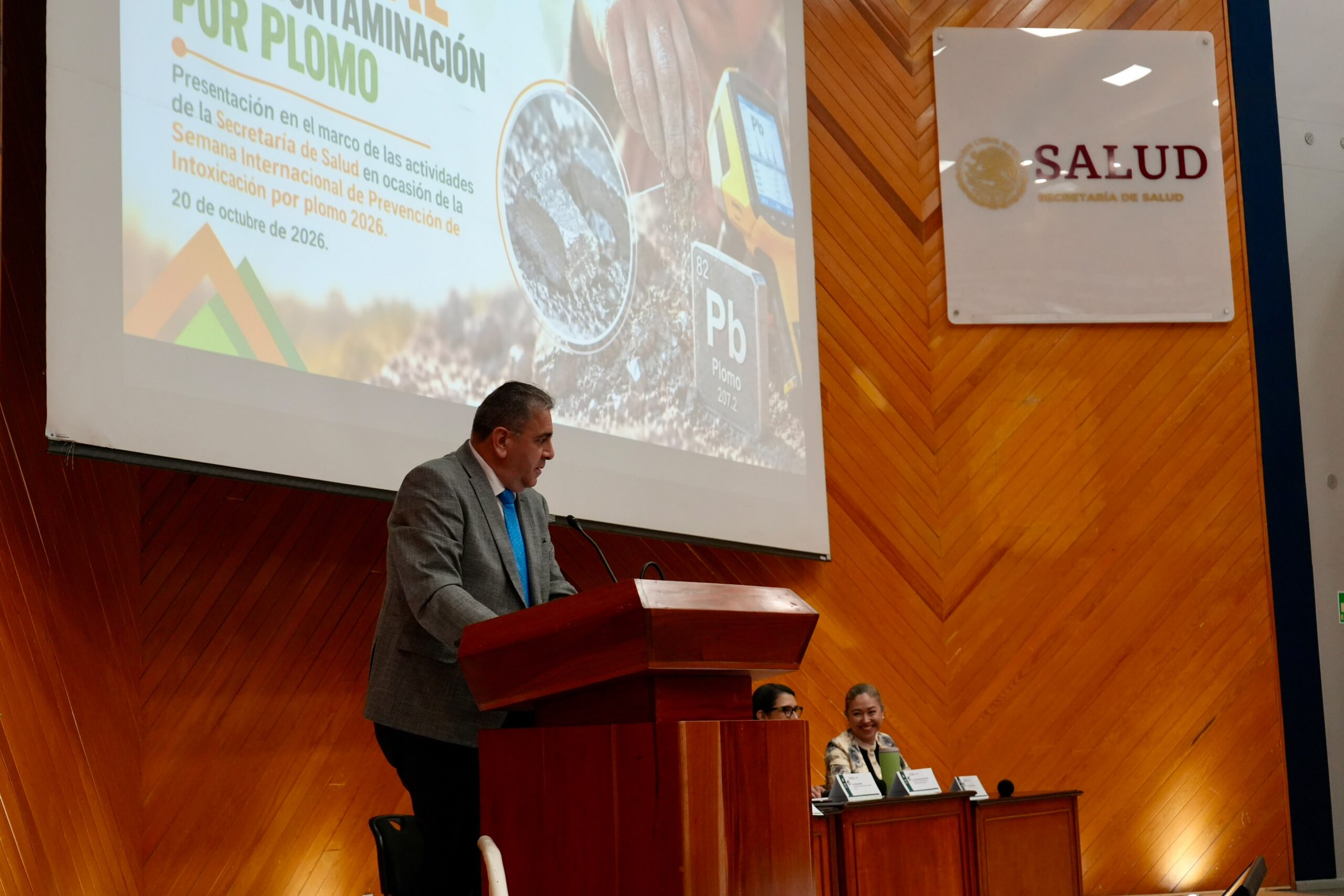
The analysis also includes estimates from the World Health Organization: in 2023, lead exposure was associated with 3.5 million deaths and 71.5 million years of healthy life lost due to disability or premature death. These indicators come from different sources and periods, but they help show the scale of the consequences.
The problem is not limited to industry. Identified sources include battery recycling without adequate controls, mining, contaminated soil, paints, and lead-containing glazes used on some pottery products. Lead can leach from containers into food and beverages.
International experience shows that exposure can be reduced. In Georgia, regulatory and corrective measures led to a 99% decrease in contaminated spice samples. In the most affected regions, average blood lead levels among children and pregnant women fell by 75% between the initial measurements and 2023–2024, according to results presented by Pure Earth.

The program also included two technical panels. Martha María Téllez Rojo, a researcher at INSP, discussed the situation in Mexico. The clinical effects of lead poisoning were also reviewed, in a session moderated by María Radilla of UNICEF Mexico.
The second panel examined preventive measures, the promotion of lead-free glazed pottery, and children’s environmental health. Participants included Alejandra Cantoral Preciado and Cecilia de Bustos of UNICEF Mexico. Fernando Uriel González of PAHO/WHO moderated the discussion.
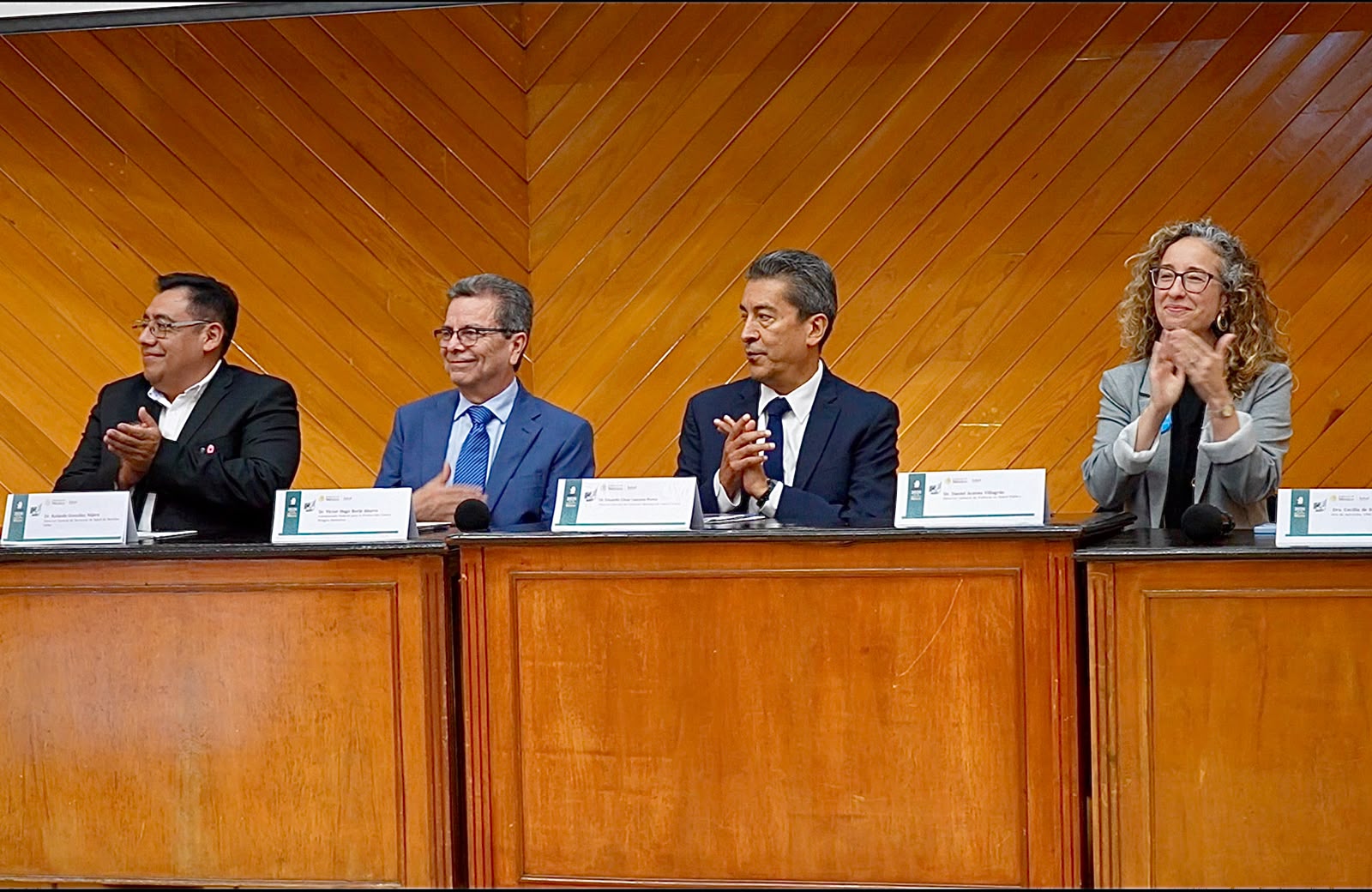
The event continued the work of Mexico’s Technical Group for the Prevention and Control of Lead Exposure, which aims to improve coordination among institutions and provide support to pottery-making communities in particular.
That same day, Pure Earth hosted the regional webinar, where Sergio Iván Valdés Ferrer, a researcher at the Salvador Zubirán National Institute of Medical Sciences and Nutrition and TecSalud, presented data on children’s exposure in Mexico.

According to the 2022–2024 ENSANUT Continuous Survey, 15.8% of children between the ages of one and four have blood lead levels of at least five micrograms per deciliter. That is approximately 1.2 million children. The measurement does not show a statistically significant decrease compared with previous surveys.
Valdés Ferrer also presented estimates of annual losses of 229 billion pesos—equivalent to approximately 1.4% of GDP—associated with the effects of childhood lead exposure on intellectual development.
The webinar also provided an opportunity to learn about experiences in Brazil, Colombia, and Peru. Gilson Spanenbergi and Adalberto Maluf discussed Brazil’s efforts to improve lead poisoning surveillance while coordinating the work of the responsible institutions. They cited the creation of a permanent technical group and the development of a national plan as key steps forward. From Colombia, Lizeth Olaya and Rodrigo Noguera discussed the challenges of identifying sources of contamination and addressing the risks faced by exposed communities.
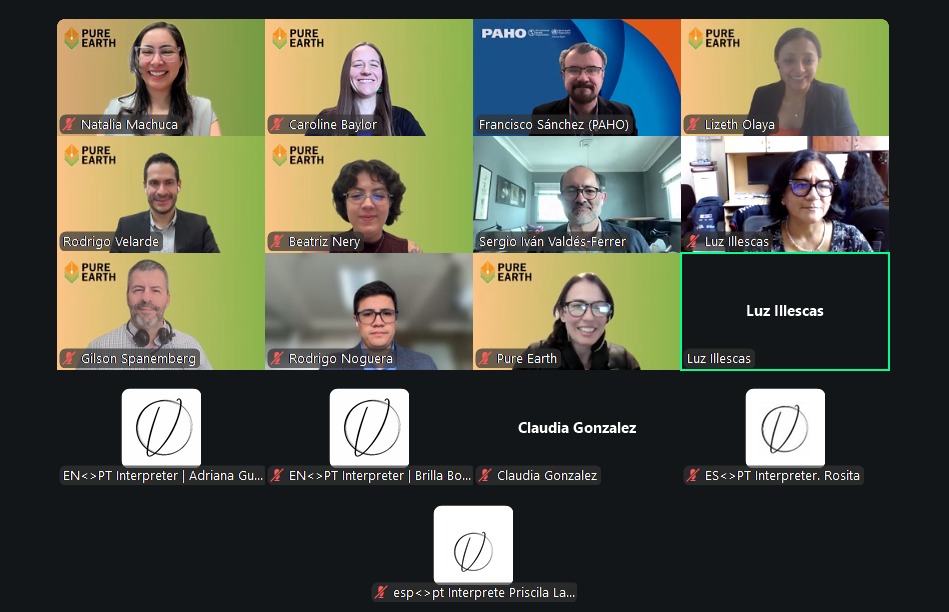
Rodrigo Velarde and Luz Illescas shared Peru’s experience, where environmental contamination poses challenges for public health. During the event, Luis Francisco Sánchez Otero, a regional advisor at the Pan American Health Organization (PAHO), stressed that identifying people with lead poisoning is not enough. Prevention requires locating and controlling sources of lead, enforcing regulations, and working directly with communities. The experiences of all four countries showed that, despite their different circumstances, they share a common need: to act before exposure causes harm to people’s health.
For Pure Earth Mexico, both events reinforce the practical work needed to measure exposure, identify its sources, reduce contamination, and sustain prevention efforts. Our collaboration with FONART to promote lead-free pottery is part of this work.
The goal is for progress to mean less lead in people’s homes, food, and blood—especially among children, whose health can be affected for a lifetime.