As part of the “Strengthening Health Systems to Reduce Lead Exposure” project, supervision and technical assistance activities are being carried out at prioritized health facilities in Tacna to strengthen epidemiological surveillance and comprehensive care for children under five.
Strengthening surveillance and the response capacity of health services is key to preventing and addressing the risks associated with lead exposure in a timely manner. In this context, Pure Earth Peru, in partnership with the Ministry of Health (MINSA) and Vital Strategies, continues to support the implementation of the “Strengthening Health Systems to Reduce Lead Exposure” project across eight priority territories in Peru.
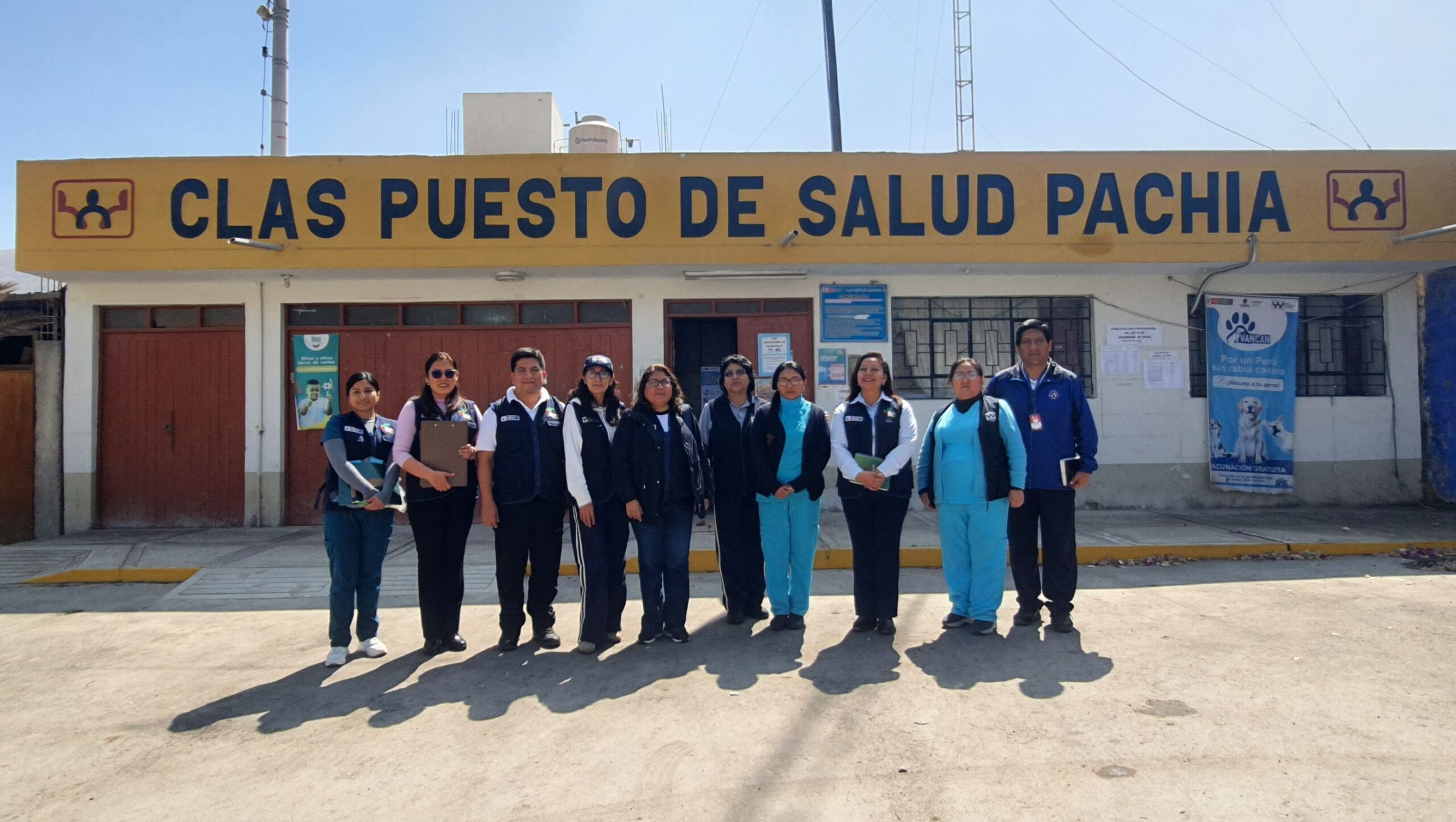
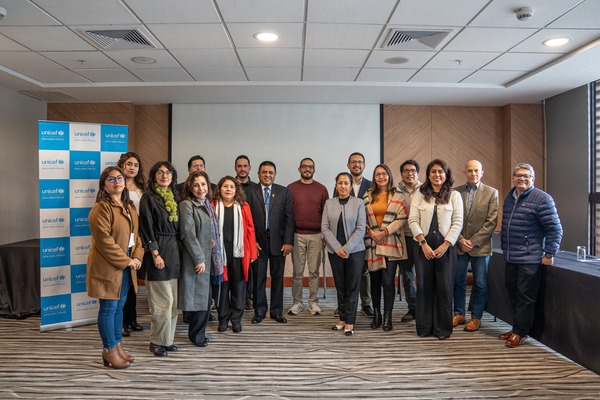
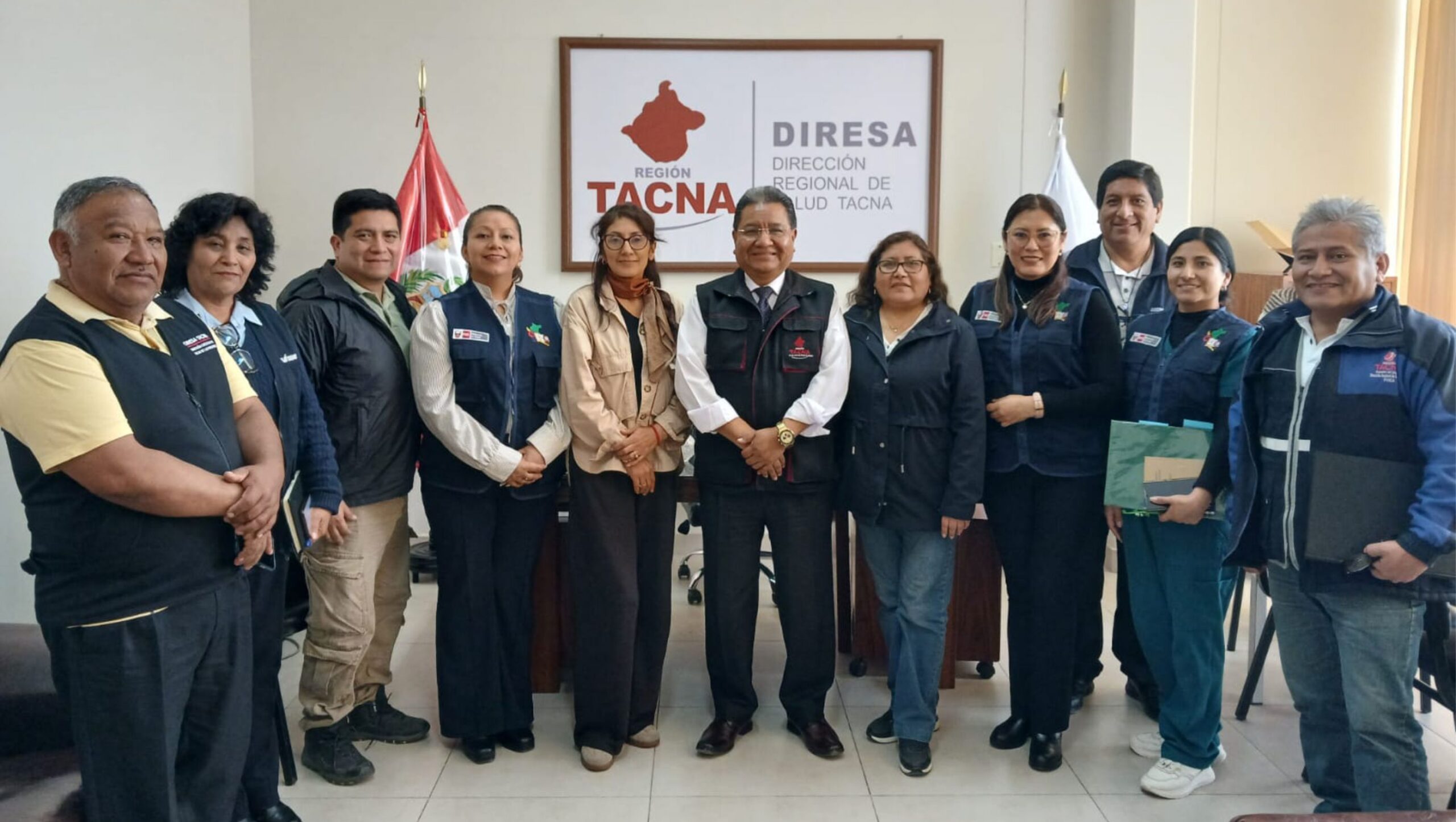
As part of this strategy, from August 18 to 21, supervision and technical assistance activities were carried out at the Calana and Pachía health posts in Tacna, led by the Epidemiology Directorate of the Regional Health Directorate of Tacna (Diresa Tacna), in coordination with the National Center for Epidemiology, Prevention and Control of Diseases (CDC) of MINSA.

Strengthening surveillance and comprehensive care
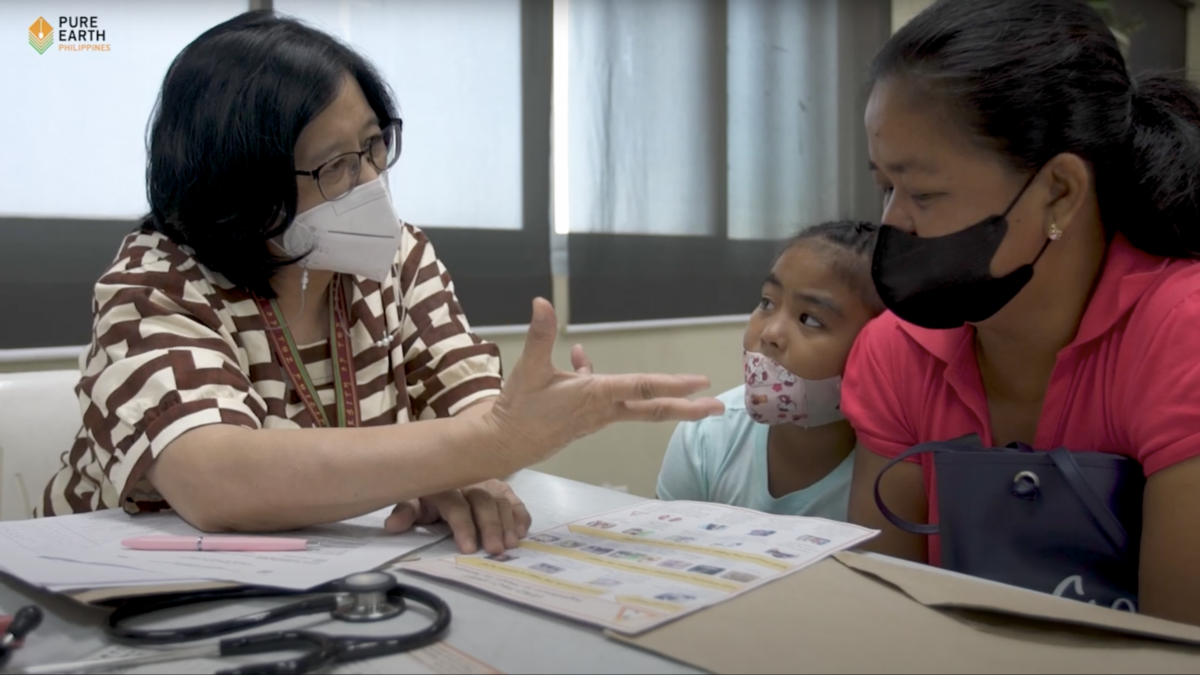
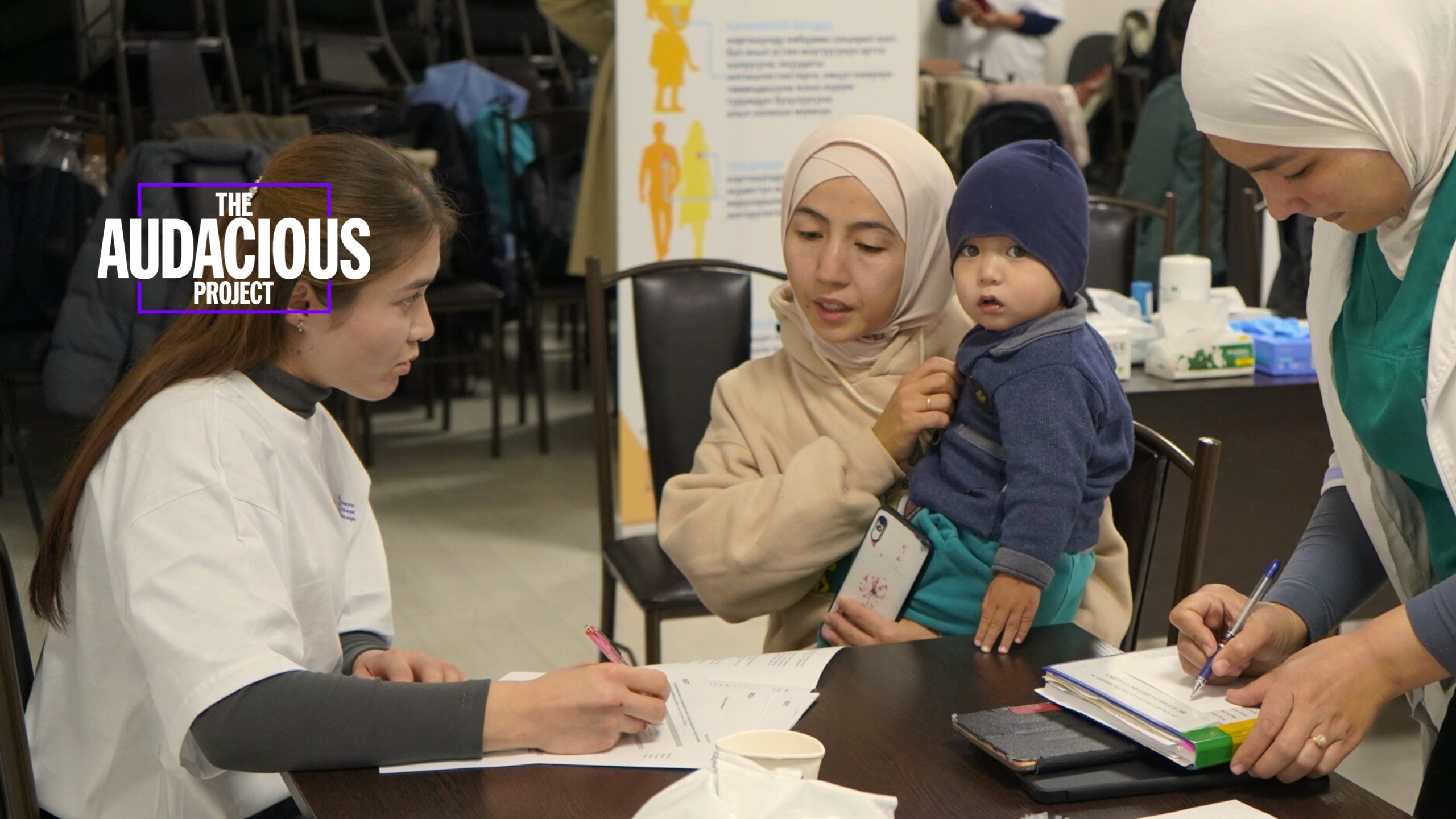
The activities aim to support the implementation of sentinel epidemiological surveillance for lead exposure, while strengthening comprehensive care for children under five and the capacity of health personnel to prevent, identify, and respond to potential cases of exposure in a timely manner.
According to Carlos Cabrel, Lead Project Manager at Pure Earth Peru, strengthening these capacities enables health facilities to have better tools to integrate lead surveillance into their routine processes.
“Strengthening surveillance provides health teams with the tools and knowledge they need to identify potential risks early and provide an appropriate response, particularly when it comes to children under five,” he said.
A partnership to strengthen the response to lead exposure
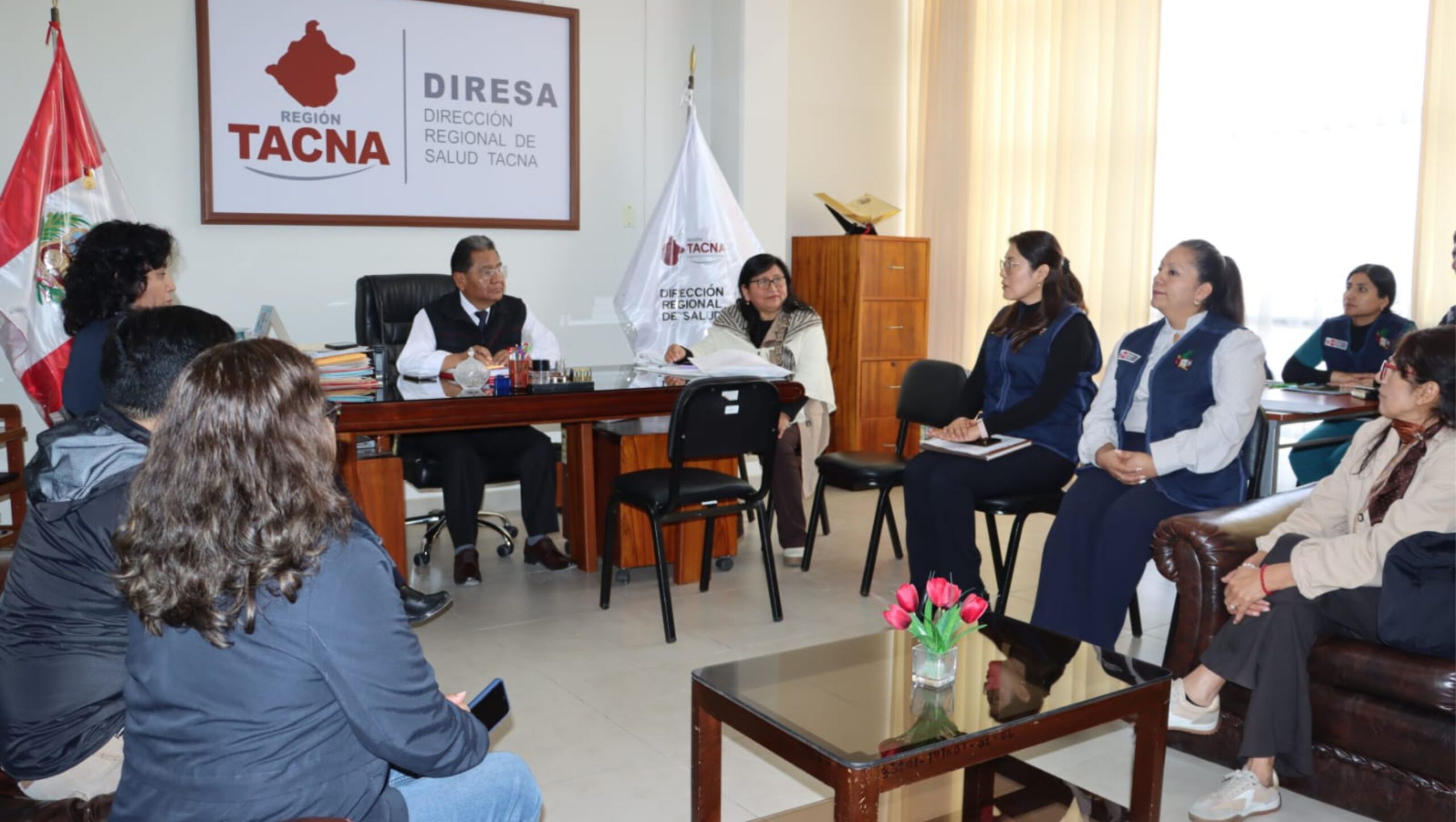
The “Strengthening Health Systems to Reduce Lead Exposure” project is being implemented across eight territories prioritized by the Ministry of Health through coordinated efforts among MINSA, Pure Earth Peru, Vital Strategies—which oversees field-based epidemiological surveillance activities—and local health authorities.
Within this framework, the activities carried out in Tacna are part of a broader capacity-strengthening process that includes technical assistance, training, and support for health teams to progressively and effectively integrate these skills into their work.
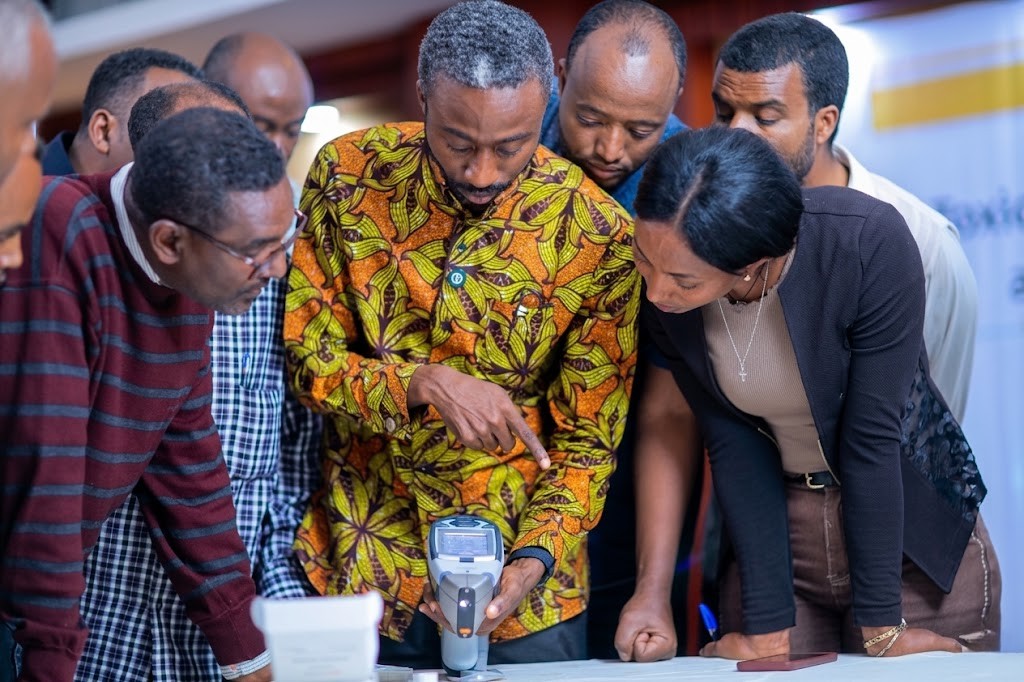
This support is also translating into environmental surveillance activities. Recently, DIRIS Lima Norte conducted monitoring of residential soil quality and drinking water at health facilities in its jurisdiction.
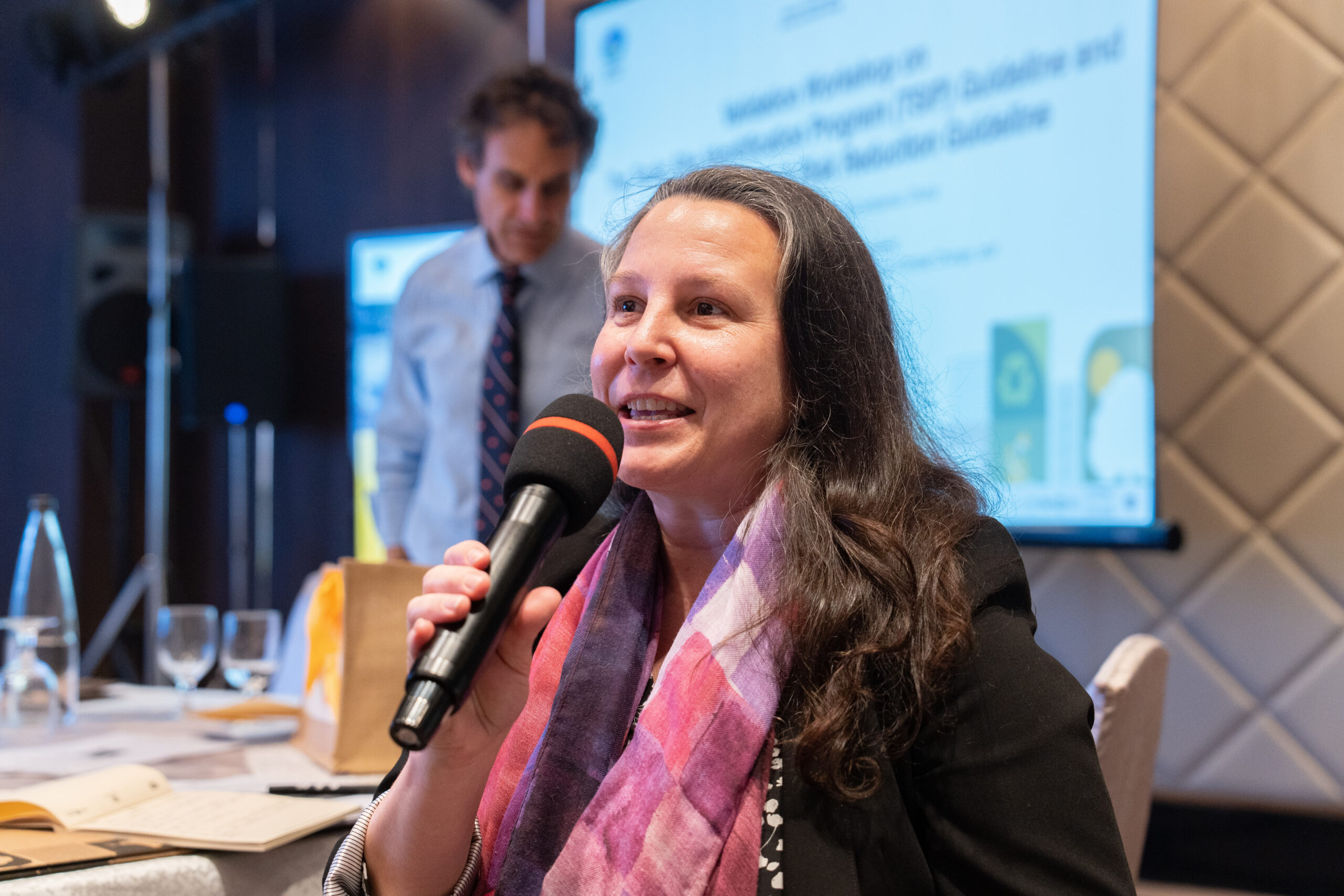
“Reducing lead exposure requires a coordinated and sustained response. This project allows us to work alongside the government and our partners to strengthen capacities within the health system and help ensure that surveillance and prevention tools can deliver sustainable results for the population,” said Rodrigo Velarde, Country Director of Pure Earth Peru.
Through this project, Pure Earth Peru reaffirms its commitment to working collaboratively with the government and other stakeholders to promote healthier and safer environments for children across the country.