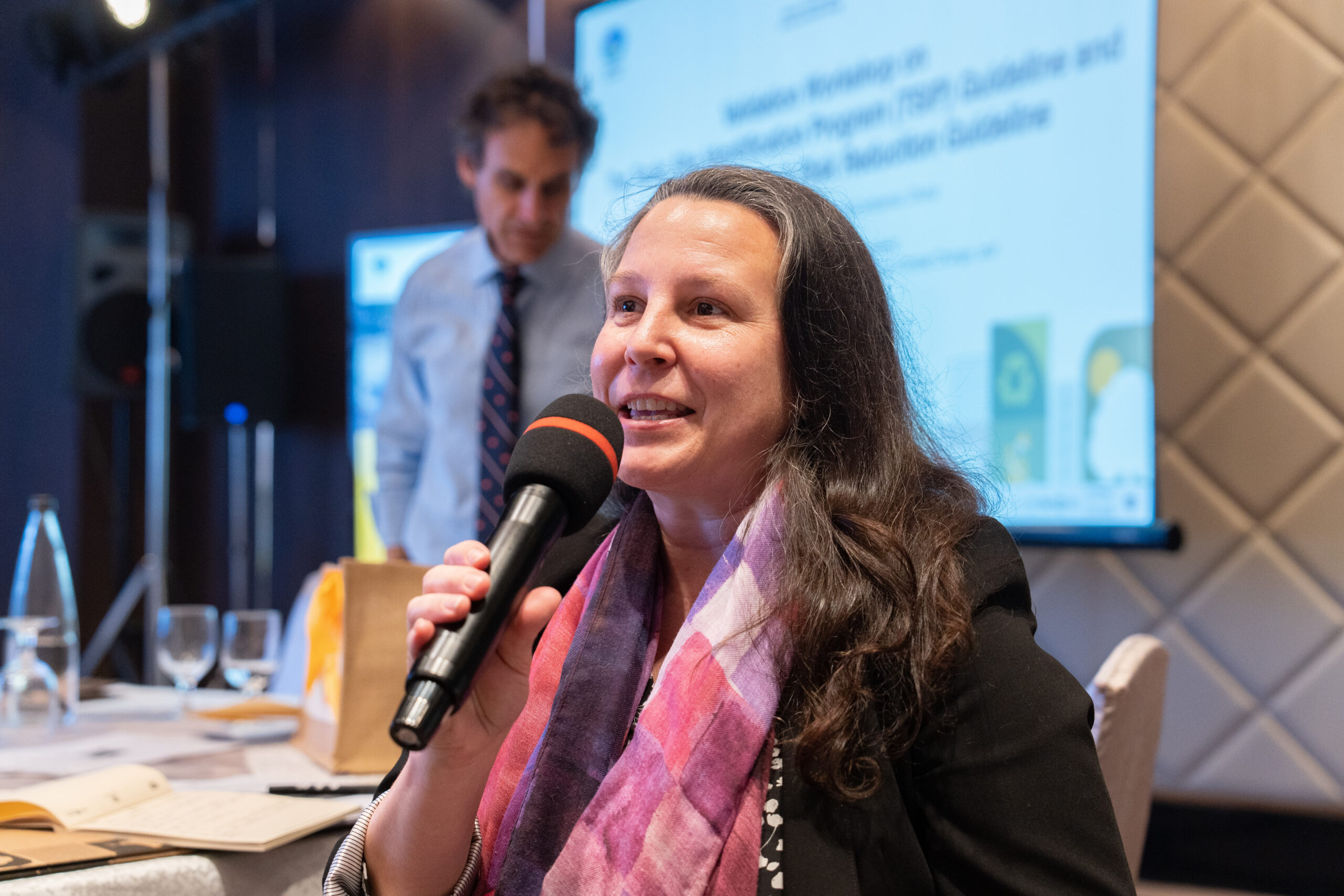
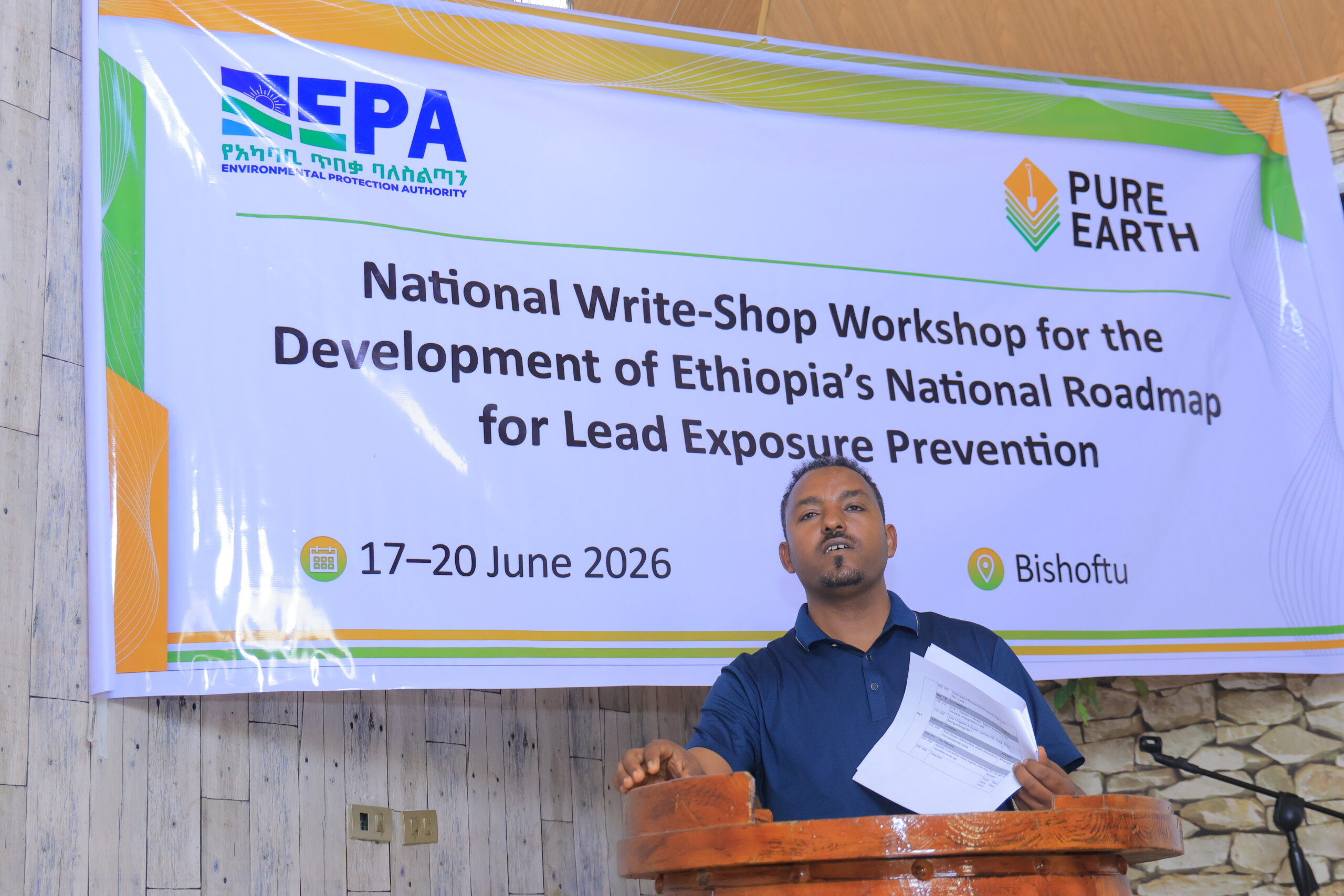
Ethiopia has taken a major step toward preventing lead exposure with the development of its first comprehensive National Roadmap for Lead Exposure and Poisoning Prevention. Developed during a four-day national writeshop held in Bishoftu from 17 to 20 June 2026, the roadmap sets an ambitious target of reducing childhood blood lead levels by 60 percent by 2030.
Convened by Pure Earth in coalition with the Environmental Protection Authority (EPA) and the Ministry of Health (MoH), the writeshop brought together national experts and development partners to translate this ambition into a coordinated national framework for action over the next five years.
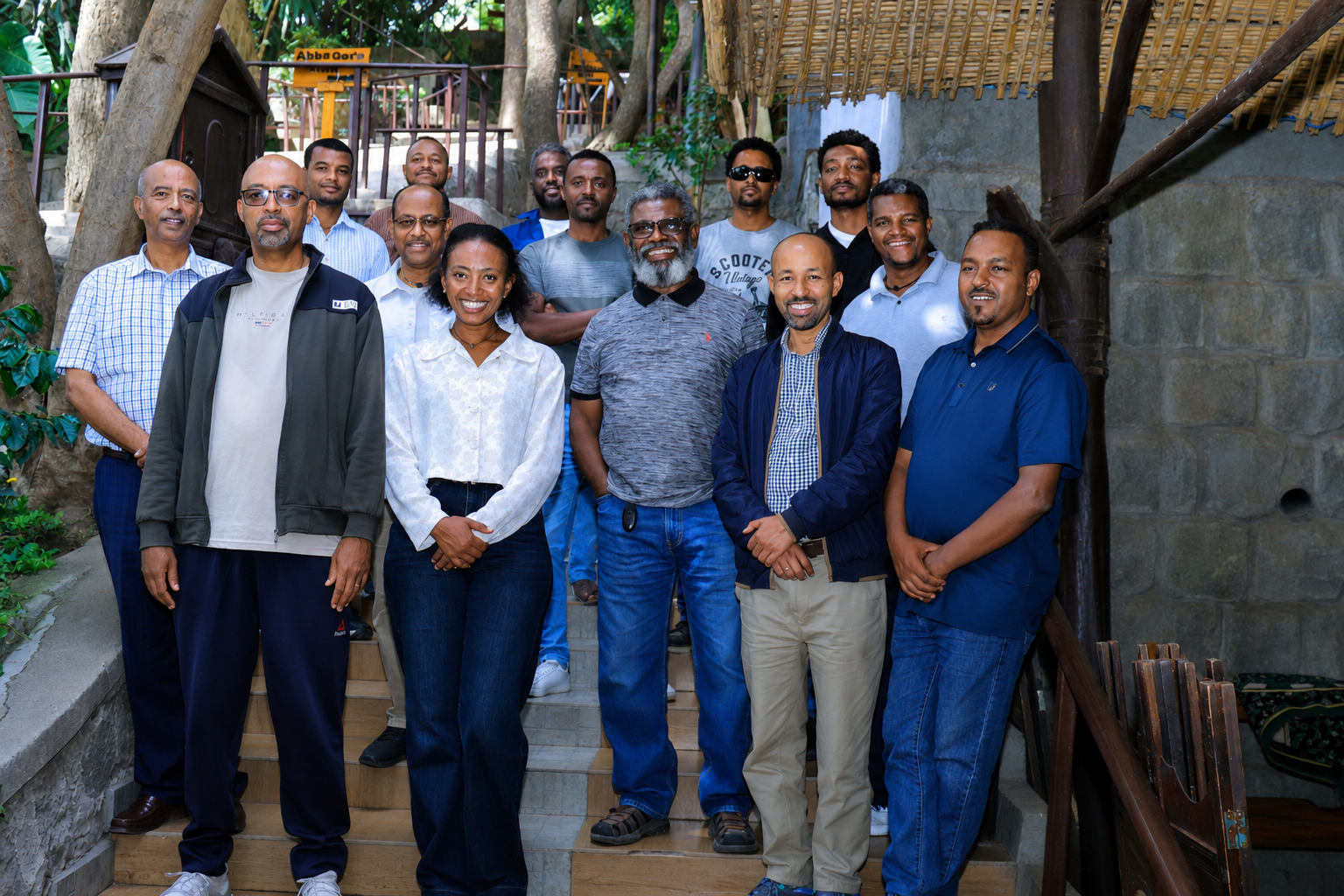
In a historic and collaborative process, participants worked to define priorities, strengthen coordination across sectors, and establish a unified approach to prevention and response. The resulting roadmap provides Ethiopia’s first structured national system to systematically identify, regulate, and eliminate sources of lead exposure while strengthening surveillance, enforcement, public awareness, and health system capacity.
“The development of this roadmap marks a significant milestone in Ethiopia’s response to lead poisoning,” said Alemu Kejela, Head of the WASH and Environmental Health Desk at the Ministry of Health. “It provides a clear strategic framework that guides all stakeholders on what actions to take, when to take them, and how to implement them effectively. Over the next five years, it will serve as a common reference for coordinated efforts to prevent, detect, and control lead poisoning across the country.”
Understanding the Lead Exposure Challenge in Ethiopia
In Ethiopia, lead exposure can occur through multiple sources, including contaminated food and spices, informal battery recycling, lead-based paints, industrial emissions, mining activities, e-waste recycling, contaminated soil, and certain traditional consumer products. These sources pose a significant daily risk to vulnerable populations, particularly children under five, pregnant and lactating women, and workers in high-risk industrial sites. In rapidly urbanizing areas such as Addis Ababa, Hawassa, and Dire Dawa, industrial growth and urban expansion are further exacerbating exposure risks.
Despite significant progress in recent years, including the adoption of lead paint regulations, the development of an Extended Producer Responsibility Framework, and stronger collaboration between EPA and MoH, efforts to address lead exposure have remained fragmented. The newly developed national roadmap aims to unify these efforts under a coordinated, evidence-based national framework for lead exposure prevention.
From Fragmented Efforts to One National Strategy
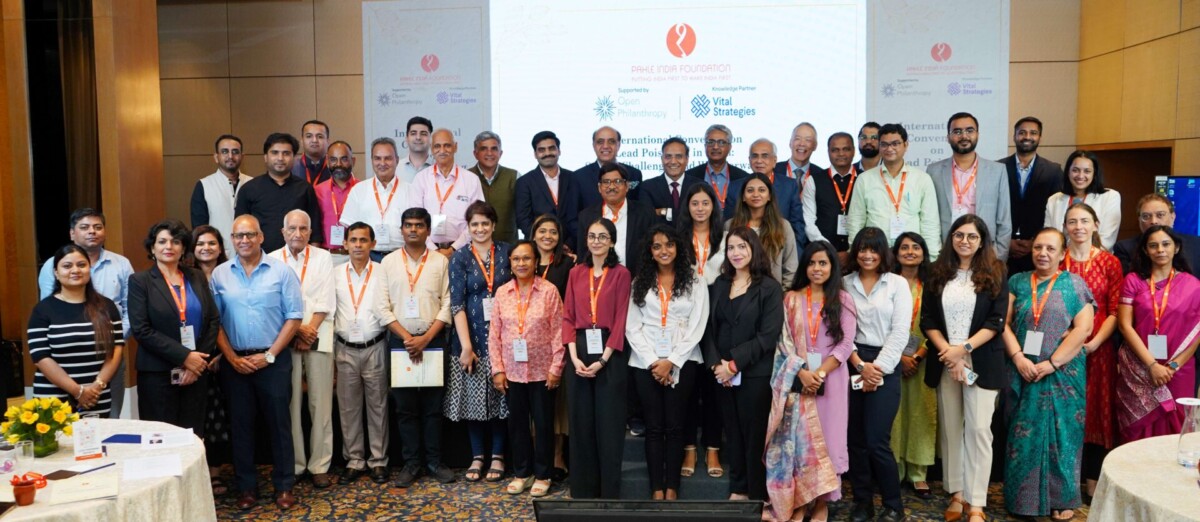
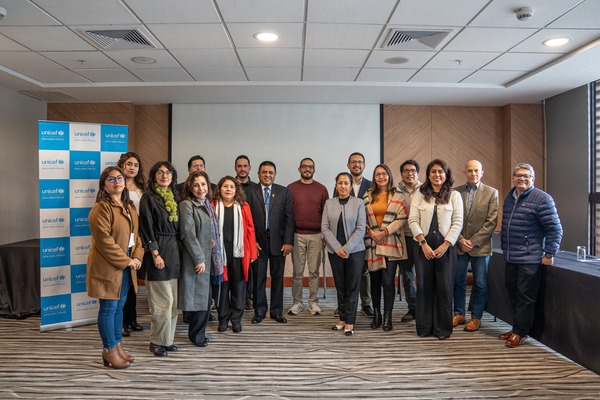
The Bishoftu writeshop brought together representatives from government institutions responsible for health, environment, mining, industry, labor, trade, customs, standards, and food safety, alongside technical experts from Pure Earth and development partners.
During the workshop, participants worked collaboratively to define clear priorities, assign responsibilities, set measurable targets, and determine how the roadmap will be financed and effectively implemented.
“What makes this roadmap truly unique is not just its technical rigor, but also the remarkable level of ownership and collaboration demonstrated across relevant government sectors and partner institutions,” said Shegaw Fentaye, Program Manager at Pure Earth. “Ultimately, the success of this roadmap will depend on every stakeholder translating this shared commitment into action by providing the technical expertise, financial investment, and institutional leadership needed to implement the roadmap effectively.”
By the conclusion of the writeshop, participants had produced a consolidated draft roadmap ready for broader stakeholder validation and final refinement.

A Vision for a Lead-Free Ethiopia
At the heart of the roadmap lies an ambitious vision: a lead-free Ethiopia by 2030. To achieve this, the roadmap outlines five strategic priorities aimed at strengthening the country’s response to lead exposure. These include strengthening laws and enforcement, building surveillance and laboratory systems, reducing exposure from major pollution sources, and protecting vulnerable populations while also strengthening coordination, research, and sustainable financing. The roadmap envisions reducing the national mean blood lead level among children under five by 60 percent by 2030 while achieving full regulatory compliance in high-risk sectors.
The roadmap also puts into action the recently reactivated three-tier governance structure of the National Lead Coordinating Committee (NLCC), creating a stronger platform for multisectoral coordination and accountability.
Through this framework, Ethiopia aims to move beyond isolated initiatives and build a sustainable national system for preventing lead exposure at scale.
Investing in Prevention
Beyond protecting children’s health, prevention also makes strong economic sense. Building on the roadmap’s strategic priorities and implementation framework, experts participating in the writeshop emphasized that preventing lead exposure is not only a public health imperative; it is also an economic necessity.
Treating severe lead poisoning often requires costly medical interventions, including chelation therapy, specialized neurological care, and long-term educational and social support. Because much of the neurodevelopmental damage caused by lead is irreversible, every dollar invested in prevention yields significant returns by reducing long-term healthcare costs and safeguarding future economic productivity.
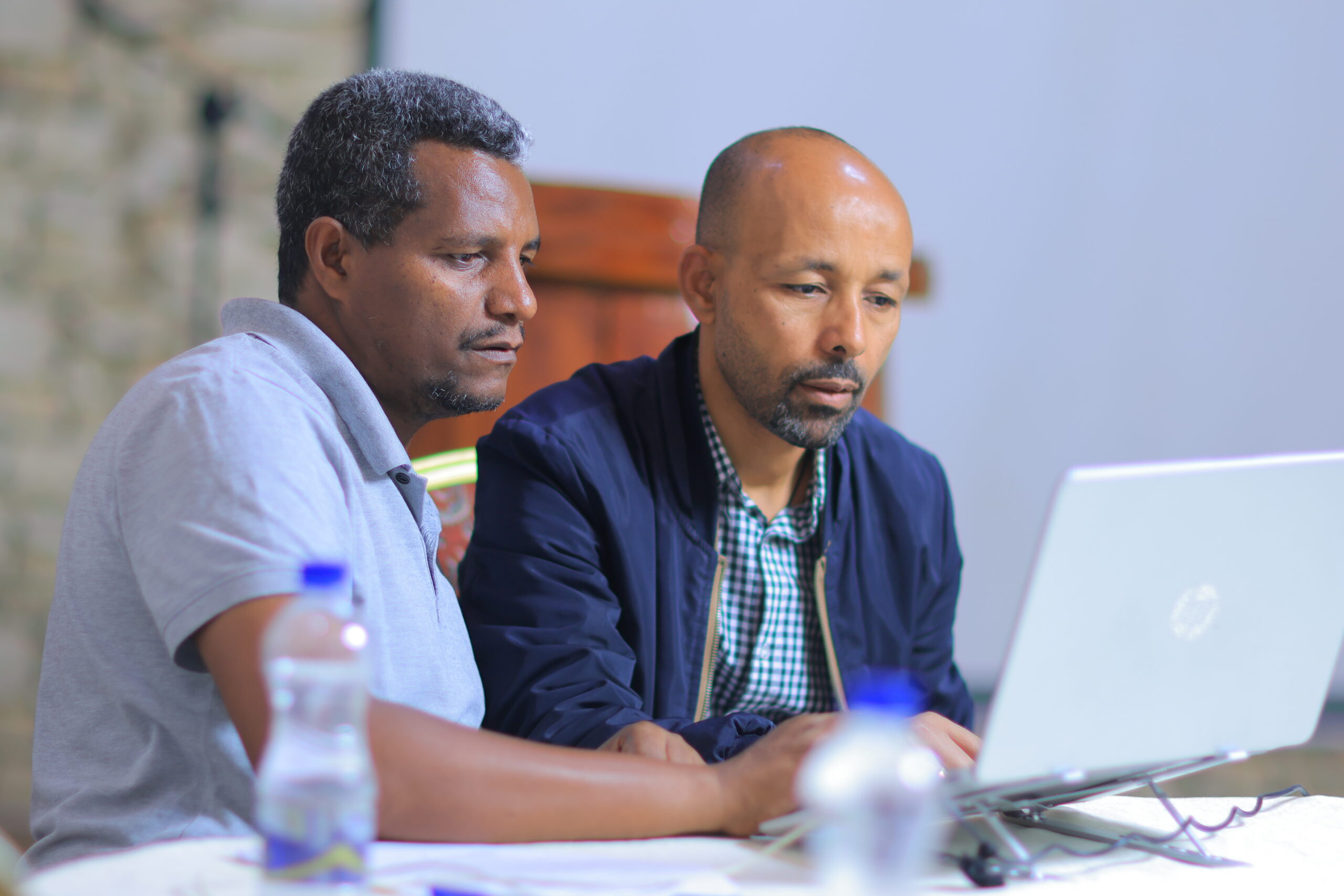
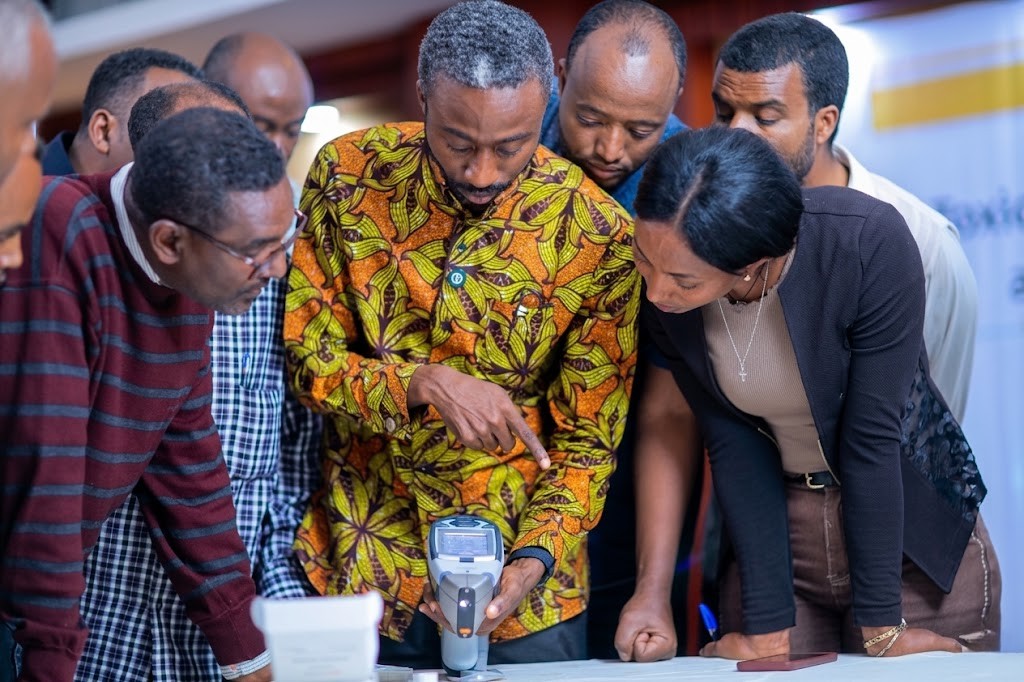
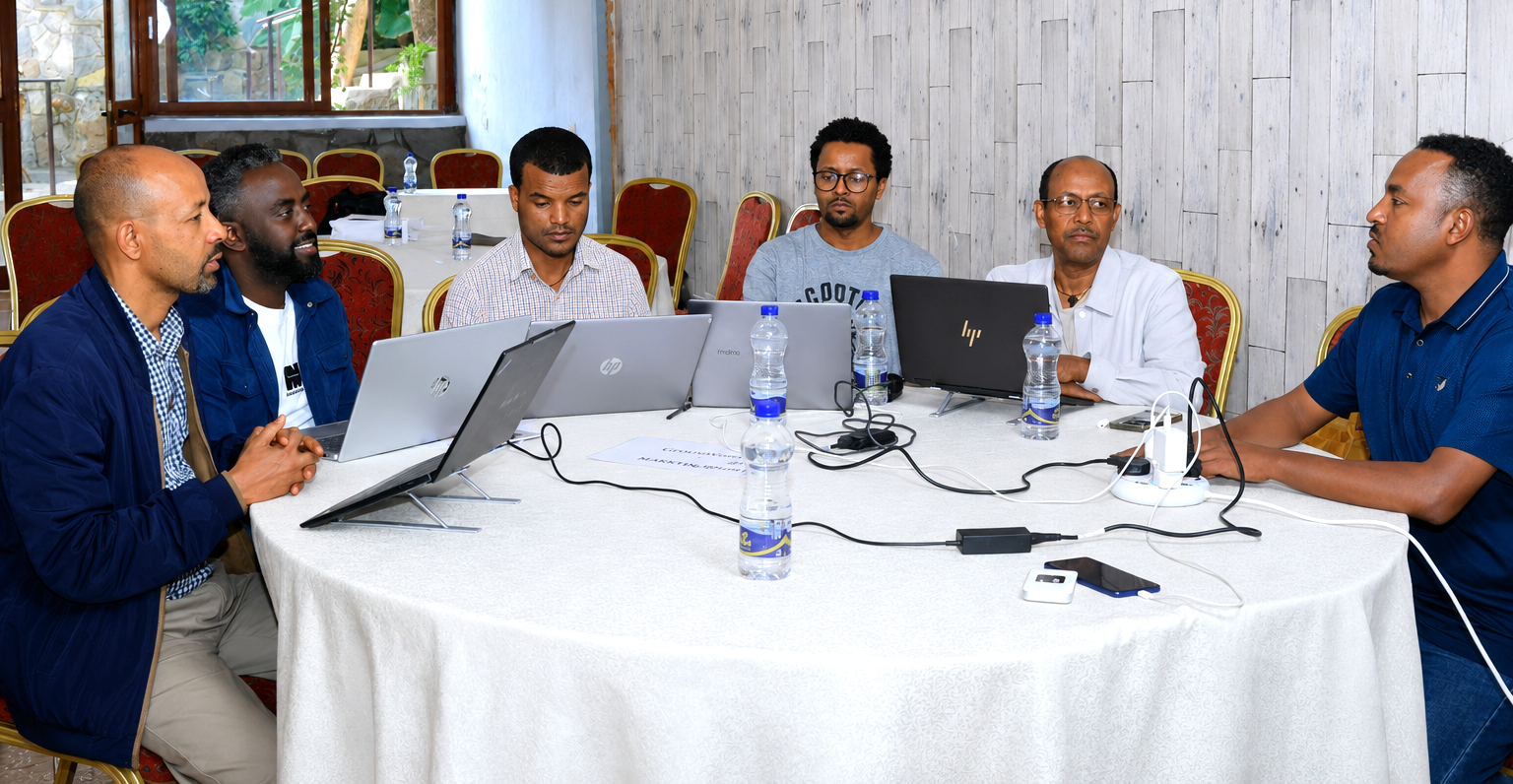
Participants from CHAI and the EPA jointly drafting a section of the National Roadmap.
Looking Ahead: From Commitment to Action
The draft Roadmap for Lead Exposure and Poisoning Prevention will now undergo broader stakeholder validation before final endorsement. Once finalized, it is expected to serve as Ethiopia’s primary framework for coordinated national action on lead exposure prevention over the next five years, guiding investments, strengthening accountability, and mobilizing both domestic and international resources.
As Firew Kefyalew, Pure Earth’s East Africa Director, noted during the closing session: “This is more than a document. It is a national commitment to protecting future generations.”
The true value of the roadmap will lie in the actions that follow: sustained political commitment, effective coordination, and continued investment in implementation. By aligning key sectors under a single national strategy, Ethiopia is taking a decisive step toward a safer, healthier, and lead-free future for all Ethiopians.