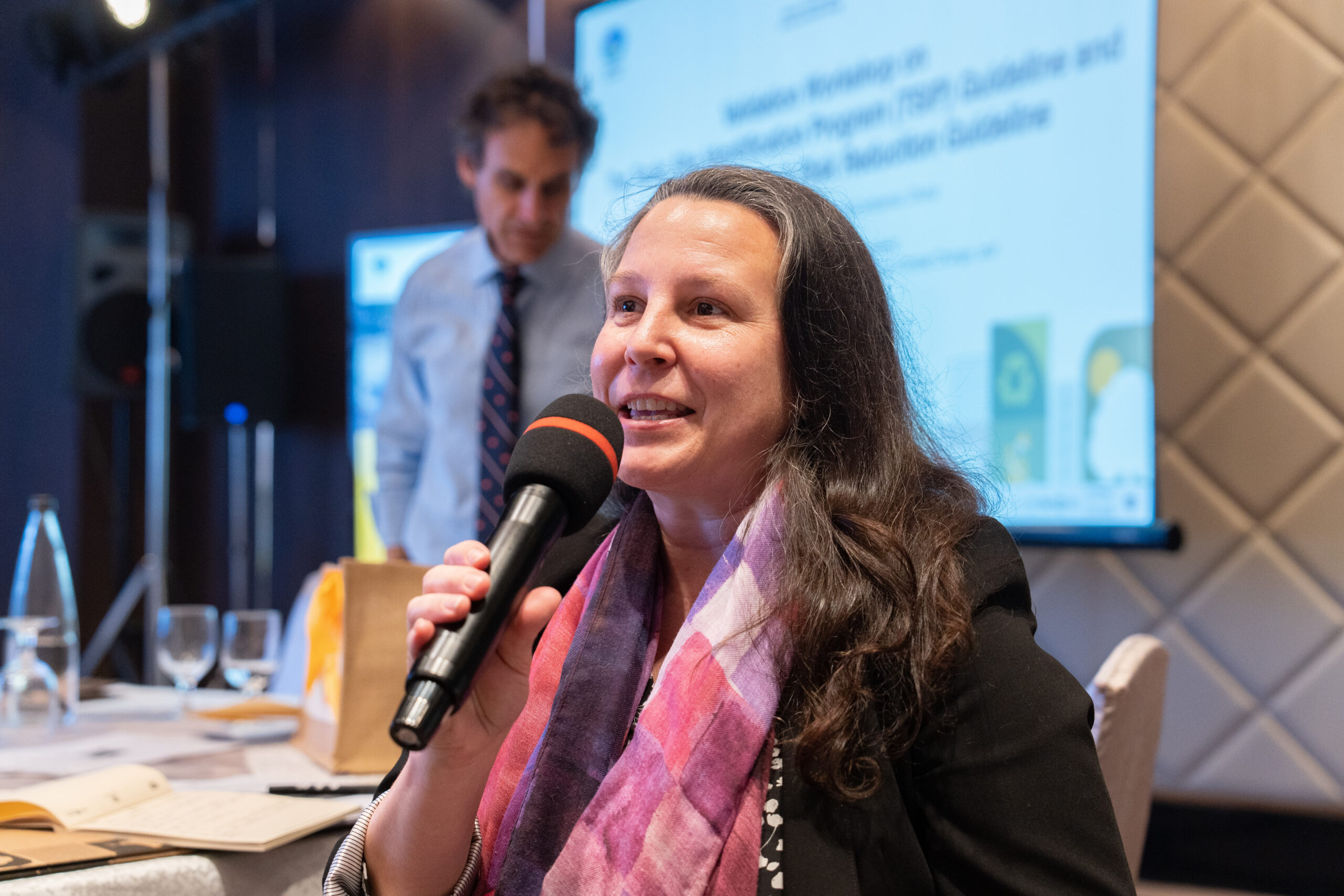
Lead poisoning often strikes without warning. Children exposed to lead may show no immediate symptoms, leaving families unaware of the damage until it has already affected their brain development, behavior, and lifelong health. Because children absorb lead far more readily than adults, even low-level exposure can cause irreversible impairment, making prevention a critical public health priority.
According to global health estimates, lead exposure contributes to nearly 13,789 premature deaths annually in Ethiopia. Today, however, Ethiopia is turning growing awareness into coordinated national action.
A Renewed Commitment
As Ethiopia expands efforts to address environmental health risks, government institutions and partners increasingly recognize that preventing lead exposure requires coordinated action across multiple sectors. Health, environment, industry, education, and consumer protection institutions all have important roles to play.
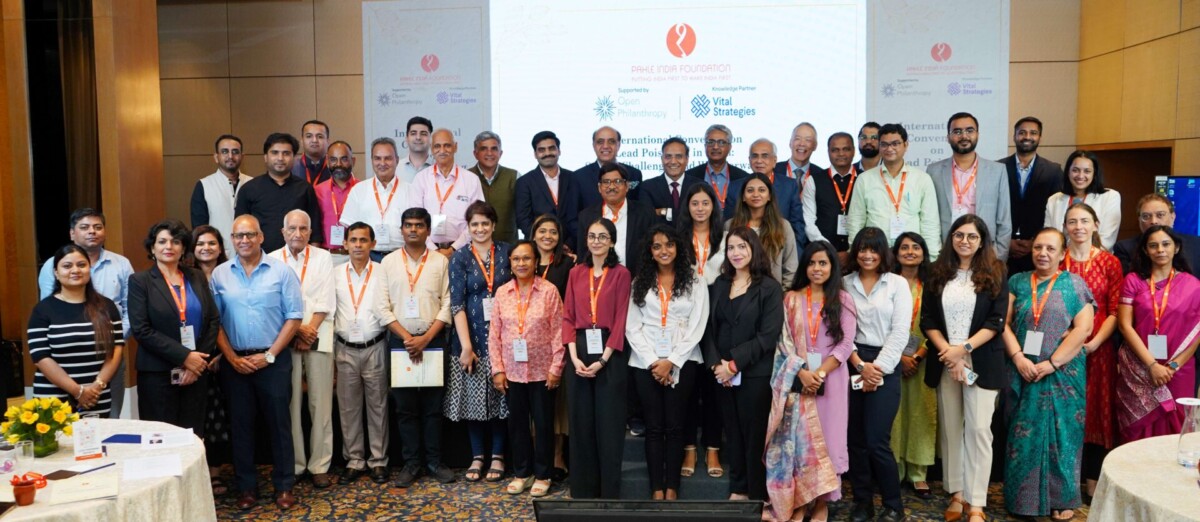
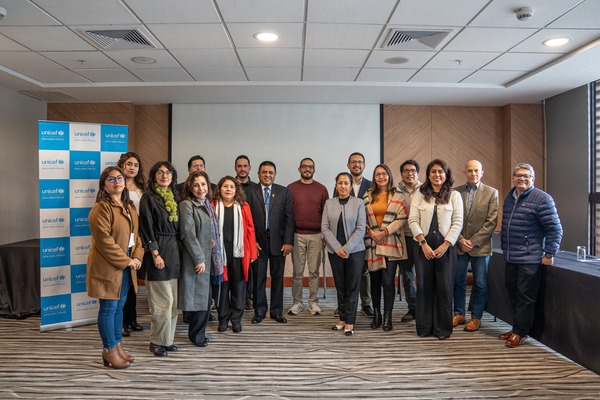
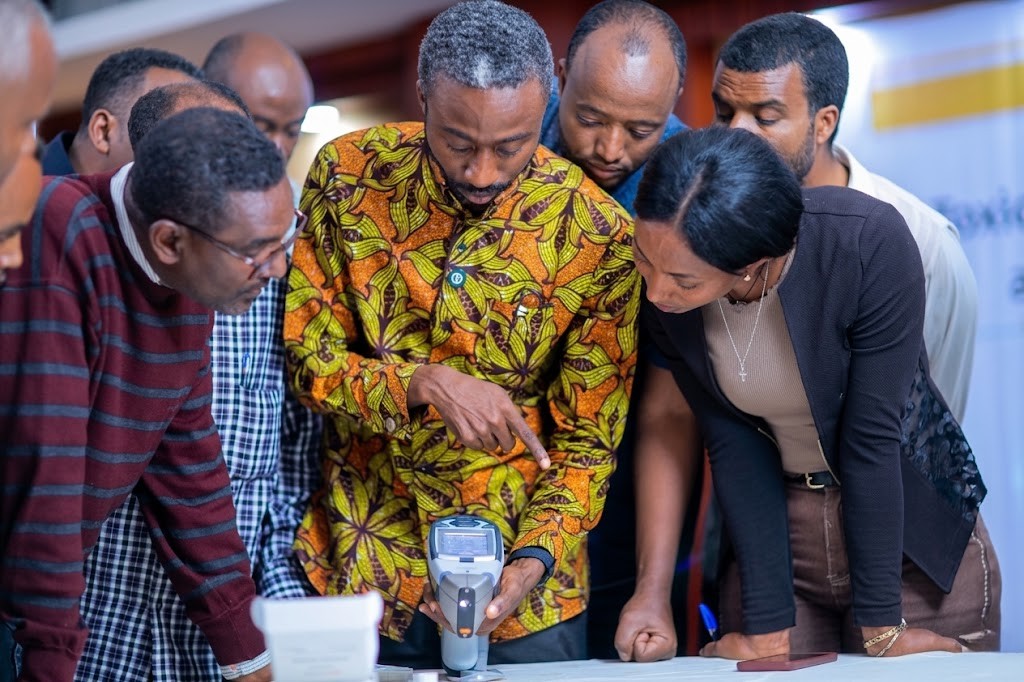
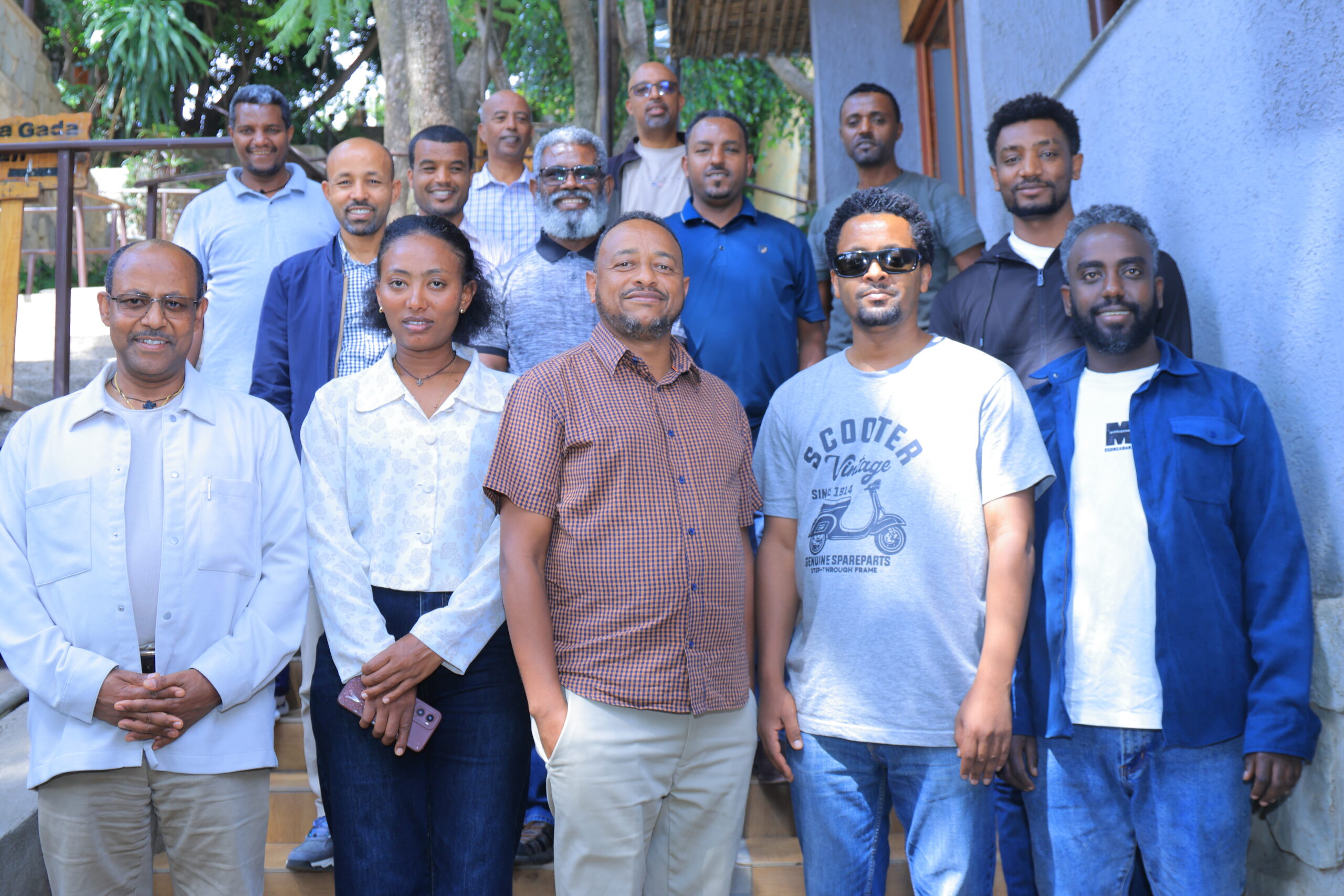
To catalyze this cross-sectoral synergy, Ethiopia has officially reactivated and restructured the National Lead Coordinating Committee (NLCC), marking an important step toward stronger national leadership and coordination for lead poisoning prevention. This renewed commitment was solidified during a national consultative workshop convened by Pure Earth in Bishoftu from June 15–16, 2026. The consultation brought together representatives from 20 key institutions across government, development partners, and academia.
“Strengthening national coordination today is an investment in healthier children, stronger communities, and a more productive future for Ethiopia,” said Firew Kefyalew, Pure Earth East Africa Director. As Addisu Tibebu, Lead Executive Officer for Environmental Compliance and Enforcement at the Ethiopian Environmental Protection Authority, noted: “Addressing this invisible but ever-growing danger requires strong national coordination and synergy. That is precisely what we are working on through this consultation.”
Building on Recent Progress
Ethiopia is not starting from scratch. In recent years, the country has introduced lead paint regulations, developed national guidelines for managing used lead-acid batteries, joined the global Partnership for a Lead-Free Future, and strengthened collaboration between environmental and health institutions.
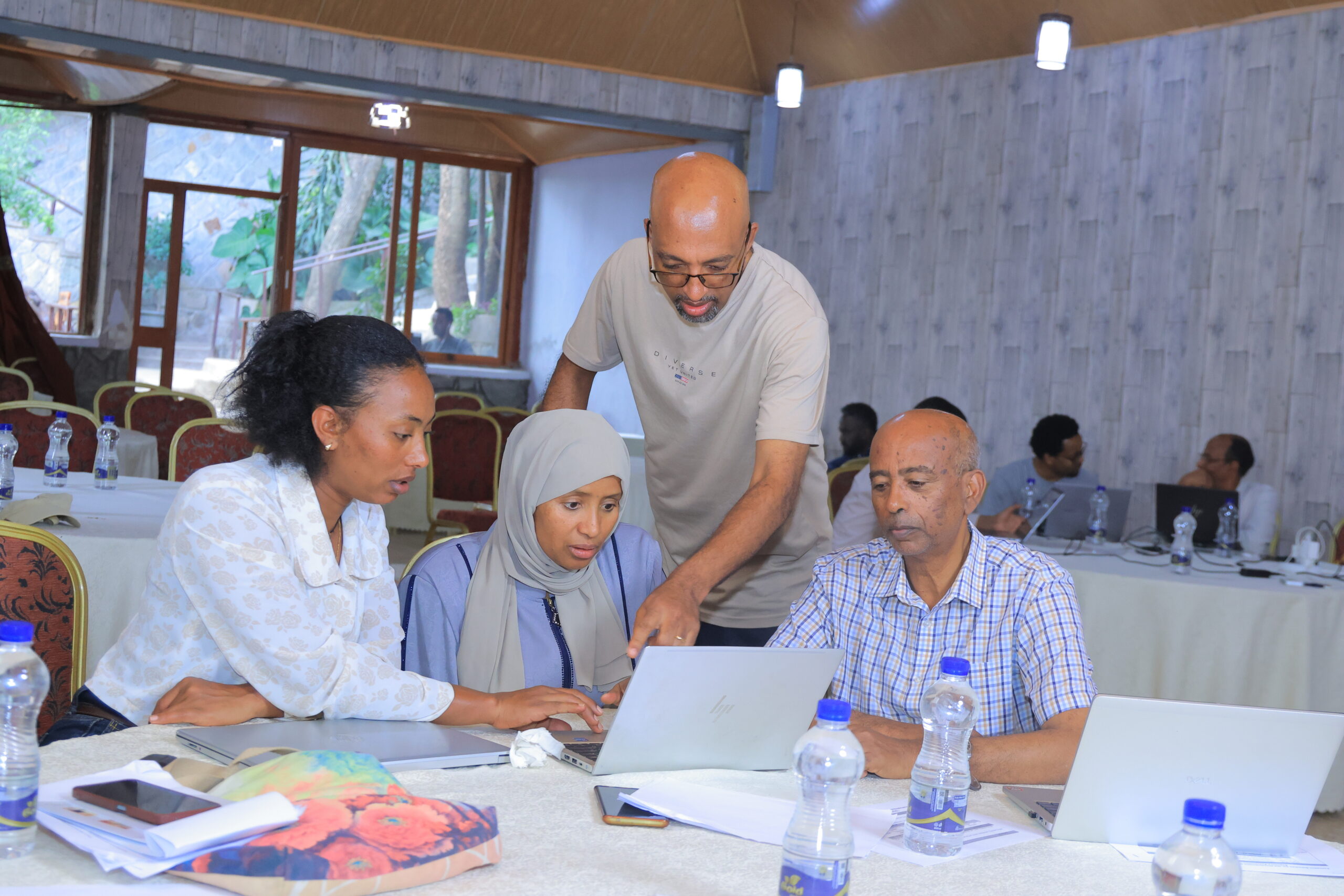
However, as the scale of these initiatives grew, so did the need for better integration. To eliminate overlapping mandates and ensure accountability, the newly revitalized NLCC has introduced a three-tier coordination structure consisting of a National Steering Committee, a Technical Working Group, and a Multisectoral Engagement Platform. This architecture clarifies leadership roles, strengthens institutional accountability, and improves collaboration among institutions working to prevent lead exposure.
Participants emphasized that Ethiopia has already established many of the essential foundations necessary to address lead exposure. The challenge now is ensuring that existing efforts are integrated within a governance framework that supports effective implementation, accountability, and long-term sustainability.
A New Governance Model for Greater Impact
One of the workshop’s most important outcomes was the endorsement of a strengthened governance framework designed to improve accountability, streamline decision-making, and accelerate implementation. In practical terms, the new framework helps define who leads, who implements, and how institutions work together to achieve measurable results. By combining strategic leadership, technical implementation support, and broader stakeholder engagement, it strengthens coordination across sectors and helps translate commitments into action.
The workshop also endorsed the establishment of five thematic sub-committees focusing on policy and regulation, research and surveillance, environmental monitoring, risk communication, and resource mobilization. These reforms together are intended to create a more agile, accountable, and results-oriented coordination system capable of translating commitments into measurable outcomes.
Addisu noted that the next phase of the response requires stronger cross-sectoral coordination, improved governance, and greater accountability to ensure that ongoing investments are translated into measurable public health outcomes.

The Path Forward
Ethiopia has already established many of the building blocks required to address lead exposure. By refining its governance, Ethiopia is transforming its existing partnerships into a more effective national response. The reactivation and strengthening of the National Lead Coordinating Committee represent an important milestone in transforming these foundations into a more coordinated and sustainable national response.
“Addressing lead poisoning is long overdue,” Firew reflected. “The success of our response will depend on this foundation of strong national governance and cross-sectoral collaboration.”
With the governance framework now endorsed, attention is shifting from institutional design to implementation and sustained action. Key next steps include operationalizing the newly established governance structure, finalizing institutional terms of reference, and activating the thematic sub-committees to support implementation across priority areas.
Every child deserves the opportunity to grow, learn, and thrive free from preventable toxic exposure. By strengthening national leadership and coordination, Ethiopia is taking an important step toward making that vision a reality. With the NLCC now revitalized, the country is laying the foundation for a more coordinated and sustainable response capable of preventing lead exposure and protecting future generations from one of the world’s most preventable environmental health threats.