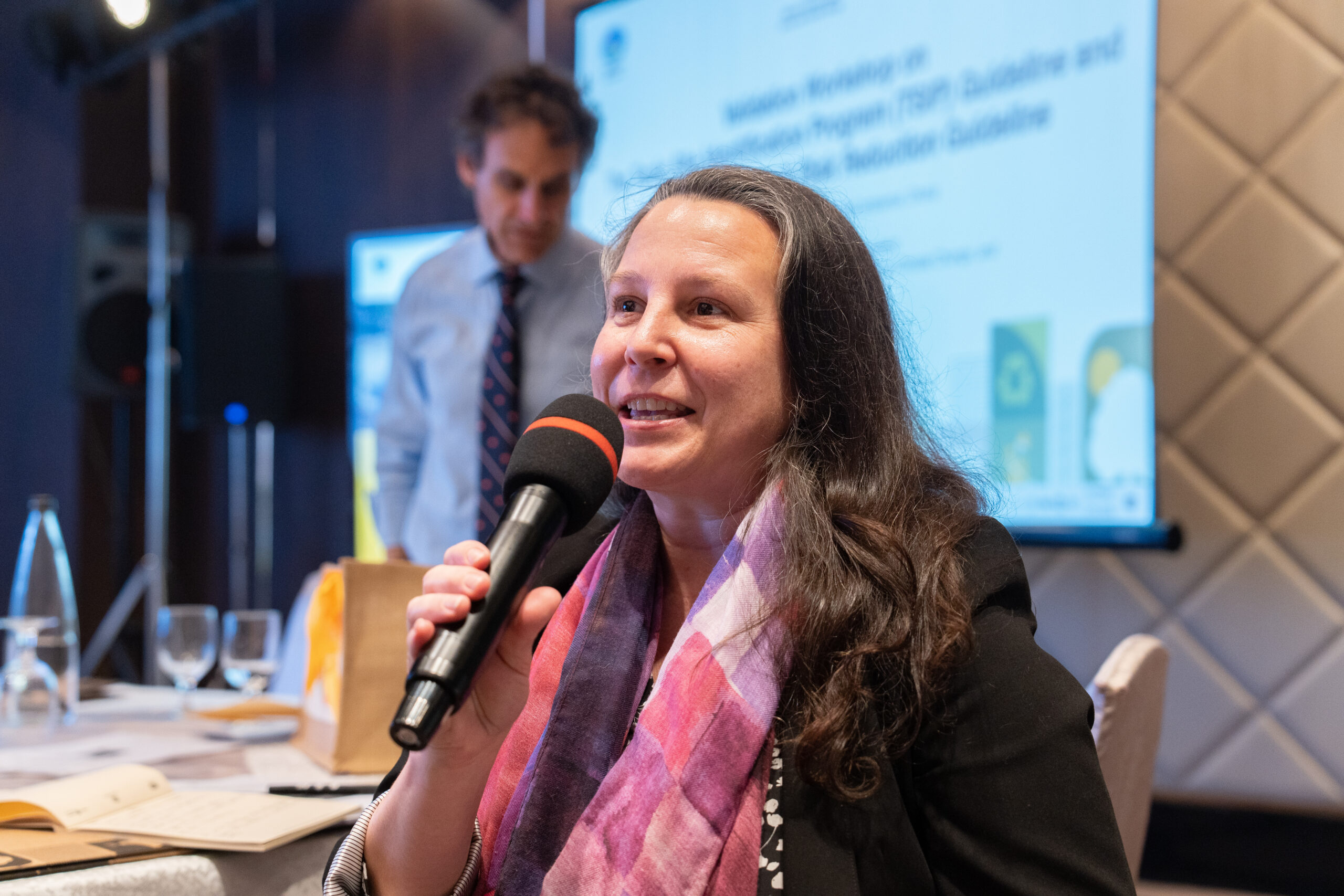
Ghana is demonstrating how identifying everyday sources of lead exposure can lead to national standards, coordinated government action, and practical interventions that protect children.
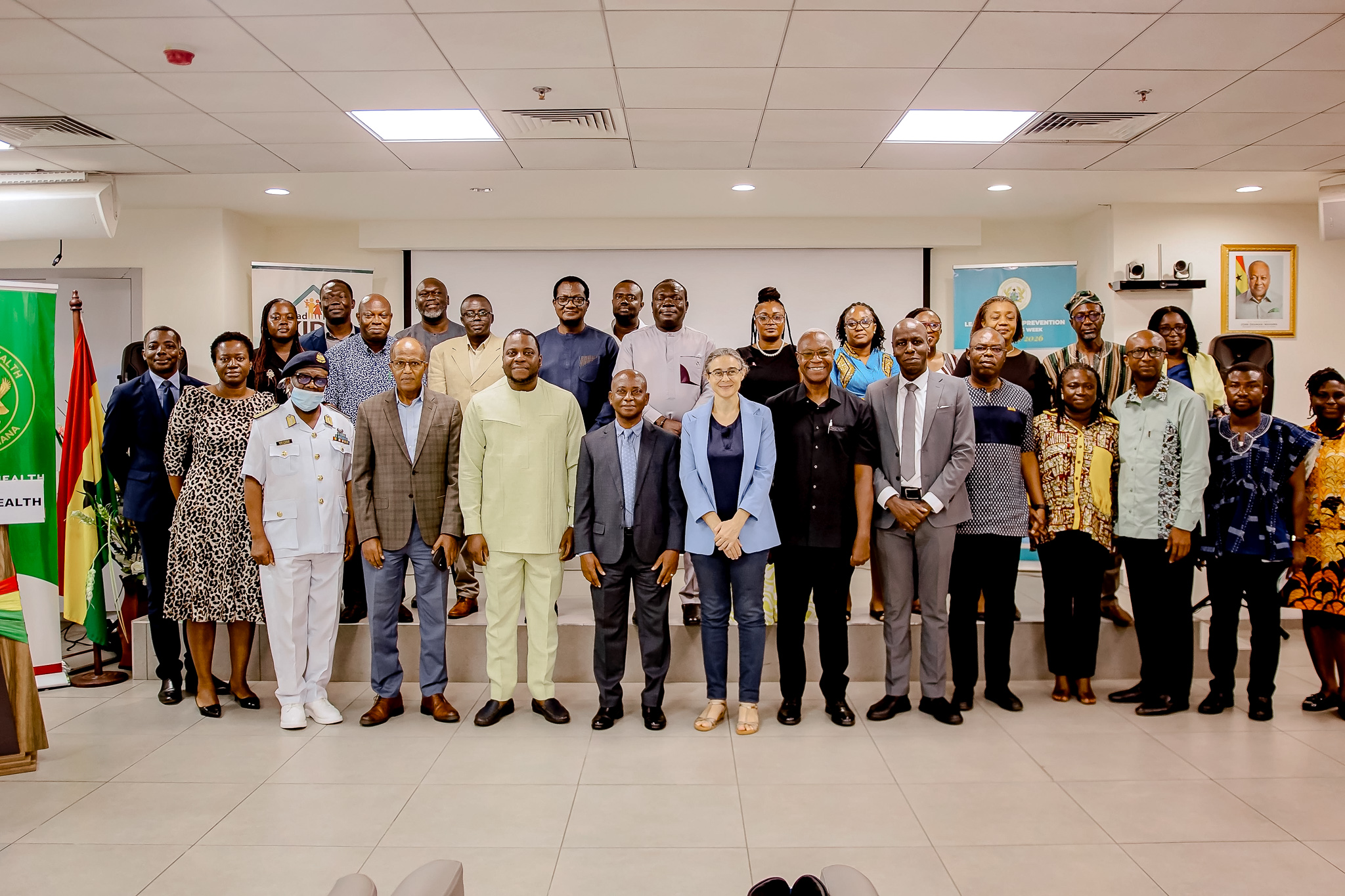
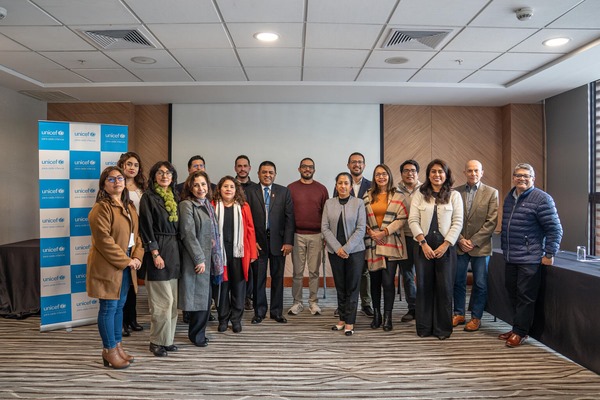
Dignitaries gather at the Ministry of Health Auditorium in Accra for the launch of National Lead Poisoning Awareness Week 2026.
“No parent should ever have to worry that the pot used to nourish a child, or the traditional cosmetic used to care for them, carries a hidden toxin,” said Dr. Esmond Wisdom Quansah, Regional Program Director for Africa, Pure Earth.
That urgent call to action set the tone in Accra as Ghana launched its 2026 National Lead Poisoning Awareness Week. Hosted at the Ministry of Health Auditorium during International Lead Poisoning Prevention Week (ILPPW), the event brought together the Ministry of Health, Pure Earth, UNICEF, Vital Strategies, the World Health Organization (WHO), and key national regulators under a shared theme: “From Detection to Prevention.”
A Silent, Preventable Crisis
Chairing the event, Dr. Esmond highlighted the global scale of the crisis. Lead exposure contributes to an estimated 3.5 million premature deaths every year, roughly 6% of all global mortality. That toll surpasses the combined annual deaths from HIV, malaria, tuberculosis, measles, and all active armed conflicts worldwide.
While adults bear the brunt of fatal cardiovascular outcomes as lead stored in the body raises blood pressure and damages blood vessels over decades, triggering heart attacks and strokes, children face a uniquely devastating cost. Even at low levels, lead permanently erodes a child’s developing brain, diminishing learning capacity and narrowing lifelong opportunity. Lead exposure can also affect other body systems, and the severity of harm depends on the level and duration of exposure.
“This tragedy is entirely preventable,” Dr. Esmond emphasized. “When we pair reliable data with enforceable regulation, strong public institutions, and sustained collaboration, we can pinpoint the exact sources of exposure and shut them down.”
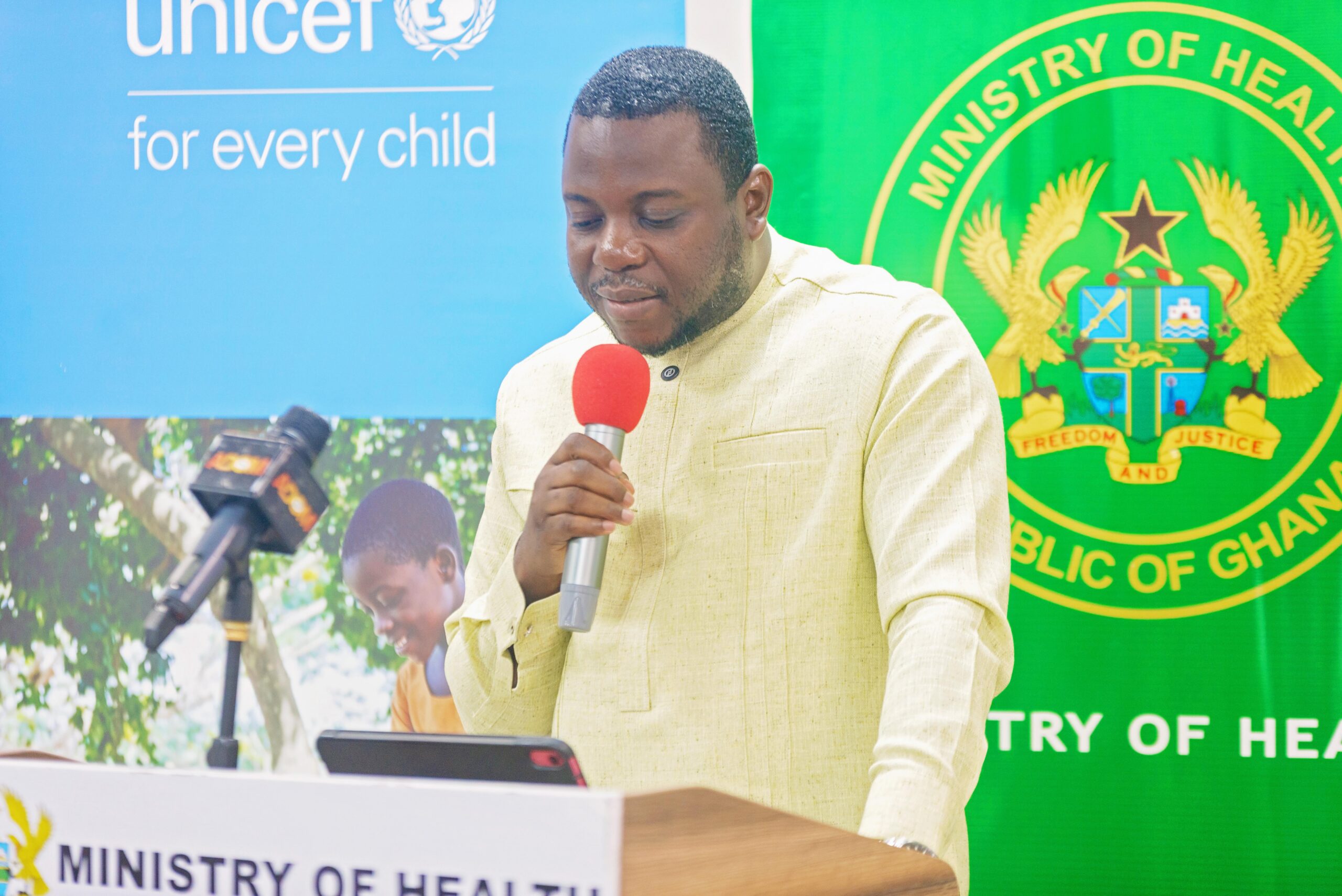
Rev. Dr. Esmond Wisdom Quansah, Pure Earth’s Regional Program Director for Africa, chairs the national launch in Accra.
Moving Beyond Detection: A Five-Pillar National Response
Delivering the keynote address on behalf of the Minister for Health, Mr. Desmond Boateng, Chief Director of the Ministry, stressed that data must lead to decisive intervention.
“Identifying lead exposure is only the beginning. Our ultimate responsibility is to prevent it before it steals a single child’s potential, and our success will be judged not by attendance in this auditorium, but by the concrete actions we take to eliminate exposure on the ground,” Mr. Desmond said.
Because lead poisoning rarely presents obvious early symptoms, families often remain unaware of the danger until irreversible neurological, behavioral, kidney, or reproductive harm has already occurred. Compounding the challenge is the sheer variety of exposure pathways in Ghana, ranging from lead-based paints, informal used lead-acid battery recycling, mining, and electronic waste to contaminated soil, household dust, and everyday consumer goods.
“Preventing lead exposure is not solely the responsibility of the health sector,” Mr. Desmond noted, calling for unified action across environmental protection, trade, industry, mining, education, and local government.
To guide this cross-sector effort, the Ministry outlined five national priorities:
- Public Awareness: Equipping families with practical information about common sources of lead exposure and how to protect their households.
- Protecting Vulnerable Groups: Reducing exposure risks in homes, schools, and community spaces, particularly for children and pregnant women.
- Health System Readiness: Strengthening healthcare workers’ capacity to identify potential exposure, support affected families, and improve testing and health surveillance.
- Action at the Source: Strengthening product standards, environmental monitoring, and safe waste management to prevent lead exposure before it occurs.
- Multi-Sector Collaboration: Bringing together government agencies, regulators, academia, civil society, and communities to coordinate action and ensure accountability.
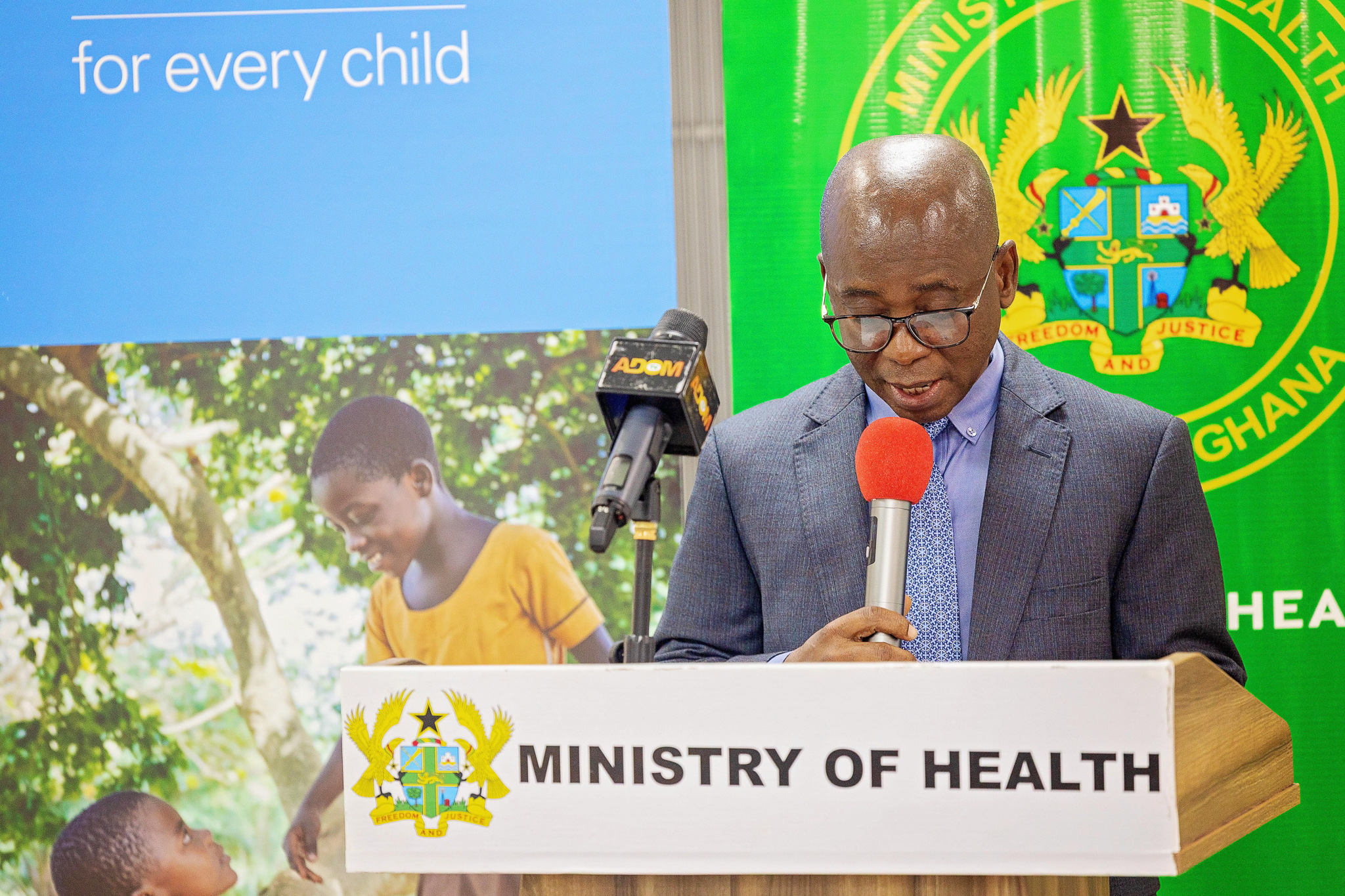
Mr. Desmond Boateng, Chief Director of the Ministry of Health, delivers the keynote address on behalf of the Minister for Health.
The Stakes and the Breakthroughs in Ghana
The urgency behind the Ministry’s roadmap is backed by sobering data. According to Pure Earth’s Impact Report 2026 (covering January 2025 to July 2026), modeled estimates indicate that 27.8% of Ghanaian children and adolescents aged 0–19 have modeled blood lead levels at or above 5 µg/dL, a level that warrants public health attention and action. Furthermore, an estimated 5,474 deaths in Ghana each year are attributable to lead exposure.
Yet Ghana’s story is not defined by the scale of the problem alone. The same report identifies the country as one of the strongest examples of progress across Pure Earth’s global portfolio, demonstrating measurable advances across all five indicators of systemic change.
Nowhere is this clearer than in the transition from research to regulation. When local studies revealed that children’s highest exposure risks were sitting right at the heart of the home, specifically in artisanal aluminum cooking pots and traditional kohl eyeliner, Pure Earth partnered with the Ghana Standards Authority to stop contamination at its source. The result is a landmark national cookware standard that, for the first time in Ghana’s history, establishes a strict legal limit on lead in everyday pots and pans.
Testing Solutions on the Ground
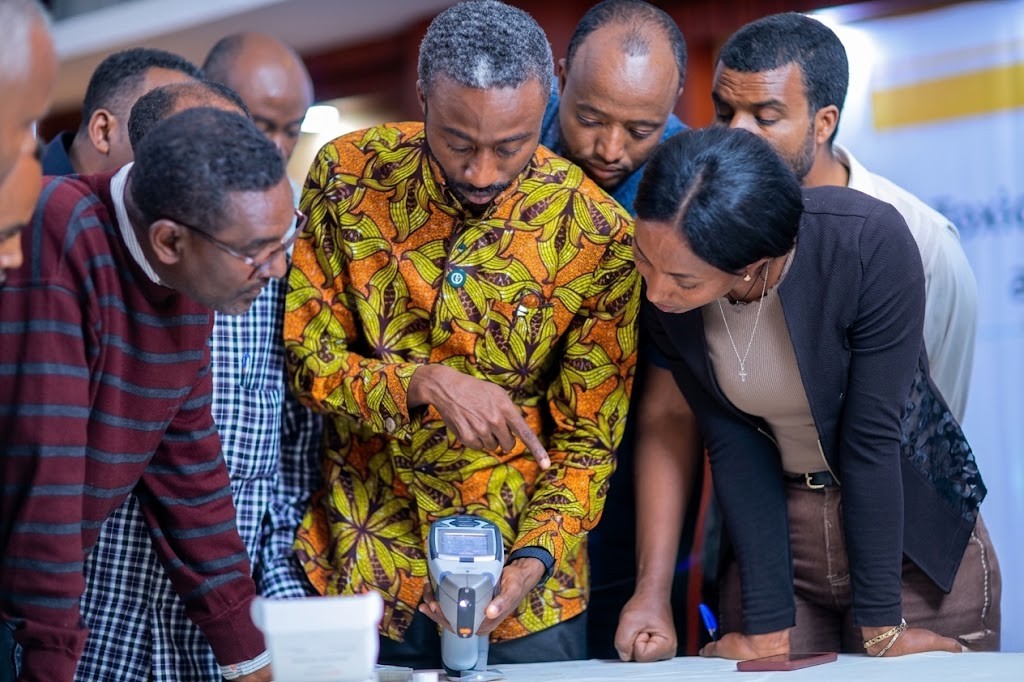
To ensure policy translates into measurable health gains for families, Pure Earth is partnering with the Ghana Health Service, the University of Oxford, and the Center for Global Development on a pioneering randomized controlled trial in Northern Ghana. The study directly tests how replacing contaminated cookware and traditional cosmetics impacts children’s blood lead levels.
To date, the field team has achieved major milestones on the ground, screening 750 children for lead exposure, completing 300 venous blood lead tests, and conducting nearly 200 comprehensive household assessments. Alongside this vital diagnostic work, the team has directly reduced daily household risk by safely replacing nearly 700 contaminated cooking pots and 200 traditional eyeliners with lead-free alternatives.
Follow-up testing will assess whether these replacements are associated with measurable changes in children’s blood lead levels. The findings will help determine the effectiveness of this approach and inform whether similar interventions could be adapted and expanded in other communities.
A Lasting Legacy
Ghana’s progress demonstrates what becomes possible when scientific evidence, government leadership, and sustained partnerships come together. From identifying contamination in everyday household products to strengthening national standards and testing practical interventions, the country is taking important steps toward preventing lead exposure at its source.
“Together, let us make lead exposure more visible, prevention more effective, and the protection of our children’s health a lasting legacy,” Dr. Esmond concluded.
For Pure Earth and its partners, the work continues: ensuring that evidence translates into effective policies, safer products, healthier households, and a future in which no child has to bear the lifelong consequences of preventable lead exposure.