KLIK DI SINI untuk membaca artikel dalam Bahasa Indonesia.
Indonesia’s Vice Minister of Health, Prof. dr. Dante Saksono Harbuwono, stresses the importance of preventing environmental health risks such as lead exposure and sees an opportunity to integrate risk-based lead screening into the government’s Free Health Check Program (CKG). But early detection is only the first step. Sustained protection requires a strong health system and collaborative efforts to control sources of pollution.

“I believe that our health is determined not only by what is inside our bodies, but also by what exists in the environment around us,” said Prof. Dante Saksono Harbuwono, Indonesia’s Vice Minister of Health.
His view didn’t come out of nowhere. He began his career as a doctor at a community health center (puskesmas) in a remote area and is now one of the most influential figures in national health policy. A Professor at the Faculty of Medicine, Universitas Indonesia, and Indonesia’s first molecular diabetes specialist, he has experience across nearly every level of healthcare.
After years of researching and treating what happens “inside” the body, his extensive cross-disciplinary experience has only led him to reaffirm H. L. Blum’s theory that what lies “outside” the body, particularly the environment, plays the most significant role in shaping a person’s health.
Prof. Dante believes that protecting public health takes more than medical care. Preventing risks that come from the environment must also be an integral part of the health system.
Environmental Pollution: A Silent Killer
This perspective becomes particularly relevant when discussing pollution. Unlike disease symptoms that are quickly recognized, environmental contamination often works slowly, without the people affected ever noticing. Prof. Dante describes environmental pollution as a “silent killer”. Exposure can continue day after day, while the health consequences may only emerge much later.

One form of environmental pollution whose dangers often go unnoticed and deserve serious attention is lead exposure. This toxic heavy metal can be found in various everyday products and objects, ranging from paint, metal cookware, and toys to dust, soil, and activities involving industries and used lead-acid battery recycling.
Children and pregnant women are among the most vulnerable. In children, lead exposure can impair brain and central nervous system development, affect learning abilities and intelligence, and is associated with behavioral changes. In pregnant women, exposure can increase the risk of impaired fetal growth, low birth weight, premature birth, and other pregnancy complications.
In 2025, the Ministry of Health, in collaboration with the National Research and Innovation Agency (BRIN), and with support from Yayasan Pure Earth Indonesia and Vital Strategies, conducted the first phase of the Blood Lead Surveillance (BLS) Pilot to establish data on blood lead level (BLLs) prevalence among children in Indonesia. The program involved more than 1,600 children aged 12–59 months across 12 districts and cities in six provinces: South Sumatra, Lampung, Central Java, East Java, Bali, and West Nusa Tenggara.
The results showed that 1 in 7 children (15%) in Indonesia had a blood lead level above 5 μg/dL, the intervention threshold set by the World Health Organization (WHO). Home assessments also turned up other concerns: 71% of the houses inspected had metal cookware with lead content above the safe limit.
Yet despite the serious health risks it poses, lead exposure remains a hidden public health issue, Prof. Dante observes. “Lead exposure has many long-term health effects, but it’s hard to link them directly to lead,” he said. He points to declining learning abilities in children as an example, noting that this can be influenced by many factors. Without specific symptoms, lead exposure can easily go undiagnosed.
Early Detection Reveals What Is Hidden
To address this often-invisible threat, the health system needs the capacity to identify risks before their consequences become more severe. Prof. Dante sees the Free Health Check Program (CKG), which the government is now actively promoting, as an opportunity to expand early detection of lead exposure.
He outlines three key considerations for integrating blood lead screening into the CKG program.

First, screening should be guided by a risk-based, location-specific approach. “For blood lead screening, the most appropriate implementation would target high-risk populations in specific areas, such as used lead-acid battery recycling centers, metal smelting industries, centers producing lead-based painted crafts, or areas with a history of high levels of pollution in major cities, including schools located along major roads,” he explained.
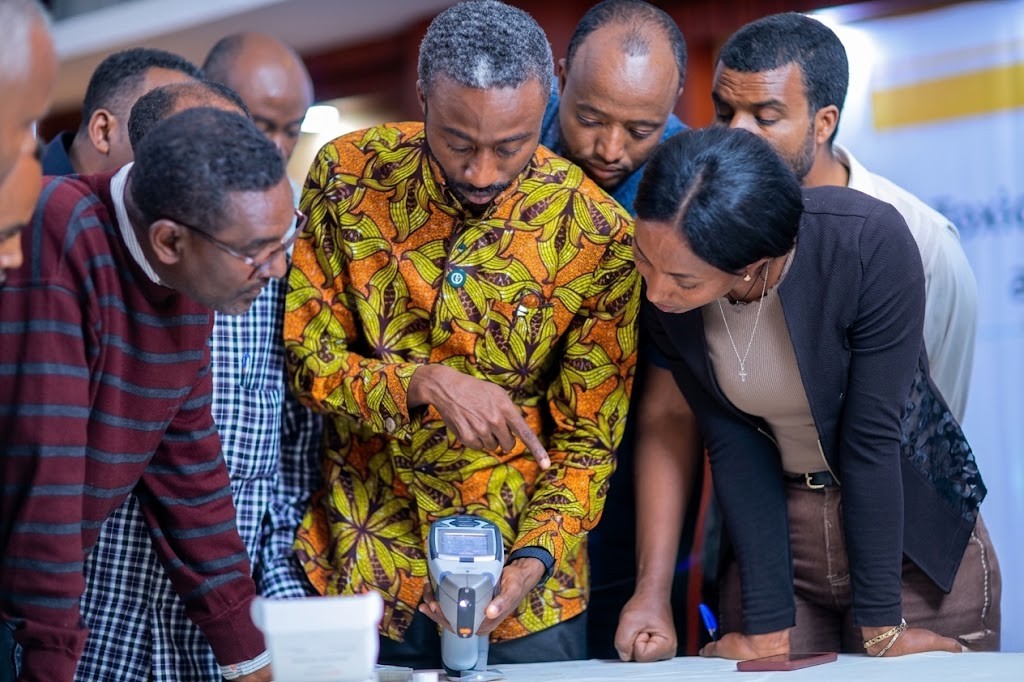
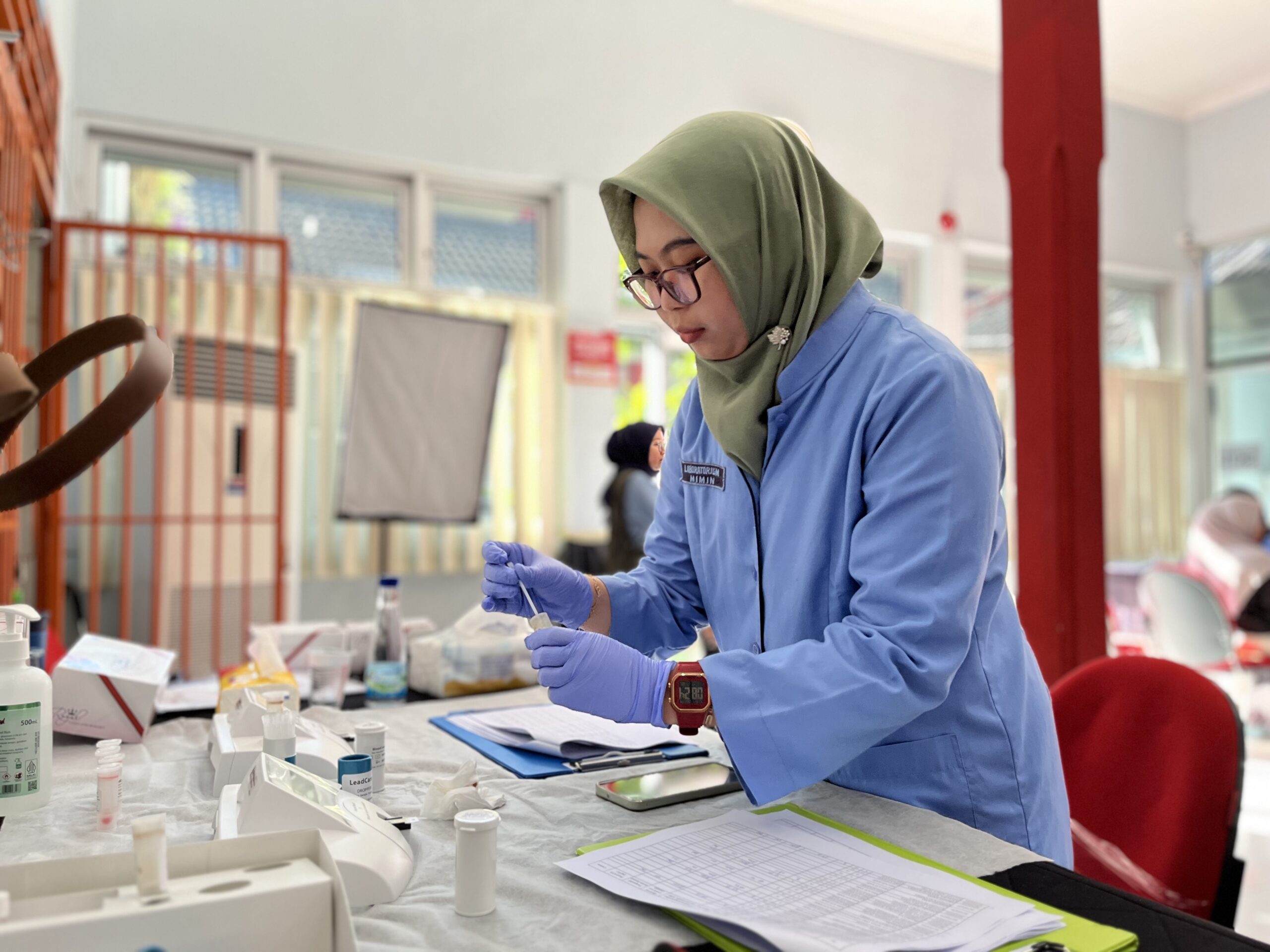
Second, implementation should follow a tiered approach at primary healthcare facilities. This would begin with questionnaire-based screening for children and pregnant women in high-risk areas. Those identified as being at high risk would then undergo blood lead testing using point-of-care testing (POCT) devices at community health centers (Puskesmas) or auxiliary community health centers (Pustu).
Third, Prof. Dante emphasizes that integration requires thorough preparation. The availability of logistics and supplies, stronger public health laboratory networks (Labkesmas), digital recordkeeping through the Satu Sehat platform, and funding for testing must all be incorporated into the planning process.
Building a Sustainable System
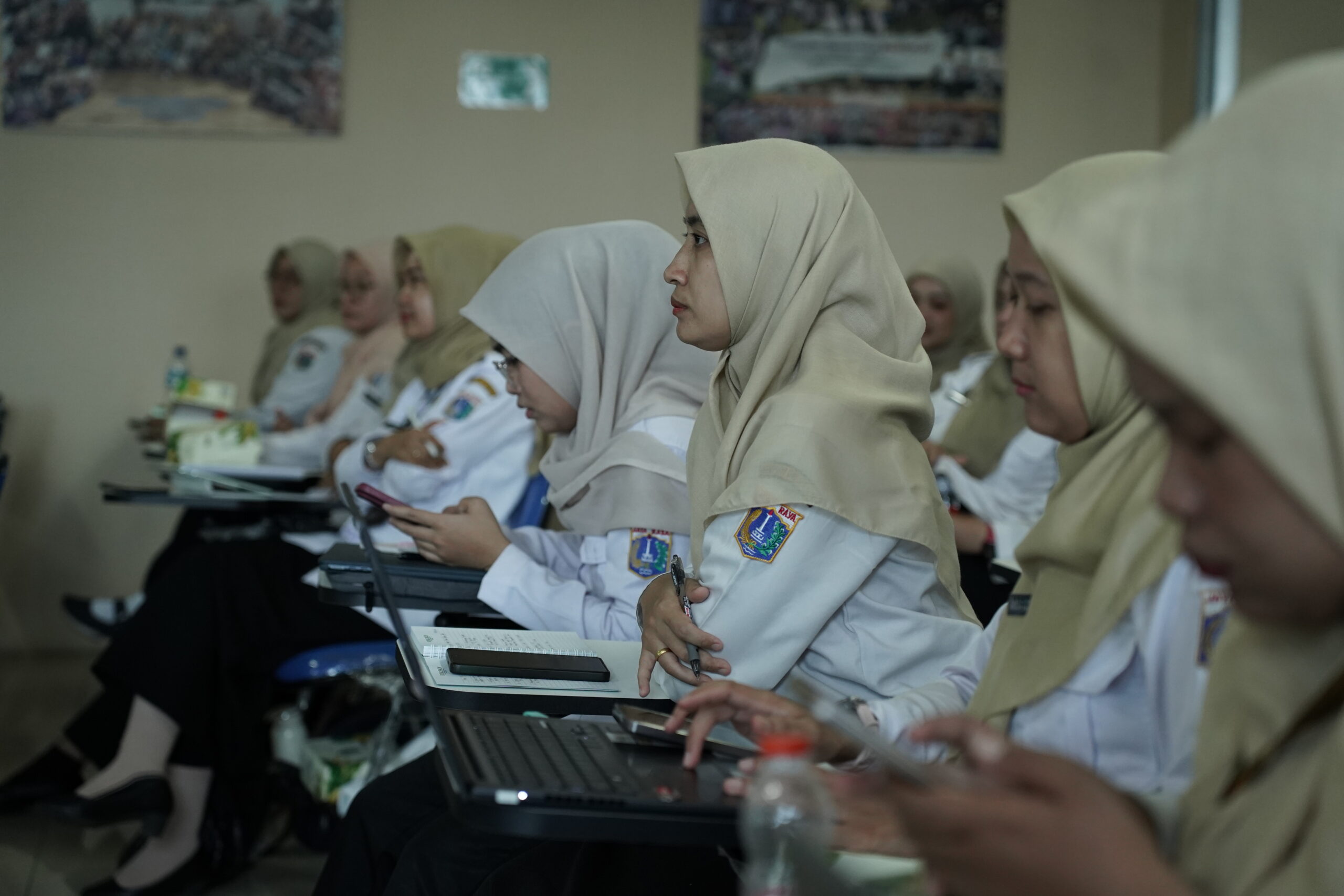
The potential integration of lead screening into the Free Health Check Program (CKG) also highlights the importance of building a system that goes beyond health examinations. Early detection must be supported by healthcare worker capacity, laboratory facilities, clinical management guidelines, and clear follow-up mechanisms.
Indonesia has already taken important steps toward building this foundation. In 2024, the Ministry of Health, together with UNICEF, experts, WHO, the National Research and Innovation Agency (BRIN), the Ministry of Environment, professional organizations, relevant units within the Ministry of Health, Yayasan Pure Earth Indonesia, and Vital Strategies, developed the National Guidelines for the Clinical, Community, and Environmental Management of Lead Exposure in Children and Pregnant Women. With continued support from UNICEF, Yayasan Pure Earth Indonesia, and Vital Strategies, healthcare workers at community health centers and hospitals received capacity-building support in 2025 to facilitate the implementation of these guidelines. In the same year, the Ministry of Health also developed communication, information, and education (IEC) materials to improve public understanding of lead exposure risks and prevention.
In 2026, the Ministry of Health, in collaboration with the Indonesian Pediatric Society (IDAI), and with support from Yayasan Pure Earth Indonesia and Vital Strategies, conduct the second phase of the Blood Lead Surveillance (BLS) Pilot in two high-risk lead exposure areas in West Jakarta and Tangerang Regency. This initiative is part of efforts to test the implementation of the national guidelines while strengthening healthcare services’ readiness to detect and manage lead exposure.
Prof. Dante also highlights several areas where further improvements are needed. “We still need to strengthen both human resources and the equipment available in public health laboratories (Labkesmas), particularly because these laboratories are responsible for environmental assessments, especially the testing of environmental samples. This is an important area for collaboration and a key challenge that we must address moving forward.”
Collaborating to Eliminate Pollution at Its Source
However, no matter how strong the health system is at detecting and managing lead exposure, these efforts will not be sufficient if the sources of pollution remain unaddressed.
“I believe lead must be recognized not only as a health issue, but also as an environmental issue and a child protection issue, one that can be prevented at its source. Collaboration among relevant ministries and government institutions is essential.”
He notes that while the Ministry of Health is responsible for detecting and monitoring the health impacts of lead exposure, controlling its sources requires coordinated action across multiple ministries and government institutions. For example, the Ministry of Environment can oversee pollution and used lead-acid battery recycling sites. The Ministry of Industry needs to promote safer alternatives to lead and regulate lead content in industrial products. The Indonesian Food and Drug Authority (BPOM) and the Ministry of Trade also have roles in monitoring products that may contain lead, including cosmetics and children’s toys.

“If this collaboration is established, responsibility for addressing the health impacts of lead pollution will not rest exclusively with the Ministry of Health. Instead, we can adopt an inclusive approach that brings together relevant ministries and other sectors,” Prof. Dante added.
This cross-sectoral approach is essential because communities cannot fully protect themselves from exposure through behavioral changes alone. Educating families remains important, but it must go hand in hand with efforts to reduce pollution sources that threaten public health.
Prof. Dante hopes Indonesia can move away from a curative approach focused primarily on managing health impacts toward a system that prioritizes prevention, health promotion, and early risk detection. Gradually reducing the use of lead and transitioning to safer materials and alternatives are important parts of this transformation.
“I want us to move beyond simply managing the health impacts of pollution toward reducing exposure at its source and detecting risks earlier, before they lead to health problems,” he emphasized.