Across Ethiopia, an invisible threat is quietly shaping the lives of millions of children. It leaves no immediate scars and often goes unnoticed, yet its consequences can last a lifetime. Lead poisoning, one of the world’s most pervasive and preventable environmental health hazards, continues to undermine children’s health, development, and future potential.
Recognizing the urgent need for coordinated action, Pure Earth and the Ethiopian Environmental Health Association (EHA) signed a two-year Memorandum of Understanding (MoU) on May 30, 2026, to strengthen national efforts to prevent lead poisoning, which affects an estimated 21 million children in the country.
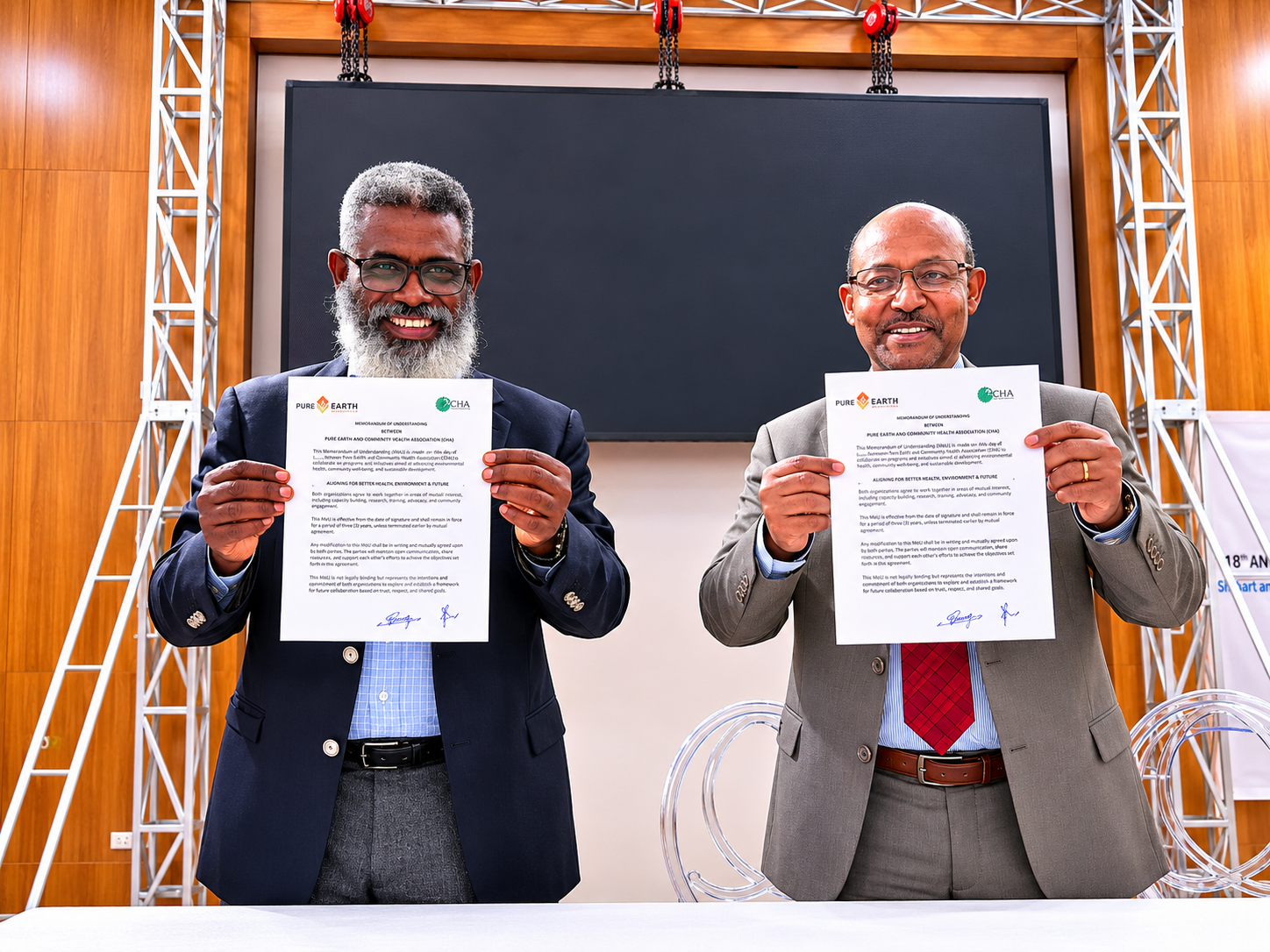
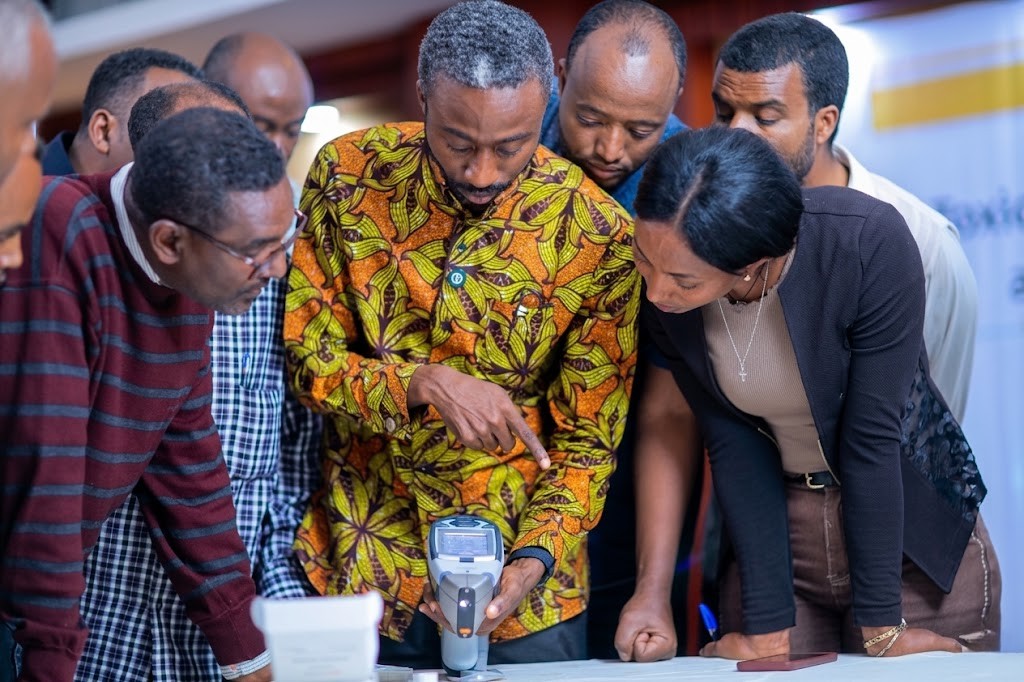
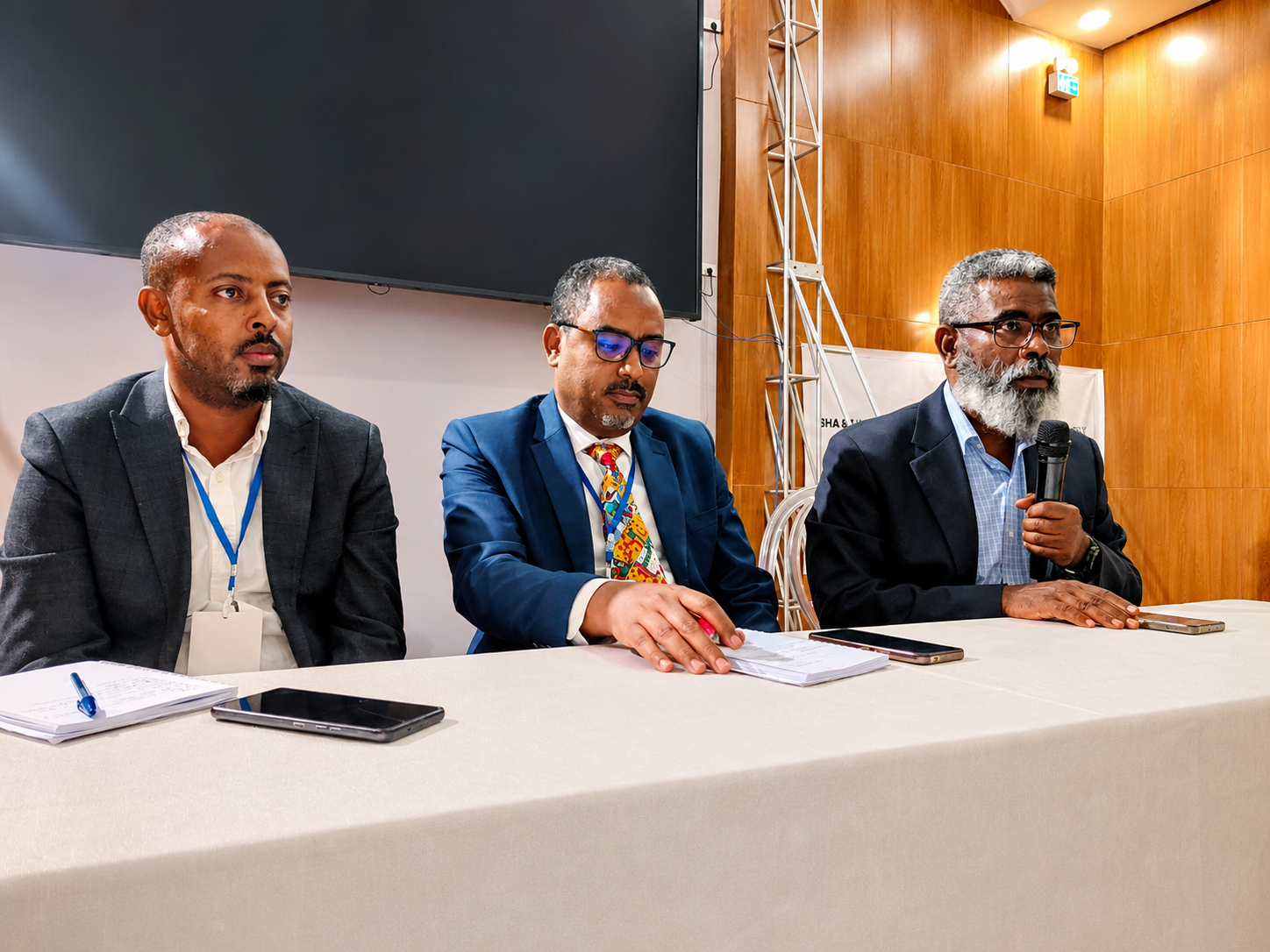
The agreement was announced at EHA’s 8th Annual Scientific Conference in Addis Ababa, and was attended by 106 environmental health professionals, researchers, government representatives, academics, and development partners from across Ethiopia. While the conference deliberated on a broad spectrum of environmental health issues, lead poisoning emerged as a critical public health priority because of its widespread and lasting impact on children’s health and development.
The MoU establishes a framework for collaboration in research, capacity building, policy engagement, and public awareness. By combining Pure Earth’s global technical expertise and EHA’s extensive professional network in Ethiopia, the partnership seeks to accelerate coordinated national efforts to reduce lead exposure, strengthen scientific evidence, and promote effective interventions that safeguard public health.
EHA, with more than 1,370 active members across the country, represents one of Ethiopia’s most influential professional networks in environmental health. Its extensive reach provides a strong platform for mobilizing professionals, advancing research, and promoting evidence-based action to address environmental health challenges, including lead poisoning.
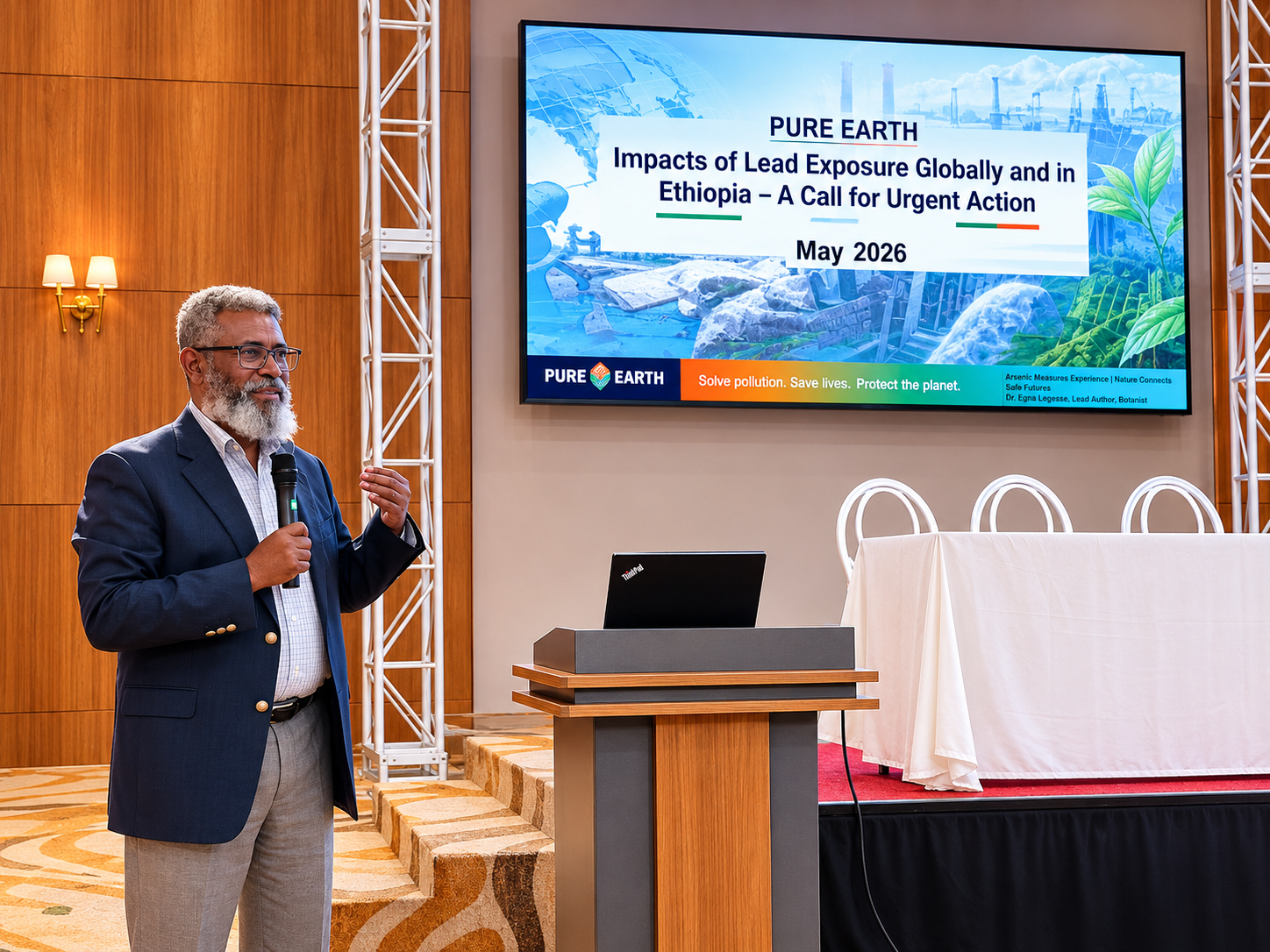
The scale of the crisis became clear during a keynote presentation delivered by Pure Earth’s East Africa Director, Firew Kefyalew, titled “The Impact of Lead Poisoning in Ethiopia: Time for Collective Action.” Drawing on data from the Institute for Health Metrics and Evaluation (IHME) and the Lead Burden Index, Firew presented findings that underscored the urgent need for action.
Nearly 21 million Ethiopian children, roughly 36 percent of the country’s child population, are estimated to have elevated blood lead levels, with more than six million experiencing severe exposure. Lead poisoning is associated with more than 13,000 premature deaths each year, placing a significant burden on public health, educational attainment, and economic productivity.
Firew emphasized that the effects of lead exposure are often irreversible, particularly among young children whose brains and nervous systems are still developing. Exposure can impair cognitive development, reduce learning capacity, contribute to behavioral disorders, and increase the risk of lifelong health complications.
“Lead poisoning is stealing the future of our children before they have the chance to thrive. It remains one of the most critical yet least recognized public health threats facing Ethiopia today,” Firew said. “This isn’t a challenge one organization can solve alone; it demands a unified front. Our partnership with the EHA signifies a vital commitment to building that front.”
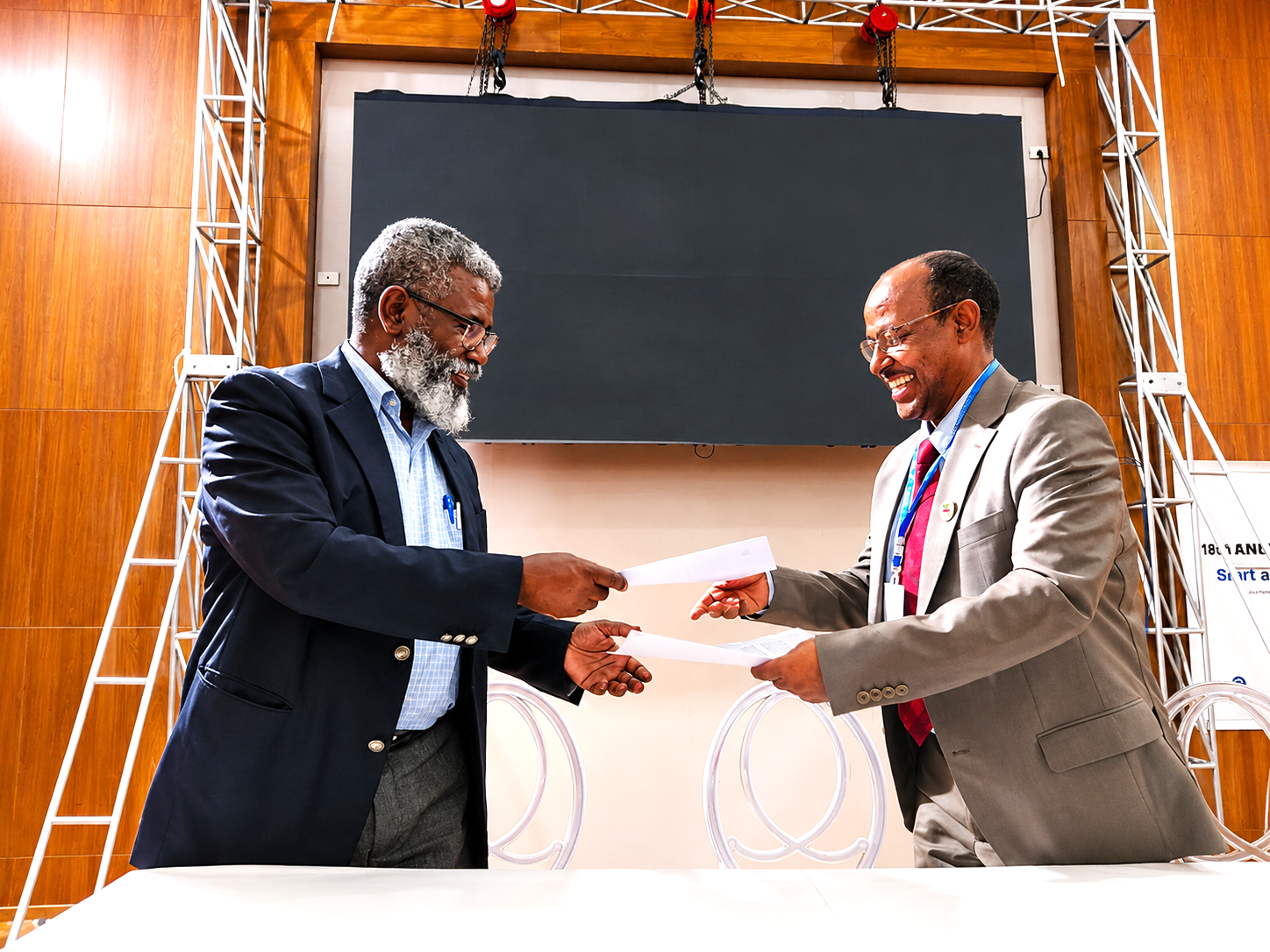
Speaking at the MoU signing program, EHA President Professor Argaw Ambelu emphasized the importance of strengthening local research and expanding the evidence base needed to inform policy and intervention efforts.
“Despite its profound impact on the health, development, and future potential of millions of children, lead poisoning is one of the most under-researched environmental health challenges in Ethiopia,” Professor Argaw emphasized. “Strengthening the local evidence base is essential for informing policy decisions and guiding effective interventions. By signing this MoU, we are not merely entering into an agreement; we are initiating a movement.”
The momentum generated during the conference quickly translated into action. One of the meeting’s most significant outcomes was EHA’s decision to designate lead poisoning as a dedicated sub-theme of its 9th Annual Scientific Conference next year. The decision reflects growing recognition of the issue within Ethiopia’s environmental health community and is expected to encourage new research, strengthen the evidence base, and promote policy dialogue on lead exposure.
Professor Argaw noted that the decision would help galvanize the research community and encourage greater scientific engagement on lead exposure across the country.
In recognition of its technical leadership and contributions to advancing national action on lead poisoning prevention, EHA presented Pure Earth with a Certificate of Recognition during the conference. The partnership builds on Pure Earth’s ongoing collaboration with national institutions, including the Ethiopian Environmental Protection Authority.
The partnership signals a significant step toward elevating lead poisoning on Ethiopia’s public health agenda and mobilizing the research, policy, and community action required to protect future generations from a preventable environmental hazard.